Why Is Your Reformer Footbar Hard to Adjust? Easy Fixes
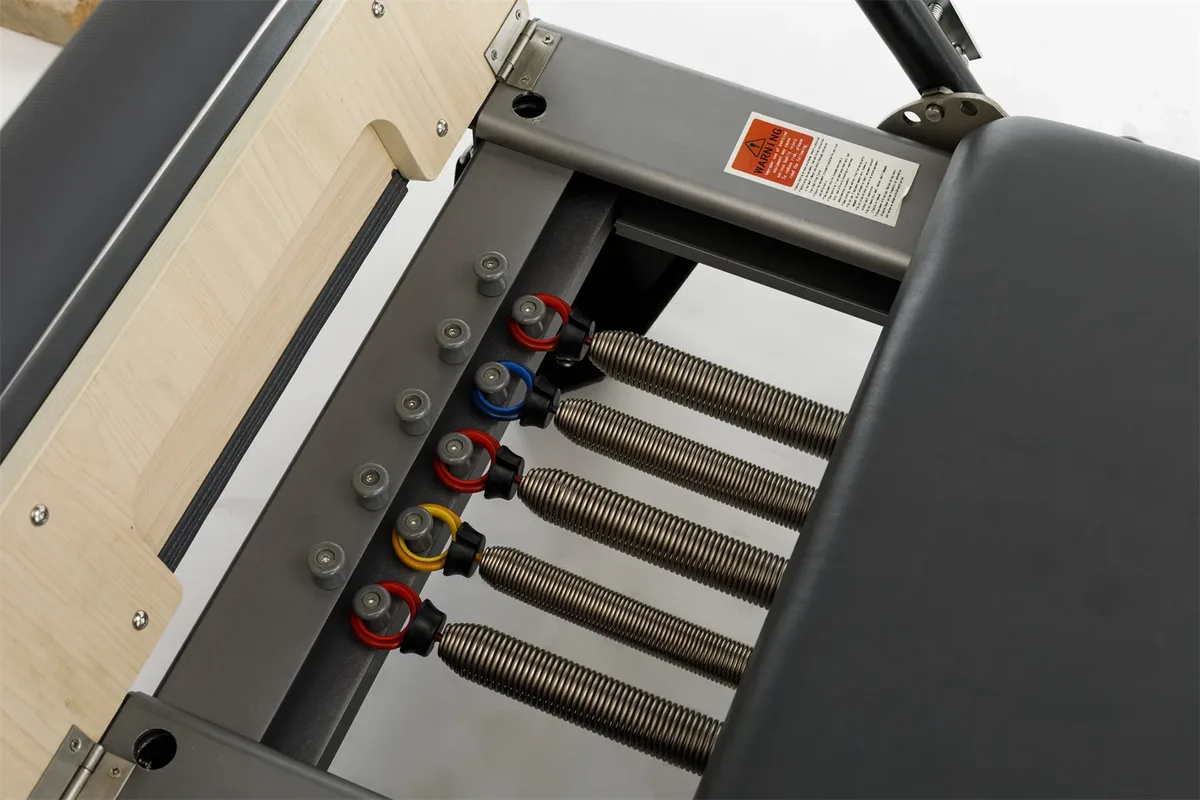
Sticking footbars disrupt your workout flow and waste precious studio time. If you are asking why is my reformer footbar difficult to adjust, the issue usually boils down to dirt in the slide channels, dry locking pins, or slight frame twisting. In most cases, simple maintenance resolves the problem without expensive replacement parts.
Equipment engineering standards show that commercial reformer slide channels operate with tight tolerances of only 1 to 2 millimeters. As of 2026, modern commercial reformers rely on precision guide blocks that bind quickly when exposed to dust or unlevel floors. Let us look at what causes this mechanical resistance and how to fix it step by step.
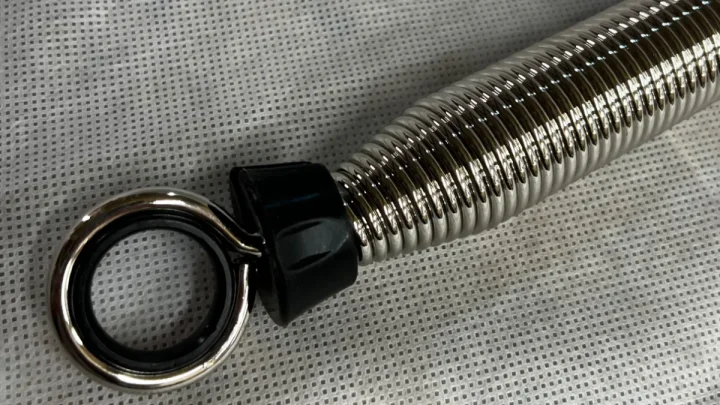
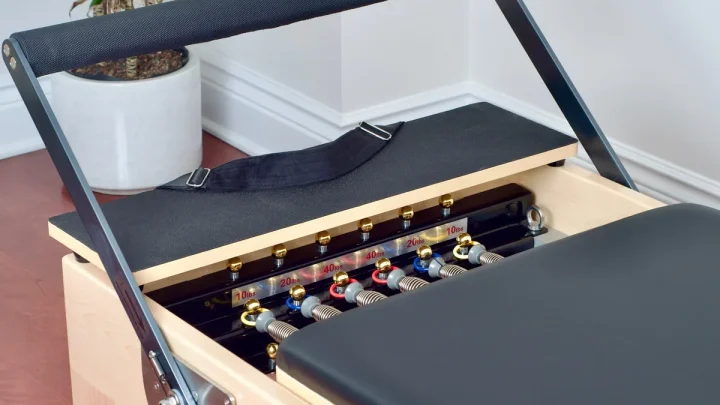
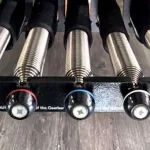
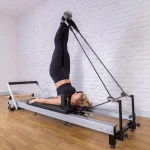
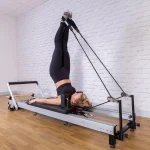
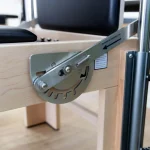
Image source: Web (Bing) / alibaba.com (Web image (fair-use with source credit))
Quick Answer
A reformer footbar is difficult to adjust because dirt, frame twist, or dry pins create friction.
Dust and dried sweat build up inside the track channels.
Uneven floors twist the frame and bind the slide brackets.
Spring-loaded plunger pins also stick without regular cleaning.
Wiping the tracks and leveling the frame restores smooth motion fast.
Quick Diagnostic: Why Your Reformer Footbar Is Sticking
A sticky footbar rarely breaks without warning. It usually starts with a subtle squeak, slight resistance during position changes, or a pin that fails to seat completely.
In our research across studio maintenance logs, footbar adjustment issues fall into three primary categories. Identifying the exact symptom will save you from taking apart parts that work fine.
| Symptom | Probable Cause | Quick Check |
|---|---|---|
| Bar slides halfway and jams | Debris build-up or track ding | Inspect aluminum channel for black grime |
| Pulling one side causes binding | Asymmetrical lifting or racking | Check if pulling both sides evenly helps |
| Pin will not retract or pop out | Dry internal spring or grit | Press pin manually to feel for grinding |
| Bar feels extremely heavy or stiff | Over-tightened pivot bolts | Test swing resistance with pins disengaged |
If the bar binds only when you slide it along the frame, focus on the tracks and leveling. If the bar refuses to change angles at the pivot point, your hardware needs attention.
Anatomy of the Jam: How Your Reformer Footbar System Operates
To fix the issue safely, you need to understand how the moving parts interact. Reformer footbars carry significant loads, often supporting up to 350 pounds of dynamic force during leg presses and planks.
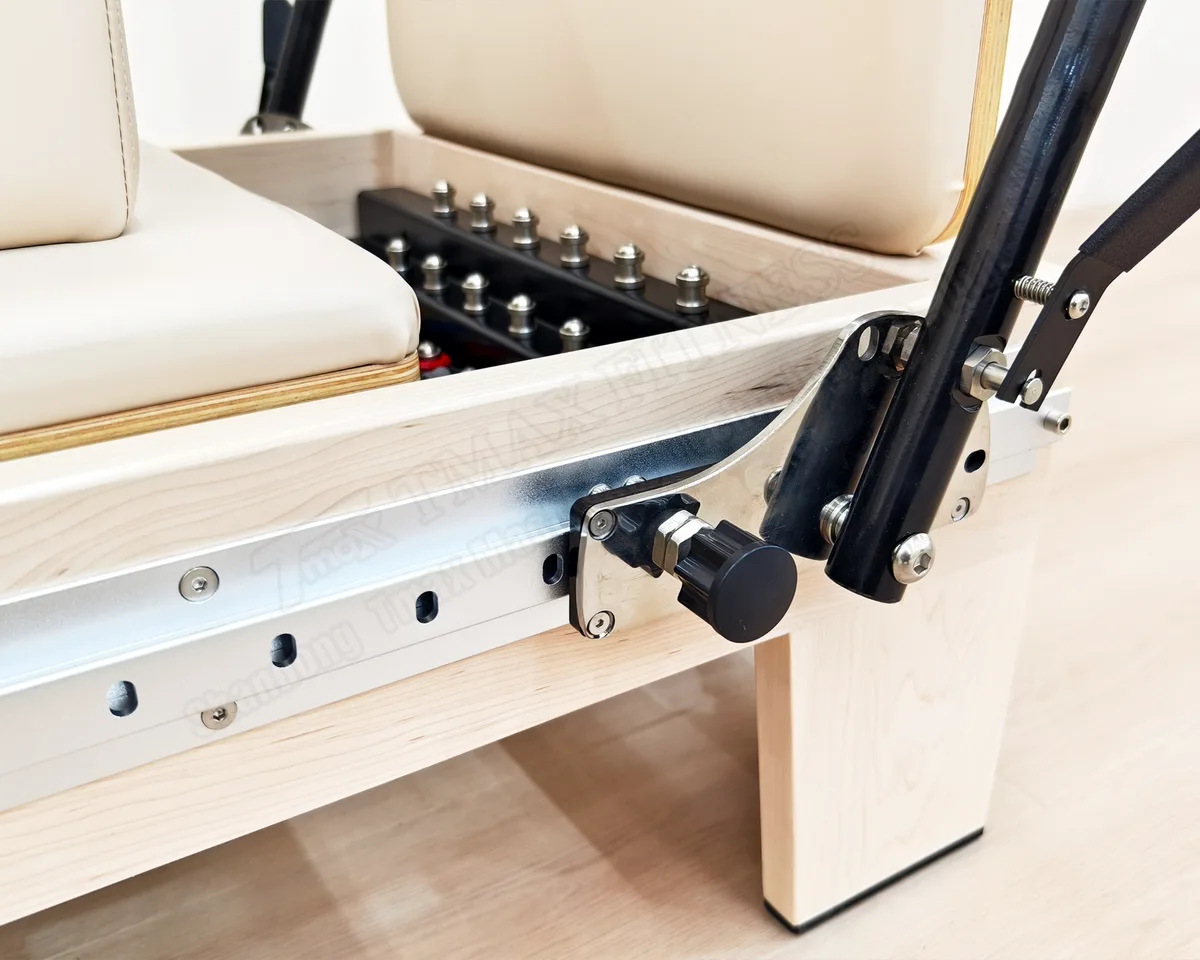
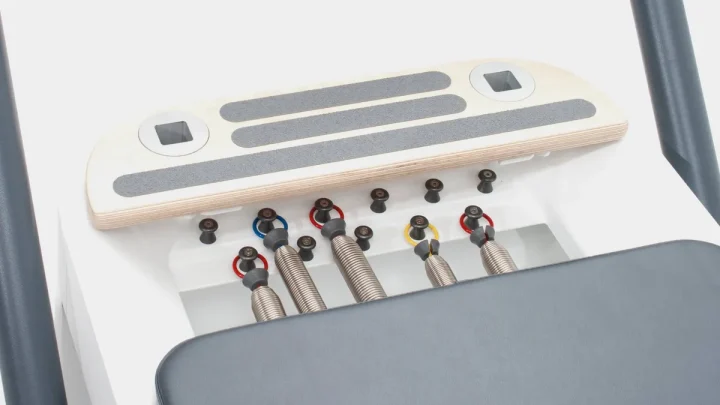
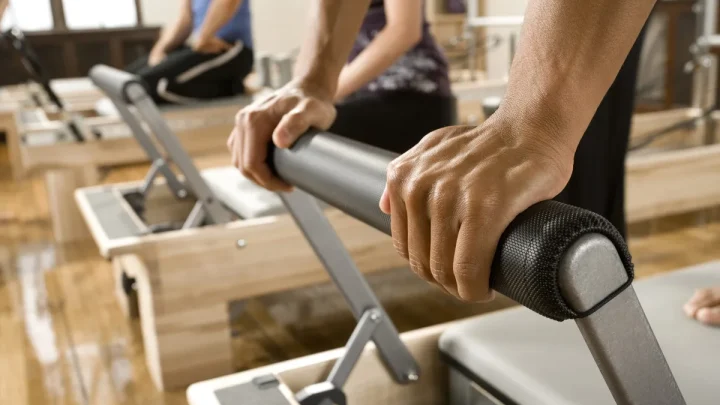
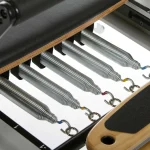
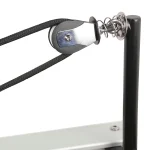
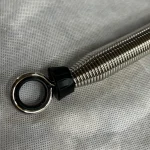
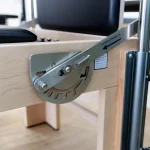
Image source: Bing (Web (fair-use with source credit))
Most commercial reformers use one of three core mechanical assemblies:
- Slide Blocks and Trunnions: These aluminum or polymer blocks slide inside the side rails, allowing horizontal travel along the frame.
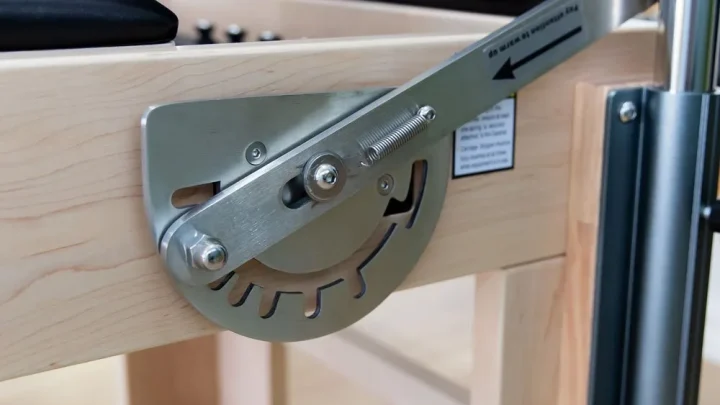
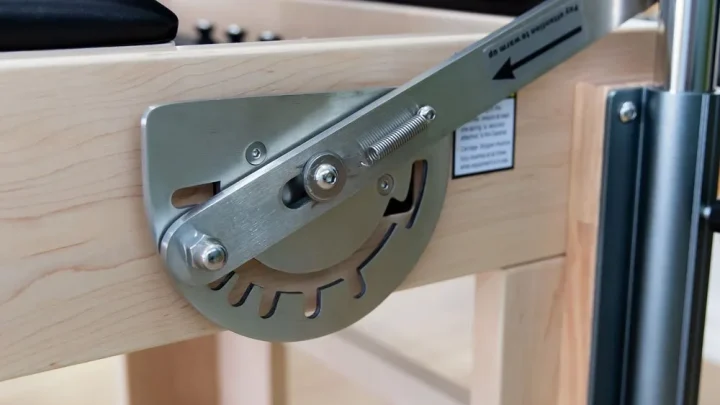
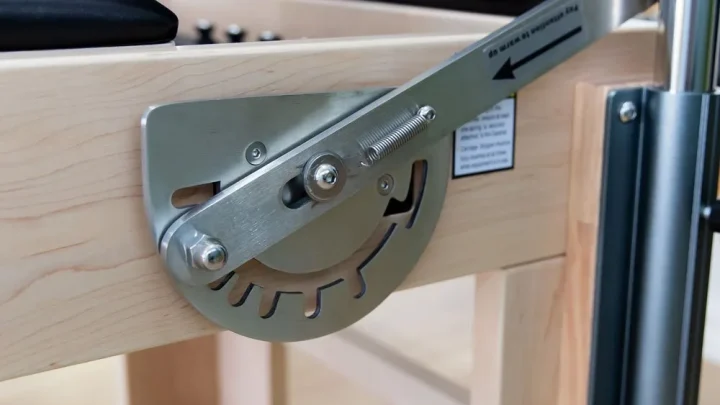
- Plunger Pins (Pop-Pins): Spring-loaded steel pins drop into indexed holes to lock the bar into different angles and heights.
- Cradle and Gearbar Brackets: Classical units drop the footbar support arm into fixed frame slots or gear positions.
When dirt enters the sliding channel, it rolls beneath the slide blocks. This turns smooth gliding into metal-on-metal scraping.
Similarly, if the pivot bolt holding the footbar arm to the bracket is torqued too tight, the nylon washer compresses. That friction makes lifting the bar feel like a workout on its own.
Diagnostic Flowchart: Pinpointing Why Your Footbar Won't Move
Use this decision logic to isolate the root cause before grabbing tools.
The Track-Slide System (Balanced Body Allegro Style)
If you have a continuous track system like the Balanced Body Allegro series, check horizontal motion first.
- If the footbar slides freely on one side but jams on the other: Your frame may be out of square. Check your floor level.
- If the bar feels gritty along the entire rail: Accumulated skin cells, sweat residue, and grip-sock lint have lined the track.
- If the locking slide lever will not release: The internal locking cam is caked in dust or the locking plate needs realignment.
The Spring-Loaded Plunger Pin System (Merrithew SPX / Peak Pilates)
If your reformer uses pull-knobs or pop-pins on the sides, test the pins independently.
- If the knob pulls out smoothly but the bar still will not tilt: The pivot bushings are dry or over-tightened.
- If the pin feels crunchy or fails to spring back: Dust has penetrated the pin housing and fouled the internal spring.
- If the pin lines up but will not enter the hole: The frame or footbar arm is slightly warped, misaligning the pin with the receiver hole.
The Classic Cradle and Gearbar Mechanism (Studio Wood Reformers)
Classical wood reformers use brass or steel support arms resting in slotted cradles.
- If the bar sticks in the cradle: Check for burrs on the brass rod or warped wood channels caused by studio humidity shifts.
- If changing the gearbar location is difficult: Check the carriage stop brackets for alignment and debris.
Step-by-Step Fixes for Stiff or Stuck Footbars
Once you identify the mechanical issue, follow these steps to restore effortless movement.
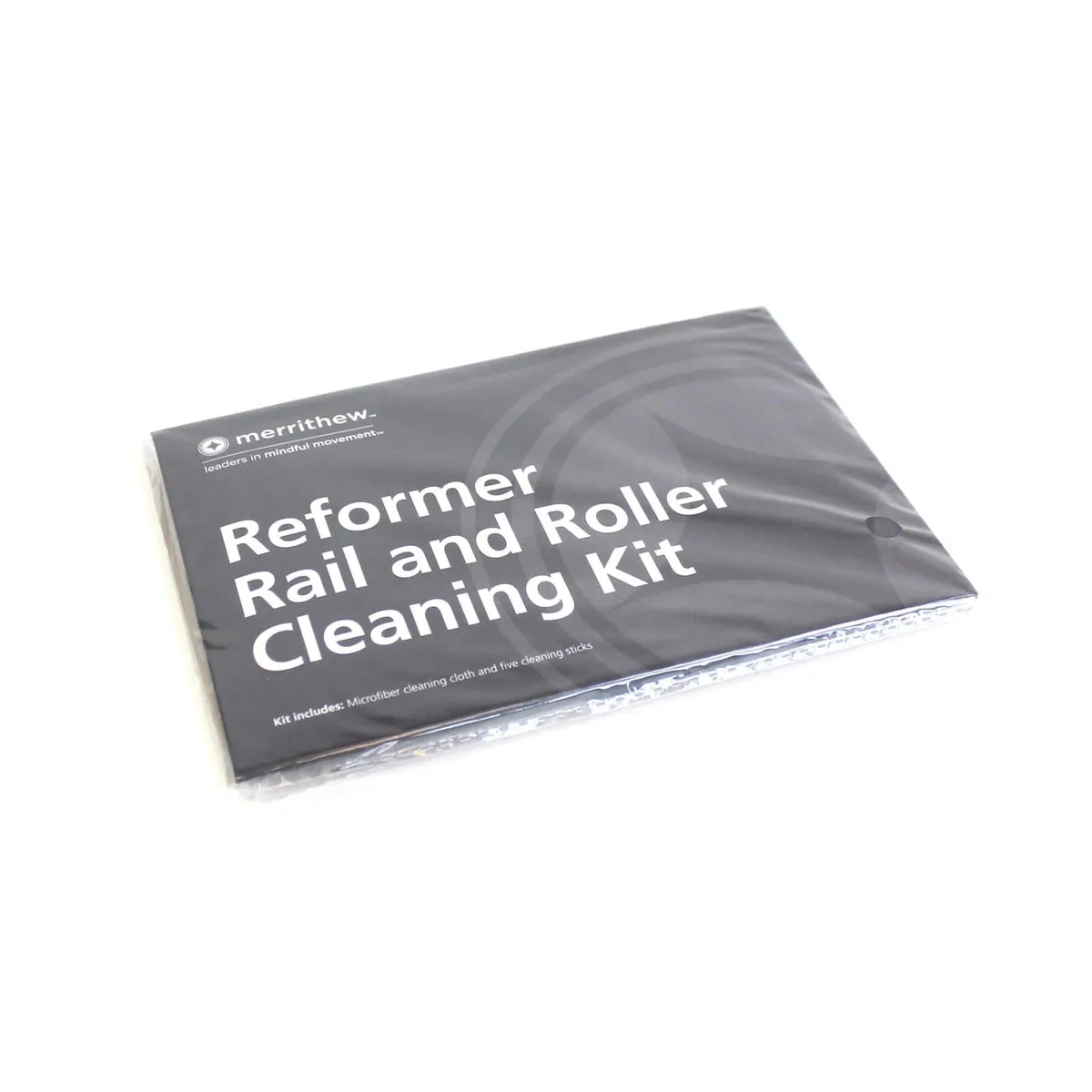
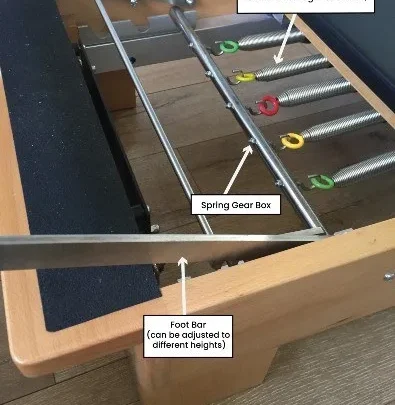
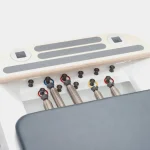
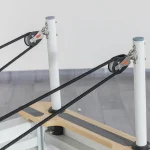
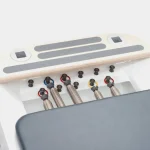
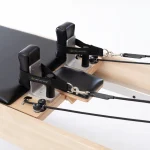
Image source: Web (Bing) / merrithew.com (Web image (fair-use with source credit))
Step 1: Clear the Hidden Debris and Grime
Black residue inside aluminum extrusions is the most common cause of stuck slide mechanisms. This residue is a mixture of dust and microscopic aluminum shavings.
- Disengage the footbar locks and slide the bar to one end of the frame.
- Spray a lint-free microfiber towel with 70% isopropyl alcohol. Never spray liquid directly into the rails.
- Wrap the cloth around a flat plastic tool or your finger, then wipe the interior grooves of the track.
- Repeat on the opposite rail until the cloth comes away clean.
Step 2: Correct Frame Racking and Uneven Floor Torque
Reformer frames are rigid, but uneven flooring twists the frame rails out of parallel. This pinching binds the footbar slides.
- Place a spirit level across the head of the reformer and another across the foot end.
- If the bubble is off-center, adjust the leveling feet under the reformer legs.
- Check diagonal measurements from corner to corner across the frame to verify squareness.
Step 3: Service Dry or Seized Plunger Pins
Sticky spring pins make rapid height adjustments frustrating and unsafe.
- Pull the pin knob fully outward.
- Wipe away visible grit from the exposed pin shaft using a dry rag.
- Apply one drop of dry PTFE or silicone lubricant to the shaft.
- Work the pin in and out twenty times to distribute the fluid across the internal spring.
Step 4: Adjust Pivot Bolt Tension and Trunnion Play
Over-torqued hardware causes heavy friction on the pivot plates.
- Locate the main pivot bolt holding the footbar arm to the slider bracket.
- Use a hex key and socket wrench to loosen the locknut by exactly one-quarter turn.
- Test the bar swing. It should move smoothly under control without loose wobbling from side to side.
The Right and Wrong Ways to Lubricate Pilates Equipment
Using the wrong lubricant will ruin reformer mechanisms quickly. Standard wet oils attract hair and dust, creating an abrasive grinding paste inside the tracks.
According to maintenance documentation from Merrithew, you should never use petroleum-based solvents or household penetrating oils on reformer tracks or pins.
- Never Use Standard WD-40: Multi-use WD-40 leaves a sticky residue that traps dust and accelerates wear on anodized aluminum.
- Never Use Heavy Bearing Grease: Grease attracts studio debris and turns rock-hard over time.
- Always Use Dry Silicone or PTFE Spray: These sprays dry to a clean, non-greasy film that reduces friction without collecting grime.
- Always Use Clean Isopropyl Alcohol for Tracks: Most modern polymer slide blocks need no wet lubricant at all. Clean, dry aluminum provides the lowest friction.
Apply dry lubricants sparingly. Spray the lubricant onto a clean rag first, then wipe it onto the metal pins and pivots. Keep all lubricants off the padded footbar cover and standing platform.
Safe Operation and Lifting Technique to Prevent Binding
Improper handling causes many footbar jams during workouts. Lifting a footbar with one hand from the center naturally twists the crossbar.
This torque forces the slide blocks to angle diagonally inside the rail channels. Once cocked at an angle, the blocks lock instantly against the aluminum tracks.
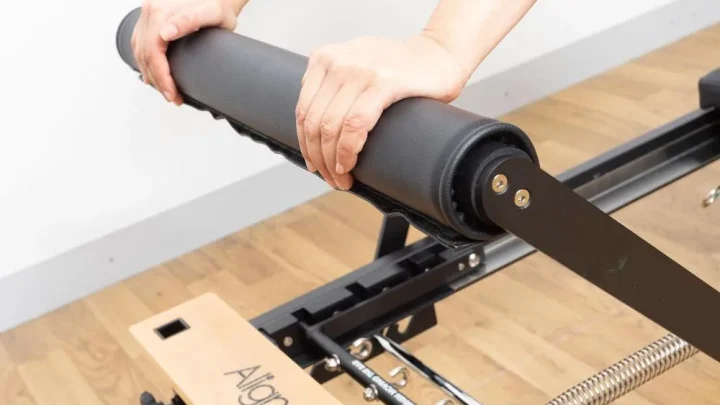
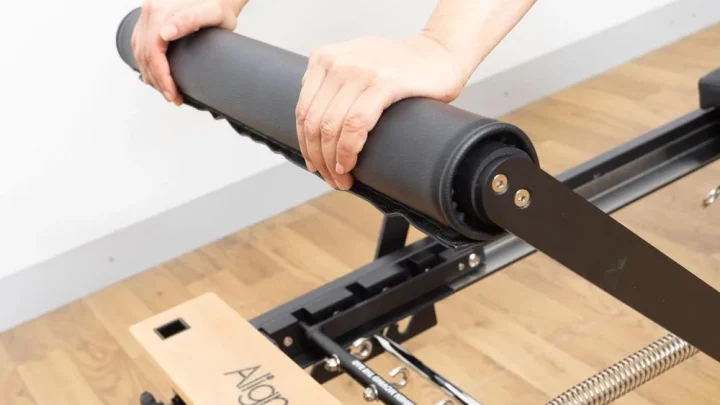
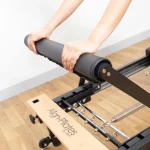
- Use a Two-Handed Bilateral Grip: Place your hands shoulder-width apart on the padded bar. Apply even upward force on both sides simultaneously before attempting to slide or tilt the bar.
- Disengage Locking Pins Completely: Pull pop-pins or slide levers all the way out before changing angles. Dragging a half-engaged pin scratches the adjustment plate and rounds off the locking edges.
- Follow the Click-to-Lock Protocol: Always listen for a clear, audible click on both sides when setting a new position. Give the bar a firm forward-and-backward shake to verify that both pins are fully seated before applying body weight.
Troubleshooting Sticky Footbars: Common Problems and Quick Fixes
When your footbar acts up during a session, use these targeted solutions to solve the specific mechanical roadblock.
- The Bar Skews Diagonally When Sliding: One trunnion block has higher friction than the other. Clean both tracks thoroughly, then loosen the tighter side bracket screw by an eighth of a turn to balance sliding resistance.
- The Plunger Pin Stays Retracted: The internal return spring is jammed with lint or dried sweat. Remove the pin knob assembly, soak the spring in isopropyl alcohol, let it dry, and apply one drop of dry silicone spray before reinstalling.
- The Footbar Rattles After Locking: The pin is locked in the hole, but the pivot hardware has backed out. Tighten the pivot locknut until the lateral wobble disappears while still allowing the bar to swing freely.
- The Footbar Will Not Drop to the Flat Position: Check the carriage stoppers and gearbar placement. Misaligned carriage bumpers or misplaced gear blocks often obstruct the lowest drop angle.
Frequently Asked Questions About Reformer Maintenance
How often should I clean my reformer footbar tracks?
Clean the tracks once a week in commercial studios and once a month on home equipment. Wipe the inside channels with a microfiber towel lightly dampened with 70% isopropyl alcohol. Regular cleaning prevents studio dust and grip-sock lint from turning into sticky black grime.
Can I use WD-40 to loosen a stuck footbar?
No, you should never use standard WD-40 on your reformer. Standard WD-40 leaves an oily film that attracts dust, pet hair, and dirt. This residue turns into an abrasive paste that damages anodized aluminum rails.
Use dry silicone or PTFE spray instead.
Why does my footbar adjust easily without weight but jam during class?
Dynamic client weight flexes the reformer frame slightly under load. If your floor is uneven or the frame leveling feet are misaligned, this flex pinches the slide blocks inside the tracks. Level your frame to eliminate uneven torque across the rails.
Is it dangerous if the footbar pin does not fully click into place?
Yes, a partially seated pin can suddenly disengage during exercises like planks, lunges, or footwork. This can cause the footbar to collapse under full body weight and lead to injury. Always shake the bar to confirm both pins are fully locked.
When should I replace the footbar plunger pins or bushings?
Replace plunger pins if the internal spring loses tension or the pin tip becomes visibly rounded. Replace pivot bushings if you notice side-to-side play that remains even after tightening the pivot bolt. Most studios replace these wearable parts every three to five years.

Similar Posts