How to Fix a Stiff Reformer Footbar (Easy Guide)
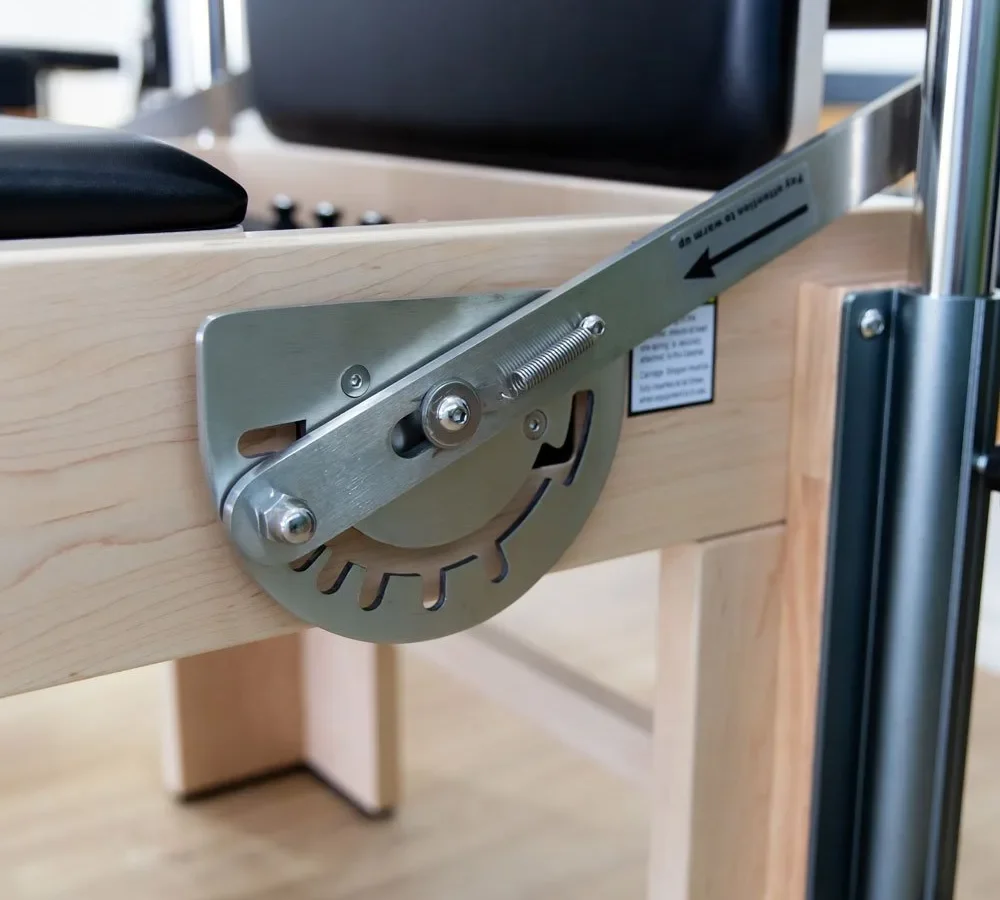
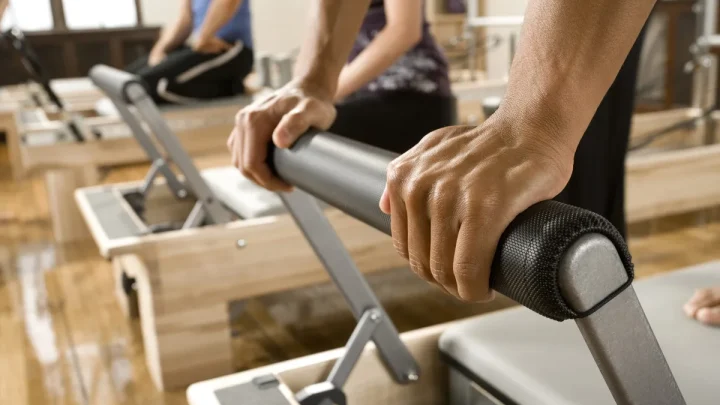
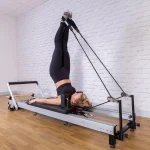
A jammed or sticky footbar disrupts the flow of a Pilates workout and creates a genuine safety risk. Learning how to fix a stiff reformer footbar mechanism is straightforward once you know where friction builds up in the hardware. Most stiffness comes down to trapped studio debris, dried factory lubricants, or misaligned pivot hardware.
Fitness equipment safety standards from organizations like ASTM International highlight that locking mechanisms on commercial exercise gear must fully engage to prevent accidental release. A properly maintained footbar should glide between positions smoothly and lock securely with minimal manual effort.
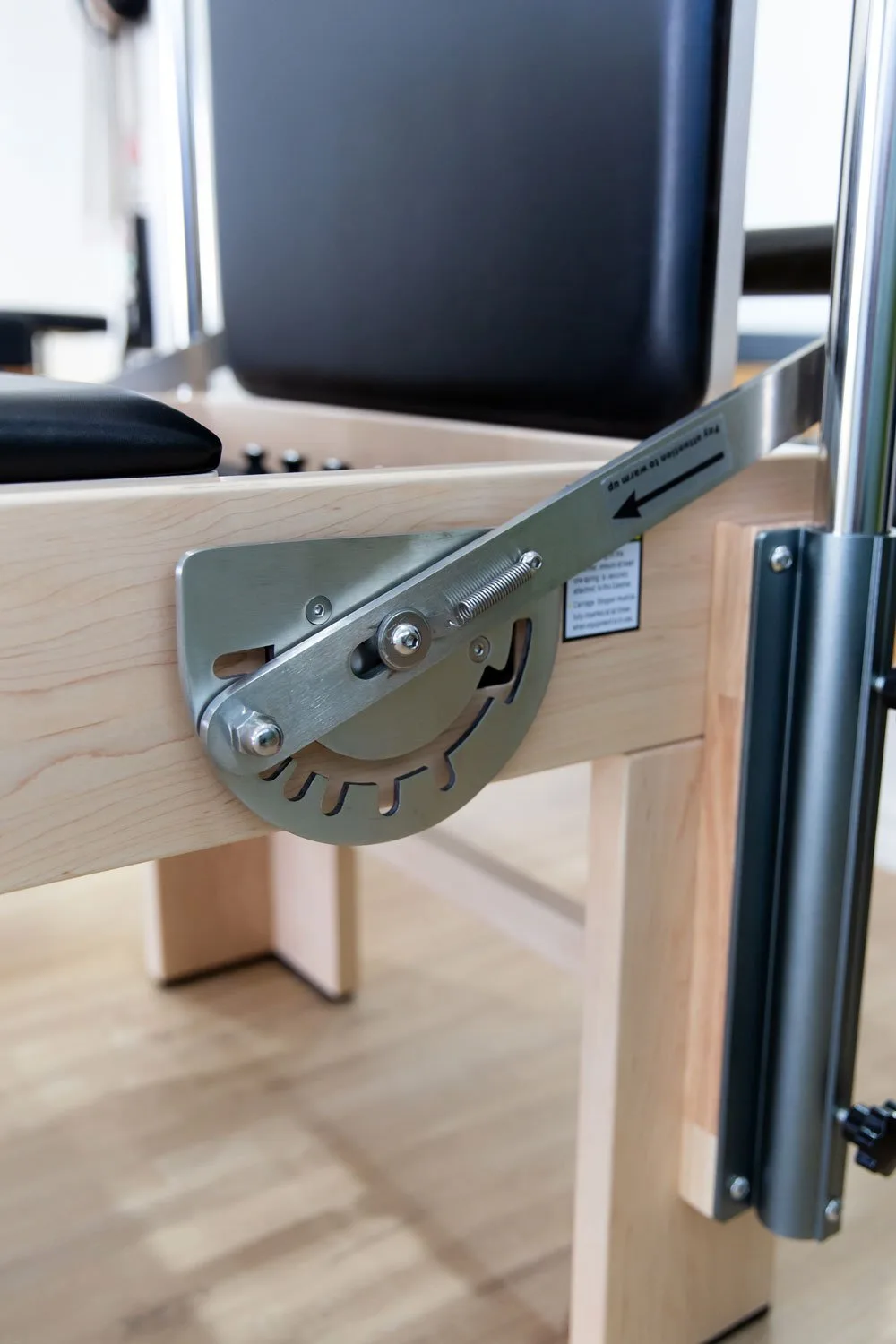
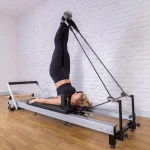
Image source: Bing (Web (fair-use with source credit))
Quick Answer
To fix a stiff reformer footbar mechanism, first clean the parts with isopropyl alcohol. Remove built-up dust, hair, and old grease. Spray sliding pins and tracks with dry PTFE lubricant.
Never use standard wet oils like WD-40. Adjust the pivot bolts to remove binding while keeping lateral play minimal. Always test the locking pins under load before use.
Why Reformer Footbars Get Stiff (and Why Brute Force Is Dangerous)
Forcing a stiff footbar is the fastest way to turn a minor maintenance task into an expensive repair. When a footbar resists movement, yanking on the bar bends the internal selector pins and scores the aluminum channels. It can also strip the threaded hardware mounted inside your reformer frame.
Anatomy of Your Footbar Mechanism: Pins, Trunnions, and Bushings
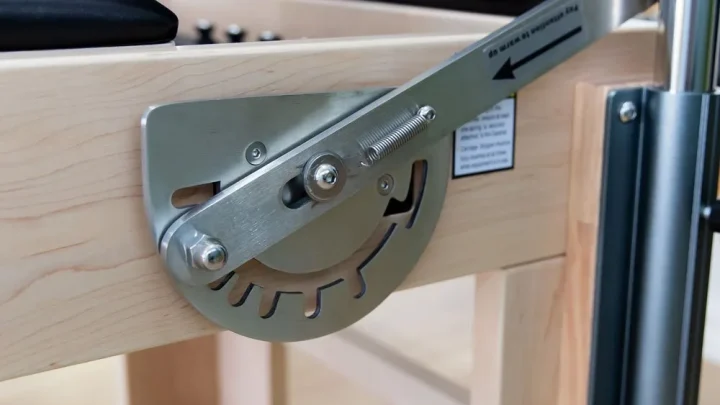
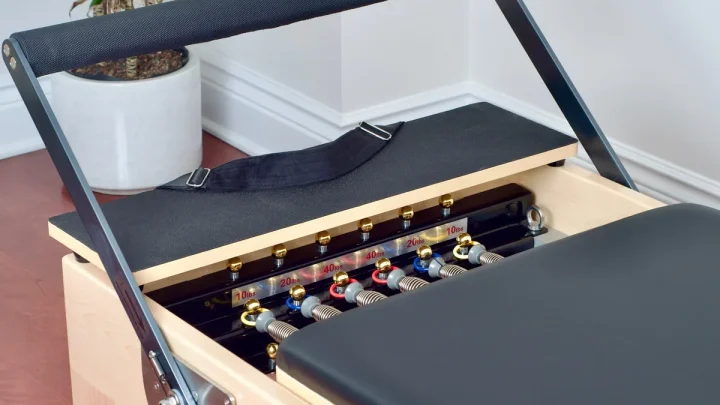
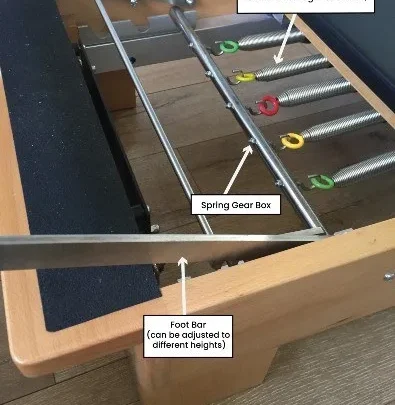
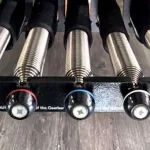
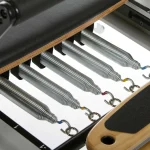
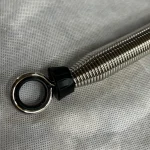
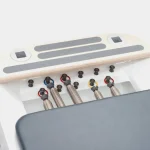
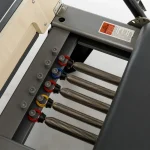
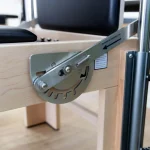
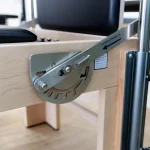
Most modern reformers rely on three primary components to control footbar motion. Spring-loaded plunger pins retract to let the bar change angles. Trunnion slide plates allow horizontal travel along the side rails.
Low-friction nylon or Delrin bushings sit between the pivot bolts and the frame to ensure smooth rotation.
The Real Culprits: Grit, Gummy Residue, and Mechanical Binding
Studio environments generate high amounts of airborne dust, grip-sock fibers, and hair. These particles settle into the exposed selector holes and slide tracks. When mixed with factory grease or sweat, they form a thick, abrasive paste that binds moving components.
Mechanical binding also occurs when the reformer frame shifts slightly out of square, causing the footbar arms to pinch inward against the side rails.
Diagnostic Workflow: Pinpointing Your Mechanism Type and Friction Source
Before grabbing your toolkit, isolate where the mechanical drag is originating. Different reformer designs use distinct adjustment systems, and each requires a specific troubleshooting approach.
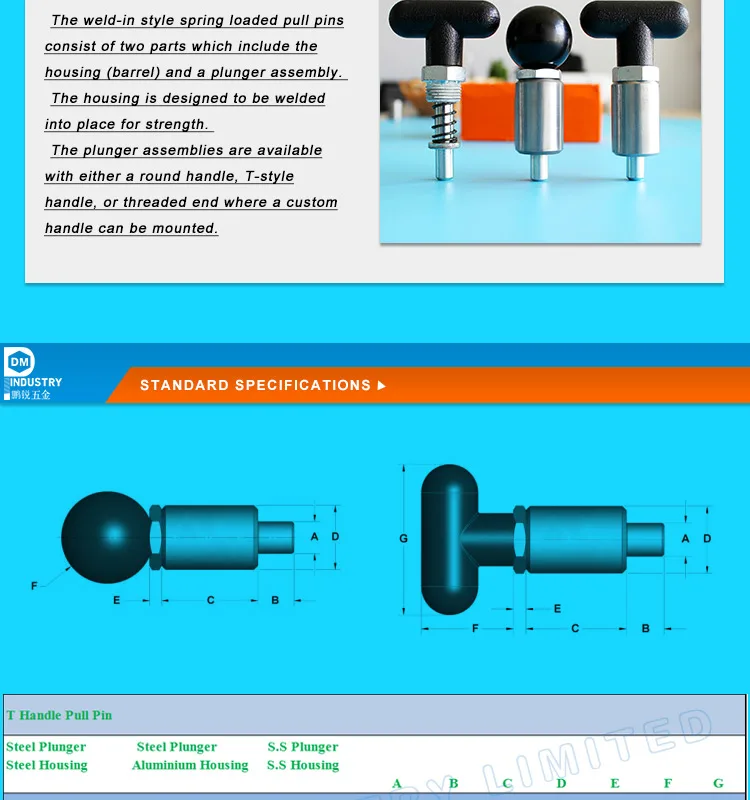
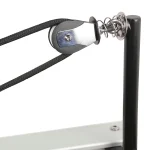
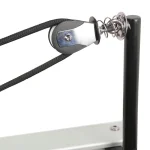
Image source: Bing (Web (fair-use with source credit))
Branch A: Spring-Loaded Plunger Pins and Selector Holes
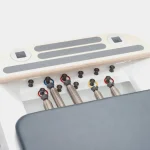
If your reformer uses pull-knobs that pop into indexed holes, check whether the pin retracts completely when pulled. If the knob feels gritty or fails to spring back instantly, debris is packed inside the pin housing or the internal spring has fatigued.
Branch B: Trunnion Blocks and Aluminum Slide Tracks
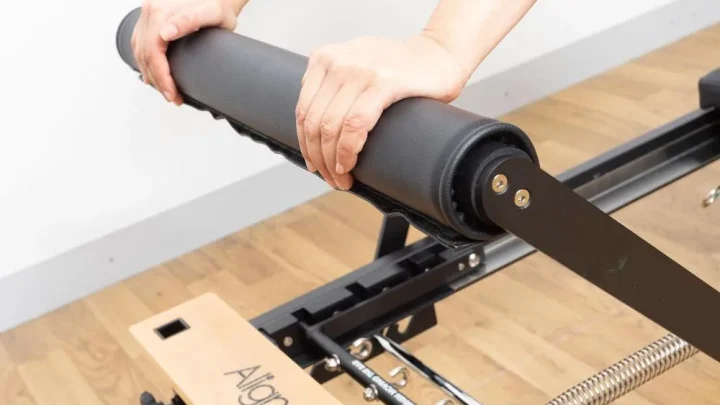
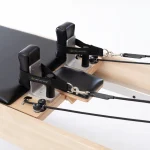
If your footbar slides along horizontal side rails, check the trunnion glides. Push the bar from the exact center with one hand. If the bar moves easily from the center but binds when pushed from one side, the trunnion plates are out of parallel alignment.
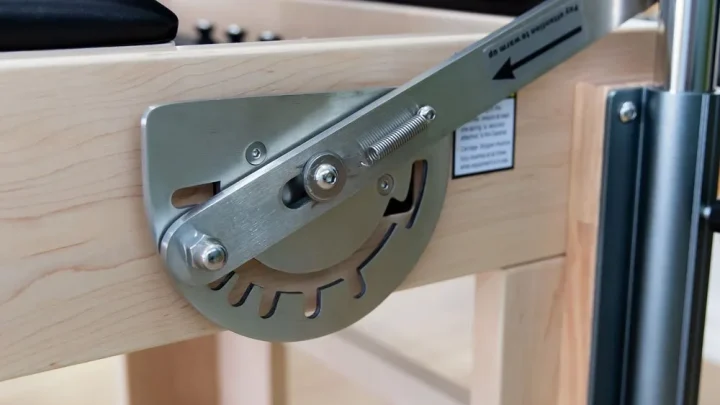
Branch C: Pivot Bolts, Bushing Sleeves, and Gearbar Brackets
If the stiffness occurs strictly while rotating the bar angle, the issue lies in the pivot hardware. Over-tightened shoulder bolts squeeze the nylon bushings, creating excessive axial friction. Worn or cracked bushings will cause metal-on-metal contact between the bar arm and the bracket.
| Mechanism Type | Primary Symptom | Root Cause | Immediate Action |
|---|---|---|---|
| Plunger Pin / Pull-Knob | Gritty pull, incomplete pin return | Packed lint or broken internal spring | Flush with alcohol, apply dry PTFE |
| Trunnion Slide Track | Bar binds when sliding along rails | Skewed plates or dirty track grooves | Clean rails, align trunnion squareness |
| Pivot Arm / Bushing | High resistance when changing bar angle | Overtightened pivot bolt, crushed bushing | Loosen bolt 1/4-turn, inspect bushing |
Essential Tools and the Golden Lubrication Rules
Using the wrong chemical lubricant on a reformer can permanently ruin plastic bushings and turn your rails into a dirt magnet.
What to Use: Dry PTFE Spray and Isopropyl Alcohol
Keep your maintenance kit simple and non-greasy:
- 90%+ Isopropyl Alcohol: Cuts through grime without leaving a residue.
- Dry PTFE Spray (Polytetrafluoroethylene): Dries to a slick, non-sticky powder that will not attract hair or dust.
- Microfiber Cloths: Removes debris without scratching anodized aluminum finishes.
- Hex Key Set and Socket Wrench: Sized for your reformer manufacturer (Imperial for Balanced Body, Metric for Merrithew).
What Never to Use: The WD-40 Trap and Heavy Greases
Standard WD-40 Multi-Use formula is a solvent and light petroleum oil. It dissolves factory nylon bushings, softens plastic slide pads, and attracts studio lint within days.
Similarly, automotive grease and white lithium paste should never be applied to open tracks or locking pins. These wet lubricants quickly turn into an abrasive sludge that wears down metal tolerances.
Step-by-Step Fix: Restoring Smooth Action by Mechanism Type
Follow these targeted repair steps based on your diagnostic results.
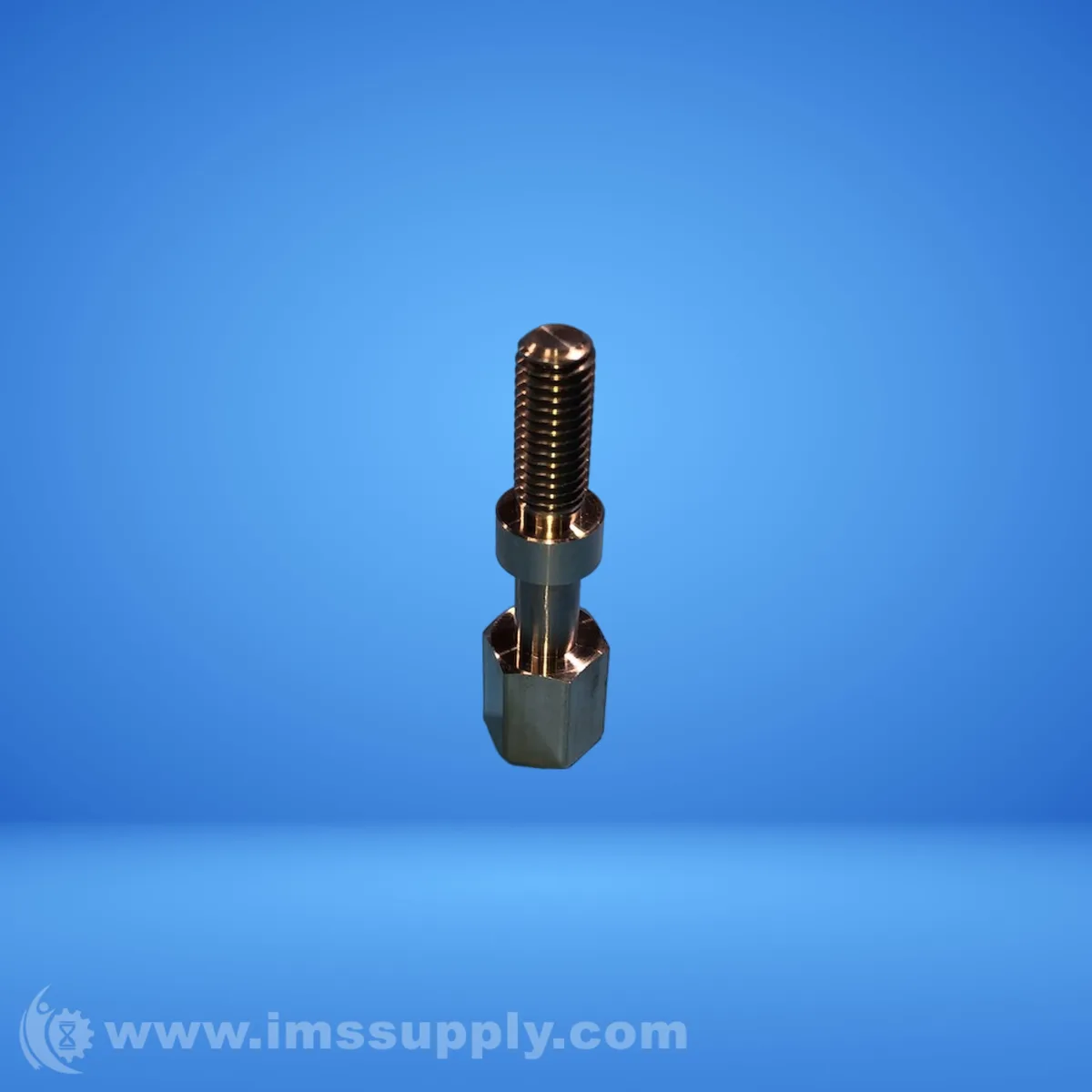
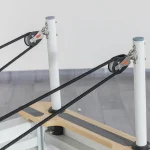
Image source: Bing (Web (fair-use with source credit))
Fixing Sticking Plunger Pins and Lock Collars
- Pull the pin fully outward and wipe the exposed shaft with an alcohol-dampened cloth.
- Clean out each selector hole along the frame using a cotton swab dipped in alcohol.
- Spray a quick burst of dry PTFE lubricant directly onto the pin shaft.
- Cycle the knob in and out twenty times to work the dry film into the barrel.
- If the pin remains sticky, unthread the plunger assembly from the footbar arm to check for a broken internal coil spring.
Realigning and Cleaning Trunnion Glides and Extrusion Tracks
- Wipe the full length of the aluminum side rails using isopropyl alcohol.
- Inspect the inside of the C-channel tracks for small pebbles, hair, or dried cleaning chemical deposits.
- Loosen the trunnion mounting bolts by one half-turn on both sides.
- Slide the footbar smoothly from the head-end to the foot-end to allow the plates to self-center.
- Retighten the mounting bolts evenly, alternating between the left and right sides.
- Apply a light coat of dry PTFE spray to the track glides.
Dialing in Pivot Bolt Torque and Bushing Alignment
- Hold the footbar pivot bolt with a hex key while stabilizing the locknut on the back side.
- Loosen the bolt by one quarter-turn counterclockwise.
- Test the rotation of the bar. It should lift and lower smoothly under its own weight without falling freely.
- Check for lateral play. If the bar wobbles side-to-side more than 1 millimeter, tighten the bolt by one eighth-turn.
- Inspect the Delrin washer. If it is flattened or cracked, replace it immediately to avoid frame scoring.
Safety-Critical Verification: The Load and Lock Testing Checklist
Never return a reformer to active studio rotation without verifying its mechanical integrity under realistic conditions. As of 2026, modern commercial studios enforce strict verification checks to safeguard clients during weight-bearing movements.
The "Listen and Wiggle" Positive Engagement Check
Whenever you adjust the footbar into a new position, train yourself to listen for a clear, audible click. Once the pin engages, firmly wiggle the footbar forward and backward.
The mechanism should have zero slide movement. If the pin sits halfway out of the indexing hole, do not use the machine.
Static Weight-Bearing Test Before Putting the Reformer in Service
- Lock the footbar into its standard high position.
- Attach all reformer springs to the carriage to anchor the base.
- Place both hands on the center of the footbar and apply downward body weight gradually.
- Repeat the downward pressure test on the far left and far right sides of the bar.
- Verify that neither the pivot joints nor the trunnion locks slip, click, or shift under a full downward load.
Common Maintenance Mistakes That Ruin Reformer Mechanisms
A few common maintenance habits can damage your reformer hardware instead of fixing it. Avoiding these missteps will keep the mechanism functioning smoothly for years.
Overtightening Pivot Hardware vs. Leaving Sloppy Lateral Play
Finding the correct balance on pivot bolts requires a delicate touch. Overtightening crushes the nylon or Delrin spacer washers. Once crushed, these washers create permanent rotational drag that lubricant cannot solve.
Backing the bolt out too far creates a dangerous wobble. If the footbar rocks side to side under body weight, the steel hardware will chew into the softer aluminum frame holes. Aim for zero lateral play while still allowing smooth rotation.
Ignoring Uneven Pulling Technique and Frame Racking
Pulling a footbar along slide tracks from one side forces the carriage frame to twist slightly. Over time, this uneven pulling pressure misaligns the trunnion plates.
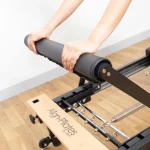
Always instruct clients and staff to adjust sliding footbars using two hands or by lifting from the dead center of the bar.
Uneven Pulling Force
       │
       ▼
Trunnion Plate Skews in Channel
       │
       ▼
Aluminum Rail Gets Scored
       │
       ▼
Mechanism Binds Permanently (Requires Track Replacement)
Long-Term Preventive Maintenance Schedule for Studios and Home Use
Consistent preventive care stops grit from turning into mechanical wear. Setting a recurring maintenance cadence keeps your equipment running smoothly and quietly.
Daily Wipe-Downs vs. Quarterly Deep Maintenance
Daily care takes less than two minutes per machine. Wipe down the top rail surfaces and footbar cover with a dry microfiber cloth to remove sweat, skin oils, and dust.
Every three months in a commercial studio (or once a year for home reformers), perform a deep service:
- Remove the footbar pivot bolts to clean old residue off the Delrin bushings.
- Flush out all selector holes along the frame with 90%+ isopropyl alcohol.
- Coat sliding pins, detents, and slide channels with dry PTFE spray.
- Inspect all fasteners for loose nuts, stripped threads, or missing lock washers.
Signs a Component Is Worn Out and Needs Full Replacement
Some mechanical issues cannot be solved with cleaning and lubrication. If you spot any of the following warning signs, replace the sub-assembly immediately:
- Deep Rail Scoring: Grooves cut into the aluminum extrusion channels that catch the glides.
- Bent Plunger Pins: Pins that fail to retract cleanly even when the housing is degreased and lubed.
- Cracked Bushings: Flattened, split, or missing nylon washers at the pivot brackets.
- Stripped Thread Inserts: Frame bolts that spin freely without tightening down to spec.
Frequently Asked Questions About Reformer Footbar Repairs
Can I use silicone spray instead of dry PTFE on my reformer?
Yes, you can use 100% dry silicone spray, but dry PTFE remains the preferred option. Standard wet silicone lubricants leave a slick film that can attract studio dust and hair over time. Always avoid multi-purpose solvent oils like standard WD-40.
Why does my footbar stick only when sliding in one direction?
Sticking in one direction usually indicates that the trunnion glides are out of square with the frame rails. Loosen the trunnion bracket bolts slightly. Slide the bar back and forth several times to center the plates, then retighten the bolts evenly.
How tight should the footbar pivot bolts be?
Pivot bolts should be snug enough to eliminate side-to-side play while still letting the bar rotate freely. A good rule of thumb is tightening the bolt until fully seated, then backing it off by one eighth to one quarter-turn.
Why does my footbar wobble after adjusting the stiffness?
A wobbling footbar means the pivot bolts are too loose or the internal nylon bushings have worn down. Tighten the pivot bolt by one eighth-turn increments. If the wobble persists without overtightening, replace the flattened nylon spacer washers.
How often should studio footbar mechanisms be lubricated?
Commercial studio footbars should be cleaned and lubricated with dry PTFE spray every three to six months. Reformers in busy group-class settings may require monthly cleaning of the selector holes to clear out hair, lint, and grip-sock fibers.

Similar Posts