Why Your Pilates Reformer Moves (And How to Stop It)
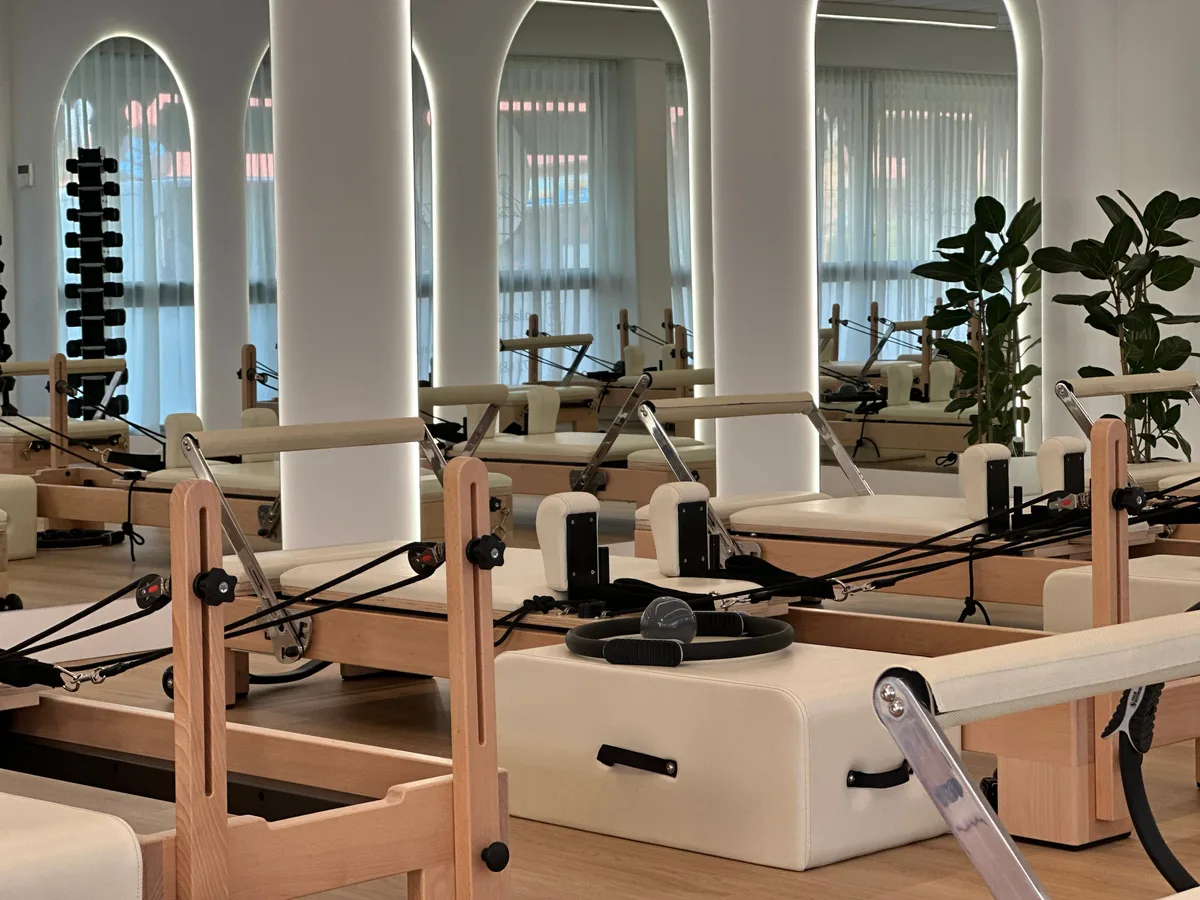
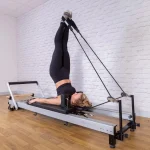
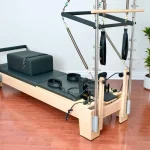
You press out against the footbar, and suddenly your whole frame shifts across the floor. If you are wondering why does my reformer move when I exercise, you are not alone. Unwanted machine drift disrupts your rhythm and creates real safety hazards during standing work.
Most commercial studio reformers weigh between 140 and 250 pounds, while home folding frames often weigh under 90 pounds. Lighter frames shift much faster under dynamic horizontal shear forces. Let us look at what makes your machine travel and how to secure it.
Image source: Bing (Web (fair-use with source credit))
Quick Answer
Pilates reformers move when exercise forces exceed base floor friction. Lightweight frames slide easily across smooth hardwood or tile surfaces. Uneven leveling feet cause rocking and frame walking.
Aggressive carriage recoil also pushes the entire frame forward. Placing a dense equipment mat stops sliding immediately.
The Real Physics Behind Why Your Reformer Slides or Rocks
Every movement on a Pilates reformer creates opposing mechanical forces. When you push away from the footbar, your body transfers energy through the carriage springs into the main frame. If that horizontal force exceeds the static friction between your machine legs and the floor, the frame travels.
Carriage momentum plays a major role in this movement. As the carriage returns home, tension pulls it back toward the gearbar. If you do not decelerate the carriage with controlled muscle engagement, it hits the rubber bumper stops.
That sudden stop dumps kinetic energy directly into the frame, shunting the reformer forward.
Machine weight also dictates how much force your setup can handle without shifting. Heavy maple wood frames resist horizontal movement simply through mass. Lightweight aluminum or folding home models have lower inertia.
Without proper anchoring, regular footwork or jumpboard routines will cause them to creep across the room.
+-------------------------------------------------------------------+
|                     THE REFORMER MOTION CYCLE                     |
|                                                                   |
|   1. PRESS OUT          2. ECCENTRIC RETURN     3. IMPACT STOP    |
|   Carriage glides       Springs pull carriage   Carriage hits     |
|   away from footbar     back toward home base   bumper stops      |
|         │                        │                     │          |
|         ▼                        ▼                     ▼          |
|   Horizontal shear      Controlled muscles      Unchecked force   |
|   pushes against        counteract spring       shunts frame      |
|   the floor surface     tension recoil          across floor      |
+-------------------------------------------------------------------+
Diagnostic Decision Tree: Pinpointing Your Root Cause
To stop your reformer from moving, you must identify where the motion originates. Follow this diagnostic workflow to find your specific issue:
- Step 1: Check the movement direction. If the reformer slides forward during carriage return, the issue is carriage bumper impact or lack of base grip. If it slides sideways, the cause is uneven lateral force during standing exercises.
- Step 2: Check for diagonal rocking. Stand near the center and push down on opposite corners. If the frame rocks or clatters, your leveling feet are uneven.
- Step 3: Check your floor interface. Look under the feet. Smooth plastic glides on bare hardwood or tile provide almost zero friction.
- Step 4: Check your spring setup. If the machine shifts only during light-spring exercises, your carriage may be bouncing off the stops due to rapid recoil.
| Symptom | Primary Cause | Immediate Fix |
|---|---|---|
| Inching forward during footwork | Bumper impact / momentum dumping | Control eccentric return; add rubber pads |
| Frame rocks corner to corner | Uneven leveling glides | Adjust threaded leveling feet |
| Lateral drift during side splits | Low floor friction coefficient | Install a high-density PVC equipment mat |
| Creeping on low-pile carpet | Carpet pile deformation | Use rigid castor cups or non-slip rubber mats |
Flooring and Grip Fixes for Hardwood, Tile, and Carpet
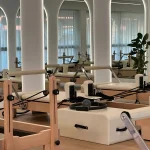
Your floor surface determines how much grip your machine needs. Polished hardwood, laminate, and glazed tile offer very low friction. Bare plastic factory feet will slide on these surfaces during almost any dynamic exercise.
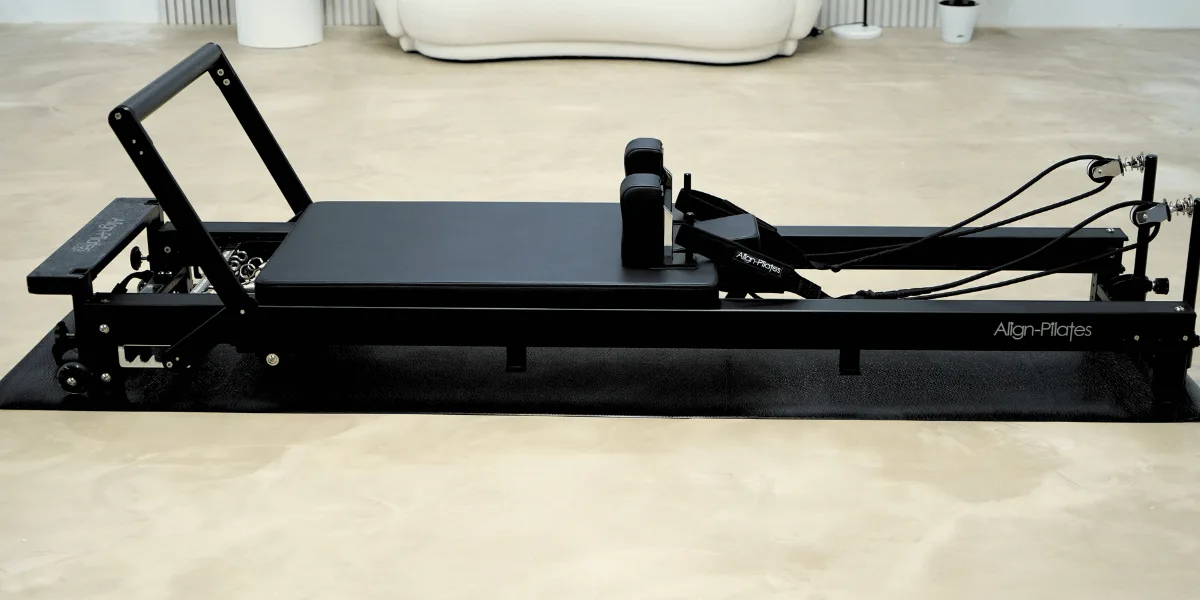
Image source: Bing (Web (fair-use with source credit))
Do not place a standard yoga mat under your reformer. Soft yoga mats compress unevenly, stretch under tension, and destabilize the frame. Instead, use a dense, closed-cell PVC or natural rubber equipment mat between 4 mm and 6.5 mm thick.
Dense mats absorb vibration without allowing the frame to sink or flex.
Carpet presents the opposite issue. Thick carpet pile bunches up under the machine feet, causing the reformer to tilt. For carpeted rooms, place dense rubber castor cups or a rigid equipment mat under the legs.
This spreads the machine weight evenly and prevents carpet creep.
Frame Mechanics: Eliminating Wobble, Racking, and Uneven Feet
A reformer that rocks from corner to corner creates structural instability. When one foot lifts off the ground, the entire frame experiences racking, which is an uneven twisting of the structural joints. Over time, this loosens bolts and wears out carriage wheel bearings.
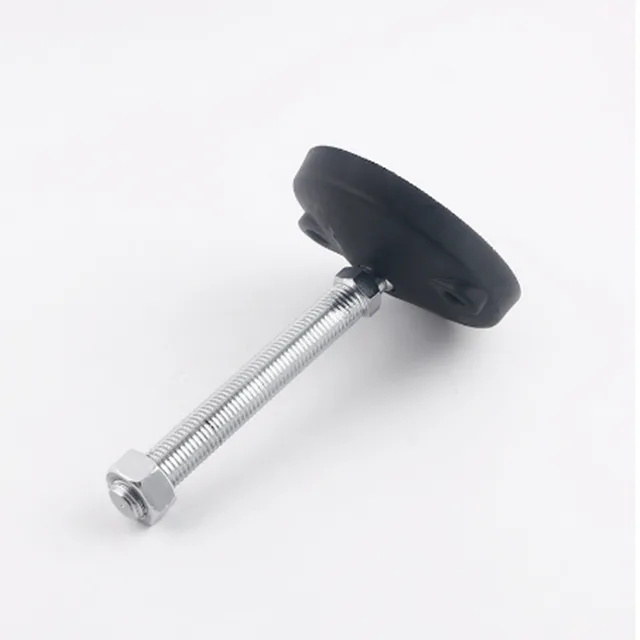
Image source: Bing (Web (fair-use with source credit))
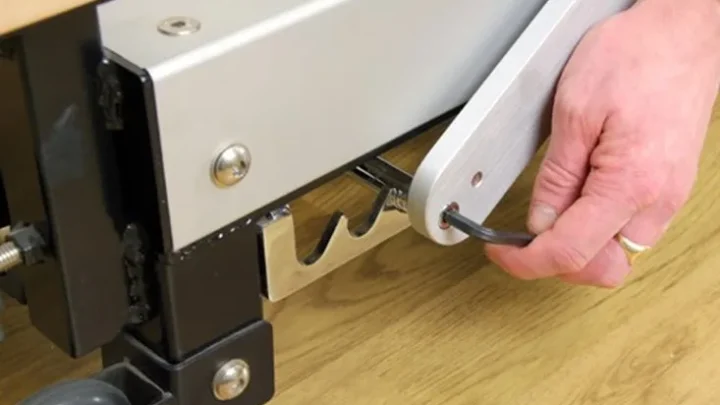
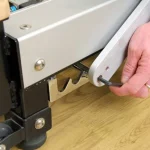
Most commercial and quality home reformers feature threaded leveling feet underneath each corner leg. To level your machine properly, follow these steps:
- Loosen the locking nut on each leveling glide.
- Place a spirit level across the front and rear crossbars.
- Thread the lowest feet downward until all four contact points touch the floor firmly.
- Push down firmly on alternate diagonal corners to verify that all rocking is eliminated.
- Tighten the locking nuts against the frame bracket to lock the height in place.
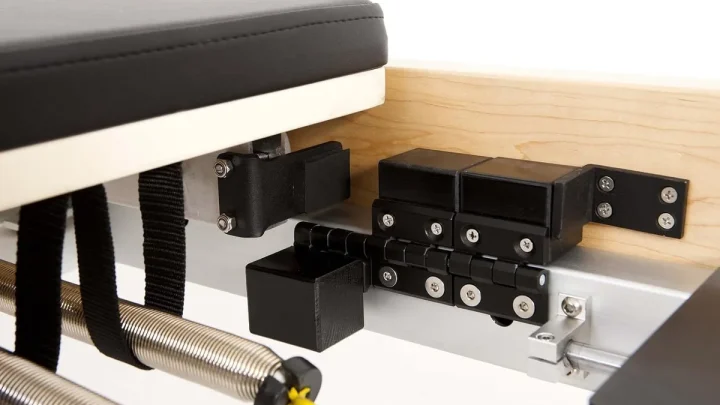
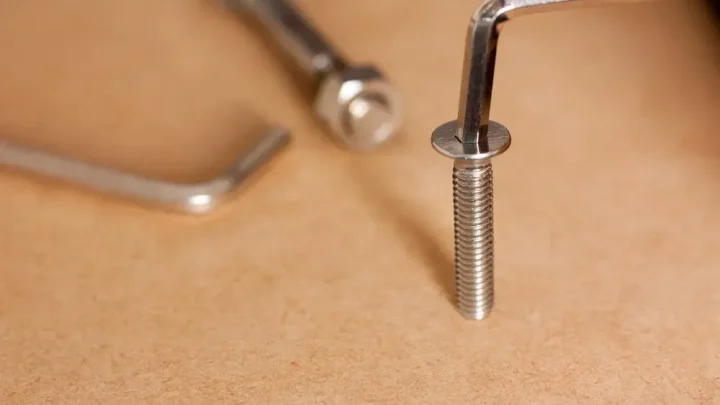
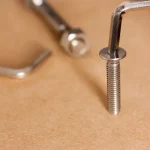
Check your frame hardware every few months. Bolts on the leg attachments, footbar brackets, and riser posts naturally loosen from vibration. Keeping these fasteners torqued prevents unwanted structural play.
Biomechanics and Spring Setup: Stopping Momentum Dumping and Carriage Slam
Machine movement is often caused by exercise technique rather than equipment flaws. The most common technical error is dumping momentum at the end of a repetition. When you let the springs snap the carriage back against the stoppers, the shock load transfers directly into the floor frame.
Focus on the eccentric phase of every repetition. Resisting the spring pull as the carriage returns builds muscular control and prevents the carriage from slamming. The carriage should gently touch the bumper stops without making a knocking sound.
+-------------------------------------------------------------------+
|                SPRING RESISTANCE AND STABILITY GUIDE              |
|                                                                   |
|   EXERCISE TYPE         SPRING TENSION        STABILITY FOCUS     |
|   Footwork / Leg Press  3 to 4 Heavy Springs  Smooth deceleration |
|   Long Stretch / Plank  1 to 2 Springs        Prevents foot slip  |
|   Jumpboard Intervals   2 to 3 Springs        Absorbs push force  |
|   Standing Side Splits  1 Light Spring        High grip required  |
+-------------------------------------------------------------------+
Cardio jumpboard workouts generate the highest horizontal push forces. When jumping, you land and push off horizontally from a fixed vertical plate. To keep the frame grounded, ensure your jump landings articulate toe-ball-heel while your core stabilizes the carriage return.
Equipment safety standards from organizations like ASTM International emphasize that dynamic fitness machines require secure, stable foundations during full load cycles. As of 2026, many modern home studios combine proper eccentric braking form with high-traction floor pads to keep their machines firmly anchored.
Stability Gear Guide: What Works (and What Damages Your Frame)
Not all grip accessories protect your equipment or floor equally. Using the wrong floor pad can warp your frame joints or accelerate wheel wear.
Heavy equipment mats made of dense, closed-cell PVC or recycled vulcanized rubber offer the best foundation. Look for rubber with a Shore A durometer hardness rating between 60A and 80A. This density provides firm traction without allowing the reformer legs to sink.
Soft interlocking EVA foam tiles and thick yoga mats should be avoided. These materials compress unevenly under dynamic loads. When the frame sinks into soft foam during unilateral exercises, the carriage rails twist out of alignment.
| Stability Accessory | Surface Grip | Frame Safety | Best Use Case |
|---|---|---|---|
| High-Density PVC Mat (4–6 mm) | High | Excellent | Hardwood, laminate, vinyl, and tile floors |
| Non-Marking Rubber Castor Cups | High | Good | Spot anchoring on low-pile commercial carpet |
| Interlocking EVA Foam Tiles | Moderate | Poor (causes frame flex) | Not recommended for precision reformers |
| Felt Furniture Pads | Zero | Poor (causes sliding) | Never use under active exercise equipment |
If you need a low-profile fix, heavy-duty anti-vibration rubber isolation pads placed directly under each corner foot work exceptionally well. They grip smooth surfaces firmly and dampen acoustic vibration in multi-story apartments.
Frequently Asked Questions
Can a sliding reformer damage my hardwood floors?
Yes. When an unpadded reformer shifts under load, friction and grit grind the machine feet against the floor finish. This creates deep scratches and wear grooves in hardwood and laminate.
Placing a dense equipment mat or non-marking rubber pads under the frame protects your flooring from gouges.
Why does my reformer slide only during jumpboard workouts?
Jumpboards convert vertical jumping forces into horizontal shear thrust against the frame. This dynamic force pushes directly against floor traction. Lighter home frames slide easily during jumping unless anchored by high-grip rubber pads.
Landing with controlled eccentric foot articulation also reduces the shock transferred to the frame.
Are folding home reformers more prone to moving than studio models?
Yes. Folding home models generally weigh between 50 and 90 pounds, compared to 150 to 250 pounds for studio frames. Lower mass means less natural inertia to resist horizontal forces.
Folding frames also feature central hinge joints that require rigid, level surfaces to prevent frame flex during exercise.
Will putting a yoga mat under my reformer stop it from slipping?
A standard yoga mat provides temporary friction, but it is not safe for long-term use. Yoga mats are too soft and stretchy. Dynamic exercise causes soft mats to bunch up and allows the machine frame to tilt.
Use a dedicated high-density equipment mat instead.
How often should I check and tighten the frame bolts?
Inspect your reformer hardware every three to six months for home setups, or monthly in busy studios. Dynamic movement and carriage vibration gradually loosen bolts around leg brackets and footbars. Keeping hardware properly tightened prevents structural frame racking and stops unwanted machine wobble.

Similar Posts