How to Protect Your Carpet Under a Pilates Reformer
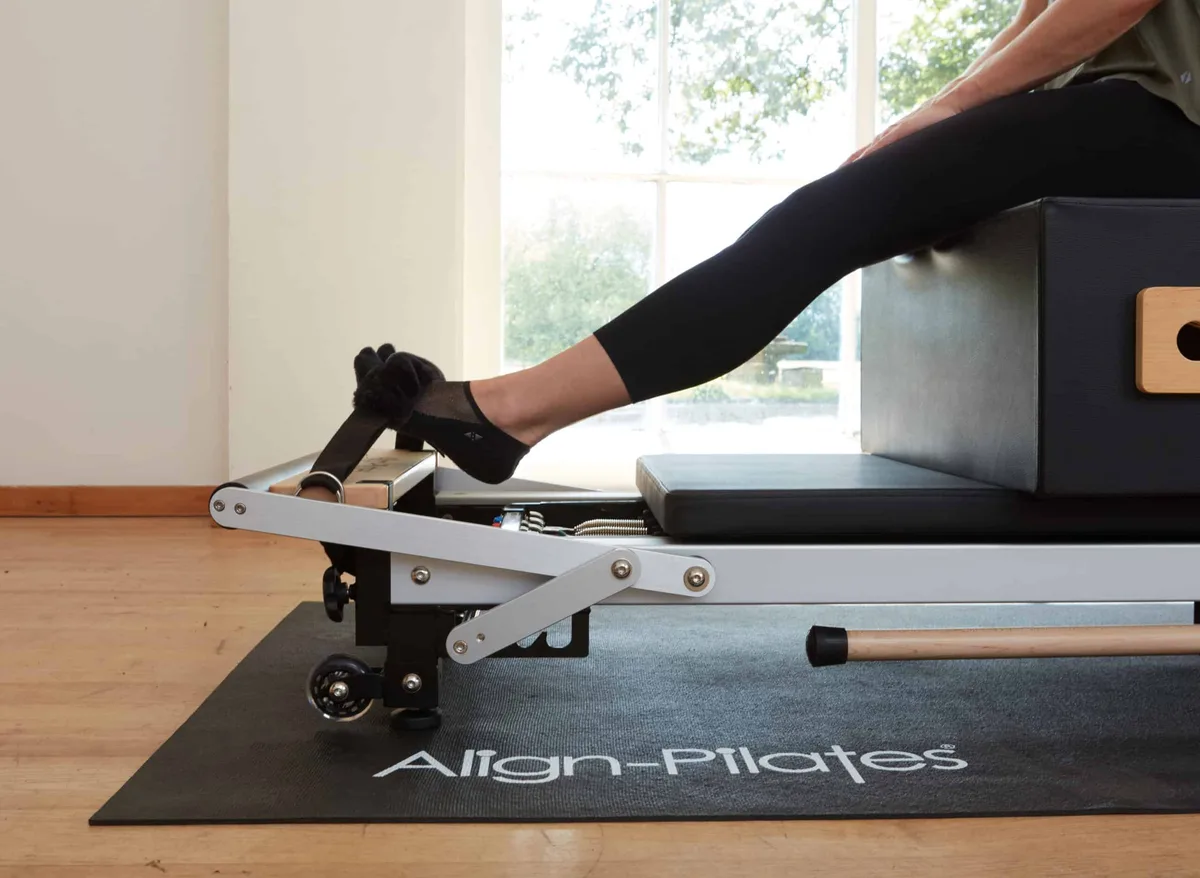
Image source: Bing (Web (fair-use with source credit))
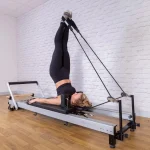
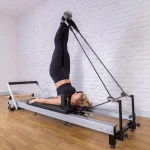
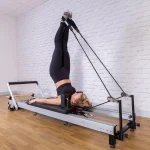
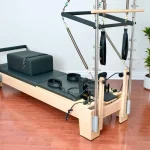
Setting up a home studio brings great convenience, but knowing how to protect carpet under a pilates reformer is essential to avoid permanent flooring damage. A standard reformer concentrates heavy point loads on four to six small contact feet. Without proper floor protection, dynamic carriage movement quickly crushes carpet fibers and stretches the backing.
Pilates reformers weigh between 100 and 250 pounds, with user movement increasing total dynamic forces past 400 pounds. According to textile performance data from the Carpet and Rug Institute, prolonged point-load pressure causes irreversible fiber crushing without a load-dispersing barrier. Finding the right solution depends on matching your specific carpet pile with the correct protective base.
Quick Answer
Learn how to protect carpet under a pilates reformer using layered protection. Place a high-density PVC equipment mat under the machine frame. For plush carpets, add a rigid plywood board beneath the mat.
Use heavy-duty rubber caster cups under each leg to distribute point loads.
The Physics of Pilates on Carpet: Why Mats Alone Aren't Always Enough
A stationary reformer creates significant static pressure. When you add dynamic exercises like jumpboard intervals or heavy spring lunges, that downward force multiplies. The machine shifts laterally across the floor, grinding the carpet yarn back and forth against the primary backing.
Carpet padding acts like a soft sponge under heavy loads. Standard polyurethane foam underlayment compresses unevenly beneath a 200-pound machine. This causes the reformer frame to sag and twist slightly out of square.
An unlevel frame leads to uneven carriage wheel wear, noisy glide action, and tracking issues over time.
Standard yoga mats and soft EVA foam tiles fail to solve this problem. Soft foams compress completely flat under small reformer feet, transferring all point pressure straight into the carpet. Dynamic carriage recoil also causes soft mats to bunch up and "walk" across the room during a workout session.
Thin vinyl barriers present another hidden risk: trapped moisture and oil transfer. Metal carriage rails require periodic lubrication with dry silicone spray. Stray drops can bleed through porous mats, soaking directly into carpet fibers and creating permanent, dirt-attracting dark spots.
The Carpet Protection Decision Matrix: Finding Your Setup
Protecting your carpet requires matching your flooring pile height with the right defensive layer. Follow this simple decision workflow to select your setup:
- If you have low-pile commercial carpet (< 0.25 inch pile): Use a heavy-duty, high-density PVC or virgin rubber equipment mat with a minimum thickness of 6 mm. Caster cups under each leg provide extra protection.
- If you have medium-pile cut carpet (0.25 to 0.5 inch pile with standard rebond padding): Use a rigid polycarbonate mat with a cleated underside, or lay down a heavy-duty rubber equipment mat backed with wide rubber caster cups.
- If you have high-pile, plush, or memory foam carpet (> 0.5 inch pile): Place a solid 1/2-inch plywood or medium-density fiberboard (MDF) load-distribution board directly over the carpet. Top the board with a non-slip equipment mat before placing the reformer.
- If your reformer folds or rolls for storage: Install heavy-duty, non-marking rubber caster cups under the frame legs, and lay a roll-up PVC runner down only during workout sessions.
Step-by-Step Carpet Protection Workflows by Carpet Type
Scenario A: Low-Pile Commercial or Tight Berber Carpet
Tight loop-pile carpets like Berber snag easily if exposed to sliding metal legs. You need a stable, continuous friction barrier that will not shift or catch loops.
- Measure your machine footprint. Add at least 6 inches of clearance on all sides to catch sweat and lubrication drips.
- Vacuum the area thoroughly to remove dirt particles that could grind into the floor under heavy pressure.
- Lay down a high-density PVC equipment mat (minimum 70 Shore A durometer rating).
- Lift the reformer into place. Avoid sliding the frame legs across the mat to prevent bunching.
- Place a bubble level across the anodized aluminum carriage rails to confirm the machine sits completely flat.
Scenario B: Medium-Pile Cut Carpet with Standard Padding
Medium-pile carpets compress easily under point loads, creating deep indentation marks around each foot.
- Clear the footprint and place cleated caster cups or small load-distribution blocks under each leg location.
- Position a heavy-duty, beveled-edge equipment mat over the target area.
- Set the reformer onto the mat, aligning each leg over the reinforced load points.
- Test the stability by pressing firmly on the footbar. If the frame rocks or dips, slide dense rubber shims beneath the low legs.
Scenario C: High-Pile, Plush, or Memory Foam Carpet Underlay
Plush carpet fibers will mat down permanently under dynamic weight if not supported by a rigid base layer.
- Cut a sheet of 1/2-inch sanded plywood or MDF to match the outer dimensions of your reformer frame.
- Sand the edges smooth to prevent snagging the surrounding carpet fibers.
- Lay the board directly onto the plush carpet to bridge the soft padding across a wide surface area.
- Place a standard 4 mm to 6 mm workout mat on top of the board to dampen vibration and prevent the reformer from slipping.
- Set your reformer on top of the cushioned board. Verify that the frame remains rigid and level during full carriage extension.
Equipment Mats vs. Rigid Sub-Boards vs. Caster Cups: Material Comparison
Different protective materials serve distinct purposes, from load dispersion to surface moisture barriers. As of 2026, home studio owners commonly combine these materials for complete floor protection.
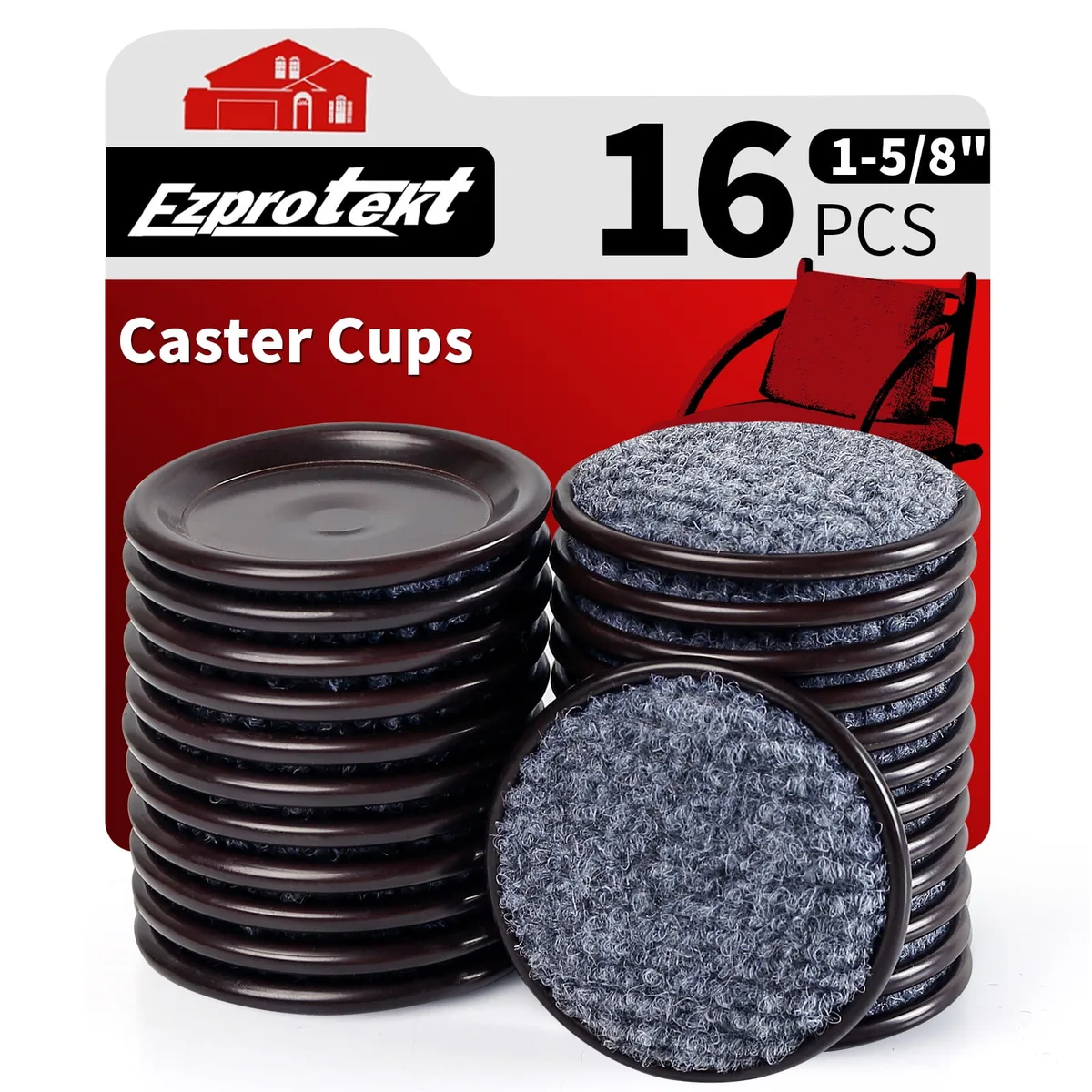
Image source: Bing (Web (fair-use with source credit))
| Material Option | Primary Function | Best Carpet Match | Thickness / Spec | Pros | Cons |
|---|---|---|---|---|---|
| High-Density PVC Equipment Mat | Surface barrier, sweat and oil shield | Low-pile, commercial carpet | 6 mm to 8.5 mm | Easy to clean, waterproof, durable | Does not prevent deep sink on plush floors |
| Polycarbonate Cleated Mat | Lateral stability, moderate load dispersion | Medium-pile carpet | 3 mm to 5 mm (with cleats) | Cleats lock into pile, prevents mat walking | Can crack under extreme dynamic point loads |
| Plywood / MDF Sub-Board Base | Structural rigidity, maximum load dispersion | High-pile, plush, memory foam | 1/2 inch thickness | Eliminates frame sag, prevents crushed fibers | Heavy, rigid, harder to hide or store |
| Heavy-Duty Rubber Caster Cups | Localized point-load distribution | All carpet types (under legs) | 3 to 4 inch diameter | Inexpensive, compact, prevents leg gouges | Protects only the feet, leaving center carpet open to drips |
| Interlocking EVA Foam Tiles | Light cushioning (Not recommended) | Flat surfaces only | 1/2 inch to 3/4 inch | Cheap, modular, widely available | Compresses flat, causes frame instability, walks |
Common Mistakes That Ruin Carpets and Destabilize Reformers
Using soft, lightweight yoga mats is one of the most common setup errors. Yoga mats lack the tensile strength to resist tearing under reformer feet. They stretch and bunch during carriage recoil, creating dangerous tripping hazards around the frame perimeter.
Leaving the reformer in the exact same position for years without inspection can ruin carpet backing. Heavy static loads can cause carpet delamination, where the secondary backing separates from the face fibers. Lift the mat every six months to inspect the subfloor and vacuum the crushed fibers beneath.
Another frequent mistake is applying wet rail lubricant directly above unprotected carpet. When lubricating carriage tracks, always place an extra towel beneath the runner. Excess silicone or PTFE lubricant attracts dirt like a magnet, creating dark, oily stains on carpet that standard cleaners cannot lift.
Finally, never slide a heavy reformer across carpet without lifting it fully. Dragging rubber or metal feet pulls carpet loops loose on Berber styles and can rip seams along bonded carpet sections. Always enlist a partner to lift the machine cleanly into position.
Maintenance Routine: Preventing Mold, Trapped Odors, and Fiber Rot
Covering carpet with a solid mat creates a microclimate that can trap moisture, dust, and sweat. Regular maintenance keeps your flooring fresh and prevents mold spores from growing inside the carpet backing.
Every four to six months, recruit a partner to lift the reformer off the mat. Roll up the protective barrier completely. Vacuum the carpet thoroughly using a vacuum with a motorized brush roll to lift embedded dust and fluff crushed pile fibers.
Let the carpet breathe for at least two hours before replacing the mat. If you notice any dampness from intense workout sweat, run a fan over the area. This prevents musty odors and protects the subfloor from rot.
Wipe down the underside of your equipment mat with a mild dish soap solution. Let the mat dry fully before placing it back down. Moisture trapped between a rubber mat and carpet backing will quickly ruin carpet yarns.
How to Fix Existing Indentations and Oil Stains Under a Reformer
If your reformer has already left deep dents in the carpet, you can restore crushed fibers using heat and moisture.
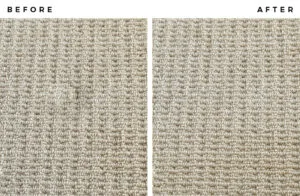
Image source: Bing (Web (fair-use with source credit))
Place an ice cube directly into each crushed indentation mark. Allow the ice cubes to melt slowly over several hours. The gradual moisture causes compressed nylon and wool fibers to swell back to their original shape.
Once the area is damp, blot away excess water with a clean towel. Use the edge of a spoon or a carpet rake to gently lift and fluff the pile.
For stubborn, deep depressions, use a household steam iron. Hold the iron two inches above the carpet, pumping continuous steam into the fibers. Never touch the hot metal plate directly to synthetic carpet, or the fibers will melt instantly.
Brush the fibers upright immediately after steaming.
To remove carriage rail lubricant stains:
- Blot the spot immediately with a dry microfiber cloth. Do not rub, as rubbing spreads the oil deeper.
- Sprinkle baking soda or cornstarch over the stain to absorb residual silicone or grease. Let it sit for 30 minutes.
- Vacuum up the powder thoroughly.
- Apply a dedicated grease-cutting carpet spot cleaner or a drop of clear liquid dish soap mixed with warm water.
- Blot cleanly with a damp cloth until the residue lifts completely.
Frequently Asked Questions About Reformers on Carpet
Can I put a Pilates reformer directly on carpet without a mat?
You should not place a reformer directly on carpet without protection. The concentrated frame weight crushes carpet pile permanently. Dynamic carriage movements also cause the machine to shift, pulling loose loops on Berber carpets and grinding dirt deep into the floor backing.
Will a Pilates reformer ruin plush carpet permanently?
Plush carpet will suffer permanent pile crushing if placed under a reformer without a rigid sub-base. The soft padding underneath allows the frame legs to sink deeply. Using a 1/2-inch plywood board under a non-slip equipment mat distributes the weight and prevents permanent damage.
How do I stop my reformer mat from sliding on carpet?
Use a heavy-duty mat with a cleated or spiked underside designed specifically for carpet grip. Standard smooth-backed mats slide easily under spring tension recoil. Adding rubber caster cups under each frame foot also anchors the machine securely in place.
Is an EVA foam puzzle mat strong enough for a reformer?
EVA foam puzzle tiles are too soft and low-density for a Pilates reformer. The heavy point loads crush foam tiles flat instantly, leaving the carpet unprotected. Squishy foam also destabilizes the reformer frame, creating a wobbly and unsafe workout platform.
How thick should a reformer carpet mat be?
A protective equipment mat should be between 6 mm and 8.5 mm thick with a high durometer density rating. If you have deep plush carpet, combine this mat with a 1/2-inch rigid plywood core board underneath for proper structural support.

Similar Posts