What Size Allen Key Does a Pilates Reformer Use?
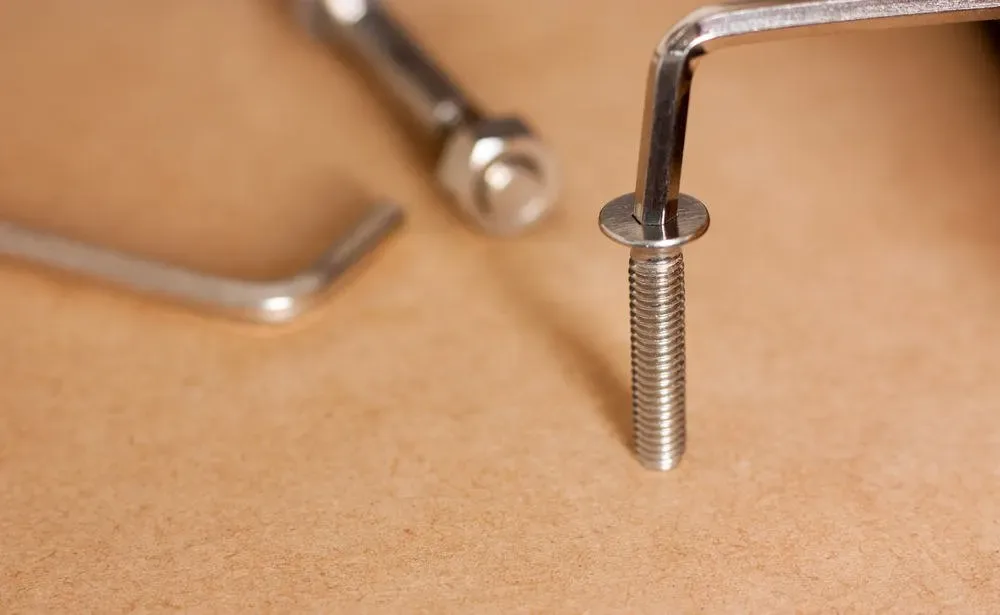
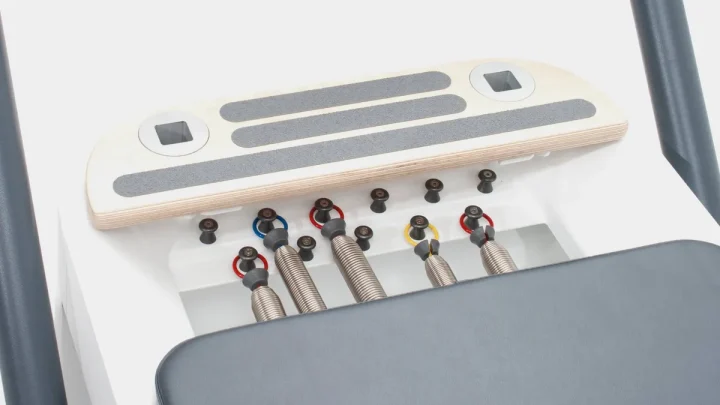
If you are adjusting a loose footbar or assembling a frame, you need to know what size allen key does a pilates reformer use. There is no single universal hex wrench that fits every machine on the market. The correct tool size depends entirely on your reformer manufacturer, the origin of production, and the specific bolt you need to adjust.
North American manufacturers build their frames using standard imperial hardware such as 5/32-inch and 3/16-inch socket cap screws. In contrast, overseas and Canadian manufacturers rely almost exclusively on metric hardware like 4 mm and 5 mm fasteners. Using the wrong unit system will quickly strip expensive hardware, so finding the exact match is critical.
Image source: Bing (Web (fair-use with source credit))
Quick Answer
A Pilates reformer uses either imperial sizes (5/32", 3/16", 7/32", 1/4") or metric sizes (4 mm, 5 mm, 6 mm). Balanced Body and Gratz use imperial standard hex keys. Merrithew, Stamina, and Align-Pilates require metric hex keys.
Most routine adjustments need a 3/16-inch or 5 mm Allen key. Always verify bolt fit before applying torque.
The Brand Decision Tree: Matching Your Reformer to the Exact Hex Size
To find the right key without guessing, start with the brand of your reformer. Hardware specifications follow the engineering standards of the country where the manufacturer designs and builds the frame.
Balanced Body (Studio, Allegro, Allegro 2, Rialto)
Balanced Body manufactures equipment in the United States and uses SAE imperial fasteners across their product catalog. As of 2026, standard models require three primary sizes:
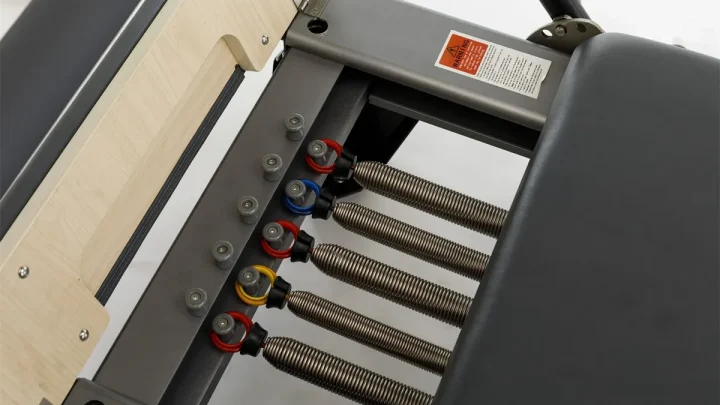
- 5/32-inch: Pulley risers, rope guides, and tower bracket attachment screws.
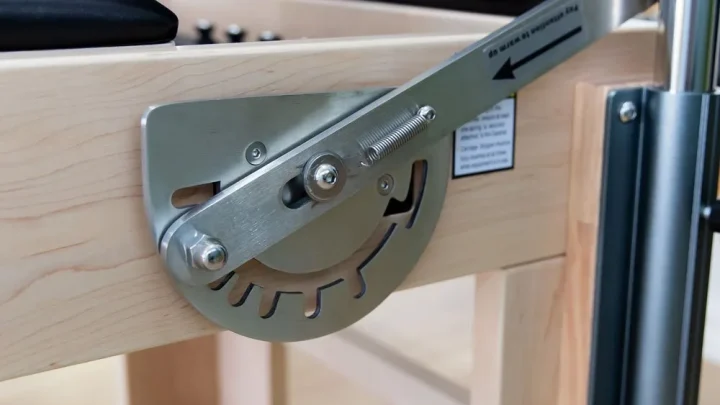
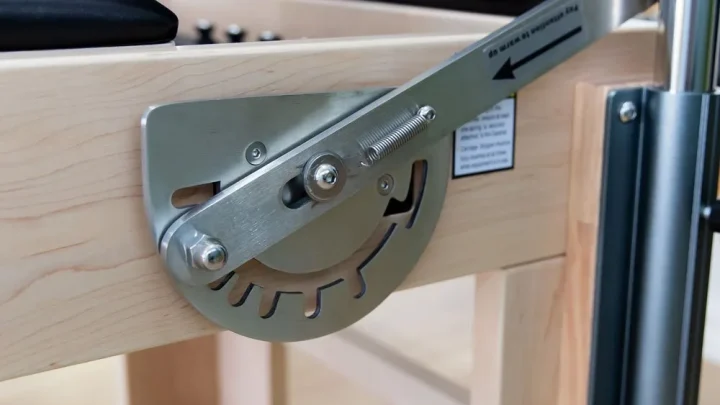
- 3/16-inch: Footbar pivot bolts, gear bar hardware, and frame crossbars.
- 7/32-inch or 1/4-inch: Carriage wheel axle bolts and heavy-duty frame mounts.
If you own an Allegro 2 or Studio Reformer, check the official maintenance manuals on Balanced Body to verify your exact model year hardware.
Merrithew / STOTT Pilates (SPX Max, V2 Max, At Home)
Merrithew designs its commercial and home reformers around standard ISO metric hardware. You will need a standard metric hex wrench set to work on these frames.
- 4 mm: Small pulley eyelets, stopper adjustments, and headrest brackets.
- 5 mm: Vertical frame connectors, extension legs, and rope riser mounts.
- 6 mm: Footbar locking mechanisms and structural carriage stops.
Peak Pilates (fit Reformer, Casa, Deluxe Wood)
Peak Pilates splits hardware depending on the product line. Classic wooden reformers use imperial screws, while the metal Casa and fit Reformer lines use standard metric hardware (primarily 4 mm, 5 mm, and 6 mm).
Gratz Pilates (Original, Aluminum)
Gratz adheres strictly to traditional designs using heavy-gauge imperial fasteners. You will almost exclusively need 3/16-inch and 1/4-inch hex keys to maintain these classical units.
Budget and Direct-to-Consumer Brands (Stamina AeroPilates, Align-Pilates, Elina)
Overseas consumer models rely universally on metric fasteners. Stamina AeroPilates frames use 4 mm and 5 mm keys for frame hinges and folding joints. Align-Pilates and Elina Pilates commercial units require 4 mm, 5 mm, and 6 mm wrenches.
Reformer Component Breakdown: Which Bolt Needs Which Key
Different components on the same reformer often require different wrench sizes. A single machine might use a smaller screw for the headrest and a larger bolt for the footbar pivot.
| Reformer Component | Typical Imperial Size (US Brands) | Typical Metric Size (Import / Metric Brands) | Purpose & Function |
|---|---|---|---|
| Footbar Pivot Bolts | 3/16" | 5 mm or 6 mm | Secures the pivoting footbar arm to the frame |
| Pulley Risers & Uprights | 5/32" | 4 mm or 5 mm | Locks rope pulley poles at chosen heights |
| Carriage Wheel Axles | 7/32" or 1/4" | 6 mm or 8 mm | Holds carriage glide wheels to the carriage base |
| Spring Bar Brackets | 3/16" | 5 mm | Anchors the spring attachment bar to the frame |
| Carriage Stopper Bolts | 5/32" | 4 mm | Adjusts carriage travel distance along the rails |
| Tower / Trapeze Mounts | 3/16" or 1/4" | 6 mm | Fastens vertical tower uprights to the base frame |
Always test the fit of the wrench in the screw socket before turning. The key should seat all the way down into the socket recess without any lateral wobble.
The Metric vs. Imperial Trap: Why Stripping Your Bolts Happens
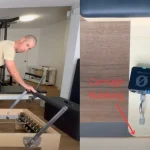
The most common maintenance mistake is substituting a metric key into an imperial socket cap screw, or vice versa. The sizes seem close, but the microscopic clearance gap causes severe damage.
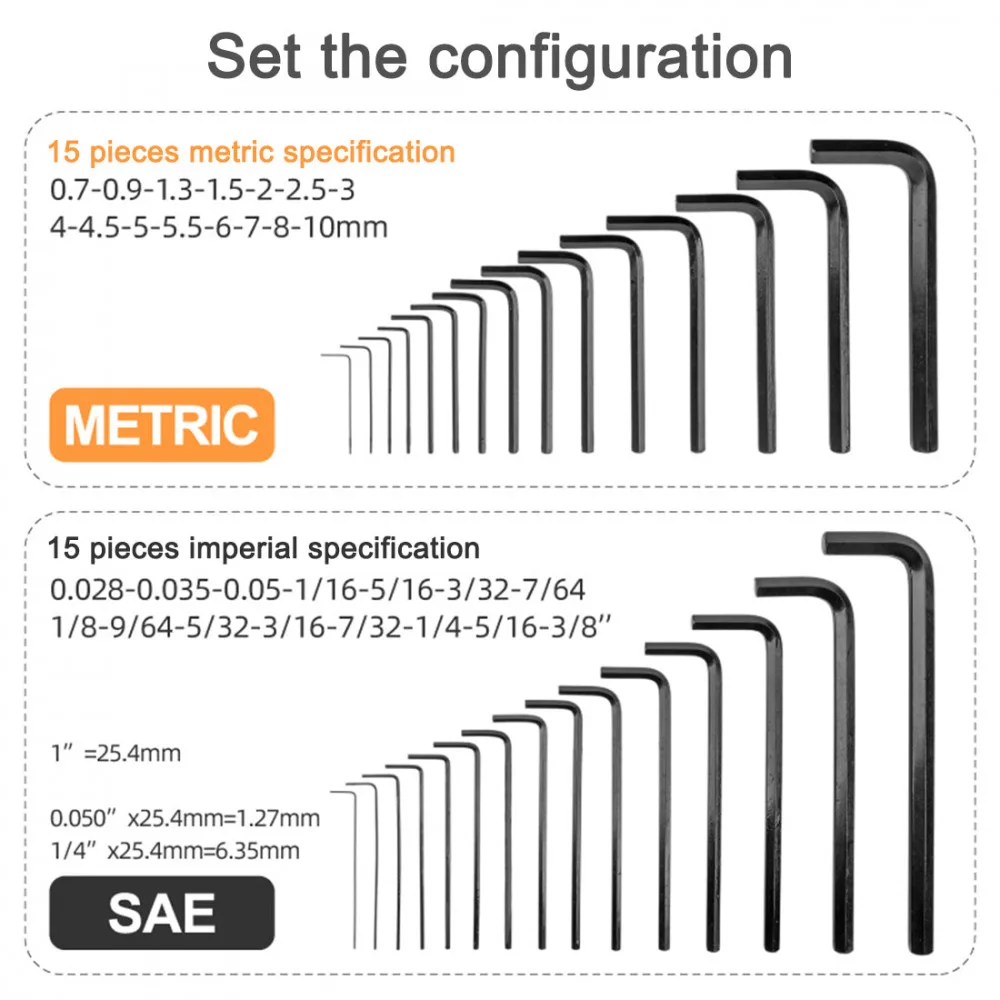
Image source: Bing (Web (fair-use with source credit))
A 3/16-inch key measures 4.76 mm. If you place a 4.5 mm or 4 mm metric key into that 3/16-inch socket, the tool will fit loosely. When you apply firm torque to loosen a tight footbar bolt, the corners of the wrench will slip and round off the inside of the bolt head.
Conversely, a 5 mm metric socket will reject a 3/16-inch key because the tool is slightly too small (0.24 mm difference). Forcing an incorrect size into the fastener ruins the socket profile according to fastener standards published by ASME. Once a bolt head is rounded, removing it requires specialized extraction tools or drilling out the fastener.
Step-by-Step Guide to Safely Tightening and Maintaining Reformer Hardware
Routine tightening keeps your reformer quiet, stable, and safe during spring-loaded exercises. Follow this simple process whenever you service your equipment.
- Identify the fastener type. Check the brand manual to confirm whether your reformer uses imperial (inches) or metric (millimeters) hardware.
- Clean out the socket. Wipe away any dust, reformer vinyl cleaner residue, or fabric fibers packed inside the hex bolt socket. Debris prevents the wrench from seating completely.
- Insert the flat end of the key. Always insert the straight, flat end of the Allen key into the bolt for high-torque tightening. Avoid using the ball-end tip to loosen or tighten stuck bolts, as ball ends snap under heavy rotational pressure.
- Check for play. Wiggle the tool gently. If there is noticeable rotation before the key catches the edges of the bolt, stop immediately. You have the wrong size.
- Apply firm, controlled torque. Turn the wrench clockwise to tighten. Tighten the bolt until it is firmly hand-tight (snug plus a quarter-turn). Do not over-torque bolts threading directly into softer aluminum frame rails.
The Essential Pilates Maintenance Toolkit
Keeping the right tools near your studio or workout space prevents hardware damage and saves time. Instead of hunting for loose wrenches that came in the original packaging, invest in dedicated hand tools.
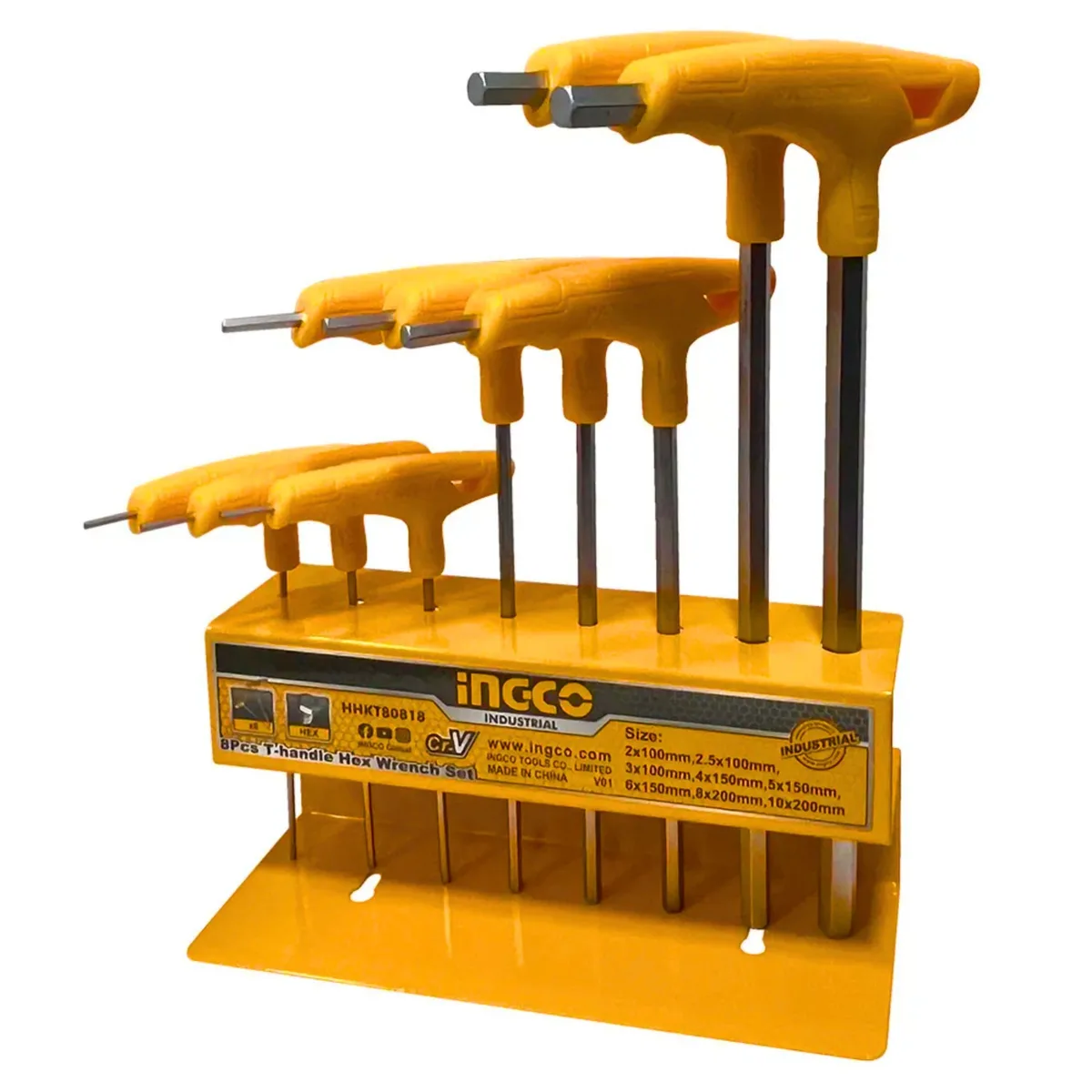
Image source: Bing (Web (fair-use with source credit))
- T-Handle Hex Keys: A set of long T-handle wrenches provides superior leverage and ergonomic reach. They make adjusting hard-to-reach carriage stops and riser mounts much faster than standard L-keys.
- Complete Imperial (SAE) Set: Look for a set containing 1/8", 5/32", 3/16", 7/32", and 1/4" keys made from hardened chrome vanadium steel.
- Complete Metric Set: Keep 3 mm, 4 mm, 5 mm, 6 mm, and 8 mm wrenches ready for imported components and commercial towers.
- Medium-Strength Threadlocker: Keep a bottle of blue removable threadlocker on hand. Applying a tiny drop to footbar pivot bolts prevents them from vibrating loose during workouts without locking the fastener permanently.
Avoid cheap, unbranded multi-tools made from soft metal. Budget multi-tools often have rounded corners that slip inside fastener sockets and ruin bolt heads under normal torque.
Critical Safety and Hardware Mistakes That Damage Reformers
Pilates reformers handle intense mechanical loads from springs and body weight. Small maintenance oversights can create major safety risks or permanently damage machine frames.
Over-torquing bolts into aluminum rail extrusions is the most frequent repair issue. Aluminum is relatively soft compared to hardened steel bolts. If you crank down too hard on a carriage stop or riser clamp, you can strip the internal frame threads.
Tighten hardware until snug, then add a quarter turn.
Using ball-end hex drivers for heavy tightening is another common error. Ball-end tips are designed strictly for driving screws at an angle in tight spaces. When you apply high torque to a stuck bolt with a ball-end wrench, the neck snaps off easily or gouges the fastener socket.
Never use permanent red thread-locking fluid on reformer components. Red compound requires heat guns to loosen and can melt nearby plastic bushings, vinyl upholstery, and rubber bumpers. Always stick to removable blue threadlocker formulations for fitness equipment.
Frequently Asked Questions About Pilates Reformer Hardware
Can I use a generic flat-pack furniture hex key on my reformer?
No, you should avoid using generic furniture keys. Flat-pack furniture wrenches are usually made from soft stamped steel and often lack precise sizing tolerances. Using them on tight reformer bolts easily strips the fastener head.
Always use hardened steel hex keys.
How often should you tighten the bolts on a Pilates reformer?
Check high-movement hardware like footbar pins and pulley risers once every month. Commercial studios should perform a complete frame and carriage wheel inspection quarterly. Home users can inspect all frame bolts every six months to ensure complete stability and safety.
What should you do if a reformer hex bolt is already stripped?
If the socket is rounded, place a wide rubber band over the bolt head before inserting the hex wrench for extra grip. If that fails, use a dedicated screw extractor bit. Never attempt to force a larger standard key into a stripped socket with a hammer.
Why do some reformers have both metric and imperial hardware?
Some hybrid reformers combine North American frames with imported sub-assemblies or aftermarket towers. For example, a base wood frame might use standard imperial brackets, while an added metal pulley riser uses metric clamp bolts. Keep both sets in your toolkit.
Is blue threadlocker safe to use on reformer bolts?
Yes, blue threadlocker is safe and widely recommended by manufacturers. It prevents footbar pivot bolts and pulley mounts from vibrating loose during dynamic spring movements. It remains removable with standard hand tools whenever you need to perform adjustments.

Similar Posts