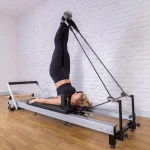
Why Is Your Reformer Frame Popping? Causes & Fixes
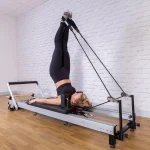
If you hear a sudden metallic snap or dull click mid-exercise, you are probably wondering why does my reformer frame make a popping sound. A popping frame disrupts your workout focus and feels unnerving. Most of the time, the noise is not a cracked frame or broken structural weld.
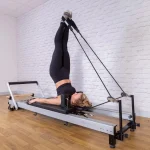
Pilates studio equipment operates under high dynamic tension, often managing over 300 pounds of combined spring resistance and body mass. As of 2026, equipment maintenance guidelines from organizations like the Pilates Method Alliance note that minor alignment shifts and unlevel contact points account for over 80 percent of reported frame noises. Let's isolate the root cause and silence your machine.
Image source: Bing (Web (fair-use with source credit))
Quick Answer
A reformer frame makes a popping sound due to frame racking on uneven floors. Dry spring hooks against eyelets also cause sudden pops under load. Loose footbar trunnions slip slightly in their brackets during exercise transitions.
Polyurethane carriage wheels can develop flat spots or catch rail debris. Leveling the feet and using dry PTFE lubricant resolves most noises.
Why Your Pilates Reformer Pops: The Quick Diagnostic Breakdown
What a Frame Pop Actually Means vs. Normal Mechanical Clatter
Normal reformer operation produces a gentle, rhythmic hum as precision ball bearings roll inside aluminum C-channels. A true frame pop sounds distinctly sharp, heavy, or sudden. It occurs when mechanical tension builds up and releases all at once.
This build-up happens when two contact surfaces bind temporarily under load. When dynamic force overcomes the friction, the parts shift with an audible pop. Understanding this distinction keeps you from chasing phantom issues in smooth-rolling parts.
Sound Profile Quick-Check: Metallic Snap, Dull Thud, or Wood Creak
The exact acoustic signature reveals where you should look first:
- Metallic Snap: A high-pitched ping from spring hooks, eyelets, or spring bar brackets.
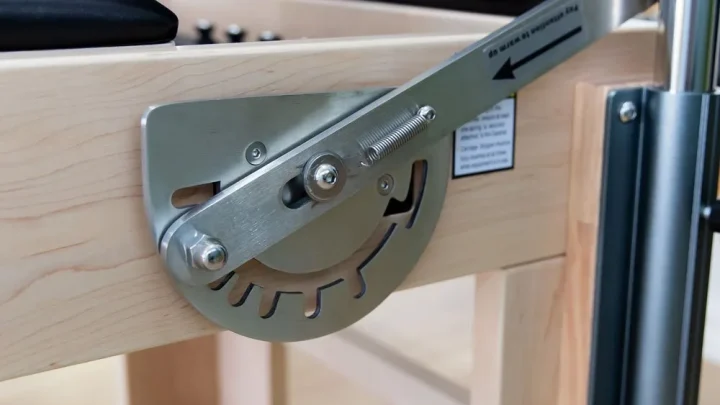
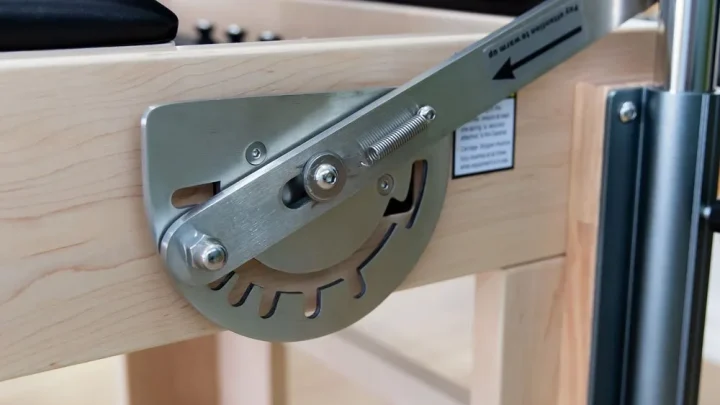
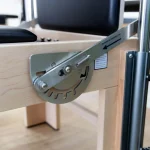
- Dull Metallic Clunk: Footbar trunnion pins shifting inside adjustment slots or gearbar movement.
- Heavy Frame Thud: A frame foot lifting and slapping back down against an unlevel subfloor.
- Deep Wood Creak or Pop: Strut and tenon joinery flex under heavy lateral tension on wooden studio models.
Step-by-Step Diagnostic Tree: Pinpointing the Noise Under Real Conditions
To fix the pop, trace the symptom using this systematic diagnostic workflow:
Test 1: Empty Carriage Push vs. Bodyweight Load
Push the empty carriage along the rails by hand. If the pop occurs without any weight, inspect the carriage wheels and C-channel rails immediately. If the pop only happens when you lie on the carriage, the issue stems from frame flex or bearing load compression.
Test 2: Footbar Force Test (Planks vs. Footwork)
Apply firm downward and forward force onto the footbar while standing on the floor. If you hear the pop, the footbar trunnions or locking pins are slipping under load. If the pop only happens during footwork on the carriage, the force is transferring into the main frame rails.
Test 3: Spring Engagement Transitions and Recoil
Unclip all springs and push the carriage. If the noise disappears, hook the springs back one by one. A pop occurring right as you change direction indicates binding at the spring eyelet or spring bar collar.
Test 4: The 4-Corner Frame Leveling Rock Test
Gently shake the reformer frame from diagonally opposite corners. If any foot lifts off the floor even a millimeter, the frame is racking. This torsional twist creates loud popping sounds whenever your bodyweight shifts across the deck.
The 5 Most Common Culprits Behind Reformer Frame Popping
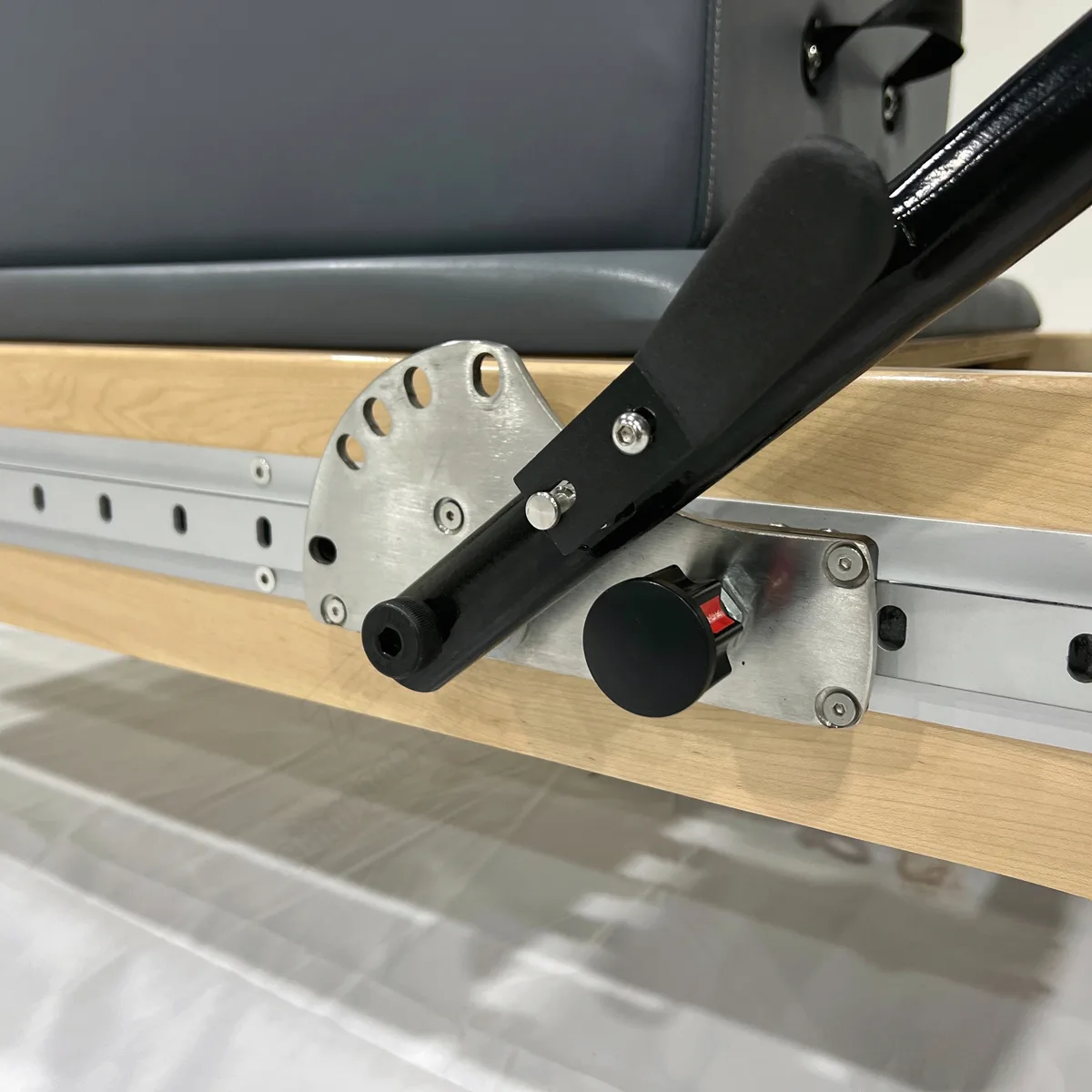
Image source: Bing (Web (fair-use with source credit))
1. Uneven Leveling Feet and Frame Racking (Torsional Flex)
Reformer frames are built with rigid tolerances. When placed on an uneven floor, only three of the four corner feet bear weight. As you move across the carriage, the unsupported corner flexes down and snaps back up, creating a hollow, resounding frame pop.
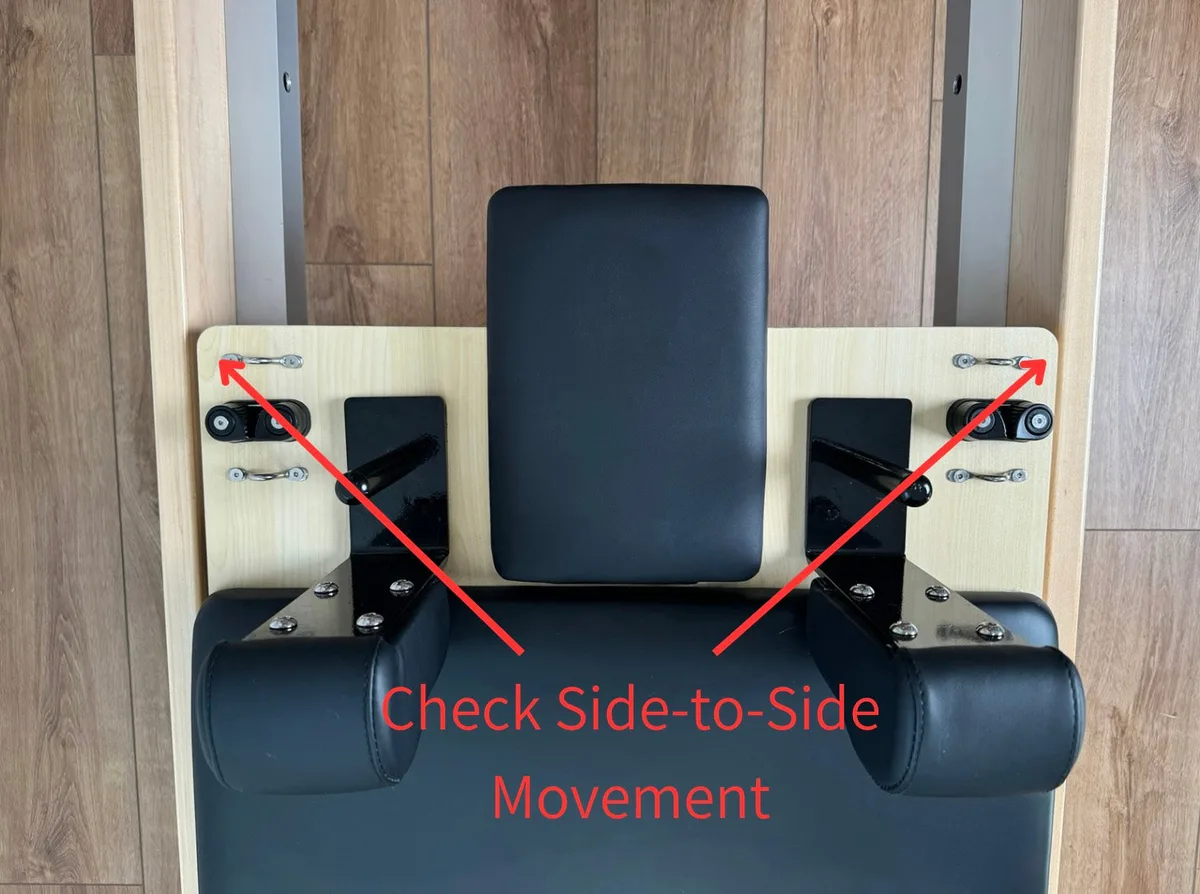
2. Footbar Trunnions and Locking Pin Play
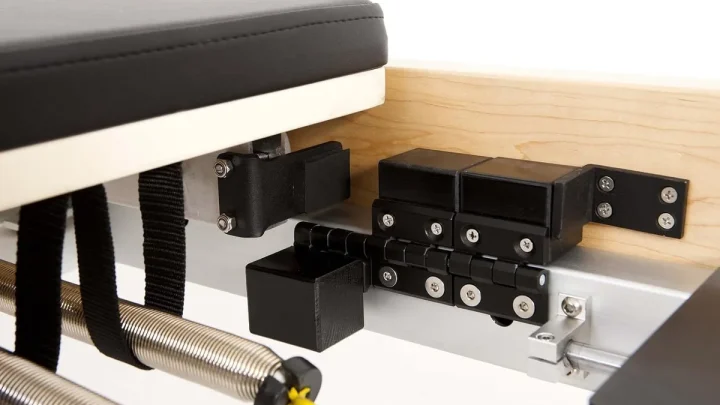
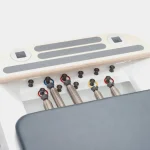
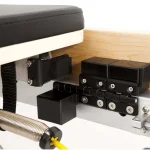
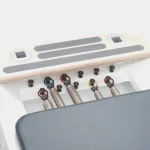
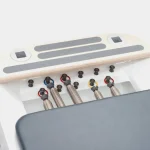
The footbar assembly anchors into side trunnion plates with locking pins. If these pins do not seat fully, lateral pressure during planks or lunges forces the metal bracket to shift violently inside its slot.
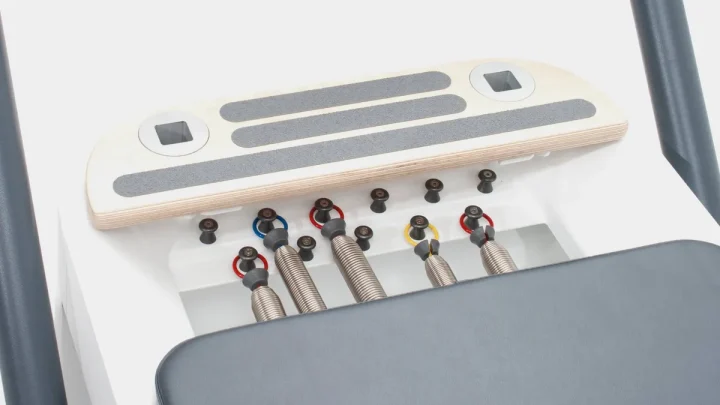
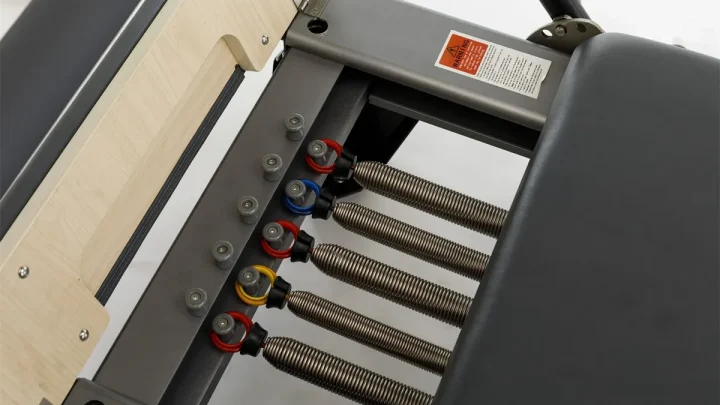
3. Dry Spring Hooks, Eyelets, and Gearbar Binding
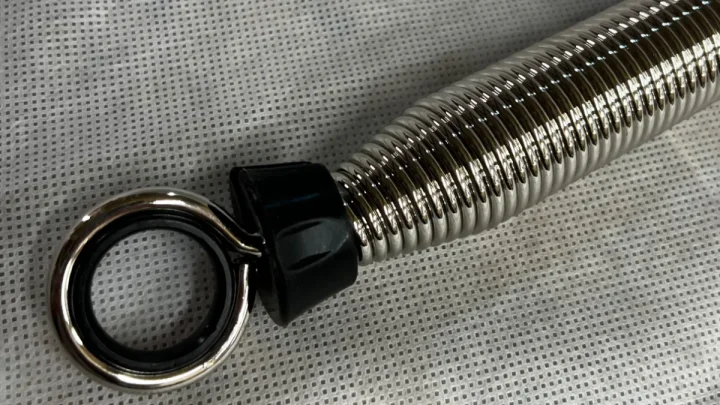
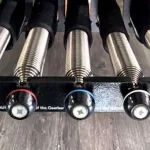
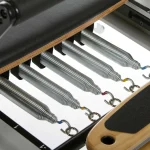
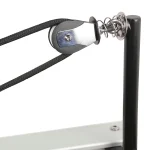
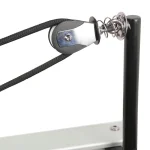
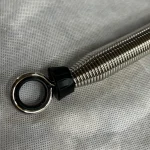
Steel spring hooks constantly pivot inside metal eyelets. Without lubrication, dry metal-on-metal friction binds the hook during extension. The hook suddenly jerks loose, echoing through the hollow aluminum or steel frame like a snap.
4. Carriage Wheel Flat-Spotting, Bearing Play, and Track Dirt
Carriage wheels feature precision sealed ball bearings wrapped in polyurethane tires. If hair or grit collects in the track, the wheel skips and pops over the obstruction. In older units, a failing internal bearing race will click and pop under heavy user loads.
5. Loose Frame Cross-Member Bolts and Wood Joinery Stress
Vibrations from regular use gradually back out structural cross-member hardware. Loose bolts allow metal plates to rub against the frame rails. On solid maple or beechwood models, seasonal humidity changes cause the wood to swell or shrink, leading to tenon popping under dynamic strain.
Targeted Fixes: How to Eliminate the Noise Step by Step
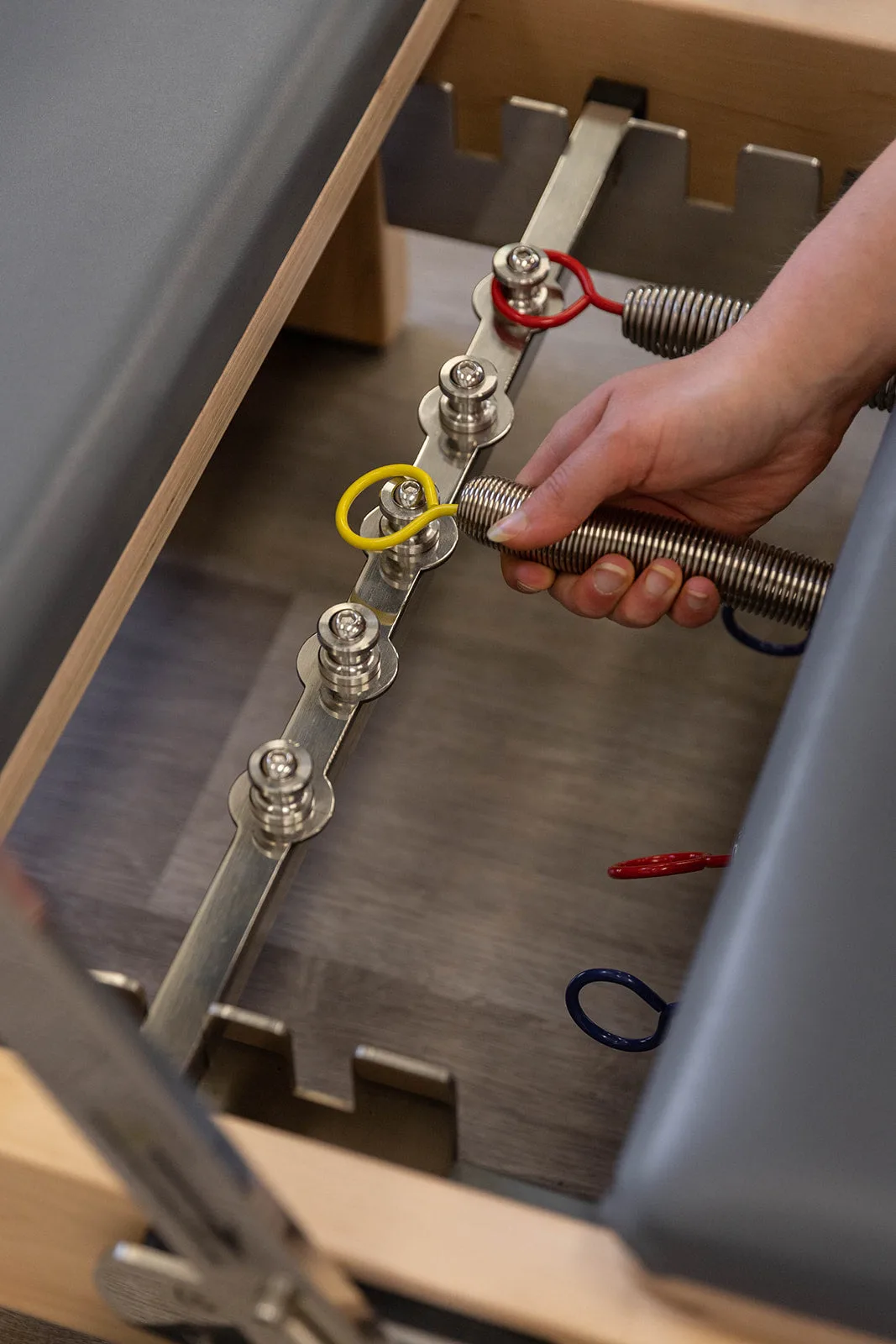
Image source: Bing (Web (fair-use with source credit))
Leveling the Frame to Neutralize Diagonal Racking
Place a four-foot level across both rails at the head, middle, and foot of the reformer. Adjust the threaded leveling feet underneath the legs until all four corners sit flat with zero rocking motion. On carpet, place firm rubber pads under each foot to prevent uneven settling.
Resetting and Lubricating the Footbar Trunnion Mechanism
Loosen the footbar adjustment knobs and clean out any lint inside the trunnion channels. Apply a dry PTFE spray lubricant along the sliding track and locking detents. Tighten the pivot bolts to manufacturer torque specs so the bar pivots smoothly without side-to-side play.
Silencing the Spring Bar and Eyelet Contact Points
Coat the inside of each spring eyelet and hook contact point with a drop of dry PTFE spray or 100% silicone oil. Alternatively, slip thin neoprene or silicone dampener sleeves over the spring hooks. This isolates metal contact without reducing spring strength.
Cleaning C-Channels and Tuning Carriage Tracking
Wipe down both aluminum tracks using an isopropyl alcohol solution and a microfiber cloth. Check that the side-guide wheels maintain roughly 1 to 2 millimeters of clearance from the track edge. Replace any carriage wheel that shows flat spots or catches during a manual spin test.
Cross-Tightening Structural Hardware to Spec
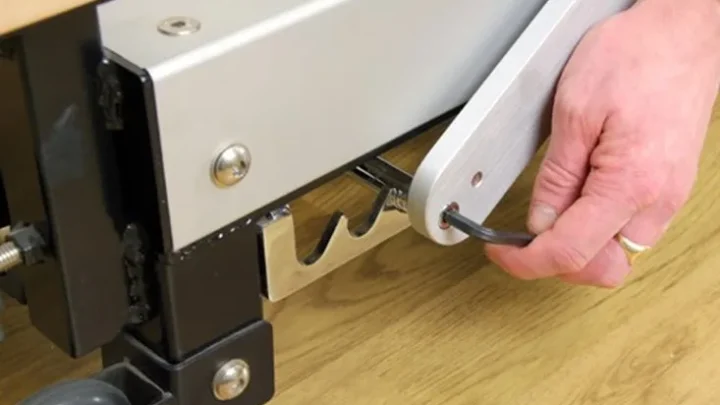
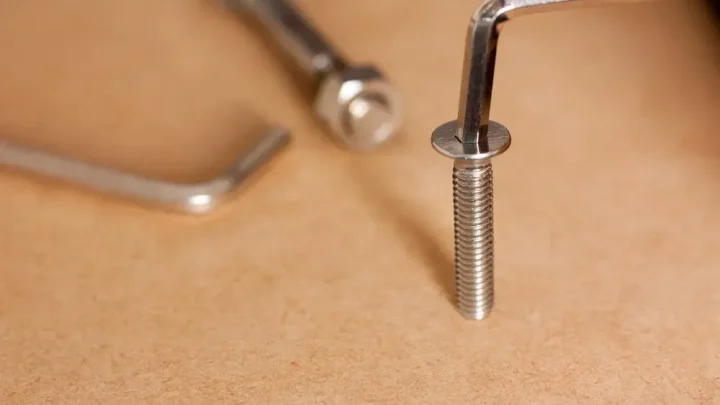
Inspect all structural cross-member bolts, riser attachments, and carriage brackets. Using the proper hex key or socket wrench, tighten the bolts in an alternating cross pattern. Following standardized guidelines from equipment standards bodies like ASTM International, snug every fastener firmly without stripping the threads.
Maintenance Mistakes That Make Reformer Noises Worse
Using Petroleum-Based Lubes (WD-40) Instead of Dry PTFE or 100% Silicone
Standard WD-40 or heavy grease will destroy your equipment. Petroleum solvents degrade polyurethane carriage wheels and attract dust, hair, and grit. Always use dry PTFE film or 100% pure silicone spray on tracks and pivots.
Over-Tightening Structural Bolts and Warping the Rails
Cranking down on frame bolts with excessive force can warp aluminum C-channels and compress wooden joints past their elastic limit. Rails must stay parallel within tight tolerances. Tighten bolts until snug, but avoid bending the structural flanges.
Ignoring Early Signs of Spring Hook Wear and Metal Fatigue
A popping spring hook can indicate metal fatigue rather than simple friction. Inspect hooks every month for deep wear grooves. If groove wear exceeds 25 percent of the original wire diameter, replace the spring immediately to prevent snapping during use.
Complete Reformer Sound and Solution Reference Guide
When diagnosing mysterious noises, matching the sound to the specific movement saves time. This quick reference table highlights the primary mechanical triggers and their direct fixes.
| Sound Type | Primary Trigger | Likely Root Cause | Immediate Fix |
|---|---|---|---|
| High metallic ping | Direction changes | Dry spring hook or eyelet friction | Apply dry PTFE spray to hook contact points |
| Heavy hollow clunk | Shifting bodyweight | Unlevel frame leg lifting off floor | Adjust threaded leveling feet until stable |
| Sharp mechanical pop | Planks or footwork | Footbar trunnion pin slipping in slot | Clean bracket channel and tighten pivot bolts |
| Clicking or grinding | Carriage rolling | Flat spot or debris in C-channel | Clean rails with alcohol and inspect wheel bearings |
| Deep structural creak | Heavy spring extension | Wood tenon flex or loose cross-bolts | Snug cross-member bolts in an alternating pattern |
Tracking down frame noises early prevents component wear. A clean, properly leveled machine ensures smooth glide and protects your investment over years of use.
Frequently Asked Questions About Reformer Frame Noise
Is it safe to use my reformer while it's making a popping sound?
You should stop and identify the sound before continuing heavy workouts. While minor frame leveling clicks pose little danger, a popping sound caused by a worn spring hook or loose footbar pin can lead to sudden mechanical failure under full bodyweight load.
Why does my wood reformer pop more when the seasons change?
Natural wood frames expand and contract as ambient indoor humidity fluctuates. This movement shifts tension across the joints and tenons. When you apply dynamic force during a workout, dry wooden joints flex slightly against their mounting hardware, producing an audible pop.
How do I tell if a carriage wheel bearing is blown or just dirty?
Remove the carriage and spin each wheel freely by hand. A dirty wheel track creates an intermittent bump that clears after cleaning. A damaged internal ball bearing feels gritty, wobbles on its axle, or makes a continuous grinding sound without any load.
Can improper spring tension cause frame popping?
Uneven spring loading pulls the carriage unevenly across the guide rails. When springs are loaded only on one extreme side, the carriage twists slightly inside the C-channels. This angle forces the side-guide wheels to bind and pop against the aluminum frame edge.

Similar Posts