How to Remove Rust from Pilates Reformer Hardware
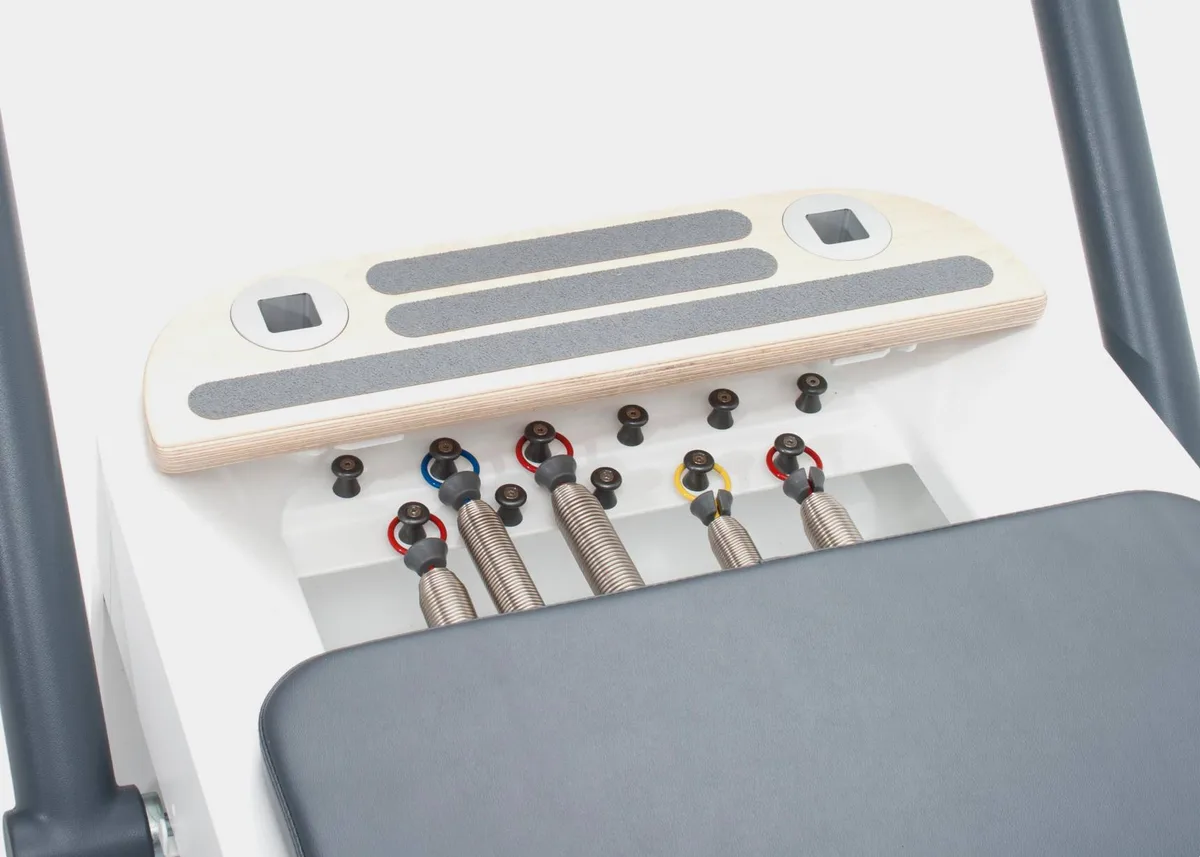
Finding orange surface oxidation on your Pilates reformer is frustrating. Learning how to remove rust from reformer hardware correctly protects your investment and keeps your clients safe. A neglected frame quickly develops sticky carriage glides, squeaky springs, and seized adjustment pins.
Equipment safety guidelines from ASTM International highlight how vital hardware integrity is for loaded exercise systems. Corroded metal loses structural strength and fatigues faster under dynamic body weight. Here is how to assess the damage and restore your components safely.
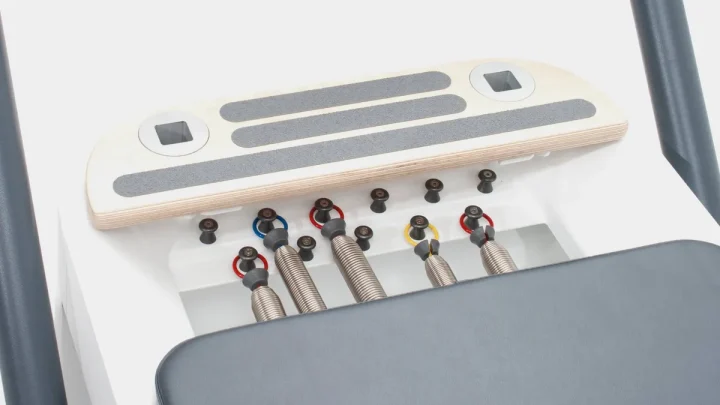
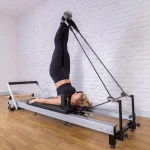
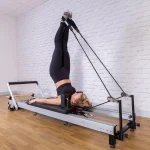
Image source: Web (Bing) / pilates.com (Web image (fair-use with source credit))
Quick Answer
To remove rust from reformer hardware, first separate static parts from dynamic springs. Soak static hardware like eyebolts in a neutral chelating rust remover. Polish rails and plated brackets with ultra-fine bronze wool.
Never use acid baths on dynamic tension springs. Replace any pitted springs immediately to avoid breakage. Seal clean parts with a dry PTFE lubricant.
Assessing the Rust: The Hard Line Between Cleaning and Replacing
Not all rust on a reformer can be safely cleaned. Surface rust is merely an aesthetic nuisance on solid steel brackets. Deep pitting corrosion, however, destroys the structural core of load-bearing metal.
You need a clear decision framework before picking up a brush:
- Surface Patina (Cleanable): A light, powdery orange film on solid static brackets, eyebolts, or gearbars. If the metal beneath remains flat and smooth after a light wipe, the part is safe to restore.
- Pitting and Flaking (Must Replace): Small craters, black pinholes, or bubbling metal. Pitting creates concentrated stress points. Under cyclic tension, these micro-cracks expand rapidly until the metal snaps.
- Spring Damage Rule: If you see any rust inside the coils of a dynamic spring, discard it immediately. Springs endure thousands of extension cycles per week. Rust degrades high-carbon spring steel, turning a standard exercise into a snapping hazard.
| Hardware Type | Rust Severity | Recommended Action | Safety Risk Level |
|---|---|---|---|
| Dynamic Springs | Any visible rust or pitting | Replace immediately | High (Snapping hazard) |
| Static Eyebolts | Light surface haze | Chemical chelating soak | Low |
| Static Eyebolts | Deep pitting or notch wear | Replace component | Moderate |
| Footbar Plungers | Surface oxidation / sticking | Clean and dry lubricate | Moderate |
| C-Channel Rails | Oxidation spots | Micro-abrasion buffing | Low (Glide friction) |
Why Standard Rust Hacks Will Ruin Your Reformer
Popular internet cleaning hacks often destroy precision fitness equipment. Home remedies like white vinegar or harsh muriatic acid baths trigger a chemical reaction known as hydrogen embrittlement. Acid diffusion forces hydrogen atoms into the crystalline lattice of high-carbon steel, making hardened metals brittle and prone to sudden catastrophic failure under tension.
Standard multi-use wet sprays (like basic WD-40) create a different problem. These petroleum-based lubricants leave an oily residue that attracts dust, hair, and chalk. This debris turns into a grinding paste under your carriage wheels, creating flat spots on expensive polyurethane rollers.
Using coarse steel wire wheels or heavy sandpaper is another critical mistake. Heavy abrasives rip straight through decorative chrome electroplating and protective anodized aluminum coatings. Once that factory barrier is gone, the raw base metal underneath oxidizes ten times faster.
Hardware Triage: Identifying Your Metals and Components
Different reformer components use distinct metal alloys. Each metal requires a specific restoration approach to prevent surface damage.
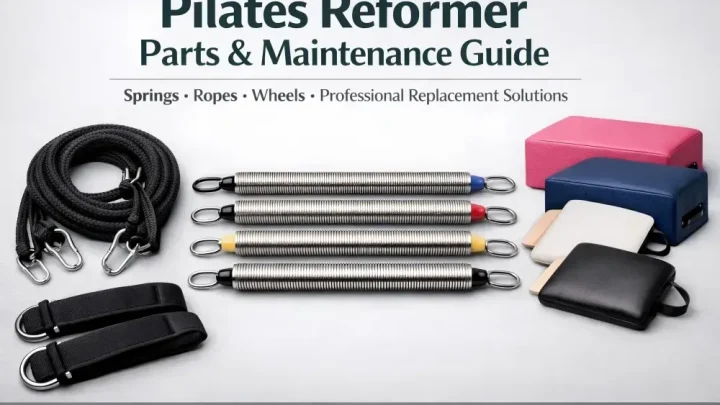
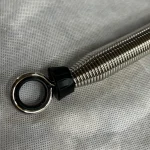
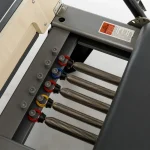
Dynamic High-Tensile Springs
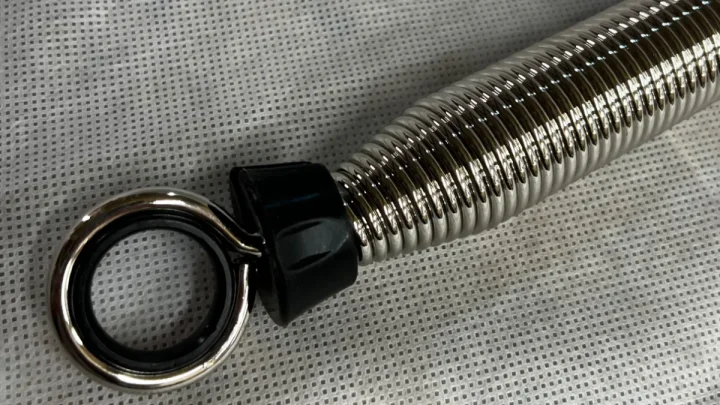
Reformer springs are wound from high-carbon music wire. This steel is heat-treated to maintain precise tension across thousands of repetitions. Because spring steel is under extreme tension, you must never use acid soaks or heavy grinding on it.
If a spring has only dry surface dust with zero flaking, wipe it down with a dry microfiber cloth and a light silicone-free rust inhibitor. If rust has penetrated the coil gaps, order a replacement from your manufacturer.
Static Hardware: Eyebolts, Plungers, and Brackets
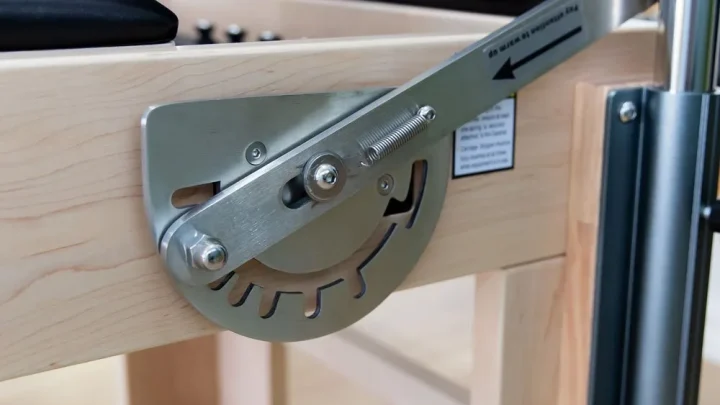
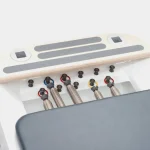
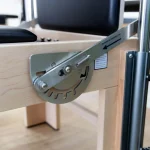
Static parts bear load without flexing. Eyebolts, carabiners, gearbar brackets, and footbar detent pins are usually made from zinc-plated steel, chrome-plated steel, or 304-grade stainless steel. These heavy parts tolerate liquid chemical soaks well.
They can handle gentle mechanical polishing without compromising user safety.
Rails and Extrusions: Chrome vs. Anodized Aluminum
Carriage rails generally fall into two categories:
- Chrome-Plated Steel Tubes: Common on classical wood reformers. They develop tiny rust spots called "pin-rust" when sweat cuts through the chrome layer. Treat these with ultra-fine bronze wool and a dedicated metal polish.
- Anodized Aluminum C-Channels: Common on contemporary aluminum reformers. Aluminum does not form red iron oxide, but it forms a chalky white corrosion. Never use harsh alkaline cleaners or steel wool on aluminum, as steel particles will embed in the track and accelerate galvanic corrosion.
Step-by-Step Rust Removal Workflow for Reformer Parts
Follow this systematic workflow to clean and restore your hardware without risking mechanical damage.
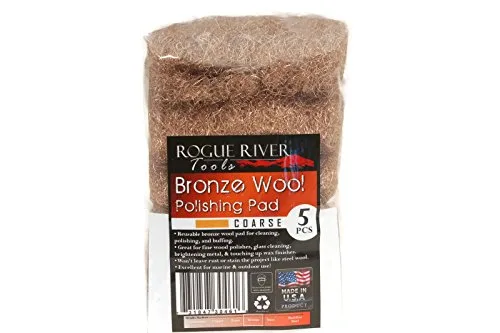
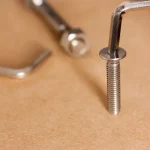
Image source: Web (Bing) / alpinedreamclean.com (Web image (fair-use with source credit))
Step 1: Safe Disassembly and Degreasing
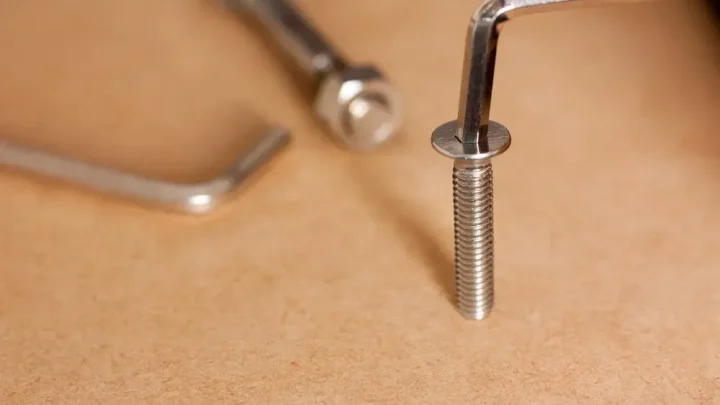
Unscrew the affected static hardware using properly sized wrenches to avoid rounding the bolt heads. Place small screws, washers, and pins into labeled magnetic trays.
Before attacking the rust, strip away old body oils and grease. Spray all metal parts with isopropyl alcohol or a mild aqueous degreaser. Wipe them clean with a shop towel.
Rust removal chemicals cannot penetrate iron oxide if an oily barrier covers the surface.
Step 2: Non-Acid Chelating Soak for Static Hardware
Submerge your rusted static hardware in a pH-neutral chelating rust remover such as Evapo-Rust. Chelating agents bind specifically to iron oxide molecules without eating away the unoxidized base metal.
Let the hardware soak for 1 to 4 hours depending on the rust depth. Check progress every 45 minutes. The liquid will turn black as it lifts the iron oxide, leaving the underlying steel completely intact.
Step 3: Gentle Mechanical Micro-Abrasion for Rails and Plating
For fixed rails or light surface spots on brackets, mechanical cleaning is the fastest route:
- Dampen a piece of #0000 ultra-fine bronze wool with a drop of light mineral oil or dry lubricant. Bronze is softer than chrome and steel, so it removes rust without scratching plating.
- Rub the rusted area using light, circular pressure.
- Wipe away the oxidized slurry frequently with a clean microfiber towel to monitor your progress.
- For tight crevices around gearbar slots, use a small brass-bristle detail brush.
Step 4: Neutralization, Flash-Drying, and Inspection
Once the rust is gone, rinse the parts in clean water to stop any chemical action. Freshly stripped raw steel will flash-rust within five minutes if moisture lingers in the air.
Dry every component immediately using a heat gun on low or a clean compressed-air nozzle. Inspect the cleaned metal under direct light. If you uncover deep pitting along load-bearing threads or pin shafts, discard the component and install a fresh factory replacement.
Long-Term Corrosion Prevention and Safe Studio Lubrication
Cleaning rust is only half the battle. Bare metal exposed to oxygen and humidity will oxidize again within days unless you apply a durable protective seal.
As of 2026, leading fitness equipment maintainers recommend dry-film lubricants over traditional oils. Products formulated with dry PTFE or marine corrosion blockers (such as Boeshield T-9) dry to a non-sticky, wax-like paraffin film. This barrier seals out oxygen while repelling studio dust, hair, and skin cells.
Apply a light mist of dry PTFE spray to clean metal parts, let it flash off for ten minutes, and buff off any excess with a clean rag. For carriage tracks, keep them completely dry. Wipe aluminum and chrome rails daily with a dry microfiber cloth, and use a dedicated silicone-free cleaner once a week to maintain smooth wheel glide.
Common Reformer Maintenance Mistakes That Accelerate Oxidation
Studio owners often introduce corrosion by using the wrong daily cleaning habits. The biggest culprit is spraying liquid disinfectant directly onto vinyl carriage pads near exposed metal. Fine mist settles on eyebolts, spring hooks, and gearbar channels.
Quaternary ammonium and bleach-based sanitizers contain corrosive salts that speed up galvanic oxidation between steel fasteners and aluminum frames. Spray your cleaner directly onto a microfiber cloth instead. Wipe the vinyl down, then immediately dry any nearby metal with a separate clean towel.
Another common mistake is running reformers in high-humidity spaces without proper climate control. Hot Pilates rooms, basement studios, and coastal facilities experience rapid condensation cycles. When warm, humid air hits cold metal rails overnight, moisture pools under the carriage wheels.
Run a dedicated dehumidifier to keep ambient studio humidity between 40% and 50%. A simple ceiling fan or basic airflow setup also prevents stagnant moisture from resting on static steel hardware.
Frequently Asked Questions About Reformer Rust Care
Can I clean reformer springs with vinegar?
No, you should never clean reformer springs with vinegar. Acetic acid causes hydrogen embrittlement in high-carbon spring steel, which makes the metal brittle. A spring treated with acid can snap unpredictably while a client exercises under tension.
Always replace rusted springs instead.
How often should Pilates reformer hardware be checked for rust?
Inspect your reformer hardware every month under bright lighting. Look closely at dynamic spring attachment hooks, eyebolt contact points, and footbar detent pins. Commercial studios with high class volumes should perform a weekly visual sweep to spot surface oxidation before pitting starts.
Is WD-40 safe to use on reformer tracks and hardware?
Standard WD-40 is not recommended for regular reformer maintenance. It leaves a wet, oily film that attracts airborne dirt, hair, and studio chalk. This buildup creates an abrasive paste that damages polyurethane wheels.
Use dry PTFE spray or dry silicone-free lubricants instead.
What is the difference between red rust and white aluminum corrosion?
Red rust is iron oxide that forms only on steel and iron parts like eyebolts and springs. White corrosion is aluminum oxide, which appears as a chalky powder on aluminum rails. Red rust flakes and pits deep into steel, while aluminum oxide acts as a rough surface crust.
When should a rusted reformer spring be replaced?
Replace any reformer spring that shows rust inside its coils, flaking metal, or visible wire thinning. Manufacturer safety standards recommend replacing commercial springs every two years anyway. A rusted spring has already lost structural integrity and poses an immediate safety risk.

Similar Posts