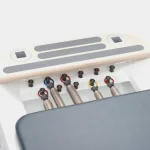
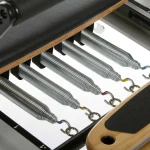
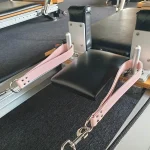
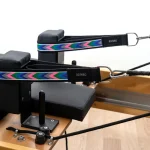
How to Clean Sticky Pilates Reformer Handles

Sticky straps ruin a good workout and collect dirt fast. Knowing how to clean sticky reformer handles properly keeps your equipment sanitary and extends strap life. The buildup usually comes from dried sweat, skin oils, or harsh chemical disinfectants that break down the material.
Commercial Pilates ropes and loops absorb noticeable amounts of body oil during regular use. Industry equipment standards recommend wiping touchpoints after every session to prevent this buildup. Let us walk through how to restore your handles safely without damaging them.
Image source: Bing (Web (fair-use with source credit))
Quick Answer
Clean sticky reformer handles using warm water and a drop of mild dish soap on a damp microfiber cloth. Wipe the surface gently to remove sweat and oils. Dry the straps completely with a towel before using them.
If the material feels gummy from chemical damage, dust it lightly with cornstarch. Never use alcohol wipes, bleach, or harsh degreasers on studio upholstery or rubber grips.
The Diagnosis: Why Reformer Handles Turn Sticky (Grime vs. Material Breakdown)
Image source: Bing (Web (fair-use with source credit))
Before cleaning, you need to check why the handles feel sticky. There are two very different causes.
The first cause is simple surface grime buildup. Body sweat, sebum oils, and lotions transfer directly from hands and feet to the strap fabric. Over time, these residues dry into a tacky film.
Grime stickiness washes away easily with mild soap and warm water.
The second cause is material degradation, known as plasticizer migration. Plasticizers are chemical additives that keep vinyl and synthetic rubbers flexible. Harsh alcohol wipes or ultraviolet light strip away the protective finish.
This damage causes the oils inside the plastic to weep out to the surface. Grime feels dirty and rubs off on a towel. Material breakdown feels gummy and stays sticky even after washing.
Handle Material Decision Tree: Match Your Method to Your Strap Type
Using the wrong cleaner can permanently destroy your straps. Follow this simple decision guide based on your handle material:
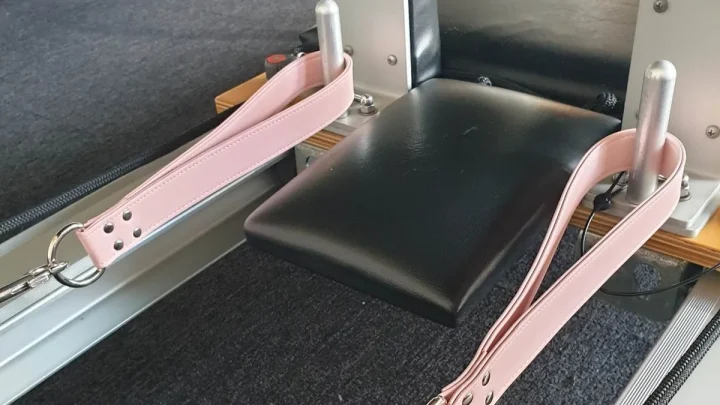
- If your handles are vinyl or synthetic leather, use a warm water wipe with a single drop of mild dish soap.
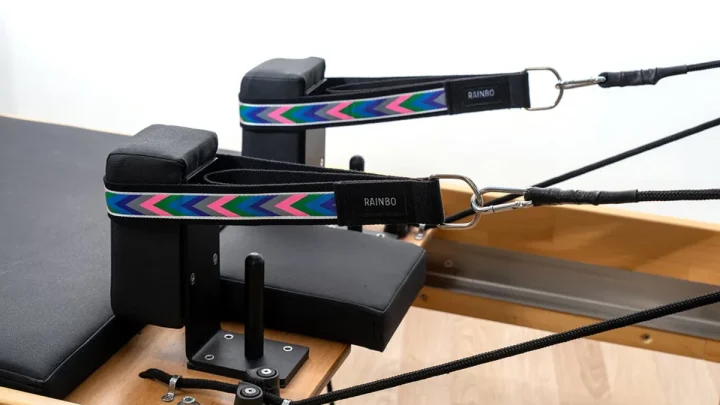
- If your handles are neoprene or cotton webbing, hand wash them in lukewarm water and air-dry them away from sunlight.
- If your handles are genuine leather, clean them exclusively with dedicated saddle soap and follow with leather conditioner.
- If your handles are rubberized or silicone, wash them with warm soapy water, dry thoroughly, and apply a light pinch of cornstarch.
| Handle Material | Safe Cleaning Agent | Unsafe Cleaners (Avoid) | Drying Protocol |
|---|---|---|---|
| Vinyl / Synthetic | Mild dish soap, warm water | Alcohol, bleach, solvent sprays | Towel dry immediately |
| Cotton / Neoprene | Gentle liquid detergent | High heat dryer, chlorine bleach | Flat air dry (6 to 12 hours) |
| Genuine Leather | Saddle soap, leather balm | Water soaks, disinfectant wipes | Air dry, buff with dry cloth |
| Molded Silicone | Diluted dish soap, baking soda | Mineral oil, acetone, harsh acids | Towel dry, light powder dusting |
Step-by-Step Cleaning Workflows by Strap and Grip Material
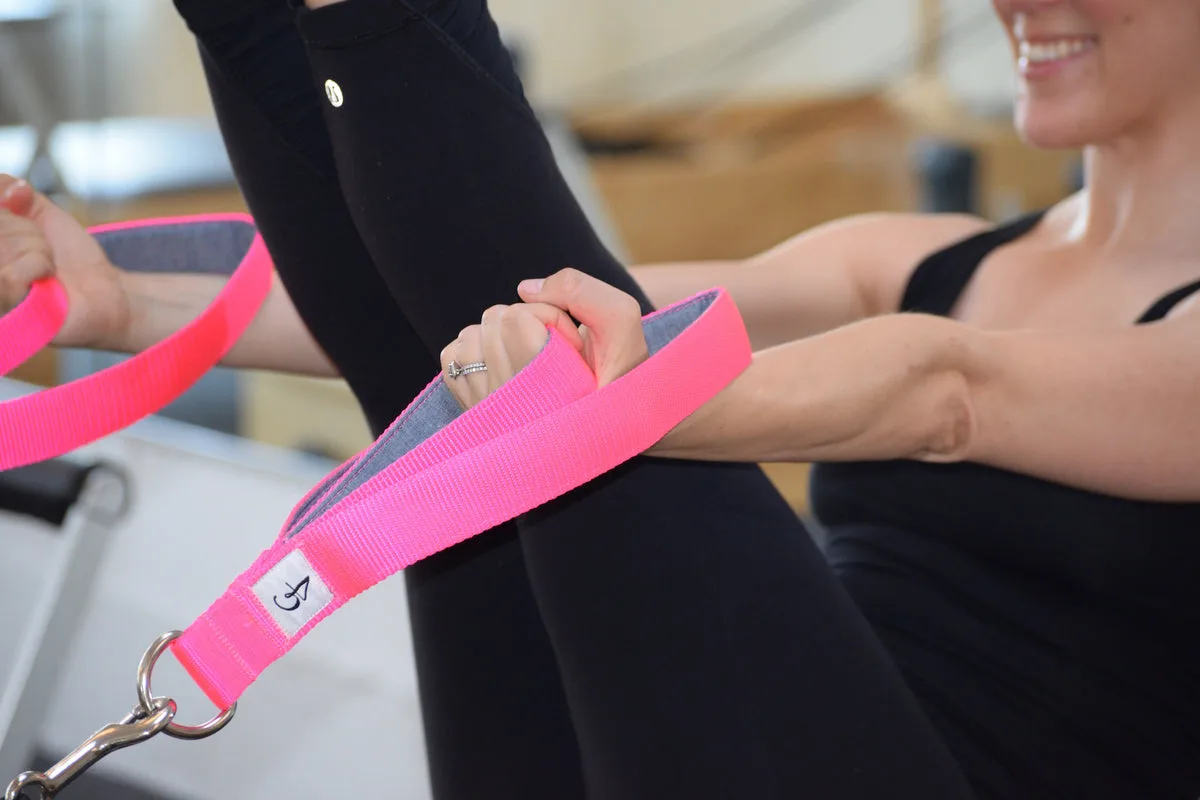
Image source: Bing (Web (fair-use with source credit))
Follow the exact cleaning protocol designed for your specific handle type. Always unclip the metal carabiners and D-rings before you begin cleaning.
Method A: Vinyl and Synthetic Leather Loops
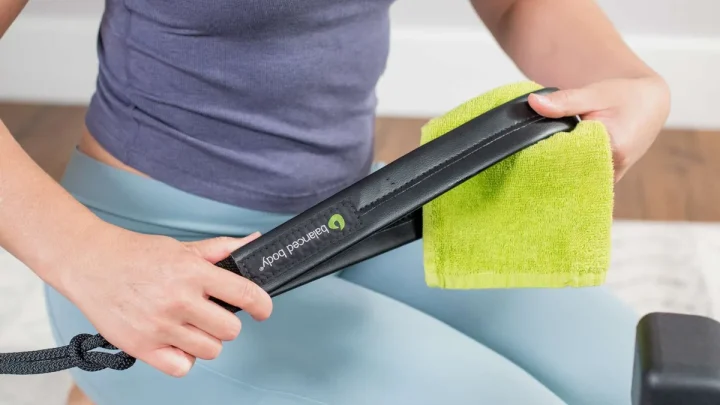
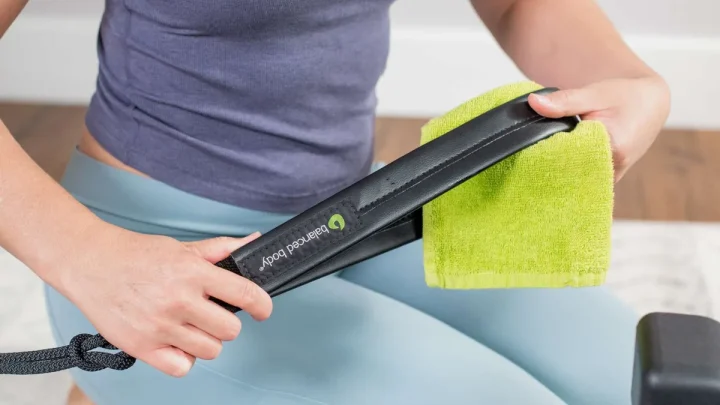
Vinyl-coated straps offer great durability when cared for properly. According to equipment maintenance guidelines from Balanced Body, harsh solvents quickly degrade synthetic upholstery.
- Mix two cups of warm water with one drop of gentle dish soap in a small bowl.
- Dip a microfiber cloth into the solution and wring it out completely until barely damp.
- Wipe down the entire vinyl surface using firm, circular motions.
- Wipe the handle again with a second cloth dampened only with plain water.
- Buff dry immediately with a clean, lint-free towel.
Method B: Neoprene, Cotton Webbing, and Foam Padded Handles
Fabric and foam straps soak up sweat deep into their fibers. They require deeper moisture extraction.
- Fill a basin with lukewarm water and add a teaspoon of gentle laundry detergent.
- Submerge the fabric straps and gently squeeze them by hand to loosen trapped oils.
- Rinse thoroughly under cold running water until no soap bubbles remain.
- Press the straps between two dry bath towels to squeeze out excess water.
- Lay them flat on a drying rack away from direct sunlight for 8 to 12 hours.
Method C: Traditional Rawhide and Finished Leather Straps
Classical reformers often use genuine leather straps that react poorly to excess water.
- Dampen a soft cloth very lightly and rub it onto a tin of saddle soap to create a light lather.
- Rub the soap gently across the leather strap to lift surface grime.
- Wipe off any excess soap foam immediately with a dry microfiber cloth.
- Apply a dime-sized amount of leather conditioner once every three months to keep the hide supple.
Method D: Rubberized and Molded Silicone Grips
Silicone and rubber handles attract oils fast and can develop an oily sheen.
- Wipe the grips using a warm, soapy cloth to remove skin grease.
- For persistent tacky spots, make a paste of baking soda and water. Rub it on the grip, let it sit for two minutes, and wipe clean.
- Dry the grip completely with a clean towel.
- Dust a tiny pinch of cornstarch across the surface and wipe off the excess to eliminate remaining tackiness.
How to Treat Chemical Stickiness from Plasticizer Migration
When disinfectant chemicals melt the top layer of vinyl or rubber, regular soap will not stop the stickiness. As of 2026, many studios encounter this issue after using aggressive hospital-grade wipes on studio apparatus.
You can often salvage melted handles with a two-step neutralization method. First, wipe the handles down with a damp microfiber cloth to remove active surface residues.
Next, dust the tacky area with a light coating of pure cornstarch. Rub the powder firmly into the sticky spots using your fingertips. The dry powder binds to the migrating plasticizers, creating a smooth, dry barrier.
Buff away any visible white powder with a dry cloth. If the handle continues weeping plasticizer after multiple treatments, the internal polymer has broken down completely. At that point, strap replacement is the only safe option.
Common Cleaning Mistakes That Permanently Damage Reformer Straps
Using the wrong cleaning supplies ruins reformer straps quickly. The most common mistake is wiping vinyl and rubber handles with alcohol-based sanitizing wipes. Isopropyl alcohol dissolves the outer protective coating, leading to irreversible chemical melting.
Another major mistake is soaking fabric or foam handles in water without full air drying. Trapped water inside thick padding leads to mildew growth and sour odors. It also weakens the internal stitching over time.
Avoid these specific practices to protect your straps:
- Do not use bleach, citrus degreasers, or ammonia sprays on synthetic leather.
- Do not put padded foam or rubber-lined straps into a machine dryer. High heat warps the padding and melts internal glues.
- Do not saturate genuine leather with wet sponges. Excess moisture causes natural hide to crack and stiffen.
- Do not scrub vinyl handles with abrasive scouring pads or stiff wire brushes.
Daily and Weekly Maintenance Schedule to Keep Grips Fresh
A regular maintenance routine prevents sticky sweat buildup before it hardens. Following manufacturer recommendations, such as the care protocols from Merrithew, keeps touchpoints clean without degrading materials.
Daily Post-Session Care
Wipe down vinyl handles immediately after every workout session. Use a microfiber cloth lightly misted with clean water or a highly diluted mild soap solution. Always dry the handles with a clean towel instead of letting them air dry wet.
Weekly Deep Maintenance
Inspect straps weekly for loose stitching, hardware wear, or gummy spots. For fabric loops, wash them weekly in busy studios, or monthly for home reformers. Keep strap covers on hand for high-traffic environments to cut down on handle wear.
| Task | Frequency | Best Method | Target Materials |
|---|---|---|---|
| Surface Wipe | After every session | Barely damp microfiber cloth | Vinyl, silicone, rubber |
| Fabric Wash | Weekly (studio) / Monthly (home) | Hand wash, mild soap, flat air dry | Cotton webbing, neoprene |
| Leather Conditioning | Every 3 to 6 months | Saddle soap, leather balm | Genuine leather, rawhide |
| Tackiness Treatment | As needed | Baking soda rub or cornstarch dust | Degraded rubber, silicone |
Frequently Asked Questions About Reformer Handle Care
Can I use Clorox or Lysol wipes on my reformer handles?
No, you should avoid standard disinfectant wipes on vinyl, leather, and rubber handles. These wipes contain alcohol or harsh quaternary compounds that dissolve the top layer of synthetic materials. That chemical reaction leads to permanent stickiness and surface cracking.
Use warm water with mild dish soap instead.
How do I stop sweat from making fabric loops smelly and sticky?
Wash your fabric straps regularly by hand in lukewarm water with gentle laundry detergent. Always let them air-dry completely on a flat surface before reattaching them to your reformer. Using removable, washable cotton loop covers also protects the main straps from absorbing sweat and body oils directly.
Can I put reformer straps in the washing machine?
You can machine wash plain cotton webbing straps if you place them inside a mesh laundry bag. Use a gentle cycle with cold water and mild detergent. Always air-dry them flat.
Never machine wash handles with built-in foam padding, leather accents, or non-removable metal hardware.
Why do my rubber reformer handles feel sticky even after washing?
If washing with soap does not remove the stickiness, the rubber or vinyl is undergoing plasticizer migration. This breakdown happens when protective coatings wear off from age or harsh chemical exposure. You can temporarily fix the tacky feeling by dusting the grip with a light layer of cornstarch.

Similar Posts