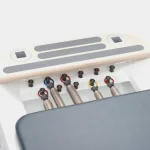
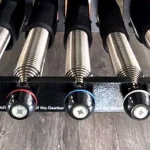
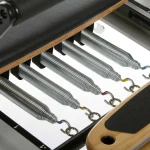
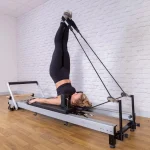
Are Reformer Pulleys Universal? What You Need to Know
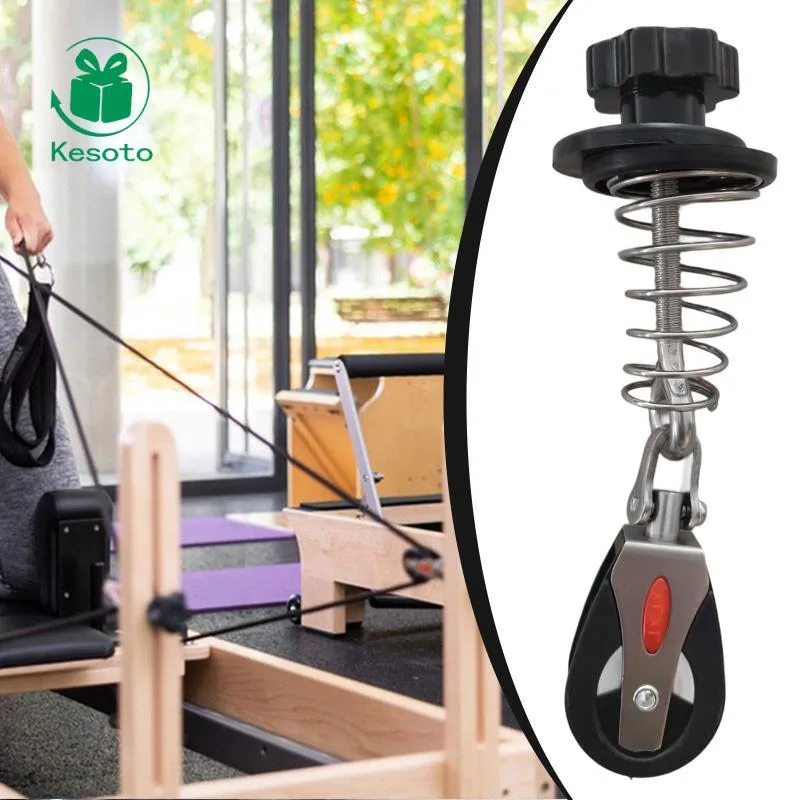
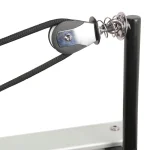
If you are dealing with a squeaky, sticking, or cracked block on your carriage frame, you are probably asking: are reformer pulleys universal? The short answer is no, they are not interchangeable across different machines. While many pulleys look similar from a distance, mounting posts, rope groove widths, and hardware standards vary widely between manufacturers.
Pilates equipment must withstand significant dynamic tension, often exceeding 200 pounds of combined spring resistance and body weight. Sourcing the wrong hardware can damage your ropes, strip your frame threads, or compromise user safety. Understanding the mechanical differences across commercial and home models makes finding the right replacement straightforward.
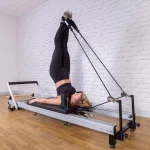
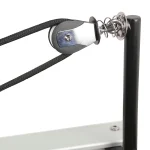
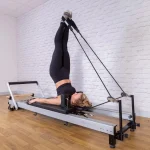
Image source: Web (Bing) / shopee.com.my (Web image (fair-use with source credit))
Quick Answer: Are Pilates Reformer Pulleys Universal?
Reformer pulleys are not universal across brands. Mounting styles differ between manufacturers. Riser posts use different metric and imperial thread sizes.
Sheave grooves must match specific rope diameters to prevent fraying.
Contemporary reformers use marine-grade swivel blocks with ball bearings. Classical reformers use rigid brass or bronze wheels for leather straps. You must match your machine's exact mounting method and rope dimensions.
Why Reformer Pulleys Are Not One-Size-Fits-All
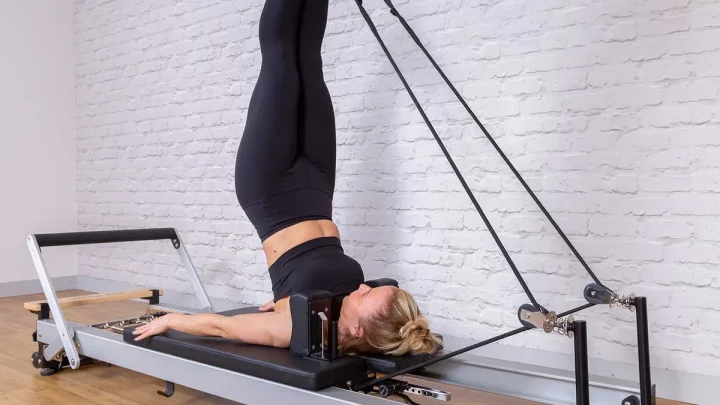
Modern reformers rely on smooth, frictionless rope travel to give you precise movement feedback. When a pulley fails, grabbing a random replacement off the internet usually leads to frustrating mechanical issues. Equipment builders design their pulley assemblies around specific load tolerances, rope types, and frame geometries.
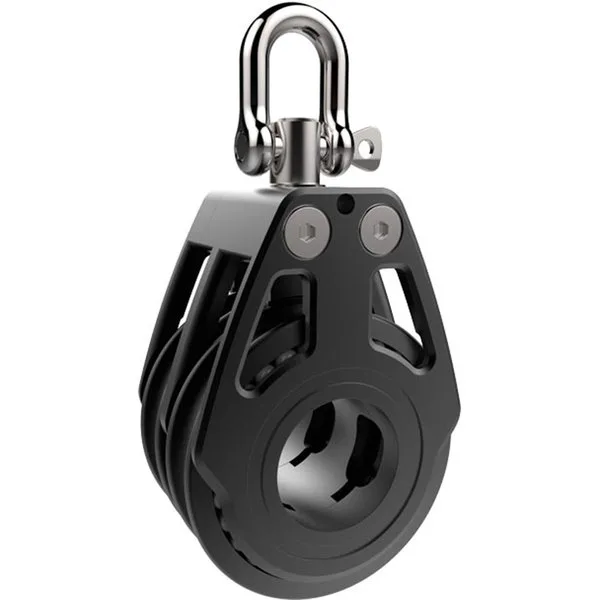
Image source: Web (Bing) / boatplicity.com (Web image (fair-use with source credit))
The Marine Hardware Connection (Ronstan vs. Harken vs. Generic)
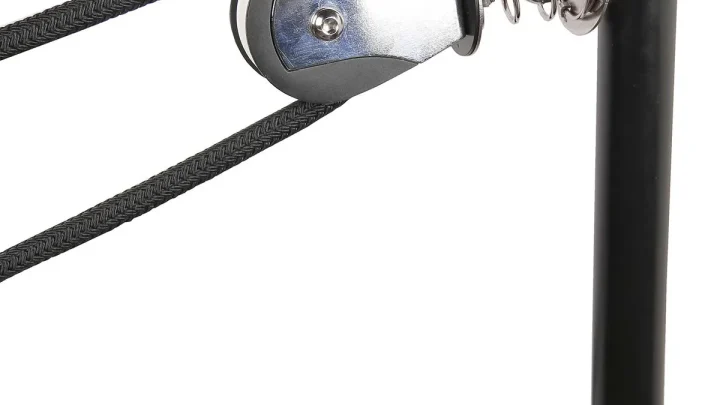
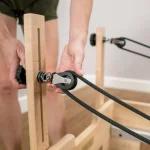
High-end commercial manufacturers do not make their own pulleys from scratch. Instead, top brands source hardware from marine sailing specialists like Ronstan and Harken. These sailing blocks feature self-lubricating Delrin ball bearings designed to handle high loads without seizing.
Generic fitness pulleys from standard cable gym equipment use hard nylon wheels with steel sleeve bushings. These gym pulleys create too much rolling resistance for Pilates work. They also lack the multi-axis articulation needed when you pull the straps out to the side during arm series.
Riser Post Diameters and Thread Pitch Variations
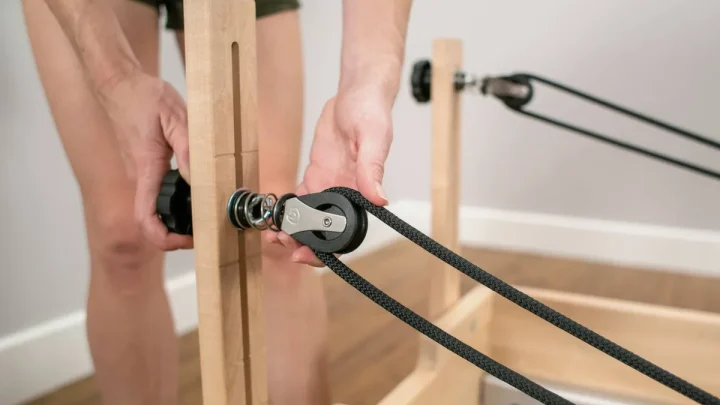
The metal post that holds the pulley to your reformer frame is a major compatibility hurdle. Some brands use imperial 1/2-inch or 5/8-inch riser posts, while others use metric 12mm, 15mm, or 16mm shafts.
Thread pitches also vary. If your reformer uses threaded eye bolts or drop-in riser pins, mixing imperial UNC threads with metric threads will instantly cross-thread and destroy the socket.
Sheave Groove Profiles and Rope Diameter Dynamics
The sheave is the grooved internal wheel the rope rolls over. Pulley sheaves are shaped to match specific line diameters, usually 8mm, 9.5mm, or 10mm climbing-grade rope.
If you run a thick 10mm rope over a narrow 8mm sheave, the rope pinches against the side walls. This causes rapid exterior fraying and jerky carriage return. Conversely, a thin rope in a wide channel can slip out of the groove and jam between the wheel and outer housing.
Classical Rigid Blocks vs. Contemporary Swivel Pulleys
Classical reformers built to original specifications use fixed, non-swiveling metal pulleys. These traditional blocks feature wide, flat metal wheels designed specifically for flat leather straps rather than round dynamic ropes.
Installing a modern swivel block on a classical frame changes the alignment and feel of traditional exercises. Similarly, putting a rigid classical block on a modern reformer prevents the lateral movement needed for varied strap angles.
Decision Tree: Finding the Exact Replacement Pulley for Your Machine
Use this diagnostic sequence to identify the correct replacement category for your reformer.
Is your reformer Classical (leather straps) or Contemporary (ropes)?
 │
 ├── Classical ──> Select rigid bronze/brass pulley blocks sized for flat leather straps.
 │
 └── Contemporary (Ropes)
      │
      ├── Budget / Folding Home Frame (e.g., Stamina AeroPilates)
      │    └── Match metric bolt diameter and shallow U-channel plastic/nylon sheaves.
      │
      └── Commercial / Professional Studio Frame
           │
           ├── Eye-Bolt or Shackle Mount (e.g., Balanced Body Studio / Allegro)
           │    └── Source Ronstan Series 20/30 or Harken 29mm Carbo swivel blocks.
           │
           └── Proprietary Integrated Riser Post (e.g., Merrithew SPX / Peak)
                └── Measure post outer diameter (OD) and order OEM-matched riser assemblies.
Branch 1: Brand-Specific Modern Commercial Reformers
If you own a professional studio machine, your easiest route is matching the original sailing block hardware. Studio reformers commonly use removable swivel blocks attached via a stainless steel eye bolt, clevis pin, or snap shackle.
As of 2026, leading manufacturers continue to use marine-grade composite blocks because they resist sweat corrosion and require zero wet lubrication.
| Reformer Style | Common Pulley Brand / Type | Typical Rope Gauge | Attachment Style |
|---|---|---|---|
| Balanced Body Studio / Allegro | Ronstan Orbit / Series 20 or 30 | 8mm to 10mm dynamic rope | Eye-bolt or quick-release shackle |
| Merrithew (STOTT) | Custom proprietary swivel block | 8mm to 9.5mm synthetic line | Drop-in tubular riser post |
| Peak Pilates | Marine swivel block on riser | 9.5mm braided rope | Threaded riser post with lock collar |
| Gratz / Contrology | Rigid brass or stainless housing | Flat leather straps (1.25" width) | Fixed-angle frame mount |
| Stamina AeroPilates | Molded nylon utility pulley | 6mm to 8mm elastic cord/rope | Direct frame bolt through hub |
Branch 2: Budget and Folding Home Reformers
Home units often use simplified, cost-effective hardware. These machines frequently mount a standard nylon pulley directly through the wheel center hub using a single bolt.
When replacing pulleys on entry-level units, you do not need expensive marine ball-bearing blocks. However, you must measure the bolt diameter precisely. Most budget frames use standard 8mm or 10mm metric bolts.
Branch 3: Classical Leather-Strap Reformers
Classical equipment demands specialized, heavy-duty metal hardware. These pulleys do not have ball bearings. Instead, they rely on solid bronze or brass bushings that provide a distinct, grounded drag profile.
Do not substitute standard dynamic rope pulleys on these units. Doing so will twist and ruin authentic leather straps within a few sessions.
Key Specifications to Measure Before Buying Replacement Hardware
Never order replacement hardware based on visual appearance alone. Take these four critical measurements using a digital caliper before making a purchase.
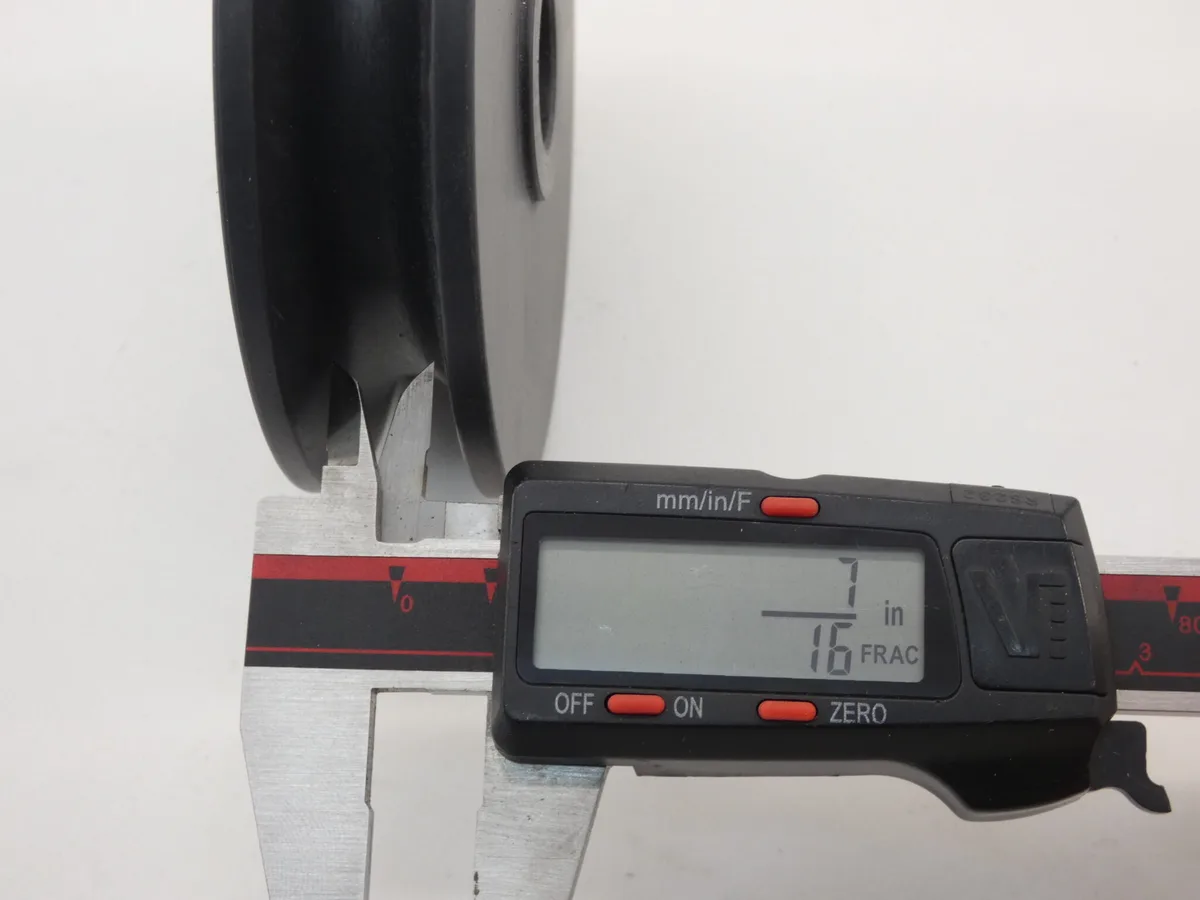
Image source: Bing (Web (fair-use with source credit))
- Sheave Outer Diameter: Measure the total width of the internal pulley wheel. Most reformer blocks use 20mm, 29mm, or 40mm sheaves.
- Sheave Channel Width: Measure the bottom curve of the rope groove. The groove must be roughly 1mm wider than your rope diameter for smooth tracking.
- Mounting Pin / Bolt Diameter: Measure the thickness of the bolt or post that connects the pulley to the frame or riser tube.
- Swivel Head Clearance: Check the internal height of the attachment loop to make sure it rotates freely without rubbing against your riser post collar.
Installation and Safety: Load Ratings, Thread Locking, and Alignment
Pulley replacement is a critical mechanical repair. Per ASTM International fitness equipment safety guidelines (ASTM F2276), all load-bearing components must maintain adequate safety factors against mechanical failure during dynamic exercise.
Follow these technical installation rules to keep your reformer secure:
- Verify Safe Working Load (SWL): Choose replacement marine blocks with a rated SWL of at least 250 pounds (113 kg) and a breaking load exceeding 750 pounds (340 kg).
- Apply Medium-Strength Threadlocker: Apply two drops of blue threadlocking fluid (such as Loctite 242) to the mounting bolt threads. Spring vibration can back loose nuts out over time.
- Preserve Swivel Freedom: Never over-tighten mounting brackets to the point where the pulley head cannot rotate 360 degrees. Binding creates side-load stress that can snap riser posts.
- Check Tracking Alignment: Thread your rope through the new assembly and pull the carriage to full extension. The rope should enter and exit the center of the sheave channel without scraping against the outer cheeks.
Common Pulley Replacement Mistakes That Ruin Carriage Glide
Installing the wrong replacement part often introduces subtle friction that ruins the smooth feel of your carriage. Here are the most frequent errors reported across studio maintenance logs:
- Installing Standard Gym Cable Pulleys: General fitness cable pulleys feature deep V-shaped grooves meant for stiff, plastic-coated steel wire. When you run soft braided Pilates ropes over a V-groove, the rope wedges deep into the channel. This creates heavy resistance, flattens the rope core, and wears out fibers quickly.
- Forcing Incompatible Thread Pitches: Forcing an imperial 3/8-16 eye bolt into a metric M10 threaded riser will strip aluminum threads instantly. If a bolt resists turning past the second thread by hand, stop immediately and check the thread pitch.
- Over-Tightening the Attachment Hardware: Swivel blocks need total rotational freedom. If you clamp the mounting shackle down too tightly against the frame bracket, the pulley cannot rotate during wide-arm movements. The rope will rub aggressively against the side plates.
- Ignoring Sheave Bearing Types: Budget replacement wheels often use plain bronze or steel sleeve bushings without ball bearings. These require heavy loads to spin freely. Under light spring resistance, bushing-based wheels drag rather than rotate, flat-spotting the plastic wheel over time.
Routine Maintenance: Keeping Pulleys Silent and Smooth Without Attracting Dust
Pilates studio environments generate substantial amounts of airborne dust and linen fiber from grip socks and clothing. Keeping your pulley system clean prevents unexpected squeaks and extends hardware life.
First, never apply standard wet lubricants like WD-40, silicone oil, or machine grease to modern reformer pulleys. Acetal Delrin ball bearings are designed to run completely dry. Wet oils trap dust, pet hair, and lint inside the bearing races, forming a gritty paste that grinds down the ball bearings.
To clean noisy or stiff marine blocks, blow out accumulated debris using compressed air. If sticky residue persists, flush the pulley block thoroughly with warm, clean water while spinning the sheave by hand. Allow the hardware to air dry completely before re-threading your ropes.
For persistent squeaks on older non-bearing metal pulleys, use a dedicated dry PTFE (Teflon) spray. Dry lubricants leave a micro-thin, non-sticky coating that sheds studio debris while silencing metal-on-metal friction. Inspect your pulley assemblies monthly for hairline cracks in the composite cheeks, loose cotter pins, and uneven sheave wear.
Frequently Asked Questions About Reformer Pulleys
Can I use hardware store pulleys on my Pilates reformer?
Hardware store utility pulleys should not be used on Pilates reformers. Utility pulleys feature static axle pins and stamped steel casings with rough interior edges. They lack dynamic ball bearings and multi-axis swivels, causing immediate rope friction, loud operational noise, and accelerated line fraying under client loads.
How do I know when my reformer pulleys need replacement?
Replace your pulleys if you spot visible cracking in the composite casing, lateral wobble in the center sheave, or flat spots on the rolling wheel. Grinding noises that persist after cleaning indicate collapsed internal ball bearings. A worn pulley adds noticeable drag to your carriage return.
Why do my reformer pulleys squeak during movement?
Pulley squeaks occur when trapped dust clogs internal bearings or when an unlubricated metal shackle rubs against an eye bolt. Swivel heads also squeak if overtightened against frame brackets. Clean the unit with compressed air and verify that the mounting block rotates freely under tension.
Can I upgrade fixed pulleys to swivel pulleys on an older reformer?
You can upgrade fixed pulleys to modern swivel blocks if your frame has sufficient clearance and standard eye-bolt mounting points. Upgrading allows greater freedom of movement during rotational and lateral strap exercises. Measure your riser post diameter to ensure proper bracket fit before converting older equipment.
Are marine sailing blocks better than OEM replacement pulleys?
Marine blocks from established sailing manufacturers are identical to the OEM hardware used by premium commercial Pilates brands. Sourcing directly from marine suppliers provides identical load capacities and Delrin bearing performance, frequently at a lower price point than branded fitness distributors. Verify sheave dimensions before ordering.

Similar Posts