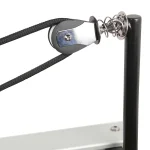
How to Replace Reformer Pulley Bearings: Step-by-Step
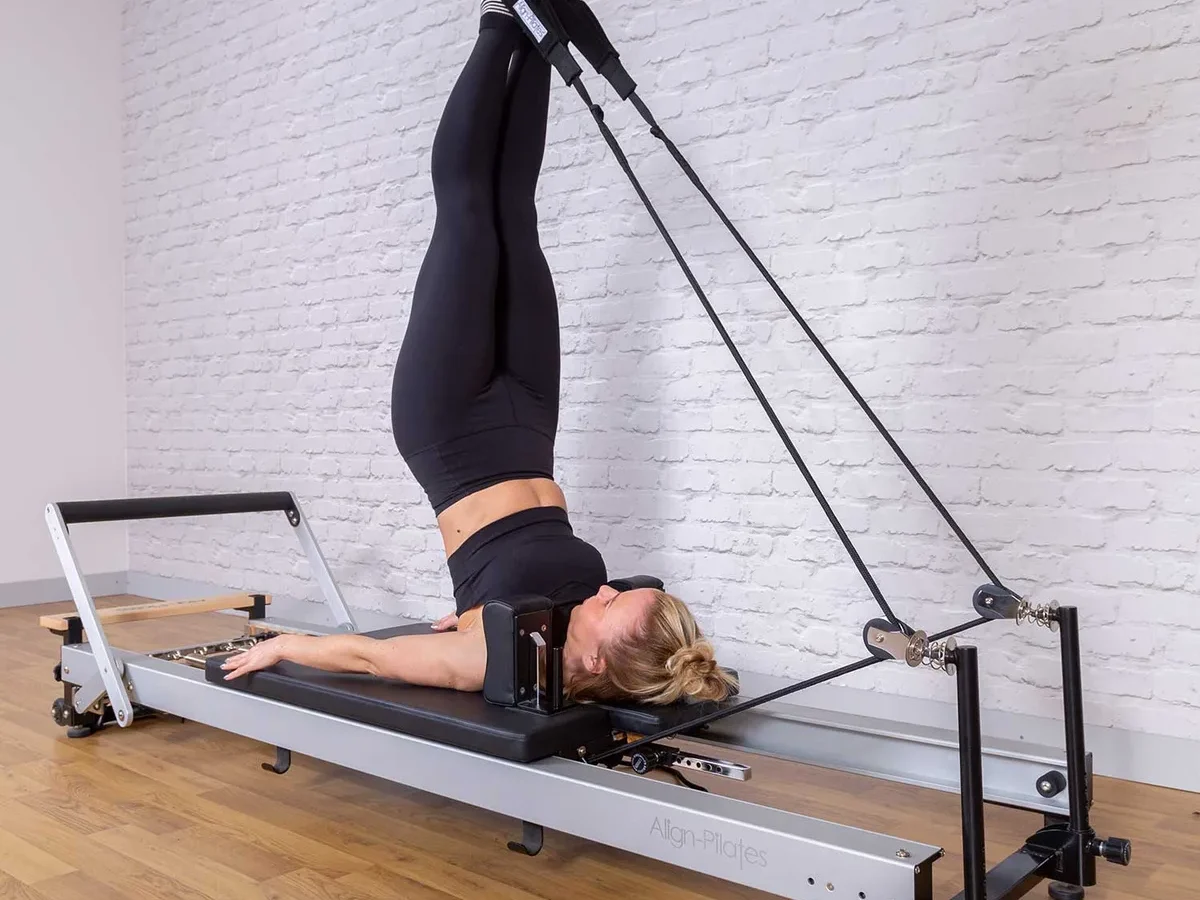
A gritty, squeaking noise coming from your riser posts quickly ruins the feel of a Pilates workout. Learning how to replace reformer pulley bearings restores that silent, frictionless carriage glide without forcing you to buy expensive complete hardware assemblies. Most commercial and home reformers use standard radial bearings that swap out in minutes.
Studio equipment experiences thousands of cycles each week, so bearings inevitably dry out or develop flat spots. Standard commercial reformers typically rely on 608-series ball bearings manufactured to ABMA standards for radial load tolerance. Replacing these internal components costs only a few dollars per side and keeps your ropes running smoothly.
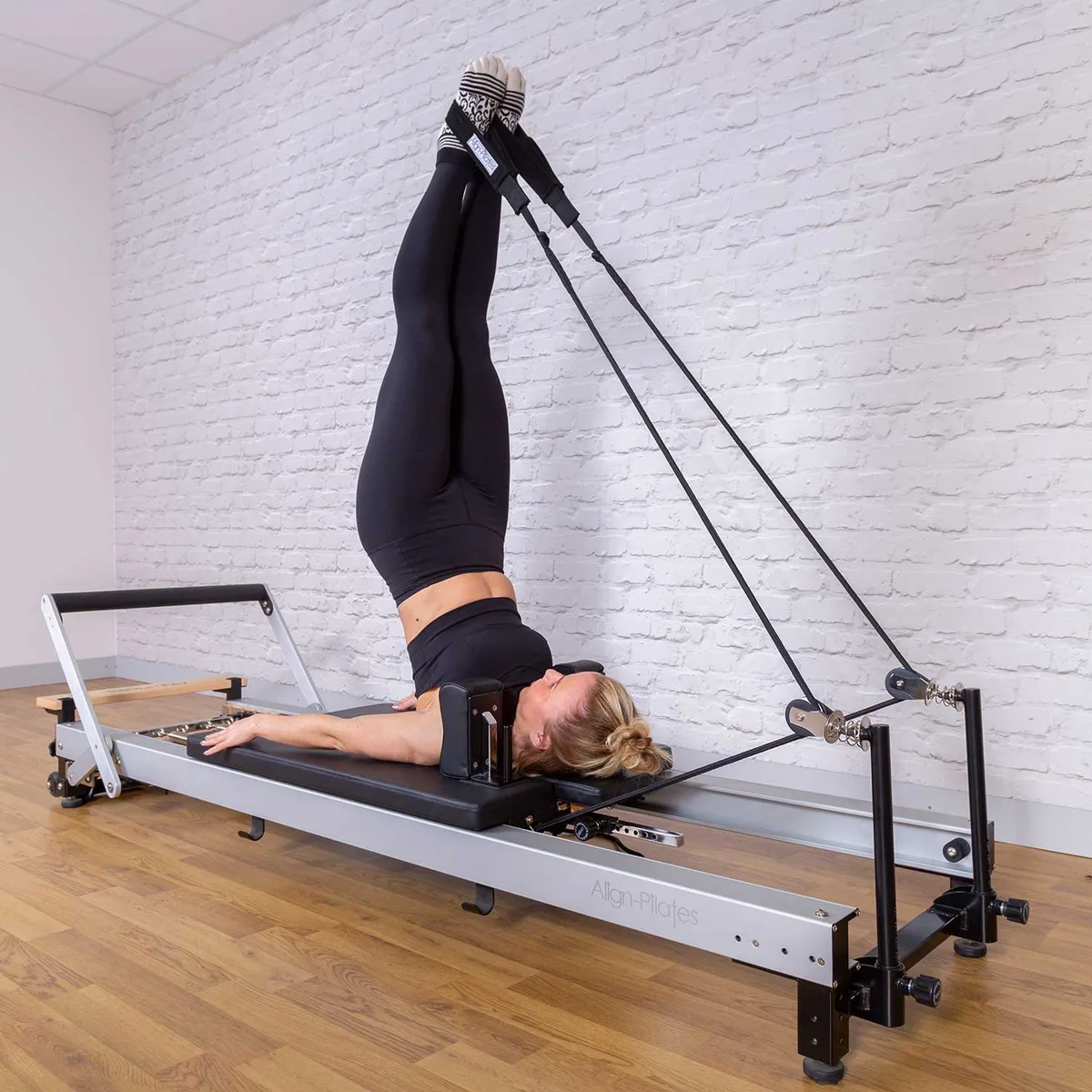
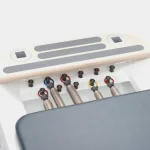
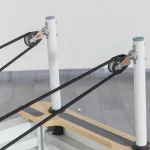
Image source: Bing (Web (fair-use with source credit))
Quick Answer
To learn how to replace reformer pulley bearings, remove the center axle bolt first. Next, tap the worn bearings out of the wheel using a punch. Clean the wheel recess thoroughly.
Press two new 608-2RS rubber-sealed bearings into the hub. Reinstall the inner race spacers and tighten the axle nut until side play stops.
The Telltale Signs Your Reformer Pulley Bearings Are Shot
Bearing wear shows up in sound and resistance before a pulley ever locks up completely. You will usually feel the problem in the straps before you spot it visually.
Here are the primary symptoms of failing bearings:
- Grinding or rumbling: You hear a gritty, vibrating noise when the carriage returns under light spring tension.
- Notchy strap travel: The rope movement feels bumpy or stepped rather than smooth during arm work.
- Axial wheel wobble: The sheave rocks laterally inside the bracket cheek plates when wiggled by hand.
- Black dust buildup: Fine metallic or degraded rubber powder gathers around the axle bolt head.
If the pulley wheel spins freely for five seconds when spun by hand, the grease has completely washed out. Healthy bearings have a muted, viscous resistance because internal grease dampens the spin.
The Decision Branch: Can Your Pulleys Be Rebuilt or Replaced Entirely?
Not every reformer pulley can be disassembled. Before ordering replacement bearings, you need to identify your pulley bracket construction.
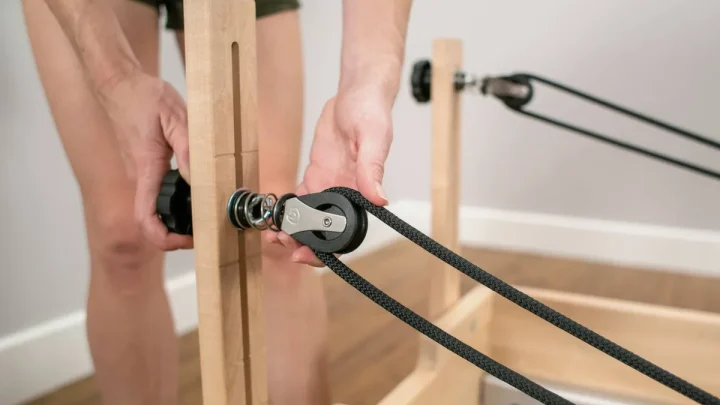
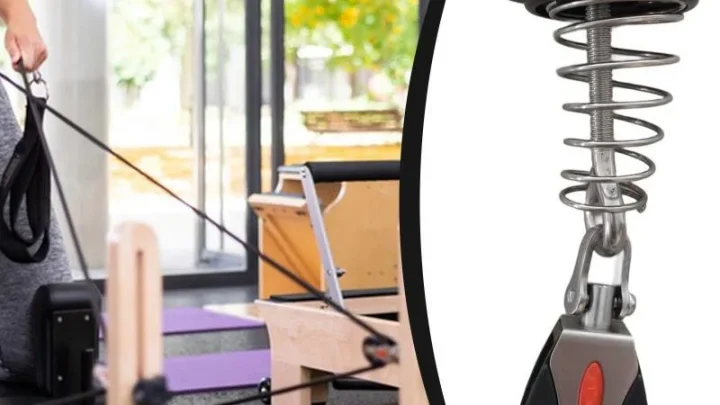
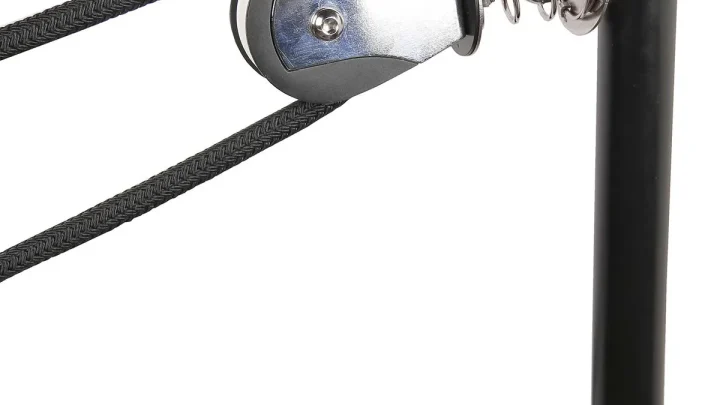
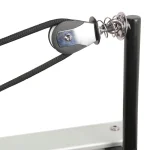
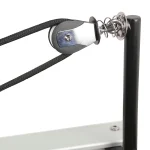
If your pulley uses a bolt and locknut running through the center axle, your assembly is fully serviceable. Equipment from brands like Balanced Body and Peak Pilates commonly uses these bolt-through designs. You can unbolt the cheek plates, extract the old bearings, and press new ones into the sheave.
If your pulley housing uses solid pressed rivets instead of a threaded bolt, the assembly cannot be rebuilt safely. Riveted blocks, including certain sealed marine pulleys from Ronstan or Harken, require a full replacement of the entire swivel unit.
| Pulley Construction | Common Brands | Service Action | Rebuild Cost |
|---|---|---|---|
| Bolt-Through Axle | Balanced Body, Peak, Merrithew commercial | Replace internal bearings only | $3 to $8 per pulley |
| Riveted Cheek Plates | Harken marine blocks, budget home brands | Replace complete pulley block | $35 to $75 per block |
| Bushing-Style Sheave | Vintage or low-profile wood reformers | Clean and replace brass bushing | $2 to $5 per bushing |
Acetal (Delrin) plastic sheaves should also be inspected for rope grooves. If the rope has worn a deep track into the plastic channel, replace the wheel along with the bearings.
Choosing the Right Replacement Bearings: Specs, Seals, and Materials
The standard bearing size used in almost all serviceable reformer pulleys is the 608 radial ball bearing. This is identical in size to a standard skateboard bearing. The dimensions are 8mm inner bore, 22mm outer diameter, and 7mm width.
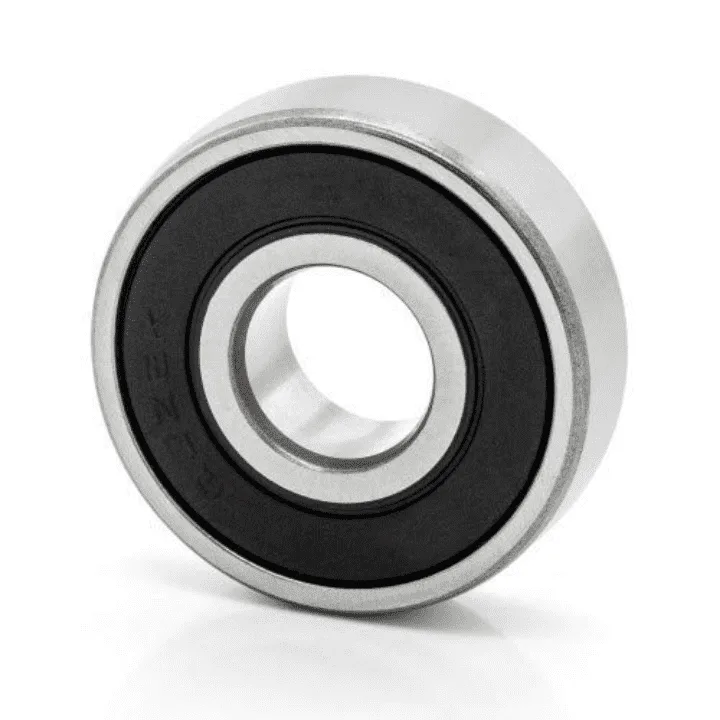
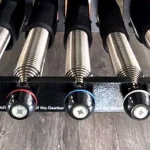
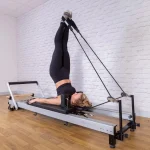
Image source: Bing (Web (fair-use with source credit))
As of 2026, bearing seals and alloy choices make a noticeable difference in studio environments:
- 2RS Rubber Seals (Recommended): Bearings stamped "608-2RS" have contact rubber seals on both sides. These keep out dust, pet dander, and strap lint while locking in synthetic grease.
- ZZ Metal Shields: Bearings marked "608-ZZ" use non-contact metal shields. They roll slightly faster but allow floor dust and microfiber lint to enter the raceway.
- Chrome Steel (52100): The industry standard for smooth, quiet operation under moderate tension.
- Stainless Steel (440C): Best for humid climates or reformer studios located near coastal salt air to prevent corrosion.
Avoid open bearings without shields or seals. Reformers generate static charge as carriages glide, which attracts airborne fibers straight into unsealed bearing tracks.
Tools and Parts Checklist Before You Start
Gathering the correct tools beforehand prevents damage to the plastic pulley wheels during bearing removal and installation.
- New 608-2RS bearings: Two bearings per pulley wheel (four bearings total for a complete reformer refresh).
- Hex keys or socket wrench: Usually a 4mm or 5mm Allen key and a 10mm wrench for the axle nut.
- Drift punch or 8mm bolt: Used to tap the old bearings out through the center bore.
- Rubber mallet or small dead-blow hammer: Provides controlled, soft-impact tapping force.
- 14mm or 15mm socket: Used to press new bearings in by their outer steel ring.
- Isopropyl alcohol and lint-free rag: For degreasing the interior hub of the sheave.
- Replacement M6 or M8 Nyloc nuts: Locking nuts lose their nylon grip after removal and should be replaced.
Step-by-Step: How to Extract and Press New Reformer Bearings
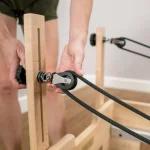
Once your tools are ready, work on one pulley at a time so you have a visual reference for how the hardware fits together.
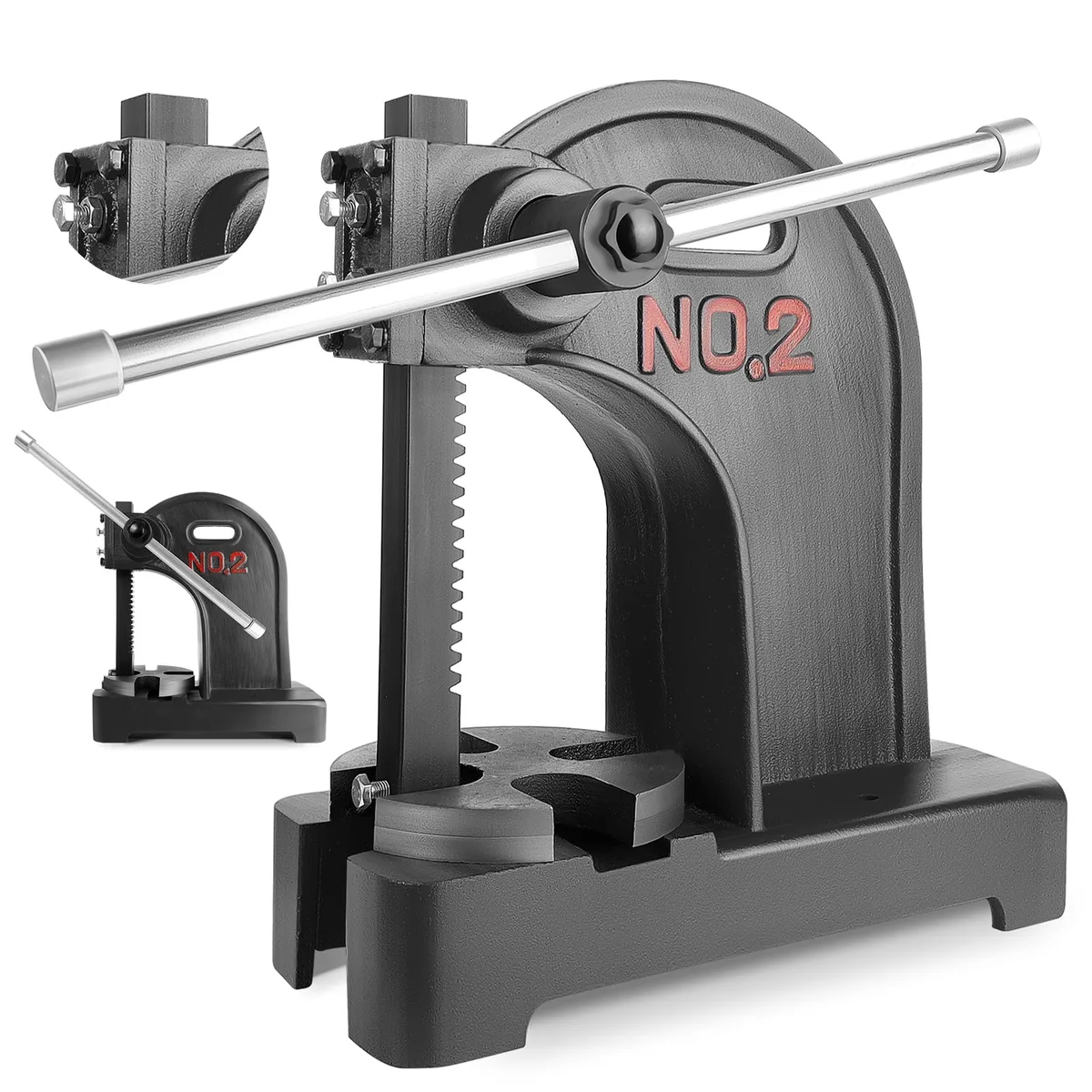
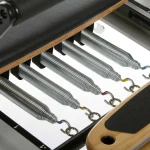
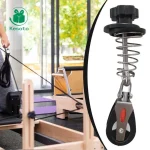
Image source: Web (Bing) / walmart.com (Web image (fair-use with source credit))
Step 1: Remove the Pulley from the Riser
Unthread your reformer rope and let it rest on the carriage. Hold the bolt head still with an Allen wrench while turning the locknut with your socket wrench. Slide the center axle bolt out and catch the cheek plates, spacer washers, and the wheel sheave.
Step 2: Extract the Worn Bearings
Inside the wheel hub, you will find two bearings separated by a center ridge or floating spacer. Insert your punch into the center bore at a slight angle until it catches the inner lip of the bottom bearing. Tap gently with your mallet, rotating around the circle so the bearing walks out straight without gouging the plastic hub.
Flip the wheel over and tap out the second bearing.
Step 3: Clean the Wheel Hub Recess
Wipe the internal cavity of the sheave using isopropyl alcohol. Remove all dried grease, grit, and plastic shavings. Inspect the inner hub walls to ensure no deep scratches exist that might cause the new bearing to seat unevenly.
Step 4: Press the New Bearings Squarely
Lay one new 608-2RS bearing flat over the wheel opening. Place a 14mm socket on top of the bearing, ensuring the socket contacts only the outer steel ring of the bearing. Tap the socket gently with your rubber mallet until the bearing seats flush against the internal shoulder of the wheel.
Flip the wheel and repeat the process for the second bearing. Never strike the inner ring or the rubber seal directly during installation.
The Critical Spacer Stack: Reassembling and Setting Axle Torque
Reassembling your pulley correctly requires following the exact spacer orientation. If a spacer is placed incorrectly, the outer cheek plates will press against the rotating wheel body and cause immediate drag.
The axle hardware must stack in this specific order:
- Axle bolt: Passes through the first outer cheek plate bracket.
- Outer step washer: Sits between the cheek plate and the first bearing. The raised lip must face inward to touch only the bearing inner race.
- Pulley sheave with new bearings: Slides onto the axle shaft.
- Second step washer: Sits against the opposite bearing, with its raised lip facing inward.
- Second cheek plate bracket: Secures the other side of the housing.
- Nyloc locknut: Threads onto the axle bolt tip.
When tightening the center bolt, torque control is critical. Tighten the nut until all lateral side-to-side wobble disappears. Spin the wheel with your fingers.
If the wheel stops immediately or feels stiff, loosen the locknut by one-eighth of a turn.
Always install a fresh nylon-insert locknut during reassembly. Reused locknuts lose their nylon friction grip over time, which can allow the axle to vibrate loose under tension.
Common Pitfalls That Cause Noise and Premature Bearing Failure
Most replacement issues happen during installation rather than from defective parts. Avoiding a few common assembly mistakes ensures your new bearings last for years.
- Hammering the inner ring: Striking the center ring or rubber seal during installation dents the raceways. This damage, known as brinelling, creates an instant clicking sound on every revolution.
- Omitting the step spacers: Assembling the pulley without inner-race spacers forces the metal bracket directly against the plastic wheel. The wheel will bind completely as soon as you tighten the axle nut.
- Spraying penetrating oil into sealed bearings: Spraying lubricants like WD-40 onto sealed bearings dissolves the internal factory grease. Thin oils quickly leak out and attract abrasive studio dust into the raceways.
- Ignoring rope alignment: If your riser pulleys sit crooked, the rope rubs along the plastic cheek edges. This lateral drag creates friction noise that mimics bad bearings.
If you notice squeaking right after a rebuild, check bracket clearance first. The wheel should rotate freely without touching either metal side plate.
Frequently Asked Questions About Reformer Pulley Maintenance
How often should reformer pulley bearings be replaced?
In commercial studios with continuous daily classes, replace pulley bearings every 12 to 24 months. For home reformers used by one person, bearings typically last three to five years. Replace them immediately if you feel gritty strap travel or hear squeaking under load.
Can I lubricate squeaky reformer bearings instead of replacing them?
No, sealed 608-2RS bearings are permanently lubricated at the factory and cannot be repacked effectively. Spraying external oils only attracts lint and dissolves the internal grease. Replacing the sealed units is the only reliable fix for worn or noisy bearings.
What ABEC rating is best for Pilates reformer pulleys?
ABEC-3 or ABEC-5 bearings are ideal for reformer pulleys. Higher ratings like ABEC-7 or ABEC-9 are designed for extreme rotational speeds of over 20,000 RPM. Reformer pulleys rotate at slow speeds, so high ABEC precision provides no noticeable benefit.
Why does my pulley still squeak after installing new bearings?
A persistent squeak usually indicates that the axle locknut is overtightened or an inner step washer is missing. This causes the spinning sheave to grind against the outer bracket cheek plates. Loosen the axle nut slightly to restore proper clearance.

Similar Posts