Why Your Reformer Rope Is Squealing (And How to Fix It)
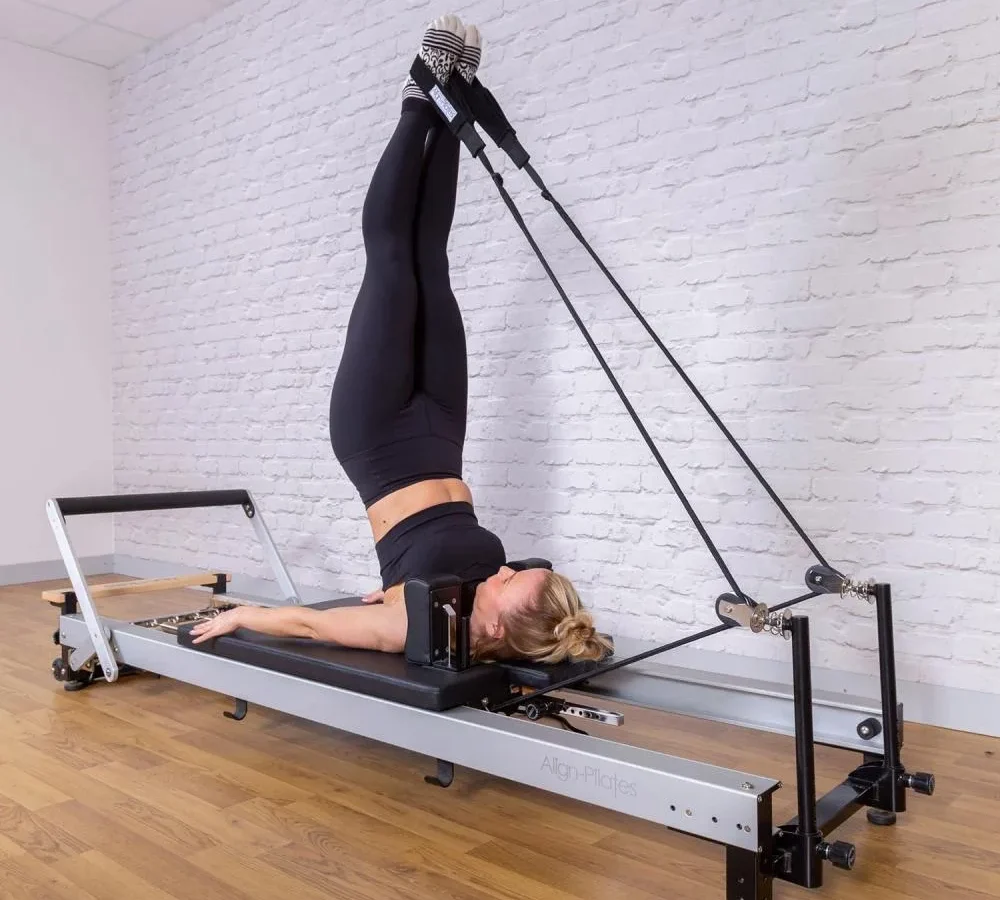
That piercing screech during your workout ruins your rhythm fast. If you are wondering why does my reformer rope make a squealing sound, the noise usually comes from localized friction rather than a broken carriage frame. A dry pulley axle, an off-angle pull, or dirt-glazed synthetic fibers are almost always behind the noise.
Modern commercial reformer ropes typically use a double-braid polyester cover over a synthetic core, built to an 8 mm or 10 mm diameter. When these dense fibers rub against unlubricated metal brackets or stick in a dry sheave under load, they generate high-pitched acoustic vibrations. Identifying the exact contact point takes only a few minutes once you know what to check.
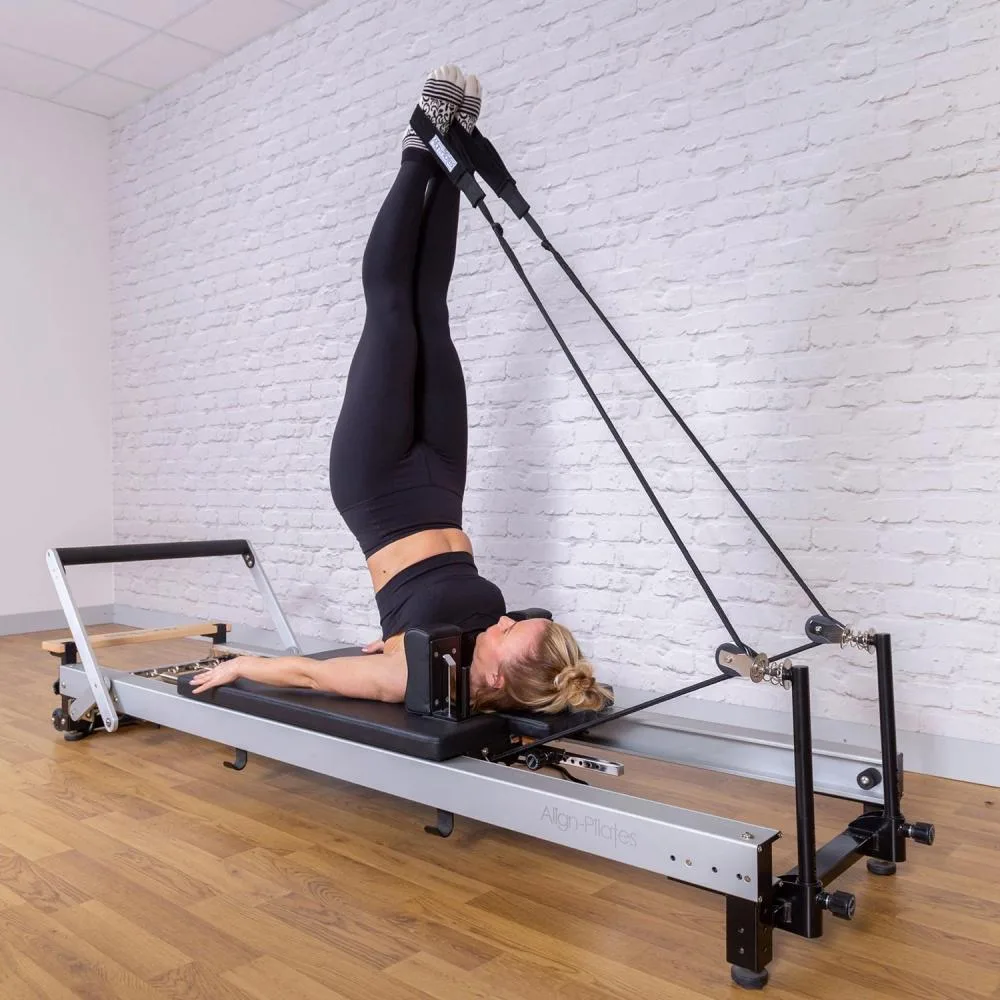
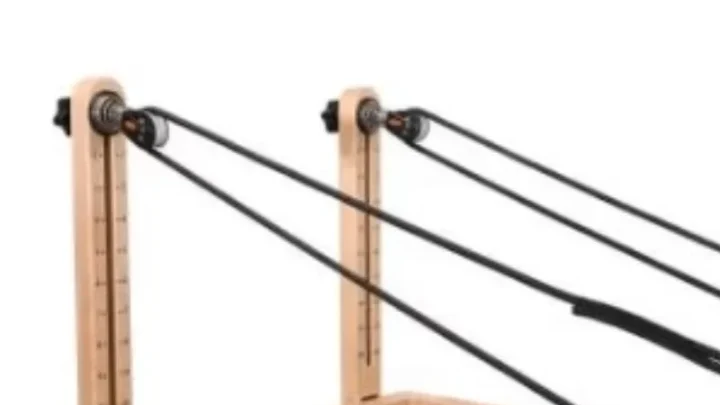
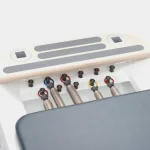
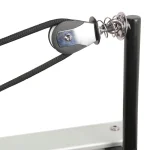
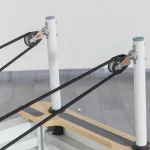
Image source: Web (Bing) / bodynova.de (Web image (fair-use with source credit))
Quick Answer
You might wonder why does my reformer rope make a squealing sound during workouts. The noise comes from dry pulley bearings or off-axis friction. Studio dust and hair often choke the spinning sheave axle.
Ropes also squeal when scraping against the metal riser bracket. Cleaning the axle and applying dry PTFE spray silences the squeak.
The Fast Diagnosis: Why Your Reformer Rope Is Screeching
Reformer ropes rarely make noise on their own. The sound is almost always mechanical friction occurring at the pulley assembly. As of 2026, most equipment designs rely on swiveling eyelets and polymer sheaves to guide the line silently.
When something disrupts that smooth path, sound is the first warning sign.
The issue usually traces back to one of three specific friction points:
- Internal bearing drag: The sealed ball bearings inside the pulley wheel dry out or fill with lint, forcing the rope to slide over a stalled wheel instead of rolling smoothly.
- Bracket wall rub: The rope pulls at an extreme angle, scraping along the edges of the metal riser housing.
- Fiber glazing: High friction melts or smooths the outer polyester braid of the rope, turning it slick and noisy under tension.
| Noise Symptom | Most Likely Cause | Quick Fix |
|---|---|---|
| High pitch on every pull and release | Dry or seized pulley bearing | Clean axle and apply dry PTFE lubricant |
| Squeal only during wide arm exercises | Off-axis angle scraping bracket | Adjust swivel riser angle and height |
| Squeak under heavy resistance only | Glazed rope braid or dirty sheave groove | Wash rope in mild soap or replace line |
| Rhythmic chirp as carriage rolls | Carriage wheel bearing (not rope) | Clean aluminum rails and wheel bearings |
Isolating the Sound: A 4-Step Diagnostic Decision Tree
You do not need to take the entire frame apart to find the squeak. Following a structured diagnostic process helps you isolate the noise within two minutes.
Step 1: Hand-Spin the Pulley Wheel Under Zero Tension
Take the rope completely out of the pulley groove and let it hang slack. Spin the pulley wheel with your finger.
If the wheel stops instantly, grinds, or chatters, the bearing is dry or clogged with debris. If the wheel spins silently for several seconds with zero resistance, your pulley bearings are healthy and the problem lies elsewhere.
Step 2: Check Pulley Riser Tracking and Housing Clearance
Put the rope back into the groove. Pull the strap along the exact path you use during exercises like the Hundred or Rowing series.
Watch the rope as it feeds through the eyelet. If the rope rubs against the metal side plates or the swivel bracket instead of riding squarely in the center groove, you have an alignment problem. The swivel mechanism may be stuck, preventing the pulley from turning toward you.
Step 3: Inspect the Rope Surface for Glazing and Flat Spots
Run your bare hand along the section of rope that travels through the pulley. Feel for stiff, shiny, or flattened spots along the braid.
Friction generates heat that glazes synthetic polyester fibers over time. If the rope feels hard and plastic-like rather than supple and woven, the surface cannot grip the sheave properly. This causes the rope to slide and screech when you apply full body weight.
Step 4: Rule Out Carriage Wheels and Spring Noise
Sometimes a sound seems to come from the ropes when it actually originates below the carriage. Disconnect the ropes from the carriage entirely.
Push the carriage up and down the frame along the rails using just your hands. If you still hear the squeal, inspect the carriage tracking wheels and spring hooks. If the frame is dead silent, the noise is definitely within your rope and pulley setup.
How to Fix Dry Pulley Bearings and Trapped Debris
Most pulley squeals happen because studio airborne dust, pet hair, and foot grip chalk migrate into the center hub. This debris packs tightly around the axle, binding the internal bearings.
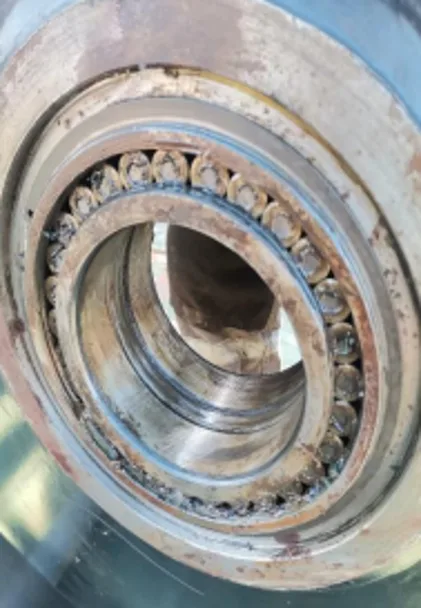
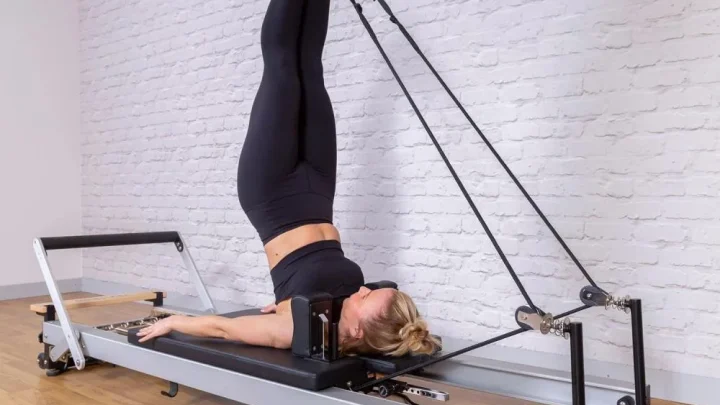
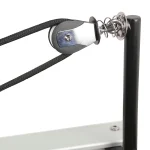
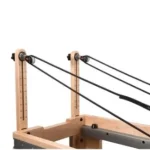
Image source: Bing (Web (fair-use with source credit))
Cleaning Dust, Hair, and Chalk From the Axle
Start by removing the rope so the pulley sits unloaded. Use a flashlight to look into the tiny gap between the spinning sheave and the fixed metal housing.
Take a pair of tweezers or a wooden toothpick to gently pull out any wound hair or lint wrapped around the center axle. Spray a short burst of compressed air through the gap to blow away fine powder and chalk residue. Wipe the outside of the sheave with a dry microfiber cloth.
The Right Lubricant: Why Dry PTFE Beats Standard Oils
Never use standard wet oils or general household sprays like WD-40 on your reformer pulleys. Wet lubricants attract hair, chalk, and dust like a magnet, creating a thick abrasive paste that ruins sealed bearings. Furthermore, petroleum solvents can break down synthetic rope fibers over time.
Instead, use a specialized dry PTFE spray (polytetrafluoroethylene) or a pure dry silicone. Per equipment maintenance guides from manufacturers like Balanced Body, dry lubricants bond to the metal without leaving a sticky film.
Apply one tiny drop or a pinpoint aerosol burst directly to the center bearing seam. Spin the wheel by hand for twenty rotations to distribute the fluid, then wipe away every trace of excess overspray before restringing the rope.
Correcting Riser Alignment and Off-Axis Rope Friction
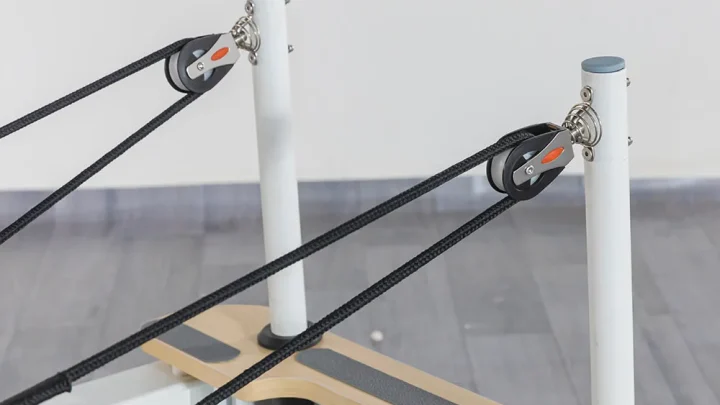
Riser pulleys must rotate freely to follow your movement. If the swivel joint seizes, the rope pulls across the metal housing instead of running over the center wheel.
Adjusting Swivel Pulley Height and Articulation
Most modern reformers feature adjustable risers with locking pins or collar clamps. If your pulleys sit too high or too low for your torso height, the entry angle becomes too steep.
Loosen the riser collar and set the height so the rope travels in a straight line from your shoulder rest to the pulley sheave. Check the base swivel pin at the top of the riser post. If the head does not turn freely when you pull to the side, clean the swivel mount and apply a drop of dry lubricant to the pivot post.
Preventing the Rope From Scraping the Bracket Walls
Off-axis friction creates a distinct, harsh scraping squeal during wide arm arcs. This happens frequently during movements like chest expansion or side arm pulls.
Check the alignment between the sheave and its protective side cheeks. If a drop or impact has bent the metal housing inwards, the gap narrows and traps the rope. You can gently bend the bracket back into parallel alignment using smooth-jaw pliers wrapped in a cloth, ensuring the rope has clear clearance on both sides.
Treating or Replacing Glazed Synthetic Ropes
When a rope slips through a stuck pulley under load, friction generates heat that melts the surface fibers. This surface glazing turns the outer braid into a hard, slick shell that squeaks constantly.
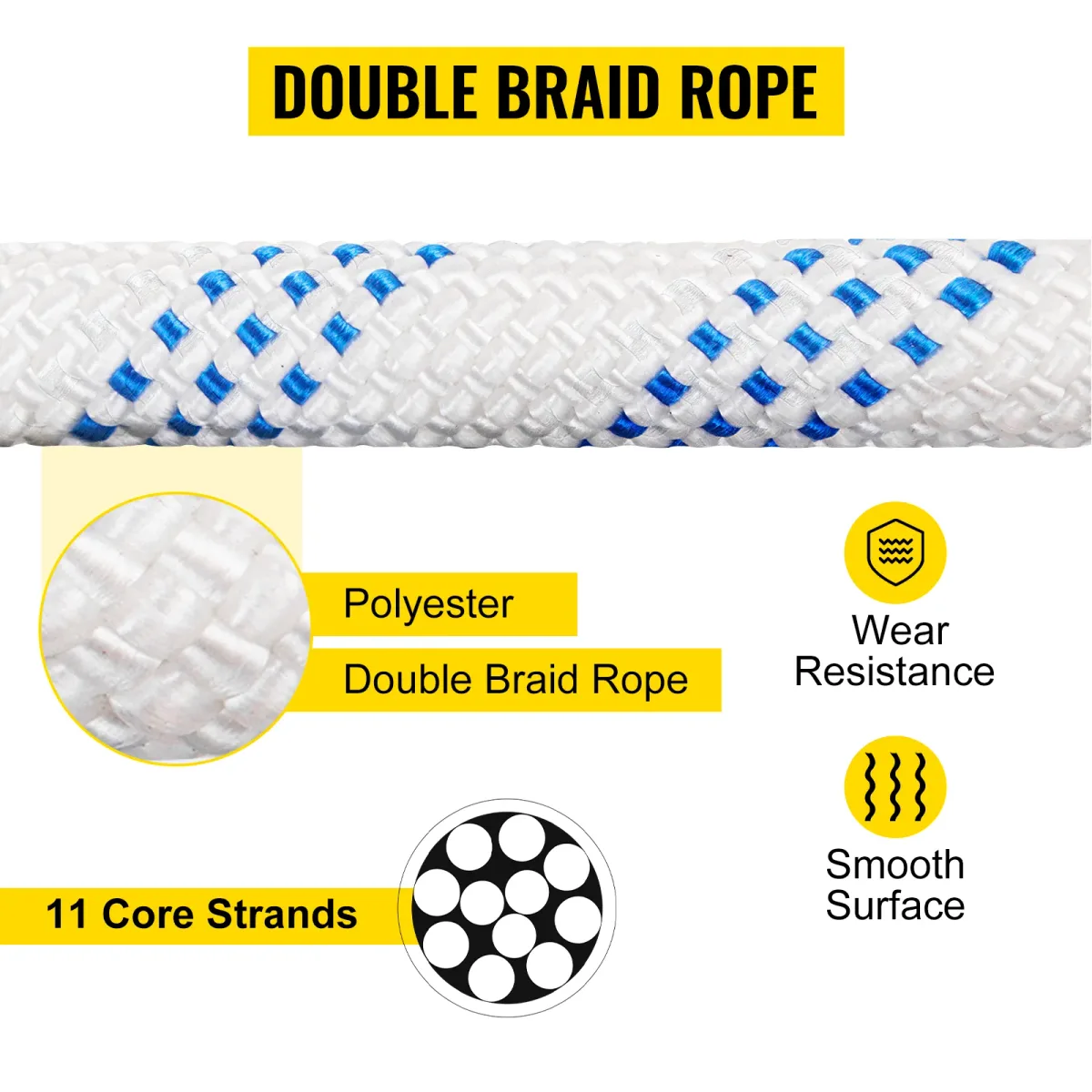
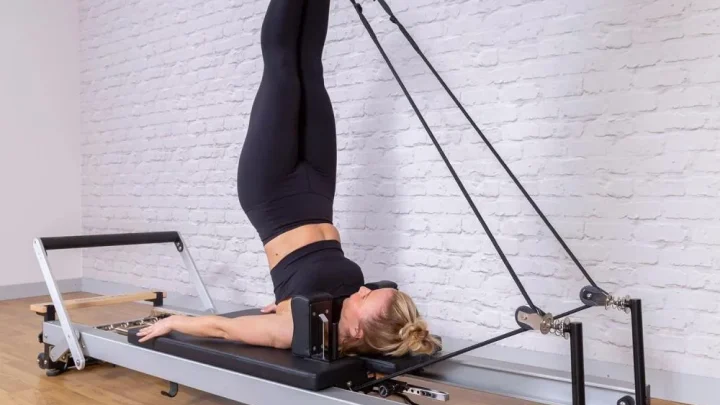
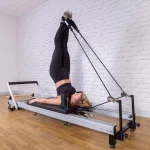
Image source: Bing (Web (fair-use with source credit))
Washing Built-Up Sweat and Grime Out of Synthetic Braids
Before replacing your ropes, try washing out the accumulated sweat, skin oils, and studio dust that stiffen the fibers. Grime inside the core reduces flexibility, making the line drag unevenly through the sheave.
Unthread the ropes completely from the carriage and cleats. Fill a small basin with warm water and a teaspoon of mild liquid dish soap or gentle laundry detergent. Soak the ropes for fifteen minutes, massage the fibers with your hands to work out embedded dirt, and rinse thoroughly with cold water.
Let them air-dry completely on a flat towel before reinstalling. Never put reformer ropes into a machine dryer.
Wear Limits: When It Is Time to Replace Your Ropes
Washing will not fix structural fiber damage. Inspect the full length of your ropes under good lighting to see if they have reached the end of their operational lifespan.
Replace your reformer ropes immediately if you notice any of the following warning signs:
- Core exposure: The outer braided cover has frayed through, showing the white inner core strands.
- Severe flattening: The rope feels completely flat and ribbon-like in sections that pass through the pulley.
- Permanent stiff spots: Sections of the rope remain hard and brittle even after washing and flexing by hand.
- Diameter reduction: The working section has thinned significantly compared to the unworked tail end.
Maintenance Mistakes That Make Reformer Squealing Worse
Trying to silence a squeak with the wrong technique often makes the noise worse. In fact, improper maintenance can permanently damage your ropes and internal bearings.
The most common error is spraying liquid penetrating oil or heavy grease into the pulley housing. Wet lubricants create an immediate sticky trap for floor dust, pet hair, and workout chalk. Within a few weeks, that slurry solidifies into a thick grinding compound that seizes the pulley completely.
Another critical mistake is saturating synthetic ropes with silicone spray or wax to reduce friction. While this might quiet the rope for one session, the chemical compounds degrade the braided polyester core. The slick surface also prevents your cam cleats from gripping the line safely under tension.
Never ignore a squeal by simply turning up the studio music. A persistent screech indicates metal-on-rope friction or bearing failure. Ignoring that friction eventually cuts deep grooves into the aluminum riser bracket and can snap the rope mid-exercise.
Long-Term Maintenance Schedule for Studio and Home Reformers
Consistent preventative care keeps your reformer whisper-quiet and extends the working life of your pulleys. Commercial studios require frequent checks due to heavy daily rotation, while home setups need only occasional attention.
| Maintenance Task | Home Reformer (1 User) | Commercial Studio (Multiple Classes/Day) |
|---|---|---|
| Visual inspection for rope fraying and glazing | Once a month | Weekly safety sweep |
| Hair, lint, and dust removal from pulley hubs | Every 2 months | Every 2 weeks |
| Dry PTFE bearing lubrication | Every 6 months | Every 2 to 3 months |
| Swivel riser alignment and torque check | Every 6 months | Monthly |
| Full rope wash or replacement cycle | Replace every 3 to 5 years | Replace every 12 to 24 months |
Follow standard equipment guidelines from professional organizations like the National Pilates Certification Program to keep your reformer safe and functional. Set a calendar reminder based on your usage frequency. Staying on top of basic bearing care prevents the friction that causes loud squeaks in the first place.
Frequently Asked Questions About Reformer Noise
Can I use WD-40 to stop my reformer pulley from squeaking?
No, do not use standard WD-40 on your reformer pulleys. Standard WD-40 contains petroleum solvents that dissolve bearing grease and break down synthetic rope fibers. It also leaves an oily film that attracts chalk and dust.
Use only a dedicated dry PTFE spray or dry silicone lubricant.
Why does my reformer rope squeak only when pulling at an angle?
An angle-specific squeak happens when the rope rubs against the metal side plates of the pulley bracket. This means your swivel riser is stuck or set at the wrong height. Clean the base swivel pin and adjust the riser angle so the pulley tracks directly toward your hands.
How often should I replace my Pilates reformer ropes?
Studio reformers with heavy daily use need new ropes every twelve to twenty-four months. Home reformers usually last three to five years before needing replacement. Replace your ropes immediately if you see exposed core fibers, severe flat spots, or hardened sections that no longer bend smoothly.
Does a squealing rope mean my reformer is unsafe to use?
A squealing rope usually signals dry bearings or minor housing rub rather than an emergency. However, it does indicate friction that causes premature wear. Check the rope for fraying and ensure the pulley spins freely before continuing your workout, especially during high-tension overhead movements.

Similar Posts