How to Fix a Squealing Reformer Rope for Good
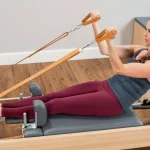
That piercing squeak during footwork or carriage return ruins an otherwise smooth Pilates session. Learning how to fix a squealing reformer rope starts with finding the exact point of mechanical friction. Most studio noises come down to simple rope drag, dry hardware, or glazed synthetic fibers.
Manufacturer specifications from equipment makers like Balanced Body indicate that braided polyester ropes require precise line-of-pull clearance to avoid heat friction. Identifying whether the squeal comes from the rope fibers or the internal pulley bearings makes the repair fast and permanent.
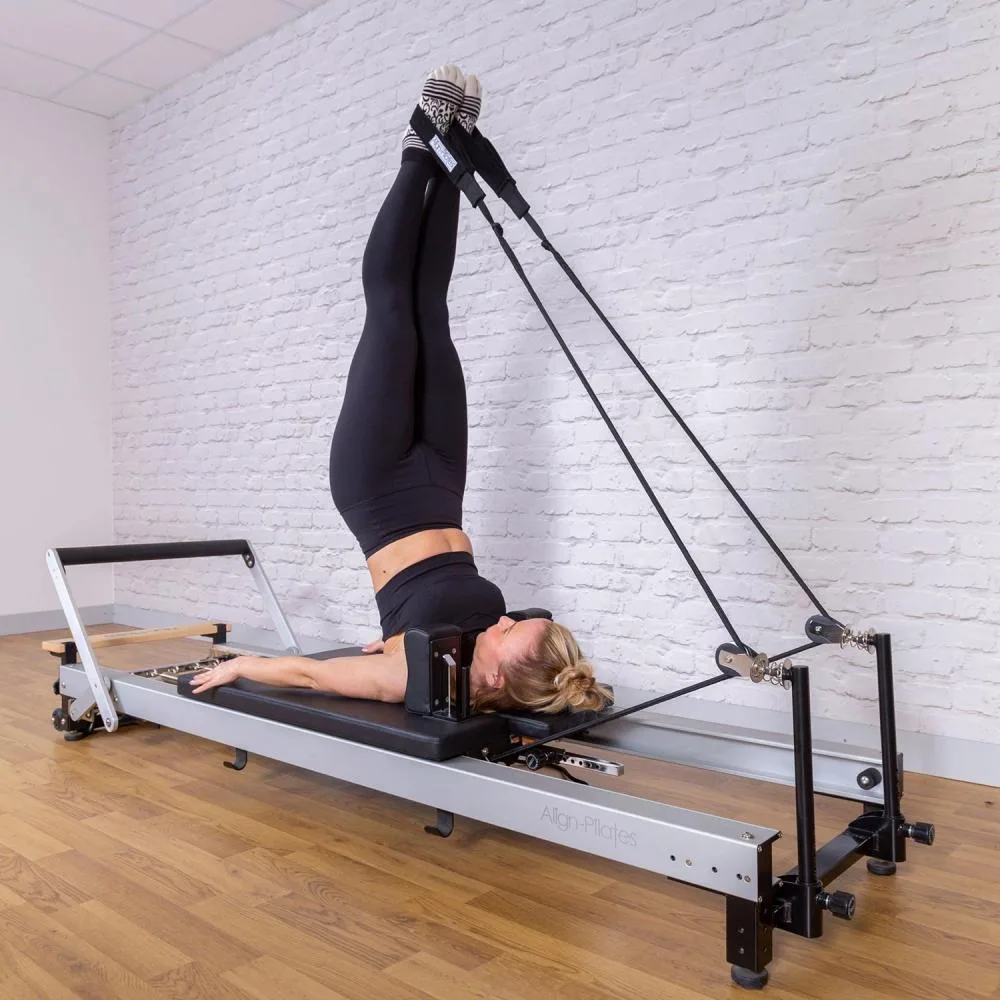
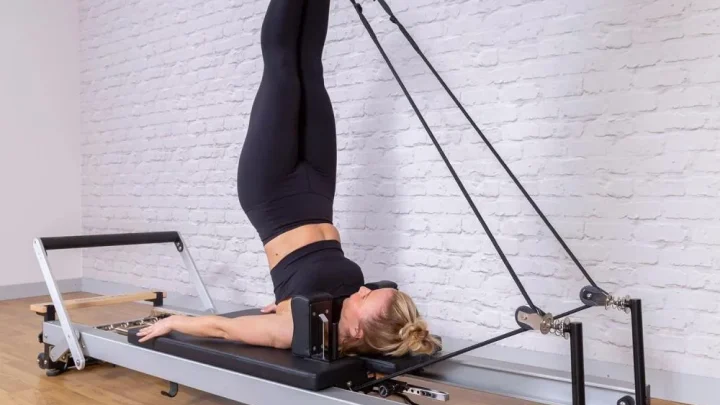
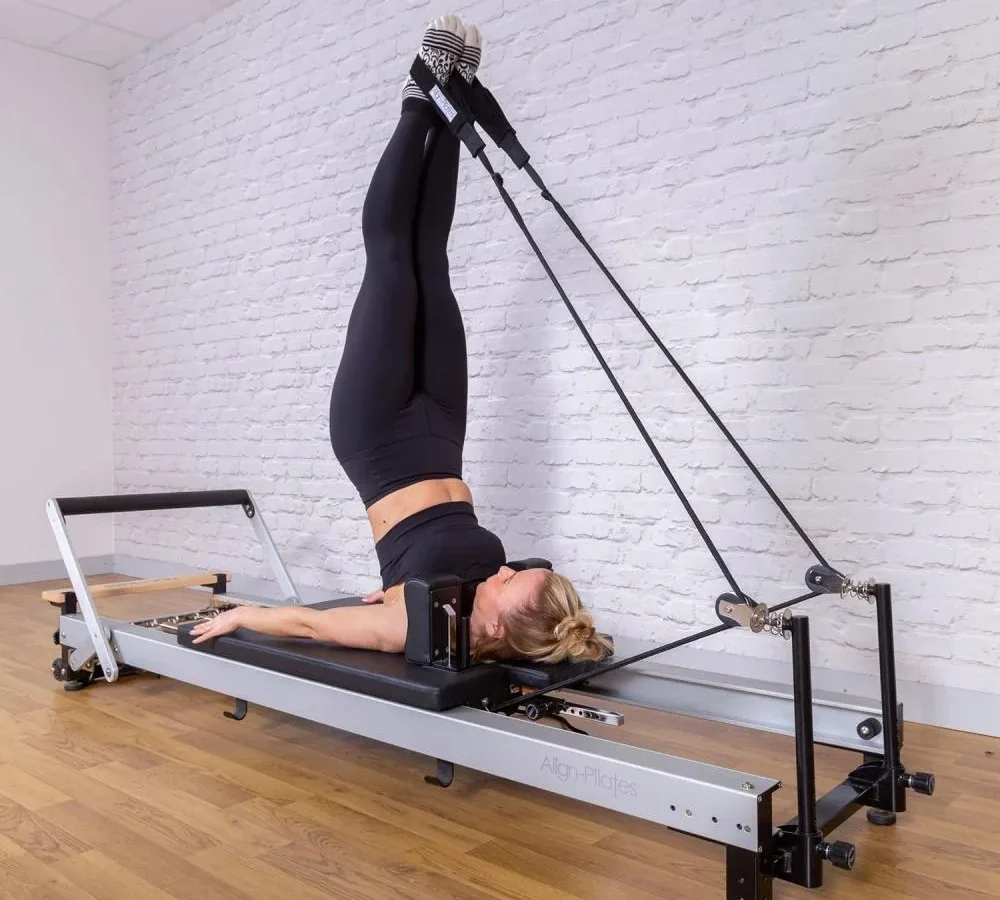
Image source: Web (Bing) / bodynova.de (Web image (fair-use with source credit))
Quick Answer
To fix a squealing reformer rope, first isolate the noise source. Realign the rope angle so fibers do not rub the pulley bracket. Clean glazed rope sections with warm water and a microfiber cloth.
Apply dry PTFE lubricant directly to the pulley axle pin. Never apply wet oils or WD-40 to synthetic ropes.
Why Your Pilates Reformer Rope Is Squealing
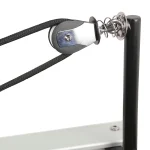
Reformer ropes are typically made from high-tenacity braided polyester wrapped around a synthetic core. This material resists stretching under heavy spring loads, but it generates high friction when pulled against metal edges. When the rope rubs sideways against the pulley housing or riser bracket, it emits a sharp, high-pitched squeal.
Another frequent culprit is surface glazing. Over time, repeated friction heats the outer polyester sheath. This heat melts the microscopic fibers into a hard, slick plastic surface.
When this glazed patch passes over the pulley wheel, it slips and grabs rapidly. That rapid stick-slip movement creates an annoying chirp under load.
Finally, the pulley assembly itself can be the hidden source. Studio dust, clothing lint, and hair collect inside the swivel eyelets and bearing races. When bearing lubrication dries out, the wheel hesitates instead of spinning freely.
The stationary wheel then scrapes against the moving rope.
| Noise Symptom | Most Likely Cause | Primary Fix |
|---|---|---|
| High squeak on carriage return | Rope dragging on bracket cheek | Adjust riser height and pulley angle |
| Chirp under heavy spring load | Glazed or hardened rope spot | Wash fibers or rotate rope ends |
| Continuous metallic squeal | Dry or dirty pulley bearing | Clean axle and apply dry PTFE spray |
| Rhythmic clicking or ticking | Debris stuck in pulley sheave groove | Clear lint and inspect wheel groove |
The 60-Second Diagnostic: Pinpointing Rope vs. Pulley Noise
Before you reach for tools, you need to isolate whether the noise comes from the soft rope or the metal hardware. Guessing often leads to spraying lubricant on parts that should stay dry.
Run through this quick check to find the root cause:
- Remove the rope from the equation: Unthread the rope from the suspect pulley. Spin the bare pulley wheel by hand with a quick flick. If it squeals or feels gritty, the bearing is dry or fouled with lint.
- Check the swivel action: Rotate the entire pulley housing on its mounting post. If the swivel resists rotation or groans, the riser eyelet joint needs attention.
- Test the rope under isolated tension: Thread the rope back through. Pull it straight through the center of the wheel so it touches only the bottom groove. If the squeal vanishes, the issue is line-of-pull alignment against the side cheeks.
- Inspect the rope texture: Run your fingers along the first three feet of rope near the handles. Feel for stiff, flat, or glassy spots that indicate friction glazing.
The Decision Workflow: Matching the Fix to Your Specific Noise
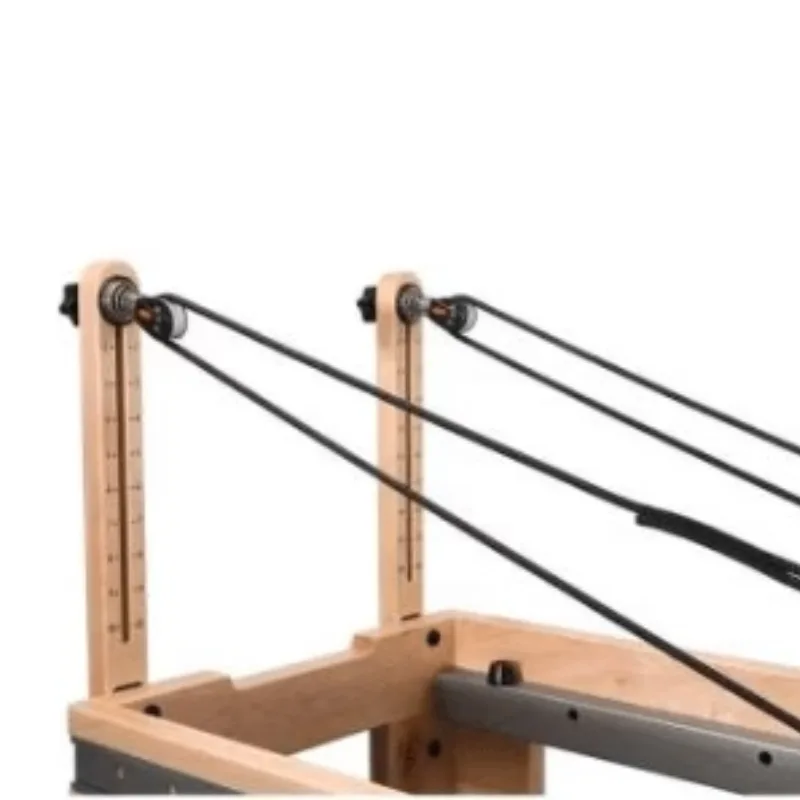
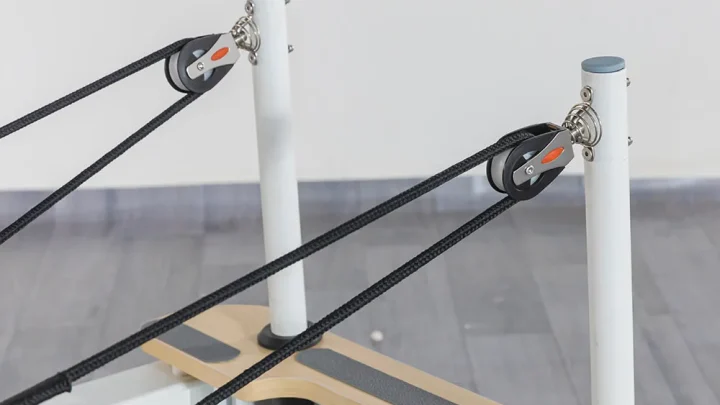
Image source: Bing (Web (fair-use with source credit))
Once you finish the diagnostic check, follow the matching branch below to resolve the sound.
Branch A: Rope Rubbing Against the Pulley Cheek or Riser
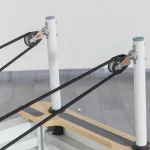
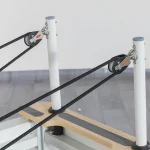
If the squeal occurs only during wide arm movements or high carriage extensions, the rope is striking the metal sides of the housing. This happens when the line of pull forces the rope out of the sheave groove. Correcting the riser height or loosening the swivel bracket allows the pulley to track your natural movement path.
Branch B: Glazed, Dirty, or Hardened Rope Fibers
If the noise sounds like rubber squeaking against glass and happens even when aligned, the rope fibers are glazed or coated in sweat residue. You do not need to replace the rope right away. Cleaning the fibers to restore their soft texture or swapping the rope end-for-end moves the worn section away from the pulley.
Branch C: Dry, Sticking, or Contaminated Pulley Bearings
If the bare wheel resists spinning or makes a continuous metallic scraping sound, the hardware lacks lubrication. Sealed cartridge bearings and brass bushings require targeted dry lubrication to spin freely without transferring grease onto your ropes or reformer carriage.
Step-by-Step Fixes for Each Root Cause

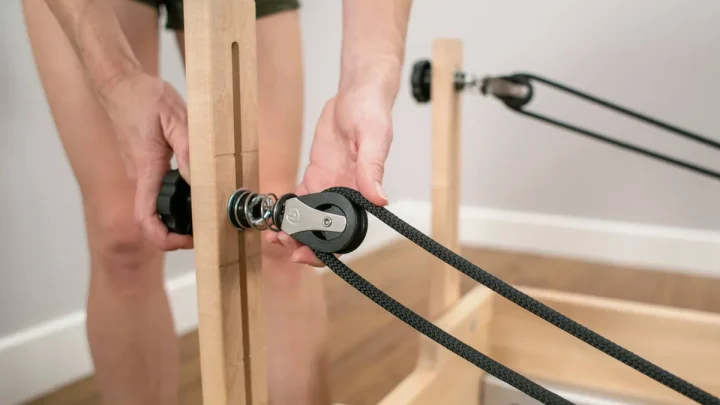
Image source: Bing (Web (fair-use with source credit))
Follow these targeted repair steps to silence your reformer safely and keep the equipment operating smoothly.
Correcting Rope Angle and Riser Alignment
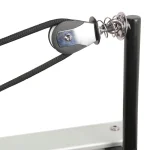
- Check the pulley line of pull: Stand behind the reformer risers. Pull the carriage back and observe how the rope enters the wheel. The rope should sit directly in the bottom center of the groove without riding up the sidewalls.
- Adjust riser post height: Loosen the riser locking knob on the reformer frame. Lower or raise the pulley post so the rope travels horizontally from the pulley to the carriage cleats without sharp bends.
- Free the swivel housing: Ensure the swivel base turns 360 degrees without binding. If the mounting bolt is overtightened, back it off a quarter-turn until the pulley articulates freely with carriage motion.
Cleaning and Restoring Glazed Synthetic Ropes
- Remove the rope: Unthread the rope completely from the cam cleat and pulley wheel.
- Wash the contact zones: Submerge the glazed section in warm water mixed with a few drops of mild dish soap. Work the fibers between your fingers to break up dirt, sweat salts, and chalk.
- Flex the stiff sections: Rub the wet rope against itself vigorously. This friction breaks up hardened plastic fibers on the outer sheath and softens the texture.
- Dry thoroughly: Wipe the rope with a dry microfiber cloth and let it air-dry completely before reinstalling. Never reinstall a damp rope, as moisture attracts bearing dust.
- Rotate the rope: When rethreading, swap the rope end-for-end. Reversing the rope puts a fresh, unworn section of rope across the pulley contact zone.
Lubricating Pulley Hardware Without Ruining Your Ropes
- Unthread the rope entirely: Never spray lubricant while the rope is seated in the pulley.
- Clear out debris: Use a wooden toothpick or compressed air to remove compacted hair and lint wrapped around the center axle pin.
- Apply dry PTFE spray: As of 2026, dry PTFE (polytetrafluoroethylene) remains the industry standard for fitness equipment hardware. Shake the can well and apply a single short burst directly into the center bearing gap.
- Spin and wipe: Spin the wheel by hand for ten seconds to distribute the PTFE along the internal race. Wipe away all excess liquid from the outside metal cheeks with a clean cloth. Let it dry for five minutes into a dry film before rethreading the rope.
What Never to Do: Common Mistakes That Ruin Reformer Hardware
- Never use standard WD-40 or wet motor oils: Wet petroleum oils attract hair, lint, and dust like a magnet. These oils penetrate synthetic rope fibers, breaking down the polyester core and creating a permanent greasy mess.
- Never lubricate the rope itself: Applying wax, silicone, or oil directly to the rope destroys the gripping ability of your cam cleats. The rope will slip dangerously under heavy spring tension.
- Never wash ropes with harsh chemical solvents: Acetone, mineral spirits, and bleach weaken high-tenacity synthetic fibers. They drastically reduce rope tensile strength, risking sudden failure during workouts.
- Never overtighten pulley mounting brackets: Clamping down the swivel bolt prevents the pulley from rotating with wide movements. This forces the rope to scrape hard against the housing edges.
- Never ignore flat spots on the pulley sheave: If a seized bearing causes the rope to wear a flat groove into the plastic or aluminum wheel, lubricating the axle will not fix the noise. The damaged pulley wheel must be replaced.
Maintenance Schedule to Prevent Future Squeaks and Wear
Consistent equipment maintenance keeps your Pilates reformer whisper-quiet and extends the lifespan of both your ropes and pulleys. Studio guidelines from organizations such as the Pilates Method Alliance emphasize regular mechanical checks to ensure member safety and smooth operation.
Following a structured schedule stops small friction problems before they turn into disruptive squeals.
- Weekly maintenance: Wipe down the aluminum or wood rails with a damp cloth. Visually inspect the rope sheaths for fuzzing, loose core strands, or heavy dirt buildup around the cleat engagement points.
- Monthly maintenance: Unthread ropes from the pulleys to check bearing freedom. Spin each wheel by hand to detect early friction or grit. Clean lint out of the swivel eyelets using compressed air or a soft brush.
- Bi-annual maintenance: Apply a fresh, targeted burst of dry PTFE spray to the pulley bearings. Wipe away any dry residue. Reverse the ropes end-for-end to distribute mechanical wear across the entire length of the polyester weave.
- Annual assessment: Inspect the pulley sheaves for groove widening, cracks, or side-to-side wobble on the axle pin. Check synthetic rope diameter against factory specifications. Replace ropes if the outer sheath shows thinning or hard glazed flat spots.
| Component | Inspection Frequency | Action Item | Replacement Trigger |
|---|---|---|---|
| Synthetic Ropes | Weekly visual | Clean fibers and check cleat wear | Core exposure, fraying, permanent glaze |
| Pulley Wheels | Monthly spin check | Clear lint from axle gap | Deep grooving, flat spots, wobble |
| Pulley Bearings | Bi-annual check | Apply dry PTFE spray | Grinding noise, seized rotation |
| Swivel Risers | Monthly check | Check articulation torque | Stripped mounting threads, bent post |
Frequently Asked Questions About Squeaking Reformer Ropes
Can I spray WD-40 on my squeaking reformer pulley?
No, you should never use standard WD-40 on reformer pulleys. Standard WD-40 contains petroleum solvents that attract dust and degrade synthetic rope fibers over time. It leaves an oily residue that transfers to the rope, causing it to slip through the cam cleats.
Always use a dry PTFE silicone spray instead.
How often should I replace my Pilates reformer ropes?
In commercial studios, replace synthetic ropes every 12 to 24 months depending on class volume. For home reformers, ropes typically last 3 to 5 years with proper care. If you notice core strand separation, heavy fraying, or stiff glazed sections that washing cannot soften, replace them immediately for user safety.
Why does my rope only squeak on the carriage return?
The rope squeaks on the return stroke because tension drops, allowing the rope to wander out of the center sheave groove. As the carriage spring pulls the rope back, slack allows the fibers to scrape sideways against the metal pulley cheek. Raising or lowering your riser post creates a cleaner line of pull.
Will leather reformer straps eliminate the squeaking noise?
Traditional leather straps eliminate synthetic fiber glazing chirps, but they require their own maintenance. Unconditioned leather can creak loudly against metal eyelets or wood frame contact points. If you prefer silent movement, high-tenacity braided polyester ropes paired with properly aligned swivel pulleys remain the smoothest and quietest setup available.
How do I stop the rope from slipping in the cam cleat?
Clean the cleat teeth using a stiff nylon brush to remove embedded rope lint and skin oils. Never apply lubricants near the cleats. If the teeth are rounded off from years of friction, replace the cleat hardware to maintain proper rope grip under heavy spring loads.

Similar Posts