What Type of Rope Is Used on Pilates Reformers?
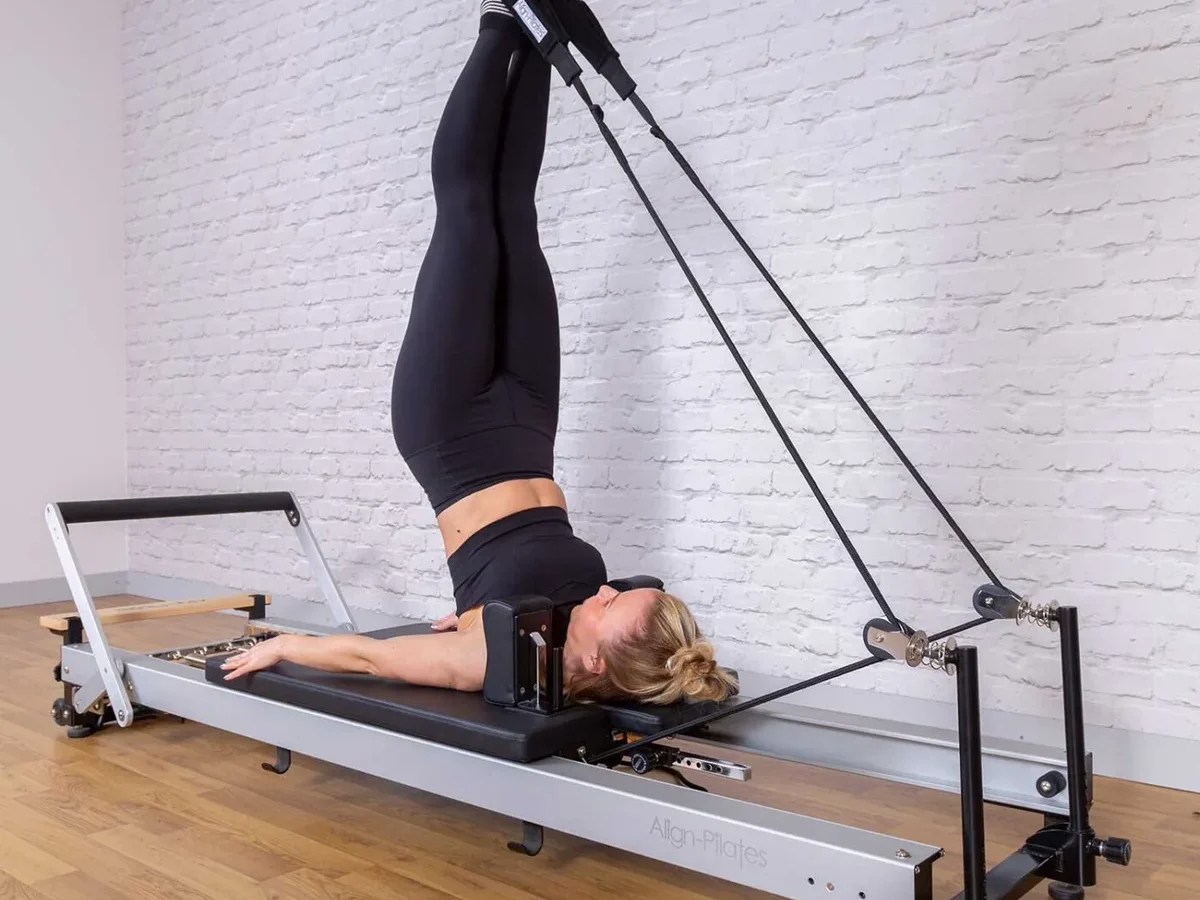
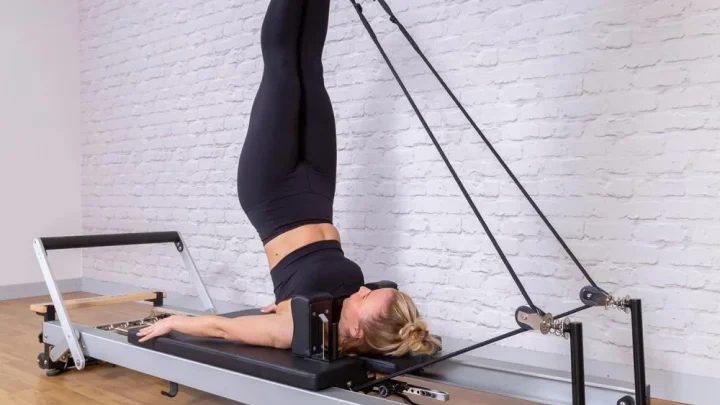
If you need to replace your studio cordage, you might wonder what type of rope is used on pilates reformers. Choosing the wrong cordage ruins carriage travel, changes resistance curves, and creates safety hazards. Most modern commercial equipment relies on specialized, low-stretch marine cordage rather than standard utility line.
Standard studio setups require low-stretch synthetic braids built to rigorous cordage specifications, such as the Cordage Institute standards for synthetic fibers. These lines handle breaking strengths above 2,500 pounds while staying completely static during dynamic spring extension. Understanding these core materials ensures your reformer stays smooth, quiet, and properly calibrated.
Image source: Bing (Web (fair-use with source credit))
Quick Answer
Modern Pilates reformers use static, marine-grade double-braid polyester rope. Commercial machines require rope diameters between 8mm and 10mm. Polyester eliminates unwanted elastic stretch during carriage glide.
Traditional classical reformers use rigid bridle leather straps instead. Standard hardware nylon stretches too much for safe studio use.
Core Materials Compared: Double-Braid Polyester vs. Nylon vs. Leather vs. Dyneema
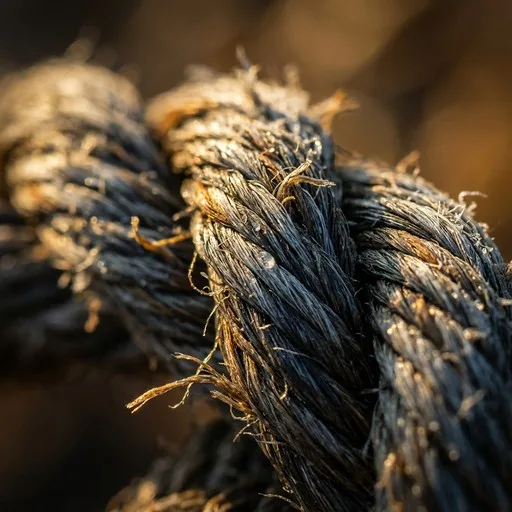
Image source: Bing (Web (fair-use with source credit))
Selecting the proper line depends entirely on your reformer frame design and training style. Contemporary frames require synthetic ropes that feed cleanly through cam cleats. Classical designs rely on thick, unyielding leather straps with buckle adjustments.
| Rope Material | Stretch Level | Cam Cleat Grip | Pulley Quietness | Typical Lifespan |
|---|---|---|---|---|
| Double-Braid Polyester | Minimal (<2%) | Excellent | High | 1 to 3 Years |
| Bridle Leather | Near Zero (<1%) | Incompatible | Moderate | 5 to 10+ Years |
| Nylon Utility Braid | High (15% to 25%) | Moderate | High | < 6 Months |
| Dyneema / Spectra | Zero (<0.5%) | Poor (Too Slick) | Loud (Chatters) | 3 to 5 Years |
Marine-Grade Double-Braid Polyester (The Modern Industry Standard)
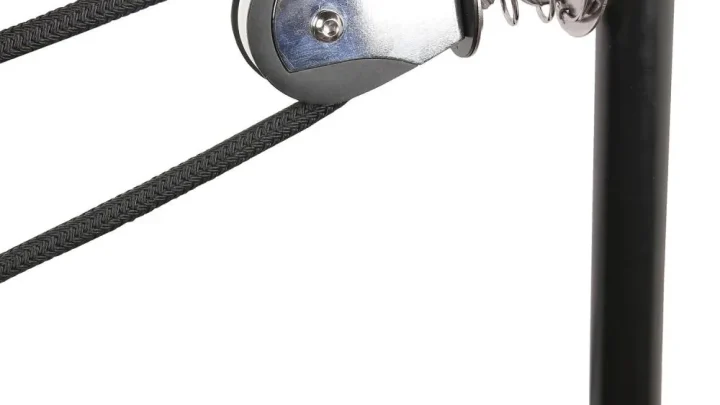
Marine polyester double braid is the undisputed standard for modern reformers. It features a braided polyester core inside a tightly woven braided polyester cover. This dual-layer build provides balanced load distribution and exceptional abrasion resistance against pulley wheels.
Polyester resists moisture, sweat, and friction heat. It maintains a supple hand-feel without shedding fibers over time. Crucially, it does not stretch under load, meaning your spring tension remains consistent through every repetition.
Traditional Bridle Leather Straps (The Classical Standard)
Classical reformers built to original Joseph Pilates specifications do not use ropes at all. Instead, they use non-stretch bridle leather straps paired with metal extension chains.
Leather provides a direct, unyielding tactile connection to the carriage. It does not compress or give during movement. However, leather requires regular conditioning, cannot use modern quick-adjust cleats, and relies on traditional buckle holes for length changes.
Nylon Cordage (Why It Fails on Reformers)
Nylon utility rope from local hardware stores is entirely unsuitable for Pilates equipment. Nylon possesses high mechanical elasticity, stretching up to 25 percent under working tension.
When a client pulls on a nylon rope, the rope stretches before the carriage springs engage. This creates a trampoline effect at the end of carriage travel. The resulting snapback can jar joints and compromise spinal stability.
High-Modulus Synthetics (Dyneema and Spectra)
Ultra-high molecular weight polyethylene lines like Dyneema offer incredible tensile strength and zero stretch. However, their slick exterior fails in standard reformer hardware.
Dyneema fibers slip right through spring-loaded cam cleats under medium resistance. The ultra-smooth surface also produces high-pitched chattering sounds across standard nylon pulley sheaves.
Key Technical Specifications for Reformer Ropes
Rope geometry and mechanical properties directly dictate reformer safety and movement quality. Replacing original manufacturer lines with mismatched cordage leads to premature wear, uneven resistance, and hardware jams.
Diameter and Pulley Sheave Clearance (8mm vs. 10mm)
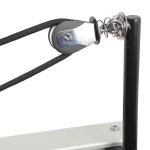
Most commercial frames use ropes between 8mm (5/16 inch) and 10mm (3/8 inch) in diameter. The diameter must match the internal groove width of your pulley sheave.
An oversized 10mm rope in an 8mm pulley rubs against the housing, causing excessive friction and sheath wear. An undersized rope can slip off the pulley wheel and wedge between the wheel and metal bracket.
Static Elongation and Working Load Limit (WLL)
Reformer ropes require static elongation ratings under 2 percent at working load. When a user presses against the footbar on five heavy springs, the rope must transfer force instantly to the carriage.
Commercial polyester lines deliver a Minimum Breaking Strength (MBS) between 2,500 and 4,200 pounds. Following general safety practices aligned with ASTM International standards, Pilates cordage operates with a high safety factor to eliminate any risk of sudden failure during dynamic exercises.
Core-to-Cover Construction and Cam Cleat Grip
Double-braid cordage relies on a 50/50 load share between the inner core and outer jacket. The outer cover must have a textured, matte weave to allow mechanical cam cleats to bite securely.
Slick, single-braid ropes or smooth yachting lines can slip through cleat teeth. A balanced double braid holds firmly under tension yet releases instantly when lifted upward for length adjustments.
Major Reformer Brand Rope Configurations
Leading equipment manufacturers configure their rope and hardware packages differently. Understanding your brand setup helps you source the correct replacement lines.
Balanced Body Ropes and Cleat Systems
Balanced Body uses heavy-duty, marine-grade polyester double braid across their Studio, Allegro, and Rialto reformers. The standard line is roughly 8mm to 9.5mm in diameter with a soft, brushed exterior.
These ropes integrate with nautical cam cleats mounted behind the shoulder rests or underneath the carriage. As of 2026, most Balanced Body configurations use soft-touch rope loops that attach directly to handles without noisy metal carabiners.
Merrithew / STOTT PILATES Soft-Touch Rope Systems
Merrithew machines utilize a proprietary braided polyester cord paired with a self-locking cleat system on the carriage. Their cords are engineered for ultra-smooth gliding through enclosed high-precision swivel pulleys.
The system uses pre-measured loop ends or spliced terminations. This design ensures silent operation without metal-on-metal clinking during arm or leg work.
Peak Pilates and Classical Leather Setups
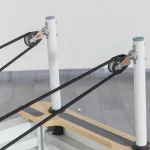
Peak Pilates produces modern rope reformers alongside classical wooden frames. Their contemporary models utilize standard 8mm low-stretch polyester cordage routed through elevated riser posts.
Their classical apparatus lines use thick, heavy-duty leather straps attached to plated chains. These straps run over simple wooden or low-friction metal rollers rather than swiveling pulleys.
How to Inspect, Equalize, and Replace Reformer Ropes
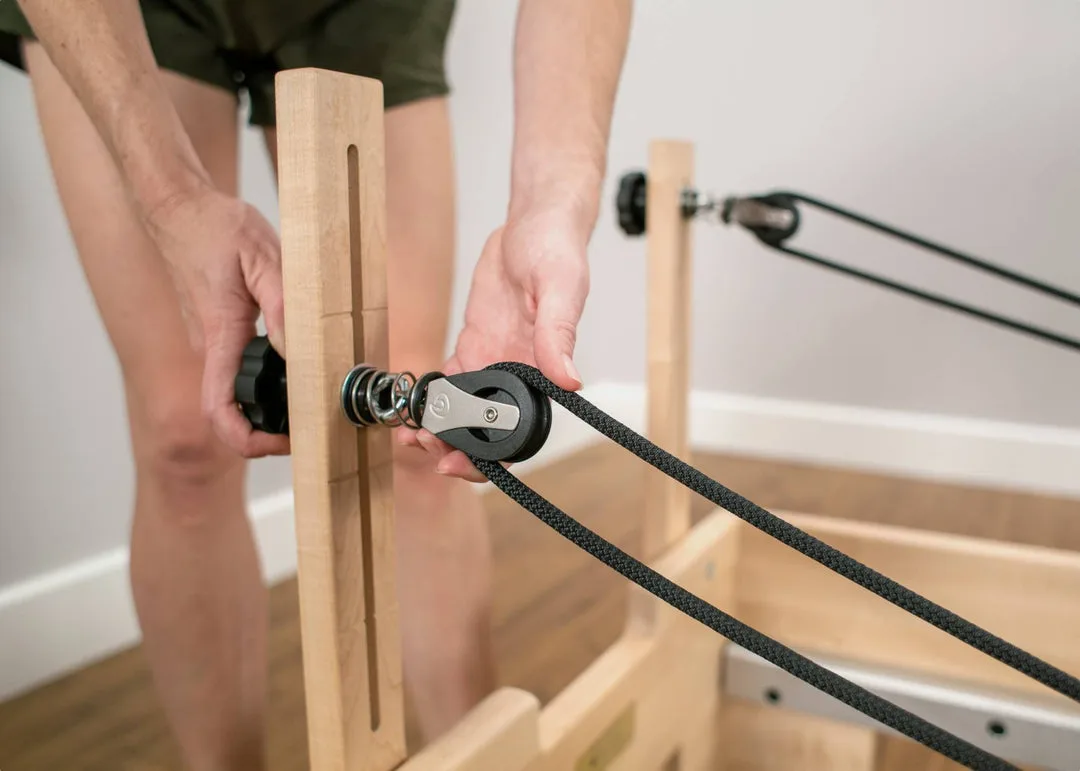
Image source: Bing (Web (fair-use with source credit))
Routine line maintenance prevents unexpected snaps and ensures both sides of your carriage pull with identical tension. Replacing reformer cordage is a straightforward mechanical task you can complete with basic tools.
Step-by-Step Replacement Process
- Detach old handles and remove all carriage springs from the gearbar to prevent sudden carriage movement.
- Unthread the old rope from the cam cleat, pulley wheel, and carriage eyelets.
- Cut your new marine polyester rope to length, matching the original factory measurement (typically 9 to 10 feet per side).
- Heat-seal both cut ends immediately using a lighter or heat gun to fuse the core and sheath together.
- Thread the clean end through the pulley block and into the cam cleat housing.
- Tie a secure stopper knot or attach your handle hardware according to manufacturer instructions.
Equalizing Rope Lengths for Symmetric Loading
Uneven rope lengths force the pelvis and spine into asymmetric rotation during bilateral exercises. Always level your ropes before use.
To equalize, pull both carriage handles firmly toward the footbar until they rest side-by-side against the headrest. Check where the carriage sits against the bumper stoppers. Adjust individual cleat positions until both handles meet at identical tension while the carriage rests fully against the stop blocks.
Wear Signs and Inspection Timelines
Commercial studios should inspect ropes weekly, while home users should check lines monthly. Replace ropes immediately if you notice any of these danger signs:
- Visible fuzzing or heavy fraying where the rope runs through the pulley sheave.
- Exposed white core strands pushing through the outer colored sheath.
- Hard, flattened, or brittle sections caused by friction heat or sweat accumulation.
- Core slippage, where the outer jacket bunches up like a loose sock over the inner braid.
Common Mistakes That Ruin Reformer Ropes and Pulleys
Installing the wrong rope diameter causes immediate hardware problems. If you force a 10mm line into an 8mm pulley block, the cord pinches against the side plates. This creates constant friction, shreds the outer cover, and makes carriage movement feel heavy and sluggish.
Using dynamic climbing rope or hardware-store polypropylene is another frequent error. Polypropylene degrades rapidly under indoor lighting and dynamic friction. It glazes over, turns brittle, and can snap without warning under moderate resistance.
Improper rope routing also damages equipment quickly. If you bypass the swivel pulley fairlead or cross the ropes under the carriage, the lines rub directly against metal edges. This friction wears grooves into aluminum frames and cuts through synthetic fibers within weeks.
Failing to clean your cordage shortens its working life significantly. Sweat, body lotions, and dust work their way into the core fibers over time. These microscopic particles act like tiny sandpaper grains, grinding away the inner load-bearing strands with every stroke.
Frequently Asked Questions About Pilates Reformer Ropes
Can I use regular climbing rope on a Pilates reformer?
No, climbing ropes are dynamic and designed to stretch under load. This elasticity ruins the precise resistance profile of your springs. It creates an unstable carriage rebound that can strain joints during exercises.
What diameter rope fits most Balanced Body reformers?
Most Balanced Body studio models use 8mm to 9.5mm marine-grade double-braid polyester cordage. Using lines outside this range can cause jamming in the pulley sheaves or slippage inside the cam cleats.
How often should studio reformer ropes be replaced?
Commercial studios should replace reformer ropes every 12 to 24 months based on class volume. Home users can typically go 2 to 4 years before needing replacement lines, provided the fibers show no signs of fraying.
Why are classical Pilates reformers equipped with leather straps instead of ropes?
Classical designs use unyielding bridle leather straps to maintain the exact feedback Joseph Pilates intended. Leather offers zero mechanical give. This ensures an immediate, rigid connection between the carriage springs and the user.
How do I clean sweat and dirt off synthetic reformer ropes?
Wipe ropes down with a damp microfiber cloth and mild dish soap. Never soak the ropes in harsh chemical disinfectants. Avoid laundry machines, as high heat damages the internal core integrity and shrinks the polyester fibers.
The Final Verdict: Choosing the Exact Replacement for Your Reformer
If you operate a contemporary reformer with cam cleats, choose marine-grade double-braid polyester line. Match your machine's exact factory diameter (typically 8mm or 10mm) and ensure a static elongation rating under two percent. This setup delivers quiet glide, reliable cleat engagement, and consistent spring feedback.
If you own a classical wooden or steel apparatus with gear hooks, stick to pre-stretched bridle leather straps. Never substitute hardware-store nylon or slick Dyneema lines for proper reformer cordage. Investing in the right cordage protects your hardware, preserves your equipment calibration, and keeps your clients safe on the carriage.

Similar Posts