What Causes Reformer Rail Scratches? (And How to Fix It)
That sudden grinding sound under your Pilates carriage is every studio owner's worst nightmare. Understanding what causes reformer rail scratches helps you protect your equipment before minor friction turns into permanent metal damage. A smooth, silent carriage glide depends entirely on clean contact between polyurethane rollers and the metal tracks.
Most commercial reformer tracks use 6063-T6 aluminum alloy with an anodized surface layer roughly 10 to 25 microns thick. Standards documented by The Aluminum Association show that while anodizing hardens the metal surface, mechanical debris can still breach this barrier. Once foreign grit or a locked roller cuts through that microscopic shield, raw metal rubs against raw metal.
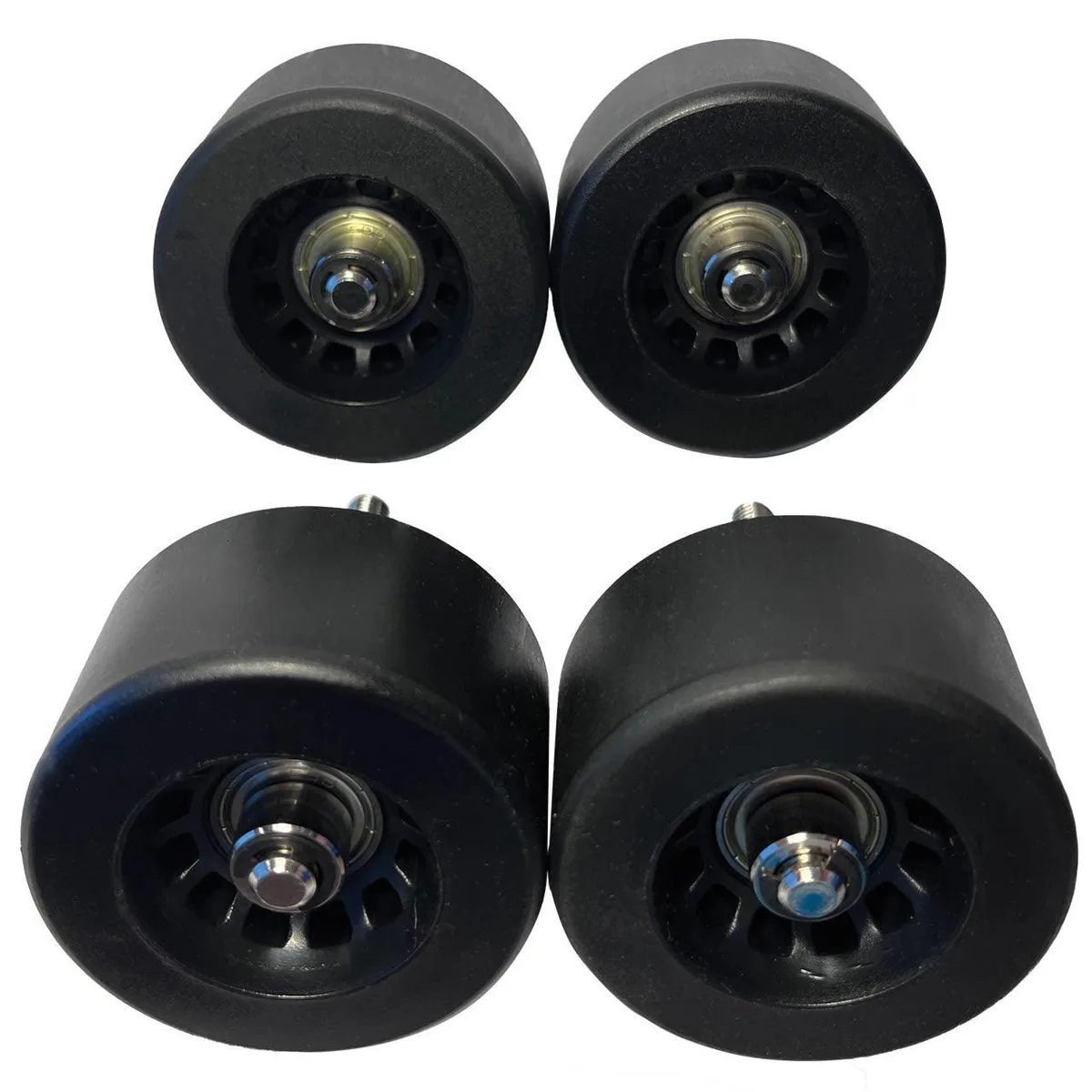
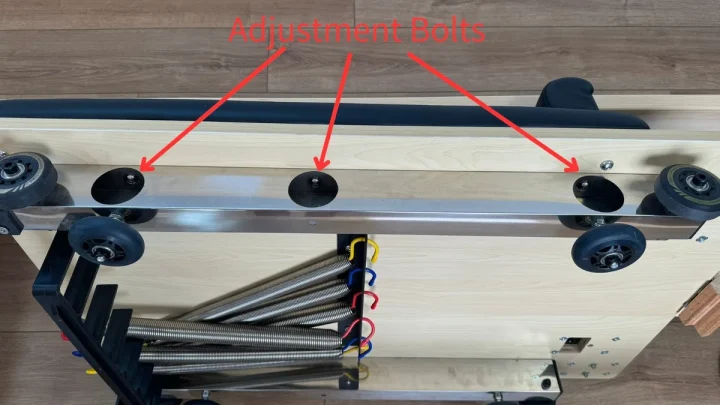
Image source: Web (Bing) / peakpilates.com (Web image (fair-use with source credit))
Quick Answer
Debris embedded in wheels primarily explains what causes reformer rail scratches. Wound hair locks wheel axles and creates flat spots. Seized bearings drag locked wheels across the aluminum tracks.
Misaligned carriage frames force guide rollers into sidewalls. Harsh chemical cleaners strip the protective anodized layer over time.
Why Reformer Rails Scratch and How to Spot the Damage Early
Reformer rails support dynamic body weight under continuous spring tension. When everything works correctly, high-grade polyurethane wheels roll effortlessly across smooth C-channel or tubular aluminum extrusions. The carriage feels weightless and makes almost no sound during movement.
Damage rarely happens in a single moment. It usually starts with faint black lines or a subtle vibration under your hands. If you ignore these early cues, minor abrasions quickly turn into deep grooves that ruin the fluid feel of the machine.
You can spot track issues early by watching for these clear warning signs:
- A rough, bumpy sensation during carriage travel, especially under light spring loads.
- Fine black aluminum dust gathering along the track edges or wheel hubs.
- High-pitched squeaking or scraping noises that persist after routine wipe-downs.
- Visible parallel scoring lines cutting through the satin sheen of the aluminum.
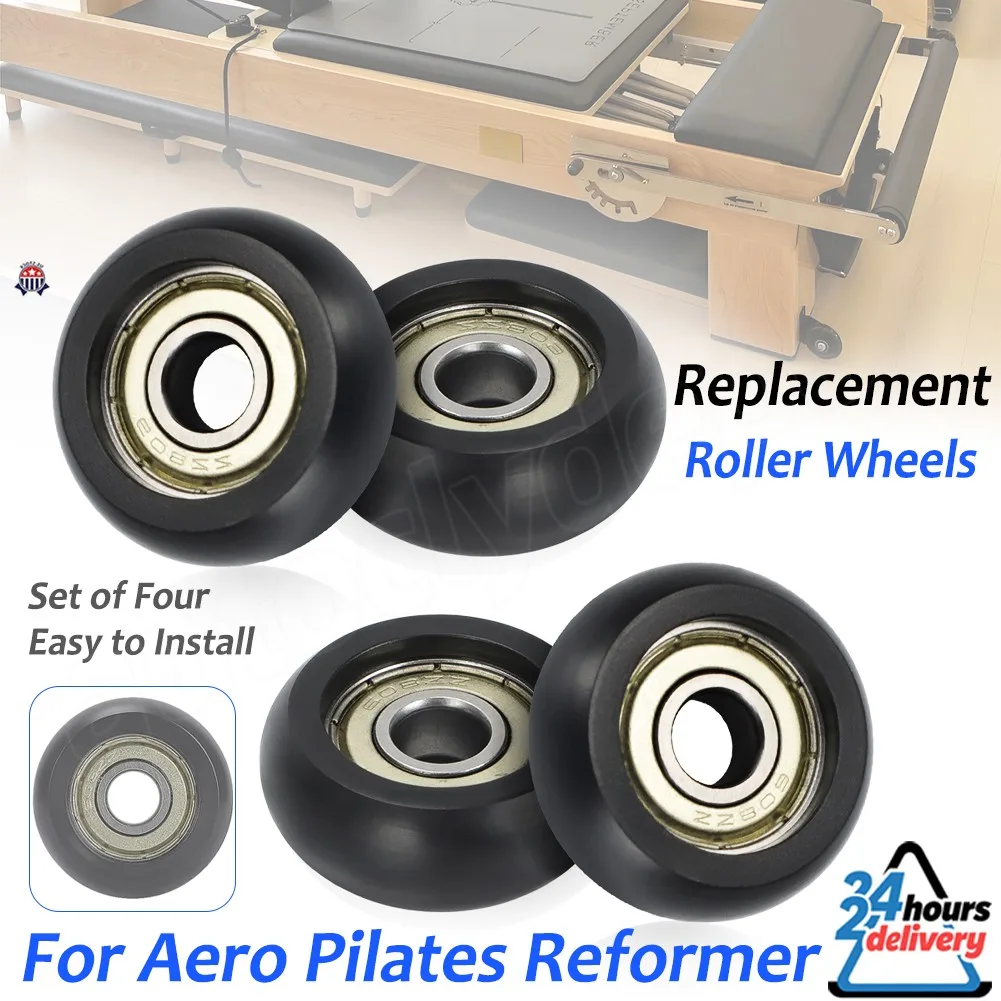
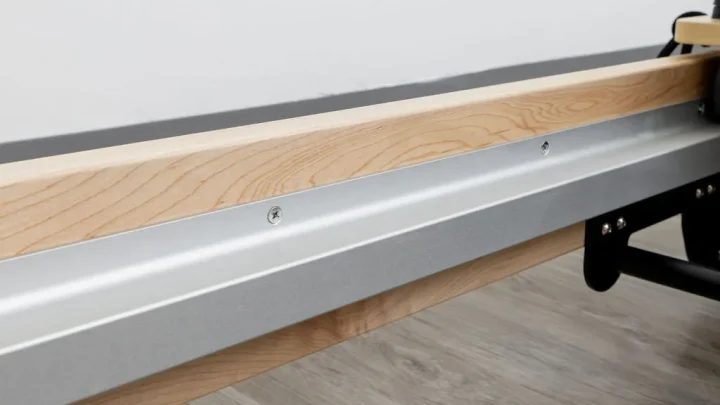
Image source: Web (Bing) / erevival.com (Web image (fair-use with source credit))
The 5 Main Culprits Behind Scratched Aluminum Extrusions
1. Imbedded Grit and Studio Debris in Polyurethane Wheels
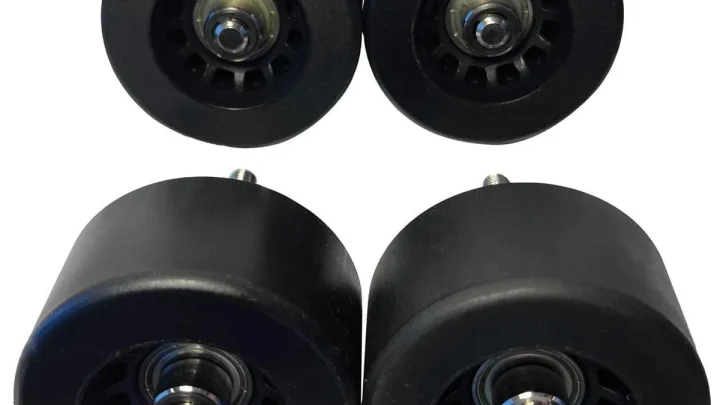
Polyurethane wheel treads typically feature a durometer rating between 80A and 90A. This material offers a quiet ride, but it is soft enough to pick up stray particles. Tiny silica grains from bare feet, grip-sock silicone fragments, and street dust settle on the tracks daily.
When the heavy carriage rolls over these particles, the wheel presses the grit deep into its tread. The roller becomes an abrasive sanding disc. As the carriage moves back and forth, that trapped particle cuts a continuous furrow into the softer aluminum track.
2. Hair and Thread Snarls Causing Axle Lockup
Long hair and stray clothing fibers naturally fall into the carriage wells during workouts. Over time, these strands wrap around the wheel axles inside the mounting brackets.
As hair accumulates, it binds tightly against the inner wheel hub. This mechanical binding increases rotational drag until the wheel stops spinning freely. A stationary wheel dragged across metal under body weight will quickly scrape the rail surface.
3. Seized ABEC Precision Bearings and Wheel Flat-Spotting
Most quality commercial reformers use sealed ABEC-5 or ABEC-7 precision bearings. While these bearings resist general dust, microscopic sweat droplets and moisture eventually penetrate the seals.
Once internal lubrication dries or corrodes, the ball bearings seize. The wheel skids across the rail rather than rolling. This friction grinds a flat spot directly into the polyurethane tire, turning the wheel into a blunt scraper that gouges the aluminum extrusion.
4. Carriage Racking and Lateral Guide Roller Misalignment
Carriage racking occurs when the carriage twists diagonally inside the frame. This happens when users step heavily on one side of the platform or when side-to-side spring tensions pull unevenly.
Modern reformers rely on lateral guide wheels to center the carriage. If these guide rollers lose their clearance, metal mounting bolts or off-track wheels will grind into the rail sidewalls. Manufacturer guidelines from Balanced Body suggest maintaining a 0.5 mm to 1.5 mm gap between guide wheels and the rail channel to prevent binding.
5. Chemical Stripping of the Anodized Protective Layer
Using the wrong cleaning spray is one of the most common causes of track failure as of 2026. Bleach solutions, citrus degreasers, and ammonia-based sprays react chemically with aluminum.
These harsh agents dissolve the clear anodized layer that protects the metal from oxidation. Without that hardened protective coating, the underlying aluminum turns soft and chalky. Unprotected aluminum scratches easily under standard wheel contact.
Diagnostic Workflow: How to Isolate the Exact Source of Track Friction
If your reformer feels gritty or you notice fresh scoring marks, use this step-by-step troubleshooting workflow to isolate the problem.
[Start Rail Inspection]
       │
       ▼
Is there visible debris or hair on the axle?
  ├── YES ──> Clear axle debris, wipe tracks, re-test glide.
  └── NO
       │
       ▼
Does each wheel spin freely by hand off-rail?
  ├── NO ───> Replace seized bearing / flat-spotted wheel.
  └── YES
       │
       ▼
Is the carriage tracking straight with 0.5-1.5mm lateral gap?
  ├── NO ───> Realign guide rollers and square the carriage.
  └── YES ──> Check track surface for chemical degradation or burrs.
Step 1: The Tactile and Visual Sweep
Wipe the tracks down with a clean, dry microfiber cloth. Slowly run your bare fingertips along the entire length of the track surface.
Feel for raised ridges, deep pits, or sticky chemical residue. If your fingers catch on raised metallic edges, the track has suffered structural scoring rather than simple surface scuffing.
Step 2: The Freewheel Bearing Spin Test
Disconnect all springs and lift the carriage off the tracks. Support the carriage safely on a clean workbench or padded mat.
Spin every load-bearing wheel and lateral guide roller individually with your thumb. A healthy wheel should spin smoothly for several seconds without noise. If a wheel stops immediately or feels crunchy, the internal bearing has failed and requires replacement.
Step 3: Inspecting Axle Clearances and Debris Buildup
Look closely between the wheel hub and the metal mounting bracket. Use a flashlight to inspect the axle shaft for tangled hair or fiber buildup.
Check the polyurethane surface of every wheel under bright light. Look for embedded metal flakes, grit, or flat spots along the contact face.
Step 4: Checking Carriage Alignment and Lateral Play
Set the carriage back on the rails. Gently push the carriage sideways toward one rail and measure the remaining gap on the opposite guide roller.
The carriage should have roughly 1 millimeter of side-to-side play. If the guide rollers press tightly against the rail sidewalls throughout the stroke, loosen the mounting hardware to center the frame.
Surface Scuff vs. Structural Gouge: Evaluating Track Damage
Not every mark on an aluminum rail requires a costly repair. Knowing how to tell surface rubber deposits from true metal scoring saves time and money.
| Diagnostic Factor | Surface Rubber Scuff | Structural Metal Gouge |
|---|---|---|
| Physical Texture | Smooth to the touch; flush with rail | Sharp, raised edge or distinct valley |
| Microfiber Snag Test | Cloth glides over smoothly | Cloth fibers catch and pull on metal burrs |
| Root Cause | Normal polyurethane micro-transfer | Embedded grit, seized wheel, or misalignment |
| Remedy | Mild detergent and microfiber wipe | Abrasive pad deburring or rail replacement |
| Risk to Equipment | Zero structural harm | Rapidly destroys new replacement wheels |
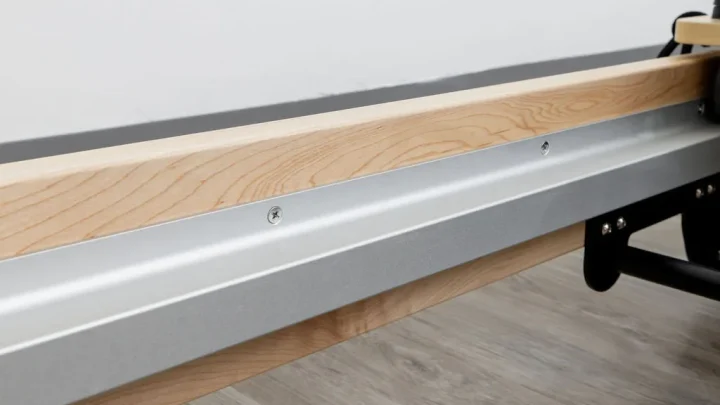
Image source: Bing (Web (fair-use with source credit))
How to Repair Scratched Rails and Restore a Silent Glide
Dressing Minor Aluminum Burrs with Ultra-Fine Abrasive Pads
If a scratch has created a raised metal burr, that rough edge will chew up new rollers within days. You must remove the high spot to save your wheels.
Take an ultra-fine abrasive pad (such as a gray or maroon non-woven nylon pad). Apply light, even pressure along the grain of the rail extrusion. Buff only the localized high spot until your finger glides across the area without catching.
Never use steel wool or coarse sandpaper, as they strip the surrounding anodization.
Replacing Flat-Spotted Wheels and Contaminated Bearings
Never run an old, compromised wheel over a freshly dressed rail. If a wheel shows a flat spot or a seized bearing, replace the entire wheel assembly.
Loosen the axle shoulder bolt with appropriate hex keys, noting the position of any spacing washers. Install the new OEM wheel assembly, ensuring the washers sit flat against the inner bearing races. Tighten the locknut securely while confirming the wheel spins freely without wobble.
Knowing When Rail Replacement Is the Only Safe Solution
Minor surface abrasions are cosmetic, but deep gouges compromise equipment safety. If a groove exceeds 0.5 millimeters in depth, the structural strength of the extrusion drops.
Deep ridges also create severe carriage chatter during standing exercises, which creates a slipping hazard for clients. When an extrusion is bent, worn past the anodized layer across wide sections, or deeply scored, complete rail replacement is the only safe fix.
Critical Equipment Mistakes That Accelerate Track Wear
A few common maintenance habits actually speed up track destruction rather than preventing it. Spraying wet lubricants onto tracks is the most damaging error. WD-40, silicone spray, and white lithium grease turn clean tracks into sticky magnets for dirt, pet dander, and hair.
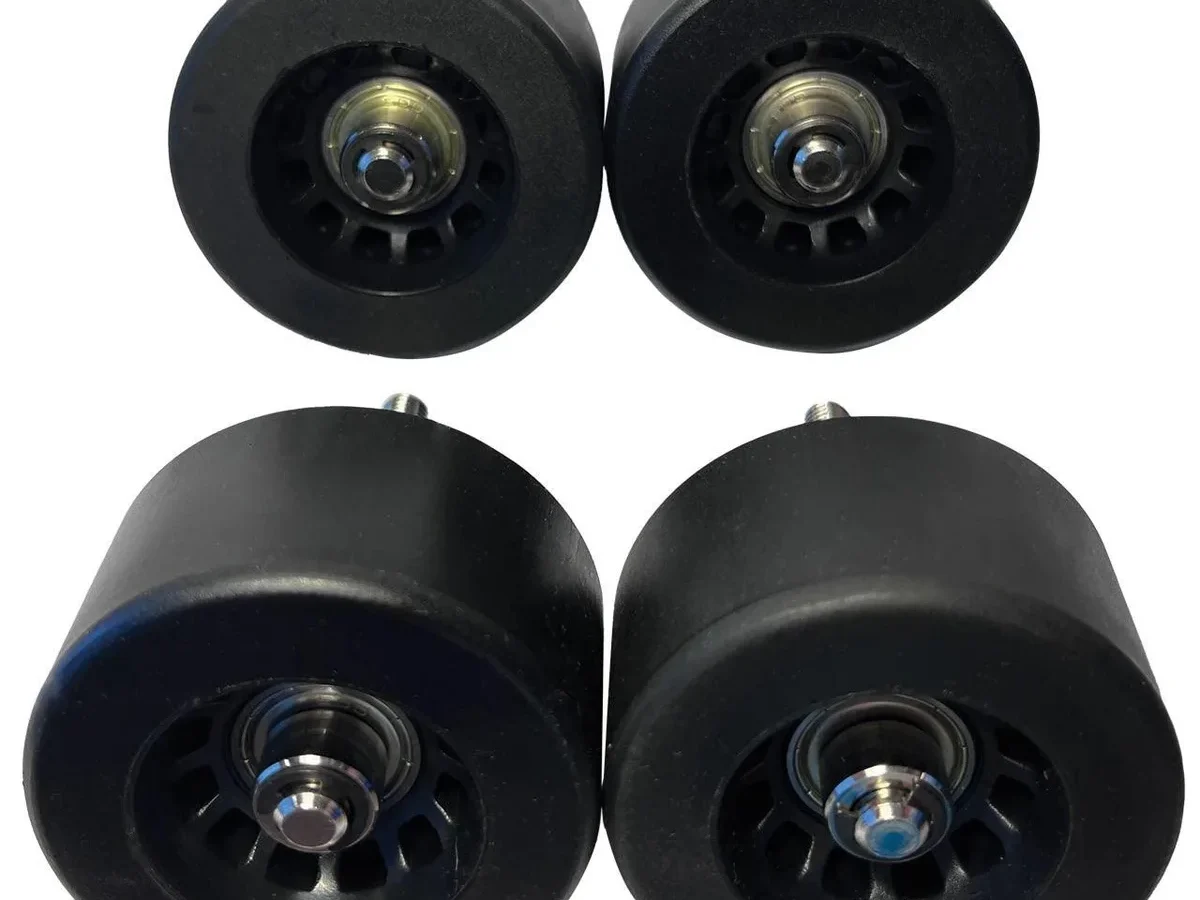
Another costly mistake is buying cheap aftermarket inline-skate wheels to save money. Generic skate wheels use unpredictable durometer formulas and lack the exact hub spacing required for Pilates reformers. They often bind against brackets or wear down unevenly within weeks.
Studio owners also run into trouble by skipping regular axle inspections. Letting clients use machines on bare carpet increases the fiber load dramatically. Those carpet threads wrap around axles quickly, turning free-spinning rollers into fixed scrapers before anyone notices.
The Proactive Rail and Wheel Maintenance Schedule
Preventive care stops rail gouging before it starts. Sticking to a disciplined cleaning routine keeps aluminum extrusions mirror-smooth for decades.
| Frequency | Action Required | Key Tools and Cleaners |
|---|---|---|
| Daily | Wipe down track channels to remove surface dust and hair | Clean microfiber cloth, water or mild soap dilution |
| Weekly | Inspect polyurethane wheels for embedded grit or flat spots | Flashlight, fingertip sweep |
| Monthly | Clear hair snarls from axles and check guide clearance | Needle-nose pliers, 1mm spacer gauge |
| Quarterly | Test bearing spin and torque all mounting hardware | Hex wrenches, replacement OEM bearings |
| Annually | Perform full carriage strip-down and alignment check | Manufacturer tune-up kit, non-woven abrasive pad |
Daily cleaning requires only seconds per machine. A dry microfiber cloth or a rag lightly dampened with mild dish soap works best. Never leave standing liquid on the rails, as trapped moisture encourages galvanic corrosion under mounting brackets.
Frequently Asked Questions About Reformer Rails and Wheel Wear
Can you use WD-40 on Pilates reformer tracks?
Never use WD-40 or any petroleum-based lubricant on reformer tracks. Wet lubricants attract hair, dust, and grit, creating an abrasive paste that rapidly scores the aluminum. Clean tracks work best when completely dry and free of oily residue.
How often should reformer wheels be replaced?
Commercial studios should replace load-bearing wheels every 12 to 24 months depending on daily class volume. Home reformers usually need new wheels every 3 to 5 years. Replace wheels immediately if you spot flat spots, bearing play, or embedded grit.
Why are my reformer tracks turning black?
Black residue on tracks comes from normal polyurethane shedding mixed with microscopic aluminum oxide dust. Wipe this residue away daily with a microfiber cloth. If left unchecked, this buildup mixes with dirt and creates friction against the wheels.
Will a scratched rail ruin new replacement wheels?
Yes, a scratched rail with raised metal burrs will quickly chew up new polyurethane rollers. Always dress down sharp scratches using an ultra-fine non-woven abrasive pad before installing new wheel assemblies. This preserves your new parts and restores a quiet glide.

Similar Posts