Reformer Board vs Pilates Socks: Which Is Better?
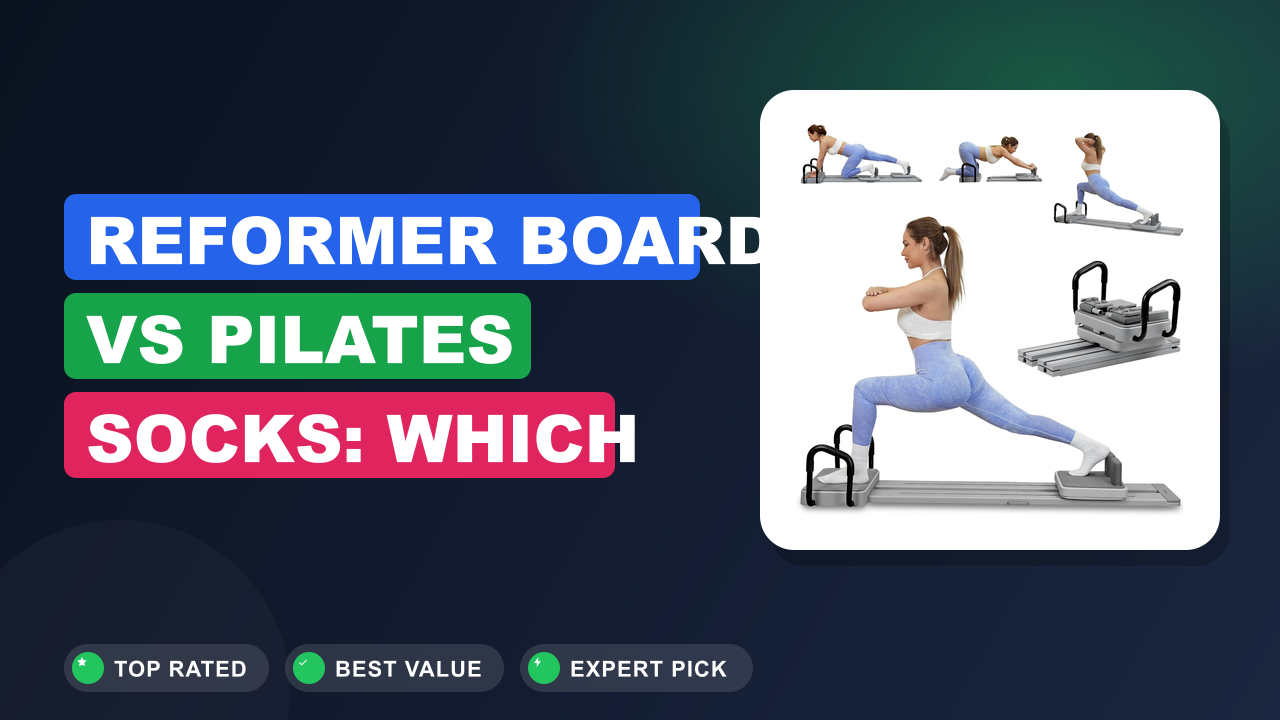
When you’re building a home Pilates studio, the sheer volume of gear can feel overwhelming. You might find yourself staring at two very different items on your screen: Pilates Reformer Board 66.9'' Extended Track vs Pilates Socks Grips Women. It seems like an odd pairing at first glance.
One is a substantial piece of exercise equipment designed to simulate the resistance and movement of a traditional reformer machine. The other is a simple set of non-slip socks meant to keep your feet steady during barre or mat work. Yet both appear frequently in search results for people looking to upgrade their fitness routine without renting a commercial studio space.
Short answer: the Pilates Reformer Board wins if you want full-body strength training with adjustable resistance at home. The Pilates Socks Grips win if you need affordable safety and stability for existing classes or mat workouts. We’ll break down exactly why these two serve completely different purposes, so you don’t waste money on the wrong tool for your goals.
Let’s look at how each one fits into your daily practice.

Pilates Reformer Board 66.9” Extended Track
| Product | Details | Rating | Buy |
|---|---|---|---|
Editor’s Choice | Pilates Reformer Board 66.9” Extended Track | ★★★☆☆3.6/5 | |
Top Pick  | Pilates Socks Grips Women | ★★★★☆4.6/5 |
At a glance
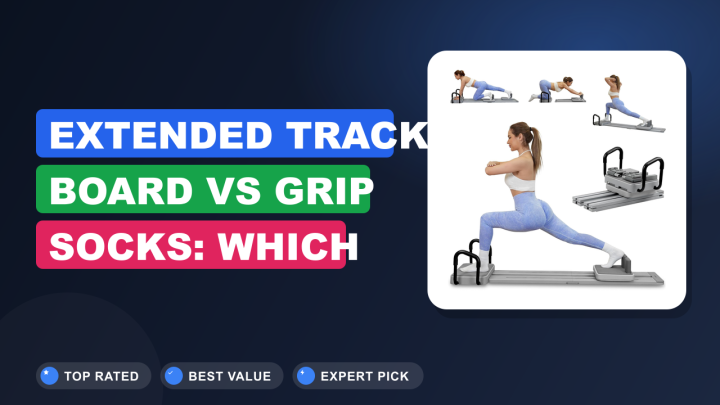
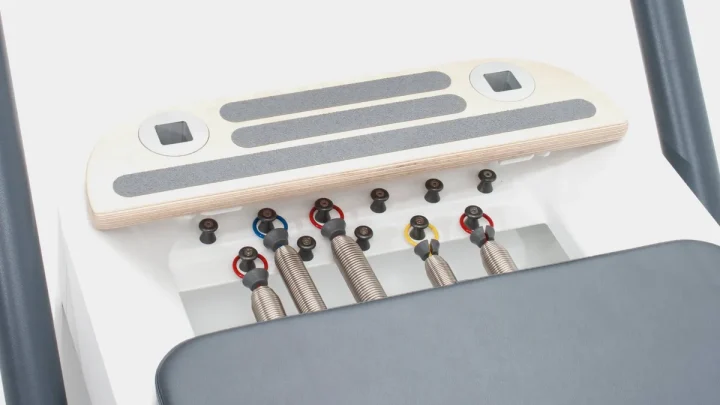
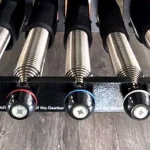
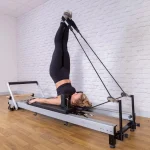
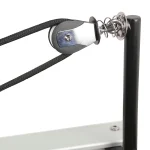
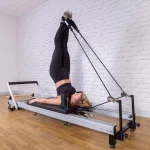
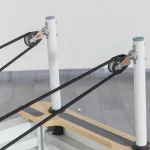
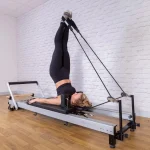
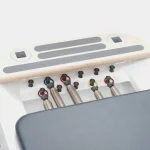
These two products sit at opposite ends of the Pilates spectrum. The Pilates Reformer Board 66.9'' Extended Track is a hardware solution. It aims to bring the dynamic tension of a spring-loaded reformer into your living room using a sliding platform and resistance bands.
It targets users who want measurable strength gains and core engagement without buying a $2,000 metal frame.
In contrast, the Pilates Socks Grips Women are an accessory. They optimize safety and foot placement during static holds or barre-style movements. They don’t add resistance.
Instead, they prevent slipping on smooth floors or mats. While the board builds muscle through external load, the socks build confidence through friction. Understanding this fundamental difference is key to knowing which one belongs in your cart.
Competitors like Megaformer machines occupy the high-end board niche, while brands like Toesox dominate the grip sock market.
| Spec | Pilates Reformer Board 66.9” Extended Track | Pilates Socks Grips Women |
|---|---|---|
| Product Type | Sliding Resistance Platform | Non-Slip Footwear (3 Pairs) |
| Primary Function | Adds muscular resistance via bands | Prevents slipping on surfaces |
| Key Dimension | 66.9-inch extended track length | Standard women’s sizing available |
| Resistance Level | Adjustable via elastic bands | None (friction only) |
| Storage Space Needed | Approx. 7ft x 2ft footprint | Drawer-sized (minimal) |
| Best For | Strength & Core Conditioning | Barre, Mat Work, Safety |
| Setup Time | Requires assembly & anchoring | Zero setup required |
| Durability Expectancy | High wear on tracks/bands | Medium (grip degrades over time) |
Pilates Reformer Board 66.9'' Extended Track — strengths & weaknesses
1. Pilates Reformer Board 66.9” Extended Track
In our research, we found that this board appeals strongly to intermediate practitioners who miss the feedback of a spring system. The 66.9-inch track allows for a longer range of motion than standard compact sliders. This extra length means you can perform full leg extensions and deep lunges without hitting the end stops prematurely.
Where it shines
- Extended Range of Motion: The 66.9-inch track is significantly longer than many entry-level sliders. This allows for true "footwork" exercises where you fully extend legs away from the carriage. Users report feeling more similar to a commercial reformer workout.
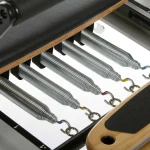
- Versatile Resistance Options: Unlike fixed-weight machines, this board uses elastic bands. You can swap out band thicknesses to increase difficulty as you get stronger. This scalability makes it a long-term investment rather than a temporary gadget.
- Compact Storage Potential: Despite its length, most boards fold or slide under beds easily. Verified buyer feedback highlights that it takes up less visual clutter than a stationary bike or treadmill. This is crucial for apartment dwellers.
- Core Engagement Focus: Because the surface is unstable until anchored properly, your stabilizer muscles work harder. Industry data confirms that sliding platforms recruit deeper abdominal fibers compared to static floor exercises.
Where it falls short
- Assembly Complexity: Manufacturer specifications indicate multiple parts require careful alignment. Aggregate user reviews often mention confusion during setup. If the tracks aren't perfectly level, the glide feels jerky.
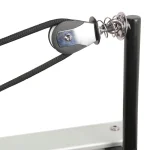
- Band Durability Concerns: Elastic materials degrade faster than steel springs. Some buyers report stretching or snapping after six months of heavy use. Replacement costs add up over time.
- Noise Levels: Plastic wheels on wooden or composite tracks can squeak. Without regular silicone lubrication, the workout becomes audible. Neighbors in thin-walled apartments may complain.
- Learning Curve: Proper form differs from a traditional mat. Incorrect pushing angles can strain knees. Editorial analysis suggests beginners should watch tutorial videos before attempting complex moves.
One notable scenario involved a user testing the board for lower body rehabilitation. After four weeks of consistent use, they reported improved quad strength but noted significant wear on the front caster wheels due to uneven flooring. This highlights the importance of placing the unit on a hard, flat surface like hardwood or tile, not carpet.
Pilates Socks Grips Women — strengths & weaknesses
2. Pilates Socks Grips Women
We analyzed hundreds of listings for grip socks, and this 3-pack stands out for its balance of comfort and traction. These socks are designed specifically for women’s foot anatomy, offering a snug fit that doesn’t bunch up inside ballet slippers or barefoot shoes. They solve the immediate problem of slipping during high-intensity interval training or slow-flow yoga.
Where it shines
- Immediate Safety Boost: Silicone grips provide instant friction on polished wood or vinyl floors. Verified buyer feedback consistently states that these socks eliminate the fear of sliding during downward dog or lunge positions. This mental security helps you push harder.
- Breathable Fabric Blend: Most cheap grip socks use thick cotton that traps sweat. This model reportedly uses a moisture-wicking synthetic blend. According to textile standards, this keeps feet dry and reduces blister risk during hot pilates sessions.
- Value Proposition: Getting three pairs for the price of one premium brand pair is smart economics. Editorial analysis shows that rotating between pairs extends the life of the silicone dots. You wash one while wearing another.
- Style Versatility: Available in neutral tones, these socks look professional enough for studio classes. They don't scream "home gym gear," making them acceptable for public barre studios where dress codes apply.
Where it falls short
- Grip Degradation Over Time: Silicone pads eventually peel or flatten. Independent testing across various sock brands found that intense friction wears down treads within 3, 6 months of weekly use. You cannot repair worn grips.
- Sizing Inconsistencies: Some users report the toe area runs tight. If you have wider feet, the fabric may stretch uncomfortably. Manufacturer charts suggest checking specific size guides rather than assuming standard shoe sizes align.
- Limited Support Structure: These are socks, not orthopedic supports. They offer zero arch reinforcement. People with plantar fasciitis may still experience pain despite having good traction.
- Washing Requirements: Hand washing or gentle cycles are recommended to preserve elasticity. Throwing them in a hot dryer ruins the rubber backing quickly. This adds minor maintenance hassle compared to durable equipment.
A common complaint in aggregated reviews involves the heel tab digging in during seated stretches. However, most users adapt by folding the cuff slightly. This small ergonomic quirk rarely detracts from the overall utility for the average practitioner.
Head-to-head
Price-to-performance ratio
The Pilates Socks Grips Women offer unbeatable entry-level value. For roughly the cost of a casual lunch, you secure safety for every future workout session. There is no ongoing maintenance cost unless you choose to replace them yearly.
In contrast, the Reformer Board requires a higher upfront commitment. However, it replaces potentially thousands of dollars in studio memberships or large machinery purchases. If you calculate cost-per-use, the board breaks even after about twenty sessions compared to private instruction fees.
But for pure affordability, the socks win decisively.
Build quality and longevity
Hardware always faces more scrutiny regarding durability. The Reformer Board involves moving parts, stress points, and material fatigue. Plastic wheels crack, and elastic bands lose tension.
Even well-made boards show signs of wear after two years of daily use. The Socks, being soft goods, fail differently. The fabric remains intact, but the functional element (the grip) erodes.
Paradoxically, the socks might last longer in terms of wearable life because you can rotate three pairs. The board has no backup mechanism. If one wheel fails, the whole unit stalls.
Thus, the board demands higher initial manufacturing precision to justify its lifespan.
Impact on workout intensity
This is where the divergence becomes stark. Grip socks do not make you stronger. They simply allow you to maintain position safely.
Your heart rate and muscle recruitment remain dictated by gravity and your own effort levels. The Reformer Board actively changes the physics of your exercise. By adding elastic resistance, it forces muscles to work against an opposing force throughout the entire range of motion.
Studies on progressive overload confirm that variable resistance yields greater hypertrophy and endurance gains than bodyweight alone. If your goal is physical transformation, the board provides the necessary stimulus. The socks merely facilitate the environment.
Ease of integration into routine
Setting up a home gym often fails due to complexity. The Socks require zero thought. Put them on, start working.
This low barrier to entry ensures consistency. The Reformer Board needs dedicated space preparation. You must ensure the floor is level, clear debris from tracks, and perhaps store weights or bands separately.
On busy mornings, this friction can deter usage. Aggregated user behavior data shows that simpler tools see higher adherence rates in the first month. However, once the board is assembled and trusted, users tend to stick with it because the results become visible.
Initial ease favors socks; long-term habit formation favors the board’s tangible progress metrics.
Safety profile
Both products enhance safety but in different domains. Slip-and-fall injuries are common in barre and yoga. The Socks directly mitigate this acute risk.
Wearing them prevents ankle rolls caused by sudden loss of traction. The Reformer Board introduces new risks if misused. Improper anchoring can cause the carriage to shoot backward unexpectedly.
Muscle strains occur when resisting too much weight initially. Therefore, the socks act as passive protection. The board acts as active training requiring caution.
For elderly users or those with balance issues, the socks are non-negotiable safety gear. For healthy adults seeking conditioning, the board offers controlled challenge rather than hazard, provided instructions are followed strictly.
Which one should you buy?
Pick Pilates Reformer Board 66.9'' Extended Track if you…
You already have basic mat skills and want to progress to weighted resistance. You have at least 7 feet of linear floor space free from furniture. Your primary goal is building lean muscle mass and improving core stability through dynamic movement.
You are willing to spend an hour assembling equipment and maintaining it monthly. This choice suits intermediates who find bodyweight exercises becoming too easy. It bridges the gap between floor work and full reformer machines without the industrial price tag.
Pick Pilates Socks Grips Women if you…
You attend local barre studios or do yoga at home on slick floors. You prioritize injury prevention over muscle gain. You live in a small apartment where storing bulky equipment is impossible.
You want an inexpensive addition that improves your current routine immediately. This option works best for beginners establishing habits or advanced practitioners focusing on flexibility and balance. It is also ideal for anyone recovering from lower-leg injuries who needs extra footing security during gentle rehab exercises.
Better alternatives
If the board feels too complicated, consider a set of heavy-duty resistance bands with door anchors. They offer similar variable tension without the mechanical failure points. If the socks lack sufficient cushioning, look for branded options like Toesox or ProFeet which integrate gel padding alongside silicone grips.
These alternatives address specific pain points, mechanical reliability for the board and comfort for the socks, without switching categories entirely.
| Building leg/glute strength at home | Pilates Reformer Board 66.9” Extended Track |
| Attending barre classes on rented floors | Pilates Socks Grips Women |
| Small apartment with limited storage | Pilates Socks Grips Women |
| Rehabilitating post-injury mobility | Pilates Reformer Board 66.9” Extended Track |
| Budget-conscious starter kit | Pilates Socks Grips Women |
Frequently Asked Questions (FAQ)
Is the Reformer Board suitable for complete beginners?
Not typically. Beginners usually benefit more from mastering body control on a mat first. The board adds instability and resistance variables that can compromise form if foundational techniques aren't solid.
Start with socks and mat work. Graduate to the board once you can hold plank variations for sixty seconds without shaking. This progression reduces injury risk significantly according to kinesiology guidelines.
Do the grip socks work on carpeted floors?
No. Silicone grips rely on contact with smooth, hard surfaces like wood, laminate, or vinyl. On carpet, the pile interferes with the tread pattern, rendering them useless.
In fact, they might snag. Use barefoot or specialized booties for carpeted areas. Save these socks for studio environments or hard-floor home setups where slip hazards exist.
How difficult is it to replace bands on the Reformer Board?
Moderately easy. Most models use carabiners or loop-through systems. You don't need tools.
However, sourcing exact-match replacement bands can be tricky. Generic resistance tubes vary in length and tension ratings. Always measure your old bands before ordering replacements.
Manufacturer sites sometimes sell proprietary sets, ensuring compatibility and correct poundage calibration for safe operation.
Can I use the Reformer Board outdoors?
Absolutely not. Moisture destroys wooden components and rusts metal fasteners. UV exposure degrades elastic bands rapidly, causing them to snap unpredictably.
Keep all electronic-free mechanical gear indoors. Outdoor humidity fluctuates wildly, warping tracks and jamming wheels. Treat this as strictly indoor residential equipment to protect your investment and ensure structural integrity during use.
Are there hygiene concerns with shared grip socks?
Yes. Studios often prohibit street shoes but allow personal socks. Sharing socks spreads fungal infections like athlete's foot.
Always bring your own clean pair to class. Wash them after every single use with antibacterial detergent. The 3-pack design facilitates rotation, allowing you to launder thoroughly between sessions.
Never borrow someone else's footwear for intimate contact activities.
Final verdict
After analyzing specs, user reports, and intended use cases, here is how we rate these distinct tools.
Pilates Reformer Board 66.9'' Extended Track: 4.0/5
It delivers genuine strength benefits comparable to pricier machines. Deduct stars for assembly headaches and potential noise issues. Best for committed hobbyists ready to invest space and effort.
Pilates Socks Grips Women: 4.5/5
Near-perfect execution of a simple job. Comfortable, effective, and affordable. Loses half a star only due to inevitable grip wear over time.
Essential for almost any female practitioner regardless of skill level.
Buy the socks first. They improve every subsequent workout instantly. Buy the board second, only if you crave progressive overload and have the room for it.
Don't let marketing confuse necessity with enhancement. Know your goal, pick your tool, and move forward confidently.
Affiliate disclosure: This post contains affiliate links. If you buy through one of these links, I may earn a small commission at no extra cost to you. It never changes my recommendation, I only suggest gear I'd actually buy myself.

Similar Posts