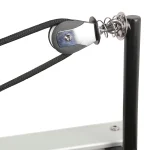
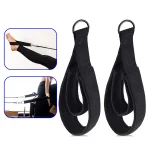
How to Stop Reformer Straps from Twisting (Easy Fix)
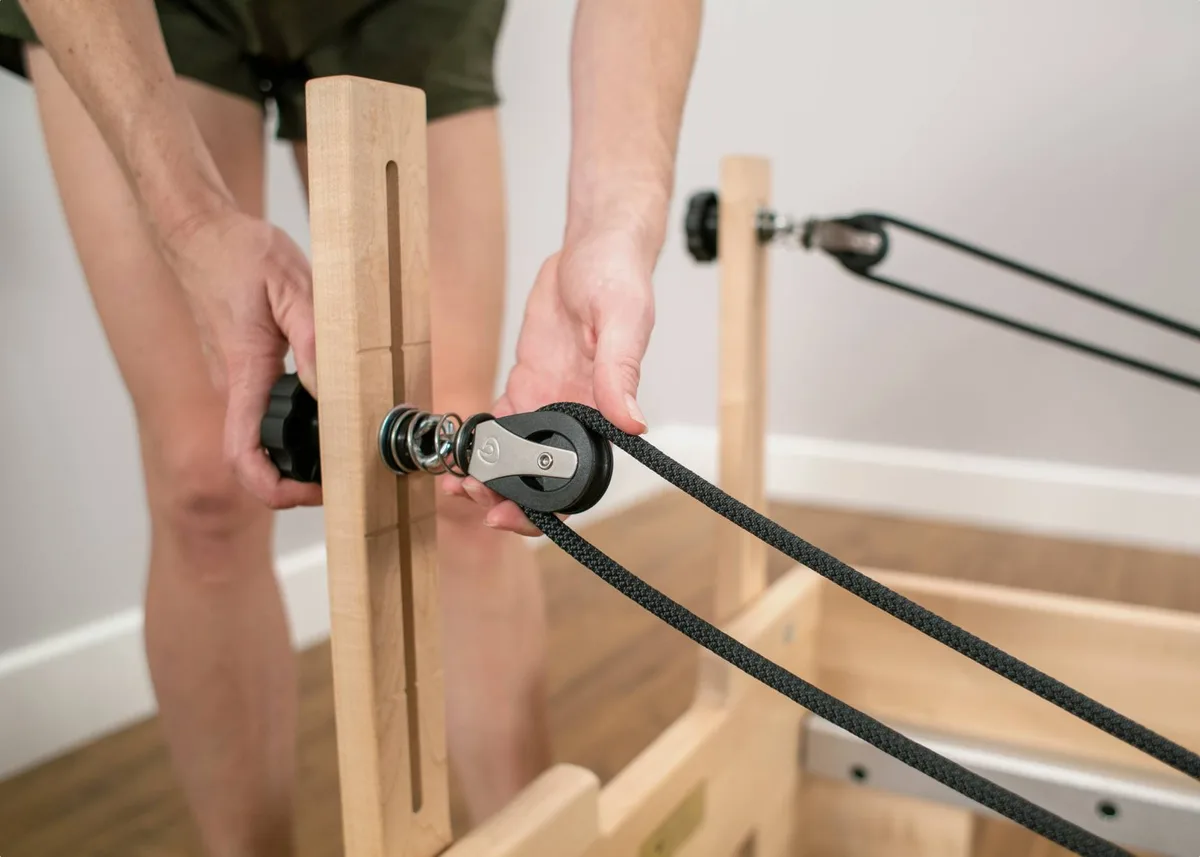
Few things disrupt a smooth Pilates flow faster than twisted reformer straps cutting into your feet or wrists. If you want to know how to stop reformer straps from twisting, the fix starts with releasing built-up torsion in the ropes and checking your hardware setup.
According to equipment specifications from major manufacturers like Balanced Body, standard reformer ropes are built from tightly braided synthetic fibers that naturally store rotational energy over repeated use. When that torsion has nowhere to go, your flat webbing loops curl and bind.
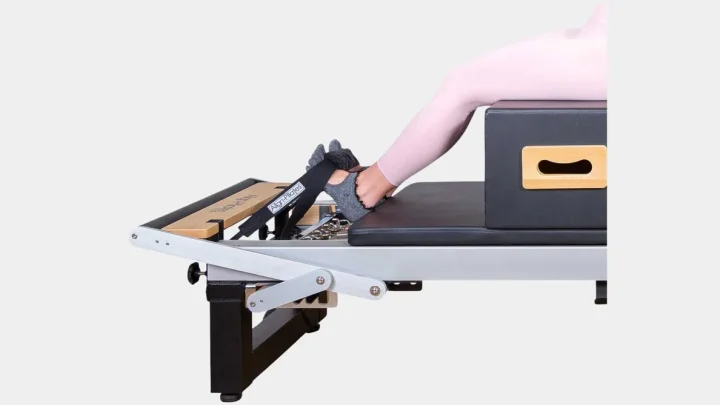
Image source: Bing (Web (fair-use with source credit))
Quick Answer
To stop reformer straps from twisting, release the synthetic rope completely from the carriage cam cleat. Let the rope hang free so stored rotational torsion unravels naturally. Make sure your strap attachments use free-spinning 360-degree swivel snap hooks.
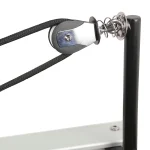
Keep your pulley risers aligned with the angle of movement.
Why Reformer Straps and Ropes Keep Twisting
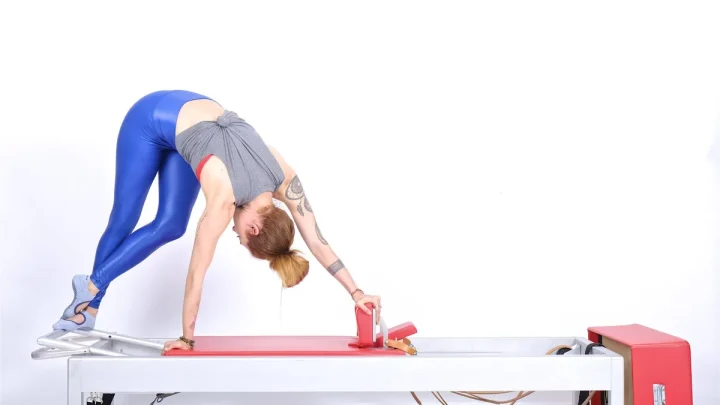
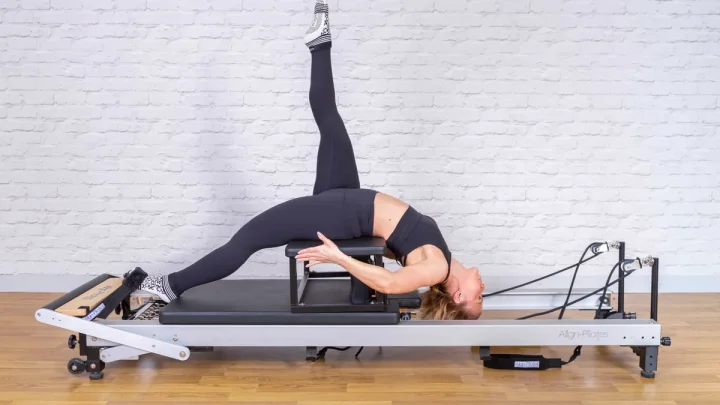
Reformer straps twist because of rotational force, also known as mechanical torque. Every time you perform exercises like Leg Circles or Peter Pan, your feet rotate in small arcs. If your hardware cannot rotate freely with that movement, that twisting force travels straight up into the cord.
Synthetic ropes are made of braided polyester or nylon strands. When you pull tension through the pulley sheaves, the fibers compress. Over dozens of sessions, repeated directional loading creates rope hockling, which is the technical term for cords bunching and curling into stubborn kinks.
[Foot/Wrist Rotation] ---> [Fixed Clip / Stuck Pulley] ---> [Axial Cord Twist] ---> [Curled Webbing Strap]
Traditional leather straps behave differently. Leather does not hold internal braid tension like synthetic cords do. Instead, leather twists when it gets misthreaded through the carriage eyelets or when the flat strap flips sideways inside the metal D-ring.
- Rope memory: Braided cords remember their twisted shape if left clamped under tension.
- Frozen hardware: Stuck pulley bearings and jammed clips force the strap material to absorb all the turn.
- User habit: Spinning the handles during exercise transitions adds extra rotations to the cord.
Diagnostic Workflow: Pinpoint Your Reformer's Twist Point
Before changing parts, find out exactly where the twist starts. Use this troubleshooting guide to isolate whether your issue comes from the rope core, the pulley, or your end attachments.
| Check Point | What to Look For | Quick Fix |
|---|---|---|
| Cam / Clam Cleats | Cord is cinched down unevenly or pinched sideways | Pull rope free and let it dangle unweighted |
| Pulley Wheels (Sheaves) | Wheel does not spin or fails to pivot toward the carriage | Lubricate bearing with dry silicone spray |
| Snap Hook Clips | Clip has a rigid base with zero axial rotation | Swap to a 360-degree swivel snap hook |
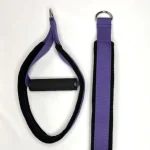
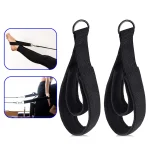
| Webbing Loops | Double-loop strap is inverted inside the metal ring | Flip the short loop back through the main band |
Follow this simple decision tree to narrow down the cause:
- Release the cord from the cleat. If the cord immediately spins and uncoils on its own, your rope has stored torsional memory.
- Inspect the pulley. If the rope is clear but the strap still flips during carriage travel, check the pulley riser. The pulley must swivel smoothly side to side.
- Check the clip. If the pulley moves easily, inspect the snap hook connecting the rope to your loop. A seized swivel forces the entire flat strap to twist against your skin.
Step-by-Step Guide to De-Tensioning and Resetting Synthetic Ropes
Resetting synthetic ropes takes less than five minutes and clears out accumulated torsion. Plan to do this weekly in busy commercial settings or monthly on a home reformer.
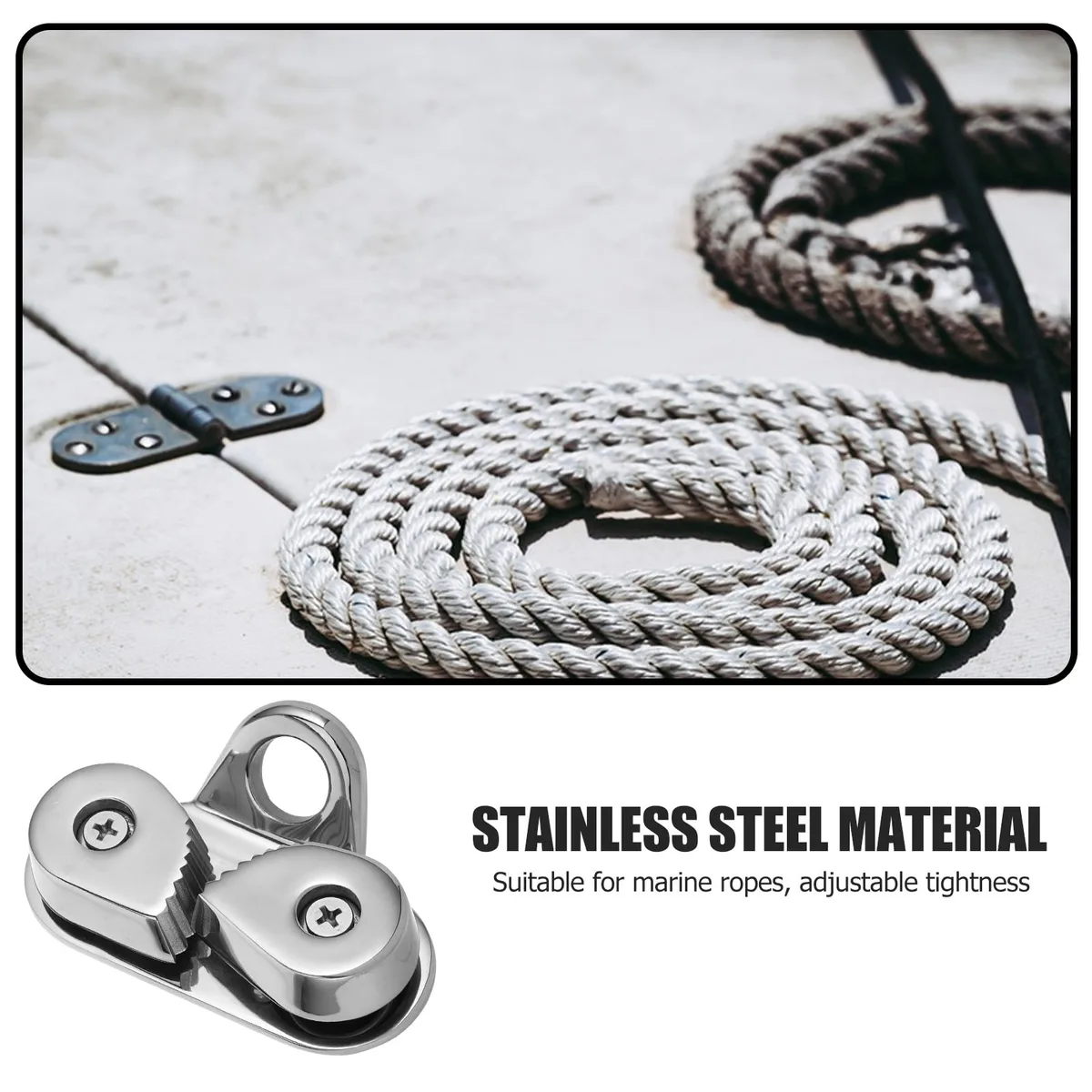
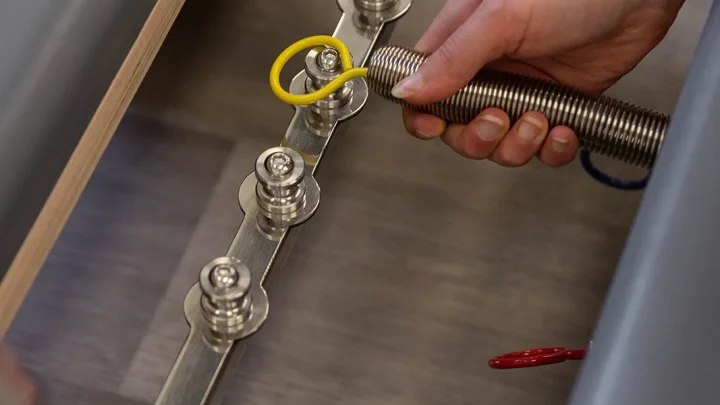
Image source: Bing (Web (fair-use with source credit))
Step 1: Disengage the Rope from the Carriage
Pull the tail of the rope upward to pop it out of the cam cleat or clam cleat underneath or behind the headrest. Pull the entire working length of the cord out through the cleat so no clamped sections remain.
Step 2: Clear the Torsion Along the Entire Length
Take off the strap handle so only the bare snap hook remains on the rope end. Walk the rope out away from the reformer. Run your thumb and index finger firmly down the cord from the pulley down to the metal clip.
You will see the clip spin rapidly as the stored twist leaves the braided core.
Step 3: Hang the Cord to Neutralize
Let the rope drop straight down off the edge of the carriage or frame for two minutes. Allowing gravity to pull on the free-hanging hardware lets any remaining internal fibers settle back to neutral alignment.
Step 4: Re-Thread and Equalize Lengths
Thread the rope straight back through the cam cleat. Pull both carriage straps to the top of the shoulder rests to confirm both sides are the exact same length before locking the cleats shut.
Hardware Upgrades and Alignment: Pulleys, Risers, and Swivel Snaps
Sometimes the design of your reformer hardware is the real culprit behind constant twisting. Standard equipment configurations can wear down over time, restricting free motion.
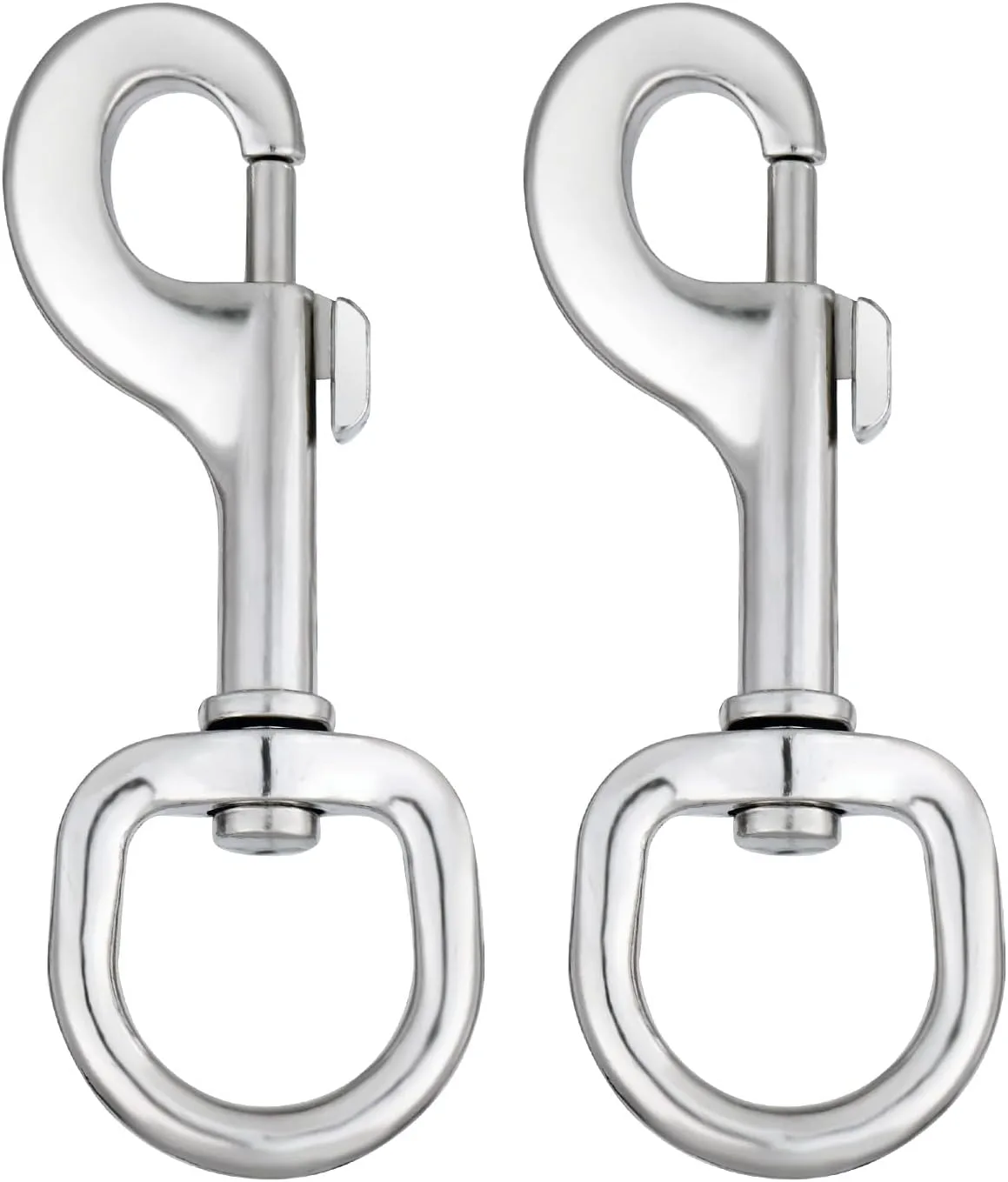
Image source: Bing (Web (fair-use with source credit))
High-grade reformers rely on dynamic hardware to cancel out rotational forces created during exercise. Upgrading rigid components keeps your straps tracking straight:
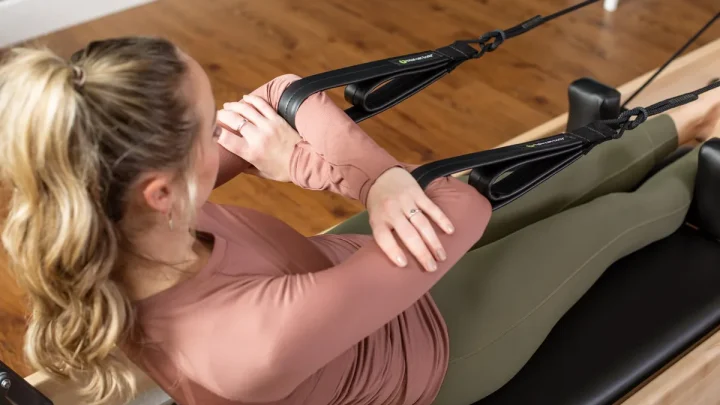
- 360-Degree Swivel Snap Hooks: Never use rigid carabiners or fixed-eye clips. Swivel snaps isolate hand and foot rotations so the strap stays flat against your body.
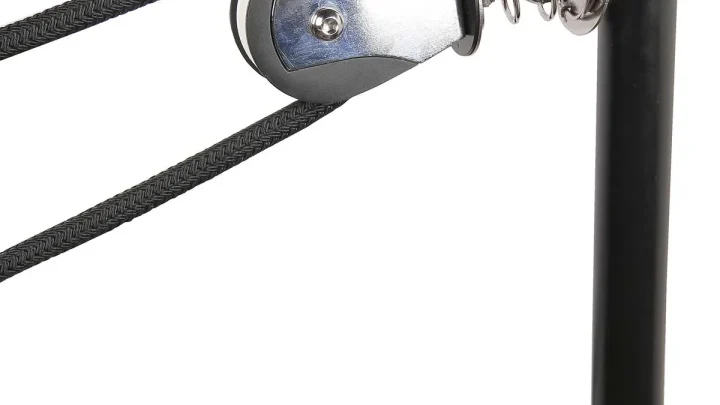
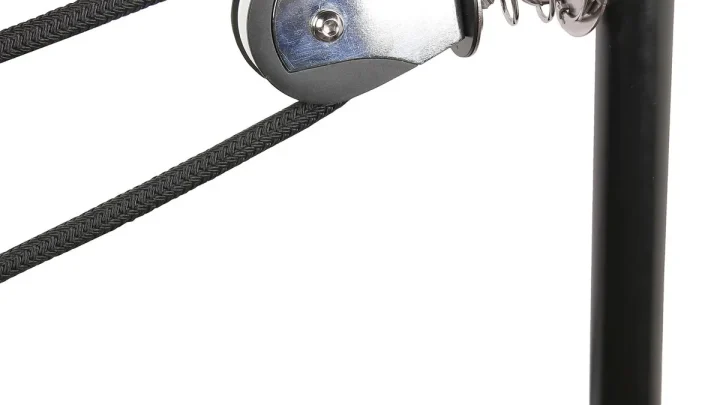
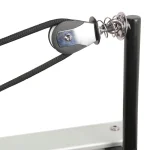
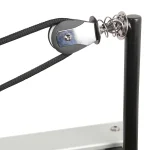
- Articulating Pulley Risers: Risers should tilt and pivot toward the line of pull. If the rope rubs against the metal housing instead of riding centered in the wheel groove, adjust the riser angle.
- Dry Lubricant Application: Dirt, dust, and hair often collect in pulley bearings. Spray a dedicated dry silicone or PTFE spray into the swivel base. Avoid oily lubricants like standard WD-40, which attract dust and create sticky buildup.
As of 2026, most modern commercial studio reformers use integrated swivel eyelets on all stock cords. If your equipment uses older fixed clips, replacing them with marine-grade stainless steel swivel snaps is an inexpensive way to eliminate strap binding.
Daily Habits and Movement Cues That Keep Straps Lying Flat
Proper daily habits prevent twisted straps before they start. Small equipment-handling adjustments preserve your rope alignment during tough workouts.
When transitioning between hand work and feet in straps, avoid flipping the loop over the top of the riser post. Hanging straps cleanly on their designated storage pegs keeps them oriented in the correct direction.
- Check the D-ring orientation: Ensure the flat side of the webbing lies flush against the clip before sliding your foot inside.
- Cue straight entries: Step directly into the center of the loop rather than twisting your foot into the strap from the side.
- Watch the return: Guide the carriage all the way home to the bumper under control. Letting the carriage snap back leaves slack in the ropes, which causes loops to catch and fold under the carriage wheels.
Long-Term Maintenance: When to Clean, Rewax, or Replace
Regular equipment maintenance stops recurring strap twist before it wears down your hardware. Both synthetic ropes and leather straps need specific care to preserve their shape and structural strength.
Synthetic ropes collect chalk, body oils, and dust inside the woven sheath over time. This grime stiffens the fibers, making them lock into twisted loops instead of relaxing. Hand wash your ropes in warm water with a mild detergent every six months.
Always air-dry them fully uncoiled before re-threading them into the pulleys.
Traditional leather straps require routine conditioning to stay supple and resist curling. Apply a light coat of leather conditioner or beeswax balm every three to six months. Stiff, dry leather binds against the carriage brackets and quickly twists out of true alignment.
- Check cleat teeth: Inspect cam cleats for worn or rounded plastic teeth that slip and pinch rope fibers unevenly.
- Inspect rope cores: Feel along the cord for soft spots, kinks, or bulging core strands that signal structural breakdown.
- Test snap gates: Confirm spring-loaded snap gates close completely without sticking or catching.
Equipment guidelines from organizations like the Pilates Method Alliance recommend replacing synthetic ropes every 12 to 24 months in busy commercial studios. For home reformers, replacing ropes every three to five years is generally sufficient unless you notice frayed sheathing or persistent core twisting.
Frequently Asked Questions
Why do my reformer ropes twist more on one side than the other?
One rope often twists faster due to natural strength imbalances during unilateral exercises. If one leg rotates outward more forcefully during leg circles, that side accumulates more mechanical torque. A sticky pulley wheel on one riser can also cause one rope to bind while the other runs smoothly.
Can I wash reformer ropes to get twists out?
Yes, washing synthetic ropes relaxes tightly coiled braided fibers. Remove all metal hardware, place the ropes inside a mesh laundry bag, and wash them on a gentle cycle with cold water. Hang them straight down with a light weight attached at the bottom so they dry completely straight.
What is the difference between rope twist and strap flipping?
Rope twist occurs inside the internal braided core of the synthetic cord due to axial rotation. Strap flipping happens at the loop attachment when flat webbing turns inside the metal D-ring. Rope twist requires releasing the cleat, while strap flipping only requires reorienting the fabric loop.
Do leather reformer straps twist as much as synthetic ropes?
Leather straps resist twisting much better than synthetic ropes because they do not have a braided core that holds torsion. However, leather will twist if you thread it through the carriage brackets incorrectly or if you allow the leather to dry out, stiffen, and warp.
What type of lubricant stops reformer pulleys from seizing?
Use a dry silicone spray or PTFE dry film lubricant on pulley bearings and swivel clips. Never use standard wet oils, WD-40, or grease. Wet lubricants attract dust, lint, and hair, which quickly gum up the bearings and prevent the pulley from swiveling freely.

Similar Posts