How to Stop Pilates Reformer Straps from Fraying
Frayed reformer straps are one of the most frustrating maintenance issues in any Pilates studio. Learning how to prevent reformer straps from fraying saves money and keeps your clients safe during high-tension exercises. A worn strap is not just an eyesore, it is a structural hazard waiting to fail under load.
Manufacturer specifications from major equipment builders indicate that mechanical friction causes over 80 percent of premature strap failures. Per technical cordage guidance from the Cordage Institute, synthetic webbing and braided ropes lose significant tensile strength once surface abrasion cuts into structural load-bearing fibers. Routine hardware checks and proper cleaning eliminate almost all of this wear.
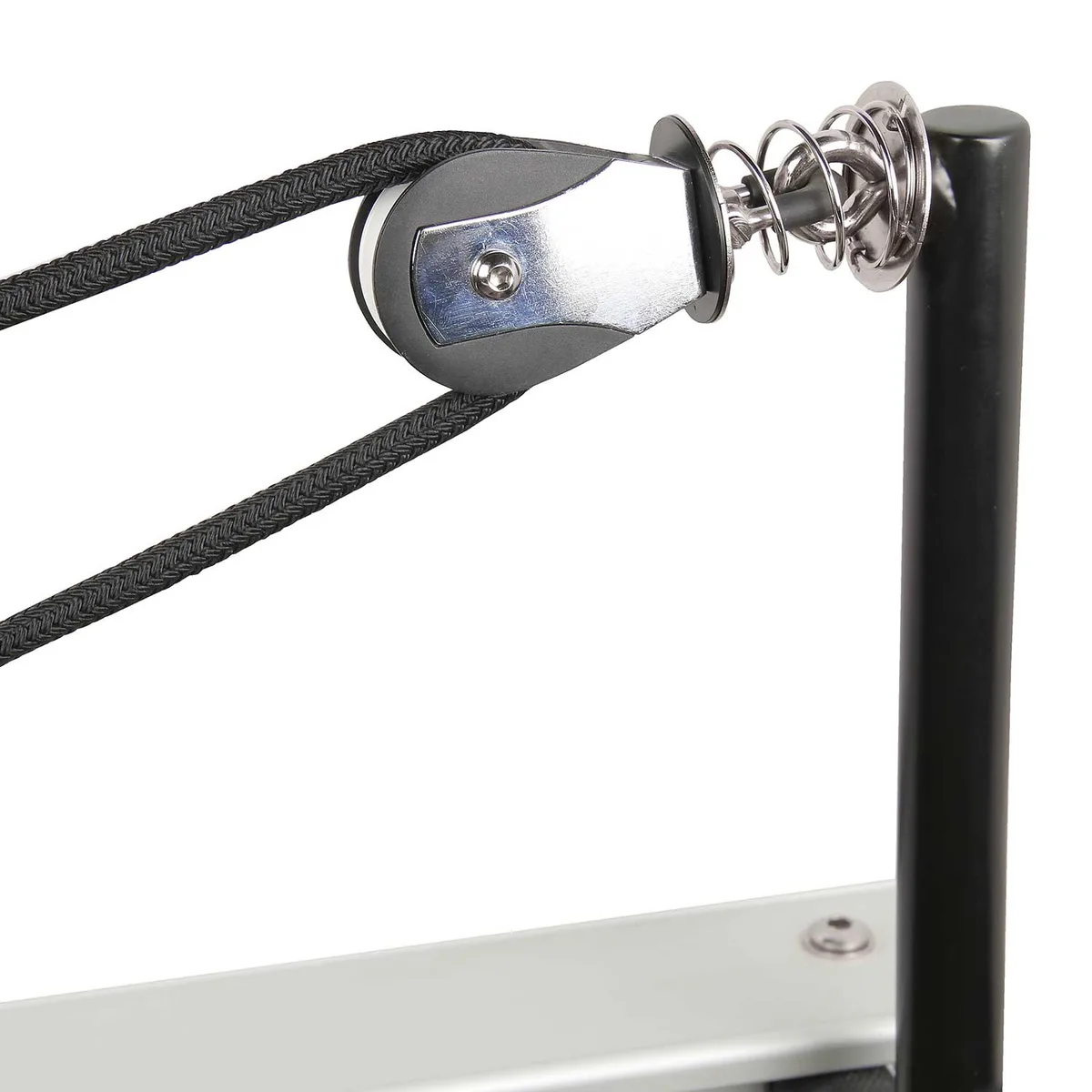
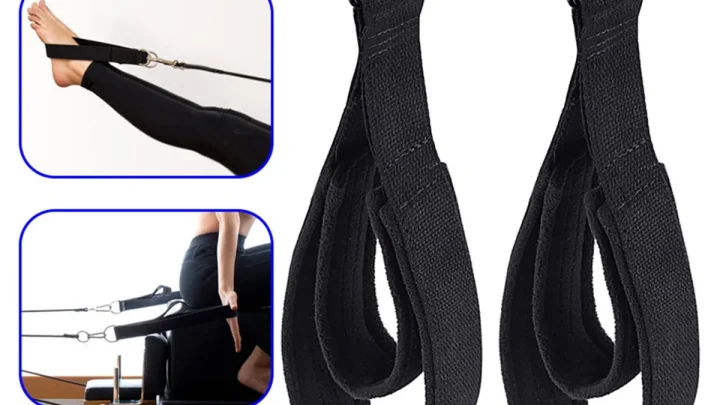
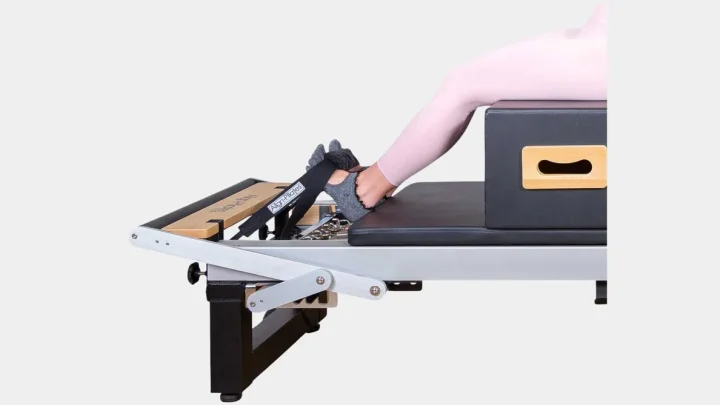
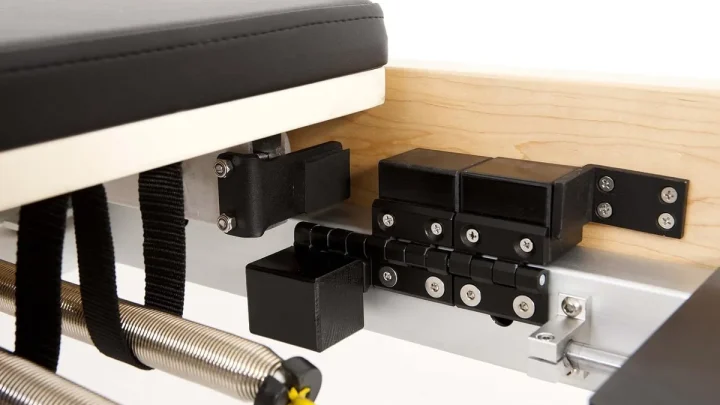
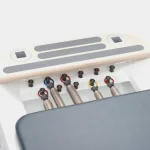
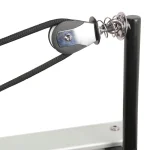
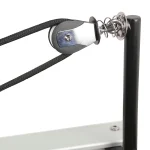
Image source: Web (Bing) / align-pilates.com (Web image (fair-use with source credit))
Quick Answer
To prevent reformer straps from fraying, align your pulleys directly with user pull angles. Smooth out sharp metal burrs on cleats and carabiners using fine sandpaper. Clean straps with mild soap instead of harsh alcohol-based disinfectants.
Never let the carriage slam back into the frame stoppers. Inspect ropes weekly for signs of core thinning or edge wear.
Why Reformer Straps Fray: The 4 Points of Friction
Ropes and straps do not fray on their own. Friction from hardware, environmental stress, or improper handling causes the damage. Identifying the friction source is the first step toward stopping it.
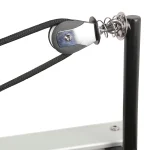
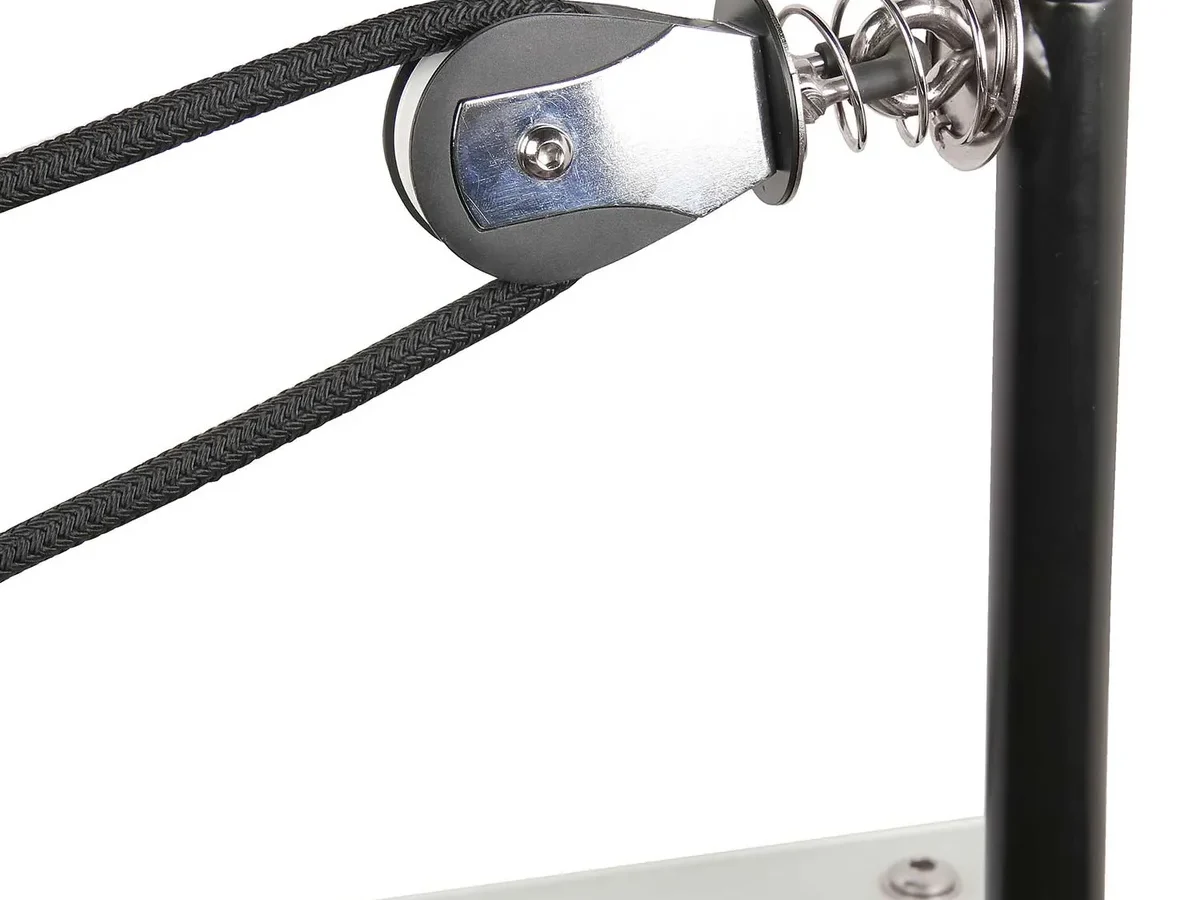
Pulley Cheek Rub and Bearing Drag
Pulleys should rotate freely on sealed ball bearings. When dust, hair, and dried lubricant clog a pulley, the wheel drags instead of spinning.
When the wheel stops turning smoothly, the strap slides over a stationary surface. This creates intense friction heat. If the pulley angle is misaligned, flat webbing scrapes along the sharp metal cheek plates of the pulley housing.
That side friction shears the outer edges of the strap within weeks.
Cam Cleats and Rope Risers
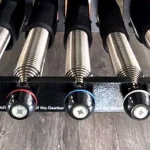
Cam cleats hold braided ropes at your desired working length. The ridged teeth inside the cleat grip the synthetic cord under tension.
Ripping a rope upward out of a cleat while it is under tension grinds the rope fibers against metal teeth. Over time, this action pulls out small loops of thread. The surface blooms into fuzz, and the rope core thins out.
Metal Carabiners, D-Rings, and Eyelets
Hardware contact points suffer from micro-burrs. Steel snaps clipping into brass or aluminum eyelets create tiny, razor-sharp grooves over hundreds of hours of movement.
When soft nylon webbing rubs across these jagged metal edges, the fabric gets cut yarn by yarn. Inspecting your attachment clips prevents this silent wear.
Disinfectant Sprays and Salt Buildup
Sweat contains mineral salts that soak directly into fabric straps. As moisture evaporates, sharp salt crystals form inside the textile weave.
These microscopic crystals act like sandpaper, cutting internal fibers as the strap flexes. Adding harsh quaternary ammonium or alcohol-based disinfectants dries out the synthetic fibers. This makes the nylon brittle and prone to snapping.
| Wear Factor | Primary Culprit | Visible Symptom | Prevention Fix |
|---|---|---|---|
| Mechanical Edge Wear | Pulley misalignment | Shaved edges on flat webbing | Re-angle pulley brackets |
| Cleat Abrasion | Adjusting under tension | Fuzzy, thinned rope sections | Release tension before adjusting |
| Hardware Cutting | Metal burrs on clips | Sliced stitch lines at loops | Sand smooth or add soft tethers |
| Chemical Breakdown | Alcohol disinfectant sprays | Stiff, brittle, discolored fabric | Switch to mild Castile soap wash |
Diagnostic Decision Tree: Finding Your Strap Wear Problem
Different reformer designs experience wear in distinct ways. Follow this breakdown based on your equipment setup.
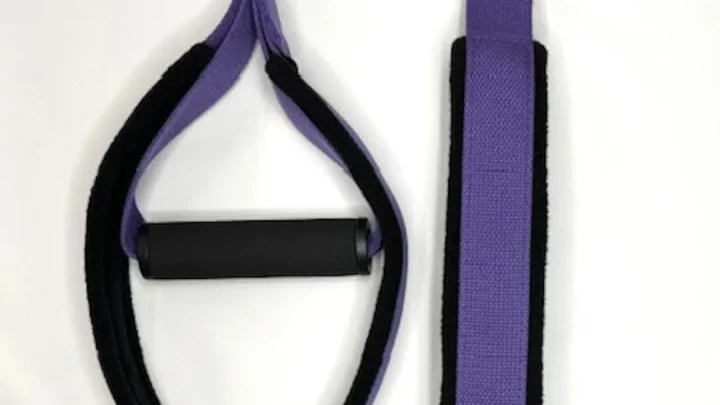
Flat Webbing Straps (Balanced Body, Elina)
- If the outer edges of the webbing look feathered or fuzzy: Your swivel pulleys are tilted off-axis. The webbing is riding the metal edge of the pulley bracket. Re-center your pulley risers.
- If the stitching at the loop end is unraveling: Your metal carabiners or D-rings have developed micro-burrs. Check the clips for sharp grooves.
- If the strap feels stiff and cardboard-like: Disinfectant sprays have degraded the nylon polymers. Wash the straps in lukewarm water with mild detergent.
Braided Ropes with Separate Loops (Merrithew, Peak)
- If the rope is "blooming" with soft fuzz near the carriage: The rope is rubbing against the frame cutouts or rope guides. Check the clearance along the carriage track.
- If the rope has flat, crushed spots: The cam cleats are biting into the exact same spot daily. Shift your standard resting rope length by an inch to redistribute cleat pressure.
- If the double loops are fraying at the connection knot: The metal attachment ring is grinding the rope loop. Switch to a soft-loop larks head knot.
Traditional Leather Straps (Gratz, Basi)
- If the leather is cracking near the adjustment holes: The leather is dry and starving for moisture. Apply a natural beeswax or lanolin leather conditioner.
- If the strap is thinning near the carriage rollers: The wooden or metal rollers beneath the carriage have seized. Clean and lubricate the roller axles immediately.
The Step-by-Step Fix: Aligning Hardware and Eliminating Burrs
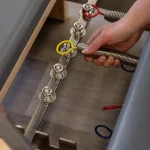
Once you locate where friction occurs, you can tune your reformer hardware to protect your straps.
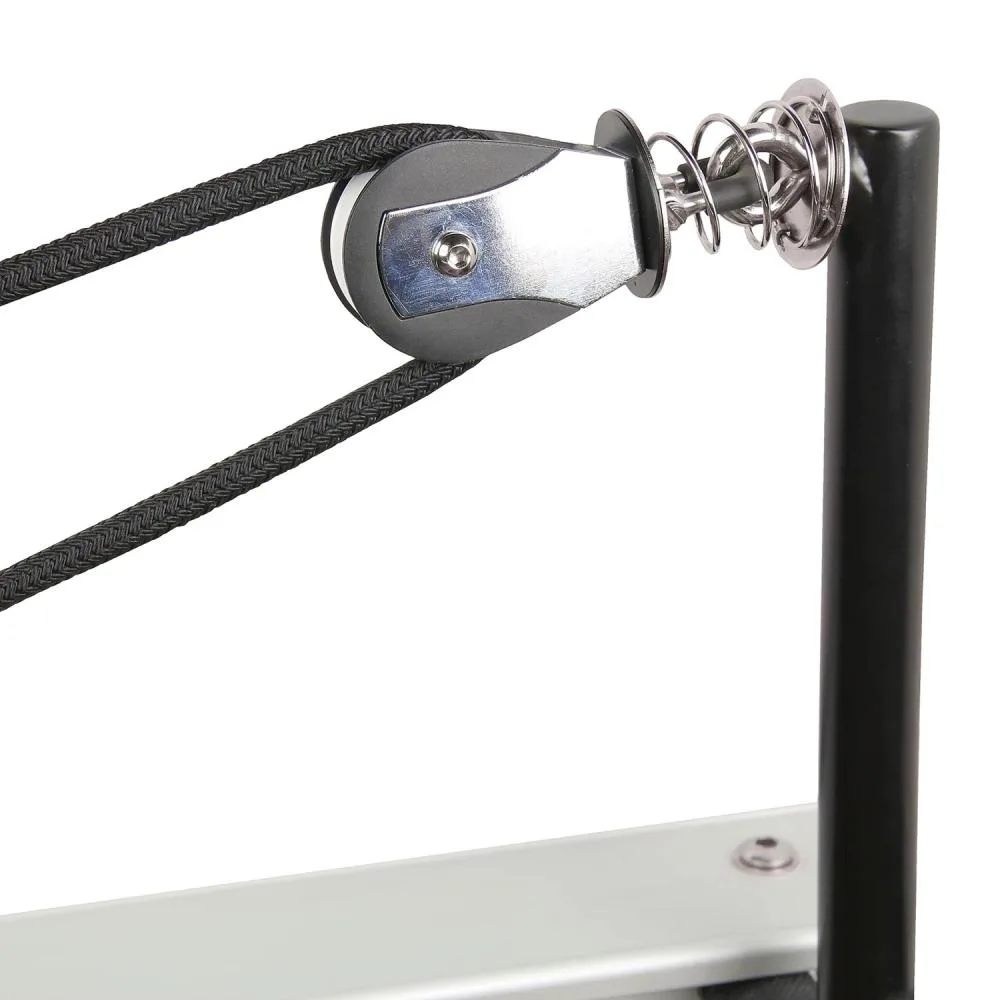
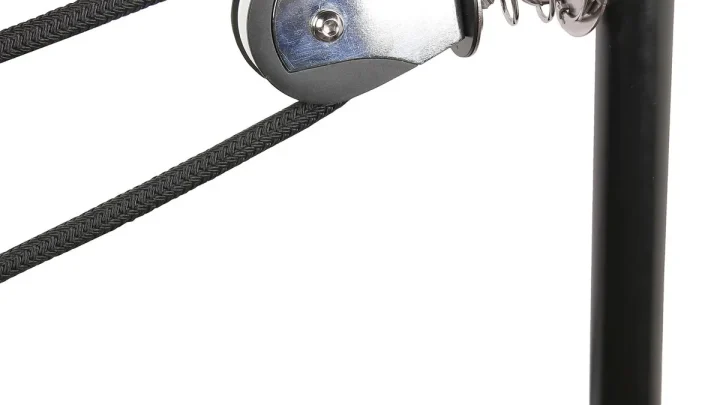
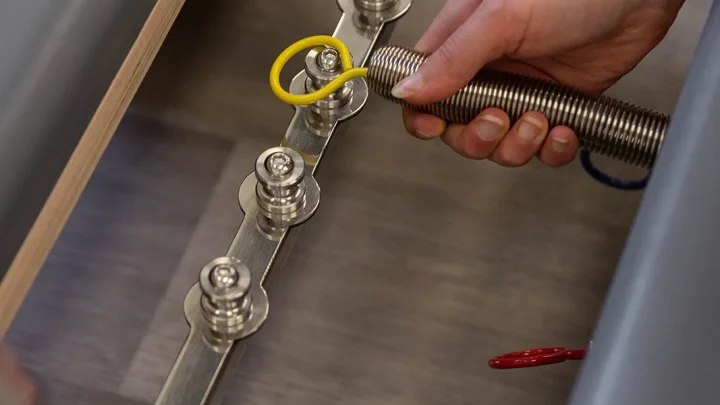
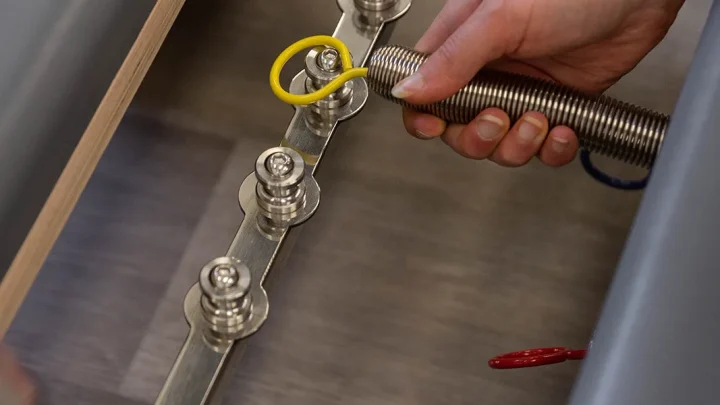
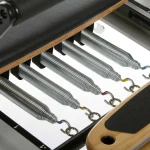
Image source: Web (Bing) / bodynova.de (Web image (fair-use with source credit))
Correcting Swivel Pulley Angles and Riser Heights
Pulleys must rotate 360 degrees smoothly to track every movement vector.
- Loosen the riser collar: Use an Allen wrench or adjustment knob to loosen the pulley riser mast.
- Track the pull angle: Sit on the carriage and pull the straps toward the footbar. Observe how the rope enters the center groove of the pulley wheel.
- Square the housing: Adjust the eye bolt so the pulley wheel faces directly down the center of the reformer frame.
- Test bearing rotation: Spin the pulley wheel by hand. If it squeaks or stops quickly, apply a drop of dry silicone lubricant to the bearing hub. Avoid standard WD-40, which attracts dust and hair.
Deburring Metal Contact Points
Smooth hardware will not cut your straps. Take ten minutes to polish every metal contact area.
- Inspect the clips: Run your fingernail along the inside curve of your carabiners, D-rings, and eyelet bolts. If your nail catches on a rough spot, that burr is cutting your straps.
- Sand the surface smooth: Wrap 400-grit wet/dry emery cloth around a pencil. Buff out the groove inside the eyelet or carabiner until it feels completely smooth.
- Finish with steel wool: Polish the area with 0000 micro-fine steel wool to create a mirror finish. Wipe away all metal dust with a damp cloth before reattaching straps.
Proper Rope Threading and Cleat Engagement
Threading errors cause unnecessary friction against carriage frames.
- Always thread ropes through the pulley wheel from the top down, guiding the line straight to the cam cleat.
- Never route ropes across frame crossbars or let them drag against spring hooks.
- When locking a rope into a cam cleat, pull downward firmly until both spring-loaded cams close evenly over the line.
Daily Habits and Studio Protocols to Stop Wear Before It Starts
Small operational adjustments make a massive difference in strap longevity. Train your staff and clients to follow these core practices.
The "No-Snapback" Rule and Carriage Retraction
Never let clients release straps while springs are extended. When a client drops a handle under tension, the carriage slams into the front stops.
This sends a violent shockwave through the straps and yanks the rope against the pulley cheek. The sudden whip action frays rope covers and weakens stitch points. Instruct clients to guide the carriage smoothly home before setting their straps down.
Safe Disinfecting: What Chemicals to Avoid
Commercial bleach, high-concentration alcohol, and abrasive wipes destroy synthetic webbing. They break down the edge-binding threads and turn pliable nylon brittle.
- Clean synthetic double loops and ropes using a damp microfiber cloth with water and a drop of Castile soap.
- For deep cleaning, place fabric straps inside a mesh laundry bag. Machine wash them on a gentle cycle using cold water and mild detergent.
- Always air-dry straps completely out of direct sunlight. Never put them in a commercial dryer, as high heat melts the core fibers.
End-of-Day Storage: Posts vs. Footbars vs. Floor
How you store straps between sessions impacts fiber memory and edge wear.
- Best practice: Hang loops on designated wooden or padded storage posts behind the reformer risers.
- Acceptable: Drape loops flat over the shoulder rests without twisting the webbing.
- Avoid: Do not hang loops over metal footbars where rough grip covers create abrasion. Never allow strap tails to drag on the floor where they collect carriage wheel lubricant and grit.
Inspection Thresholds: When to Clean, Treat, or Replace
Knowing when a strap can be saved versus when it must be retired keeps your studio safe.
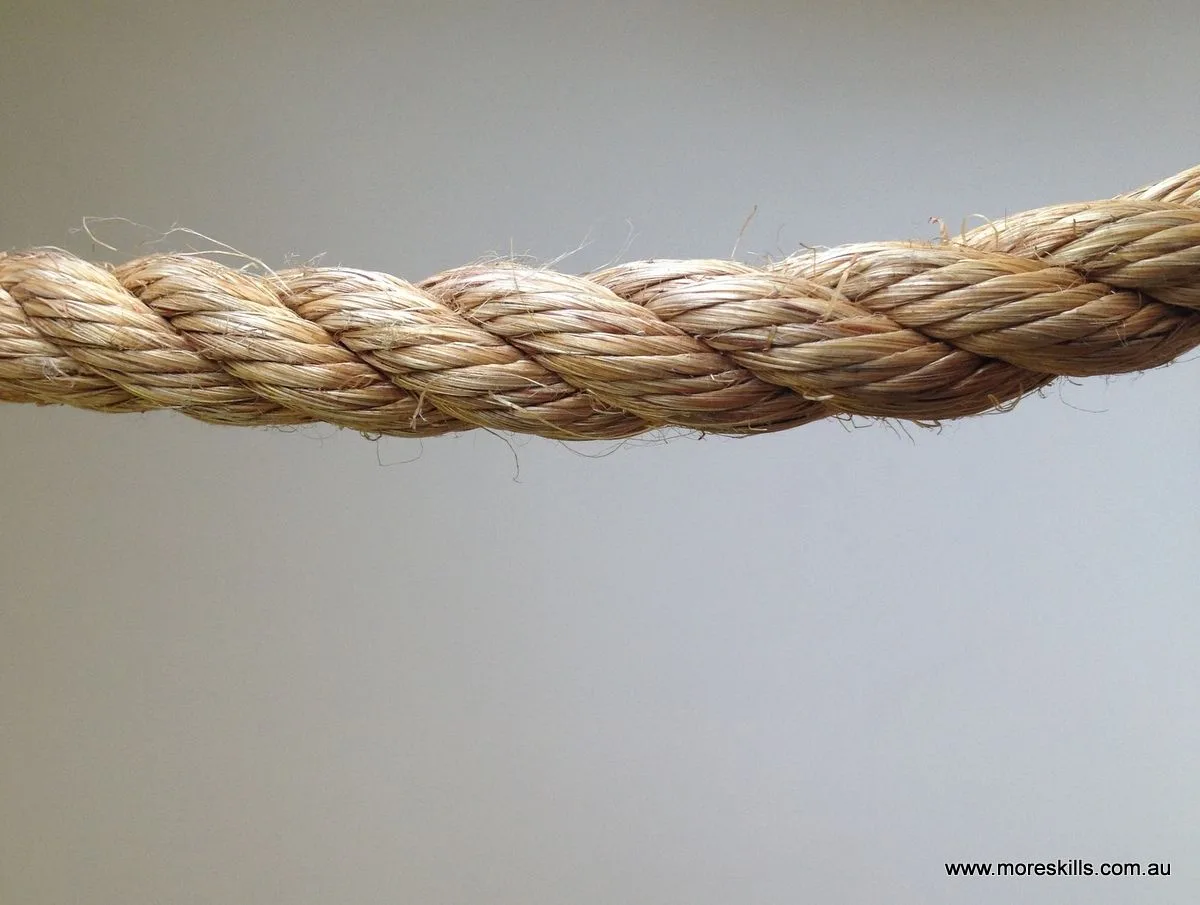
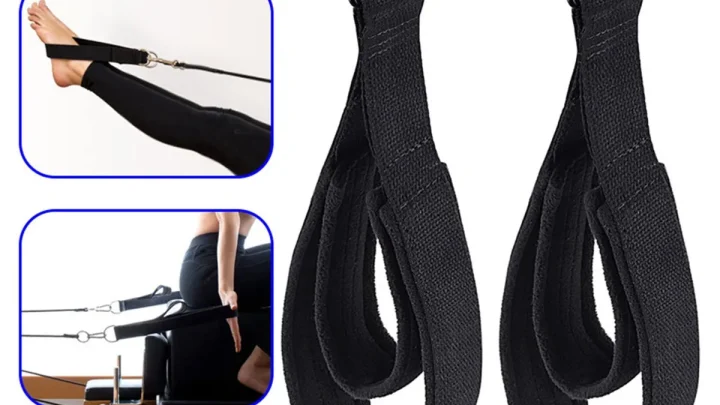
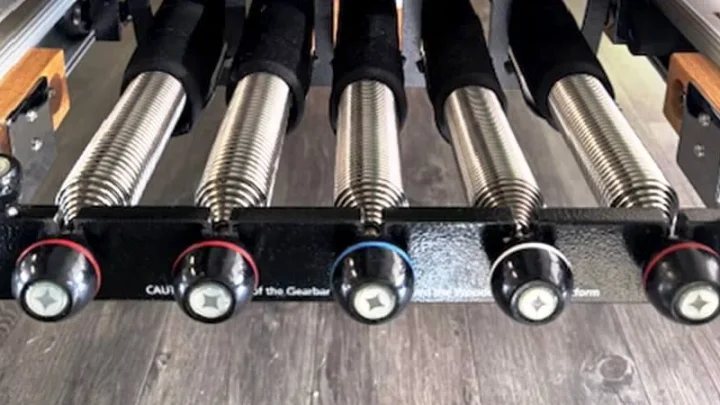
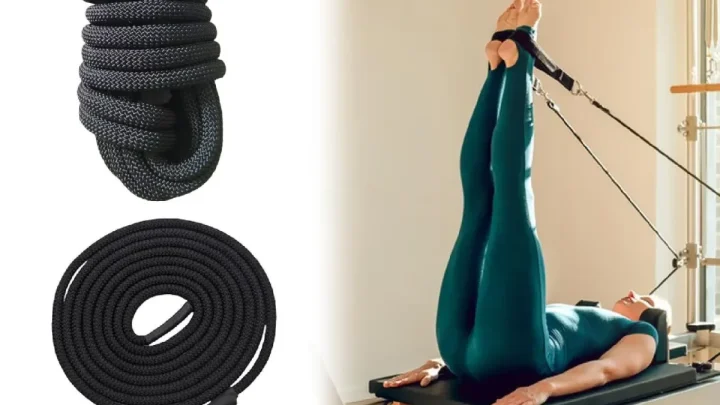
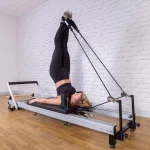
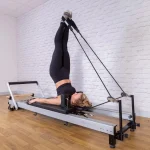
Image source: Web (Bing) / au.pinterest.com (Web image (fair-use with source credit))
Minor Fuzzing vs. Structural Failure
Surface fuzz (fiber blooming) is normal on braided polyester ropes. It happens as outer fibers rub against smooth pulleys. This light fuzz does not compromise the core.
Structural failure is different. If you see broken internal core strands, visible core thinning, or severed box-X stitches on flat webbing, pull the reformer from service immediately. A broken strap during an exercise like the Long Stretch or Standing Splits can cause a severe fall.
Maintenance Schedule: Commercial Studios vs. Home Gyms
High-volume commercial studios need a more aggressive maintenance schedule than home users. As of 2026, equipment safety guidelines from major Pilates manufacturers recommend standardizing hardware audits into weekly studio operations.
- Daily: Wipe down handles with damp soap cloths. Check that ropes sit squarely in their pulley grooves.
- Weekly: Run your fingers along the first three feet of each rope to feel for flat spots or hard internal lumps. Spin pulleys to confirm silent rotation.
- Monthly: Check all carabiners and eyelets for burrs. Deep clean fabric straps in a wash bag.
- Quarterly (Studios) / Annually (Home): Remove ropes completely. Inspect the sections hidden inside the risers and under the carriage bed.
Replacement Parts and Specs Reference Guide
Use standard marine-grade or manufacturer-certified replacement cordage to ensure client safety.
| Component | Standard Specification | Working Load Limit (WLL) | Replacement Threshold |
|---|---|---|---|
| Braided Rope | 8mm to 10mm double-braid polyester | 1,200+ lbs | Core exposed or >10% diameter loss |
| Flat Webbing | 1.5-inch high-tenacity nylon webbing | 2,500+ lbs | Edge cut >3mm or broken stitch lines |
| Carabiners | Stainless steel / electro-plated brass | 500+ lbs | Visible grooving or sticking spring gate |
| Swivel Pulleys | Anodized alloy with sealed ball bearings | 400+ lbs | Rough bearing drag or cracked cheek |
Frequently Asked Questions About Pilates Reformer Straps
How often should reformer straps be replaced?
In commercial studios, replace synthetic ropes and double loops every 12 to 24 months. Home users can keep straps for 3 to 5 years with regular care. Always replace straps immediately if you see exposed inner cores, deep cuts over 3 millimeters, or unraveling seam stitches.
Can I wash my Pilates reformer loops in a washing machine?
Yes, you can machine wash synthetic fabric double loops. Place them inside a mesh garment wash bag to protect the metal D-rings. Wash on a gentle cycle with cold water and mild liquid detergent.
Always air-dry them completely away from direct sunlight and heat sources.
What type of lubricant is safe for reformer pulleys?
Use a dry silicone spray or dry Teflon lubricant on sticking pulley bearings. These sprays lubricate the bearings without attracting dust, hair, or grit. Never use standard WD-40, thick grease, or vegetable oils, as they gum up the internal bearings and ruin your ropes.
Why are my flat reformer straps curling at the edges?
Curling happens when flat webbing runs off-center through a pulley wheel or twists inside an eyelet. The edges scrape against the metal cheek plates, causing heat friction that shrinks the edge fibers. Re-align your pulley risers so the strap enters the wheel groove completely flat.
Is light surface fuzz on reformer ropes dangerous?
No, light surface fuzz is simply normal fiber blooming caused by repeated movement over smooth pulleys. It does not compromise strength. However, if the rope feels soft, hollow, or has visible core threads sticking out, replace the cord right away to prevent sudden failure.
Studio Checklist: Keeping Your Reformer Straps in Top Shape
Running a quick inspection protocol keeps your equipment operating smoothly and prevents costly rope replacements. Use this maintenance checklist to stay ahead of strap wear.
Daily Opening and Closing Tasks
- Check that all ropes sit centered in their pulley grooves before morning classes begin.
- Confirm that carriage springs engage cleanly without letting the carriage slam into the stoppers.
- Wipe down fabric loops using a damp microfiber cloth and mild soap water between clients.
- Hang loops on designated riser pegs at the end of each day instead of dropping them on the floor.
Weekly Deep Hardware Checks
- Run your bare hands along the first 4 feet of each rope to feel for thin spots or grit.
- Spin each swivel pulley wheel by hand to check for smooth, silent rotation.
- Inspect carabiners and D-rings for any sharp grooves that could cut through fabric stitching.
- Check cam cleat teeth for collected lint or stripped metal edges that slip under load.
Monthly and Seasonal Tuning
- Deep-clean all fabric loops in a wash bag using cold water and gentle detergent.
- Polish any minor metal burrs on eyelets and clips with 400-grit emery cloth.
- Treat traditional leather straps with a thin coat of beeswax conditioner to prevent surface cracking.
- Rotate left and right straps to ensure balanced, even wear across both sides of the reformer.

Similar Posts