How to Safely Dispose of Old Reformer Springs
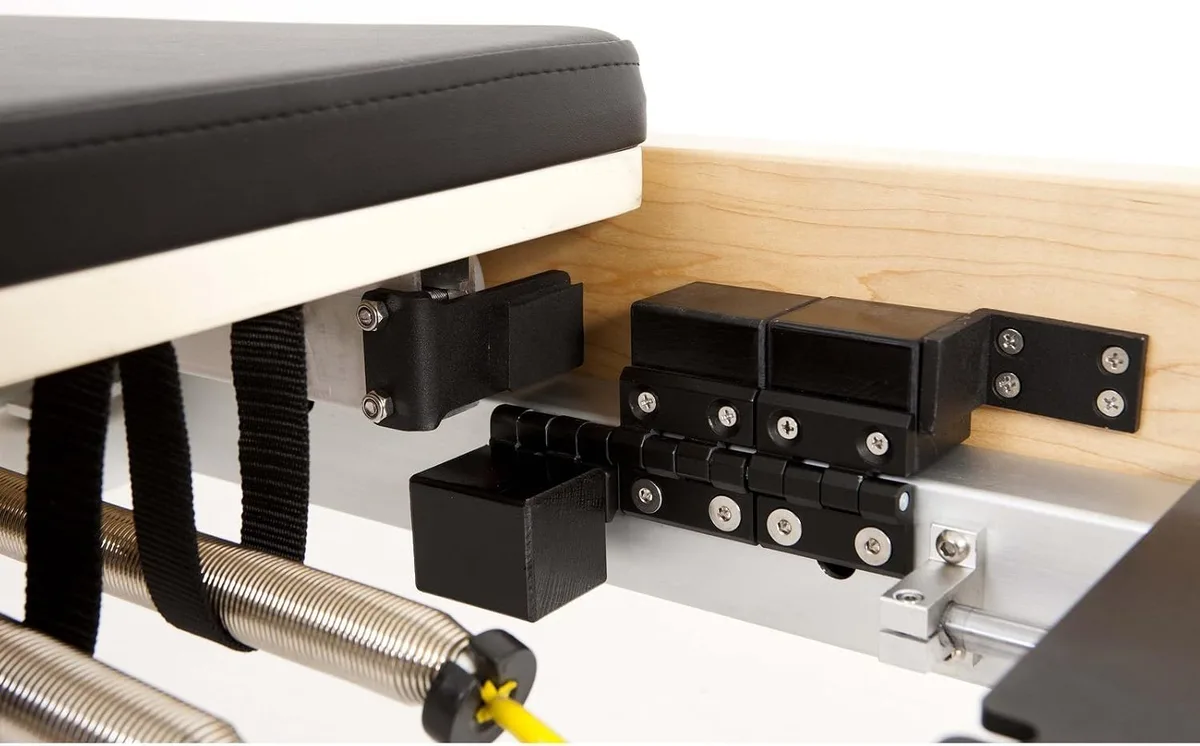
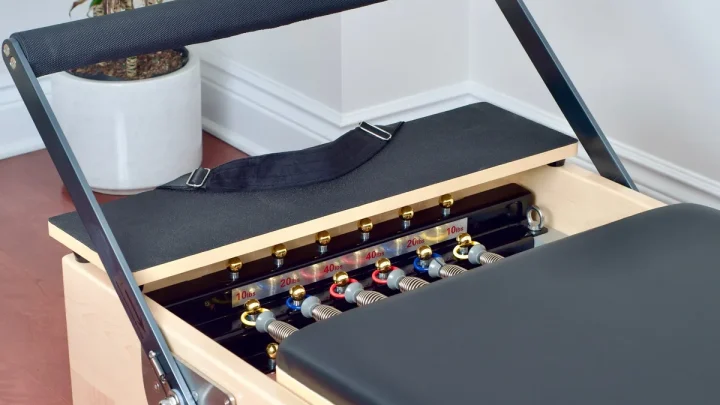
Knowing how to dispose of old reformer springs correctly protects municipal machinery and prevents serious injuries. Pilates springs endure constant mechanical stress that causes metal fatigue over time. Once coils stretch or develop micro-fractures, they turn into dangerous liability hazards if they stay in use.
Equipment guidelines show that commercial high-tensile steel springs require replacement every 3,000 to 5,000 operating hours. Tossing them into your standard trash can wastes recyclable high-grade steel and creates sorting hazards. The following steps show you exactly how to decommission, sort, and responsibly clear out your worn springs.
Image source: Bing (Web (fair-use with source credit))
Quick Answer
To dispose of old reformer springs, disable them first by bending the hooks or spray-painting the coils. Never place them in curbside bins. Drop them off at a local scrap metal yard as light ferrous iron.
You can also ship them to select equipment manufacturers for scrap credit.
Why Old Reformer Springs Cannot Go in Your Curbside Bin
Putting old reformer springs into your regular curbside recycling bin causes severe problems at municipal sorting centers. Automated Material Recovery Facilities (MRFs) rely on spinning disc screens and optical sorters. Long, coiled steel items act as tanglers that wrap around rotating shafts.
When a spring jams the machinery, workers must shut down the entire sorting line. Crews then have to cut the tangled metal free by hand. The Institute of Scrap Recycling Industries identifies coiled steel components as major operational hazards for automated single-stream facilities.
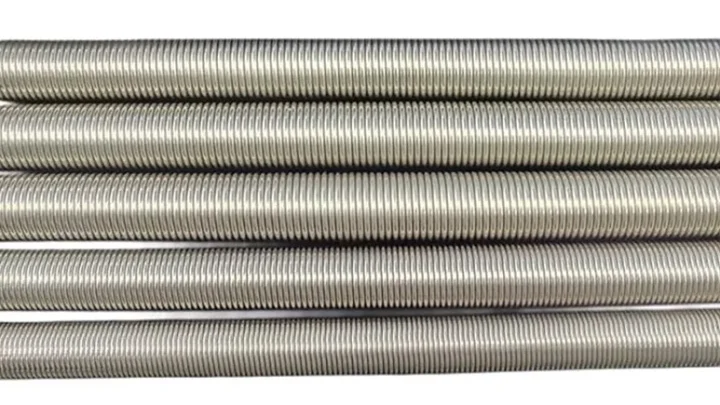
Throwing springs into the standard landfill trash is equally wasteful. Reformer springs are made from high-grade nickel-plated or zinc-coated carbon steel. This durable material can be melted down and repurposed indefinitely without losing its structural strength.
Step 1: Decommission and Disarm the Springs for Safety
Never throw away a reformer spring without disabling it first. An old spring often looks perfectly fine on the outside even when internal metal fatigue makes it ready to snap. If someone pulls an intact spring from the trash and installs it on a machine, it could fail violently under tension.
Follow this simple decommissioning protocol before recycling your springs:
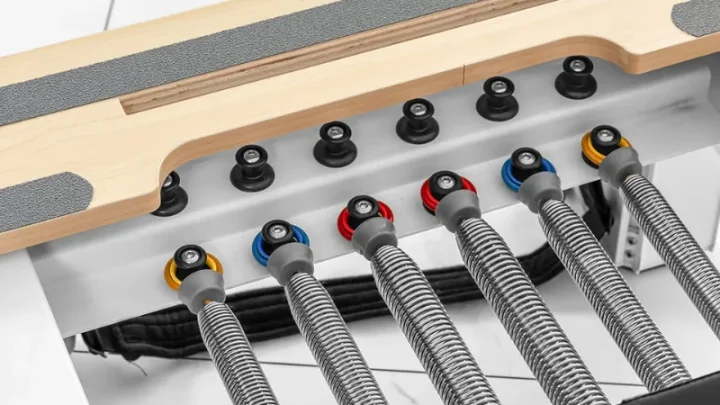
- Strip non-metal parts: Pull off any silicone silencers, neoprene sleeves, or plastic color-coded caps.
- Mark the steel: Spray-paint the body of the spring with bright orange or red spray paint. This clearly signals that the spring is dead and unsafe for exercise.
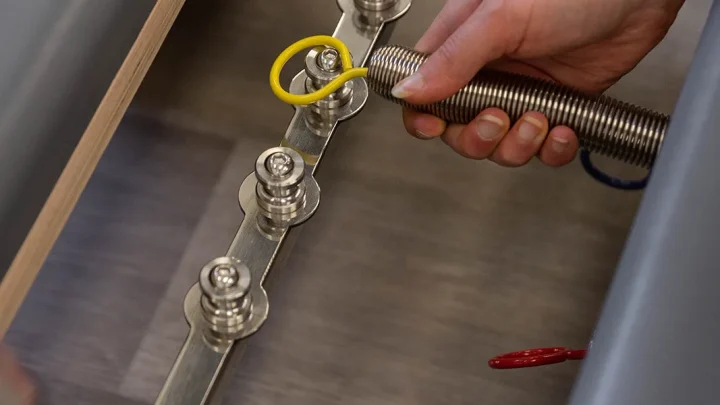
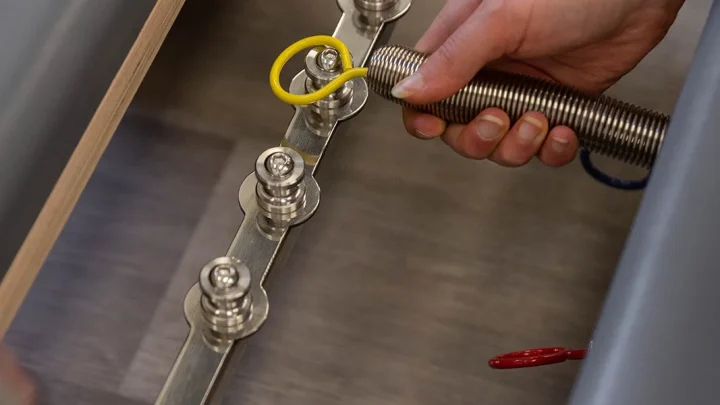
- Deform the hooks: Clamp the end hooks in a heavy bench vise and bend them open or flat with a hammer. An unusable hook ensures the spring can never be attached to a reformer carriage or spring bar again.
- Box the batch: Place the disarmed springs into a sturdy cardboard box or a five-gallon bucket for safe transport.
Decision Matrix: Choosing the Right Disposal Path
The best disposal route depends on how many springs you have and where you live. A home user with four springs has different practical options than a commercial studio director retiring forty springs.
Use this decision guide to select your best disposal method:
- If you have 1 to 5 springs (Home User): Check if your local manufacturer offers an exchange credit. Otherwise, collect them with other household scrap metal until you have a full batch for the community drop-off depot.
- If you have 10 or more springs (Studio Owner): Haul the full batch directly to a commercial scrap metal yard. The total weight will meet minimum intake thresholds and yield cash for scrap steel.
- If you lack scrap transport: Use your municipal bulk metal drop-off days. Many cities offer designated drop sites that accept clean ferrous metal items separately from curbside pickup.
| Spring Volume | User Type | Recommended Method | Estimated Prep Time |
|---|---|---|---|
| 1–5 springs | Home user | Municipal metal bin or maker take-back | 10 minutes |
| 6–20 springs | Small studio / Trainer | Local scrap metal yard | 20 minutes |
| 20+ springs | Commercial studio fleet | Bulk scrap recycling yard | 30–45 minutes |
Method 1: Drop Off at a Scrap Metal Recycling Yard
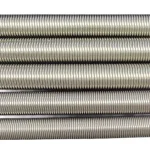
Scrap metal yards are the fastest and most sustainable destination for worn reformer springs. These commercial facilities accept high-carbon steel, shred it, and sell it directly to steel mills for re-melting.
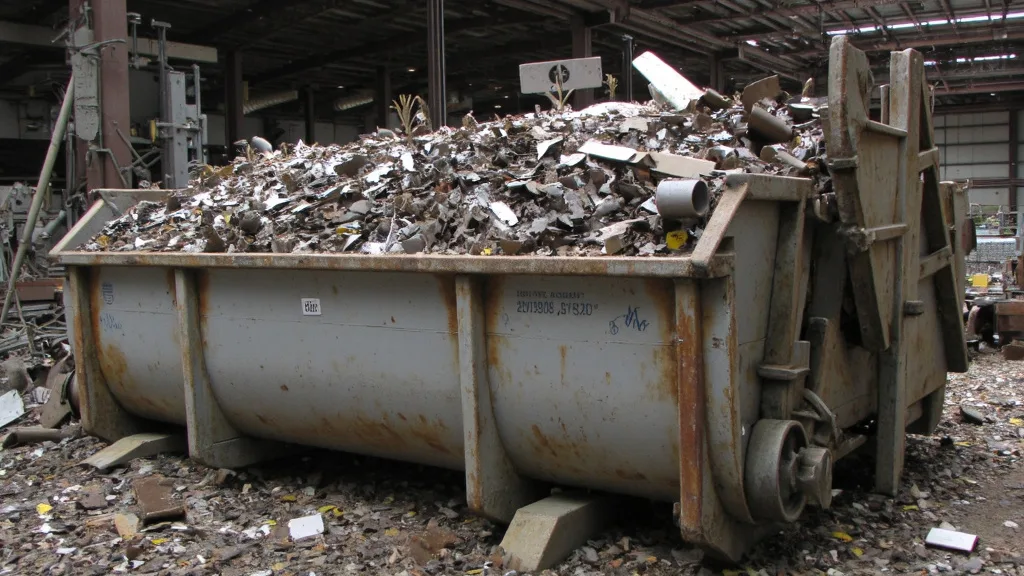
Image source: Bing (Web (fair-use with source credit))
Bring a simple magnet to check your scrap before you go. Reformer springs are ferrous metal, meaning the magnet will snap firmly to the coils. At the scrap facility, springs are typically classified as light iron or mixed sheet metal.
As of 2026, market rates for mixed light ferrous scrap range between $0.05 and $0.12 per pound. A standard reformer spring weighs roughly 0.8 to 1.2 pounds. While a handful of springs will not make you rich, a studio turning over thirty springs will earn a small payout while keeping clean steel out of the landfill.
Always wear heavy leather work gloves and safety glasses when handling and unloading scrap metal. Drive onto the yard's commercial scale, follow the attendant's directions to the ferrous metal pile, and unload your storage buckets safely.
Method 2: Manufacturer Recycling and Trade-In Programs
Certain equipment manufacturers run mail-in scrap or trade-in programs for their components. Leading commercial brands like Balanced Body and Merrithew provide detailed lifecycle guidelines. These programs encourage regular component replacement to keep studio equipment running smoothly.
If you purchase a complete replacement set directly from the maker, ask their customer support about recycling credits. Some brands occasionally offer return labels with new spring orders. They collect the spent steel units and route them directly to certified industrial metal recyclers.
When using a manufacturer return program, package the retired springs tightly in heavy-duty cardboard. Wrap tape securely around the package ends so the hooks do not puncture the box during transit. If the maker does not accept old springs directly, they can usually refer you to a certified industrial metal recycler in your region.
Method 3: Upcycling Old Springs for Non-Load-Bearing Uses
You can safely repurpose old reformer springs at home, provided you never use them for body-weight support again. Upcycling keeps durable steel out of waste streams while giving the hardware a functional second life.

Image source: Bing (Web (fair-use with source credit))
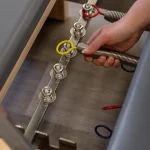
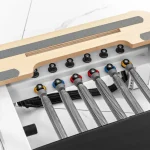
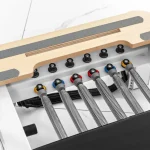
Heavy steel coils make durable organizational fixtures for craft rooms and garages. Mount the springs horizontally across a wooden backing board to create a workshop tool rack. The tensioned gaps hold screwdrivers, pliers, paintbrushes, and hand tools neatly against the wall.
You can also use retired springs in outdoor garden spaces. Drive a wooden stake into the ground and secure the spring vertically to create a climbing trellis for sweet peas or ivy. The zinc and nickel plating resists outdoor moisture, giving the plants a sturdy steel structure to climb.
Common Mistakes Studio Owners and Home Users Make
Improper disposal creates safety hazards, legal liabilities, and unnecessary waste. Here are the most frequent mistakes to avoid when retiring your reformer hardware:
- Selling fatigued springs online: Listing used reformer springs on secondary marketplaces puts other people at risk of sudden equipment failure. Once a spring reaches its fatigue limit, decommission and scrap it instead of reselling it.
- Throwing loose springs in residential recycling: Curbside recycling sorting machines cannot process coiled steel items. Loose springs wrap around sorting shafts, break sorting equipment, and end up diverted to landfills anyway.
- Leaving old springs in studio storage: Keeping worn springs in an unlabelled studio drawer easily leads to accidental reuse. If an instructor grabs a worn spring during a rushed repair, a client could get hurt under load.
- Skipping protective gear during removal: Springs under tension store kinetic energy. Always wear safety glasses and cut-resistant gloves when unclipping and bending heavy steel coils to prevent pinch injuries.
- Ignoring local scrap minimums: Hauling just two springs to a commercial scrap yard can waste fuel. Gather your old hardware until you have a full bucket, or drop small amounts in a municipal metal scrap bin instead.
Workplace safety rules from OSHA require studios to remove damaged mechanical parts from service immediately. Marking, storing, and recycling your springs through proper channels protects your clients and keeps high-grade steel in the circular economy.
Frequently Asked Questions About Reformer Spring Disposal
How often should you replace reformer springs?
Commercial studios should replace reformer springs every one to two years, or every 3,000 operating hours. Home users should replace them every two to three years. Replace any spring immediately if you notice coil separation, kinks, rust, or persistent squeaking.
Can reformer springs go in regular metal recycling bins at drop-off centers?
Yes, you can place them in dedicated scrap metal bins at municipal waste drop-off depots. These transfer stations collect clean ferrous metals separately from household trash. They bypass the fragile sorting machinery found in standard single-stream facilities.
What should you do before giving springs to a scrap metal dealer?
Strip off all plastic caps, rubber silencers, and fabric tags before heading to the scrap yard. Group the bare steel springs together in a sturdy bucket or heavy cardboard box. Clean metal batches receive faster intake and better scrap pricing at the scale.
Can you donate old reformer springs to another gym?
No, never donate or gift fatigued reformer springs for exercise use. Internal metal wear is often invisible to the naked eye. Gifting weakened springs creates serious injury risks for the next owner if a coil snaps under full tension.
Are all Pilates reformer springs made of recyclable steel?
Yes, almost all commercial reformer springs are made from high-tensile carbon steel wire with nickel or zinc plating. Both the base steel and the protective plating are fully meltable and recyclable at standard ferrous scrap processing facilities.

Similar Posts