Why Is Your Reformer Spring Clip Hard to Open?
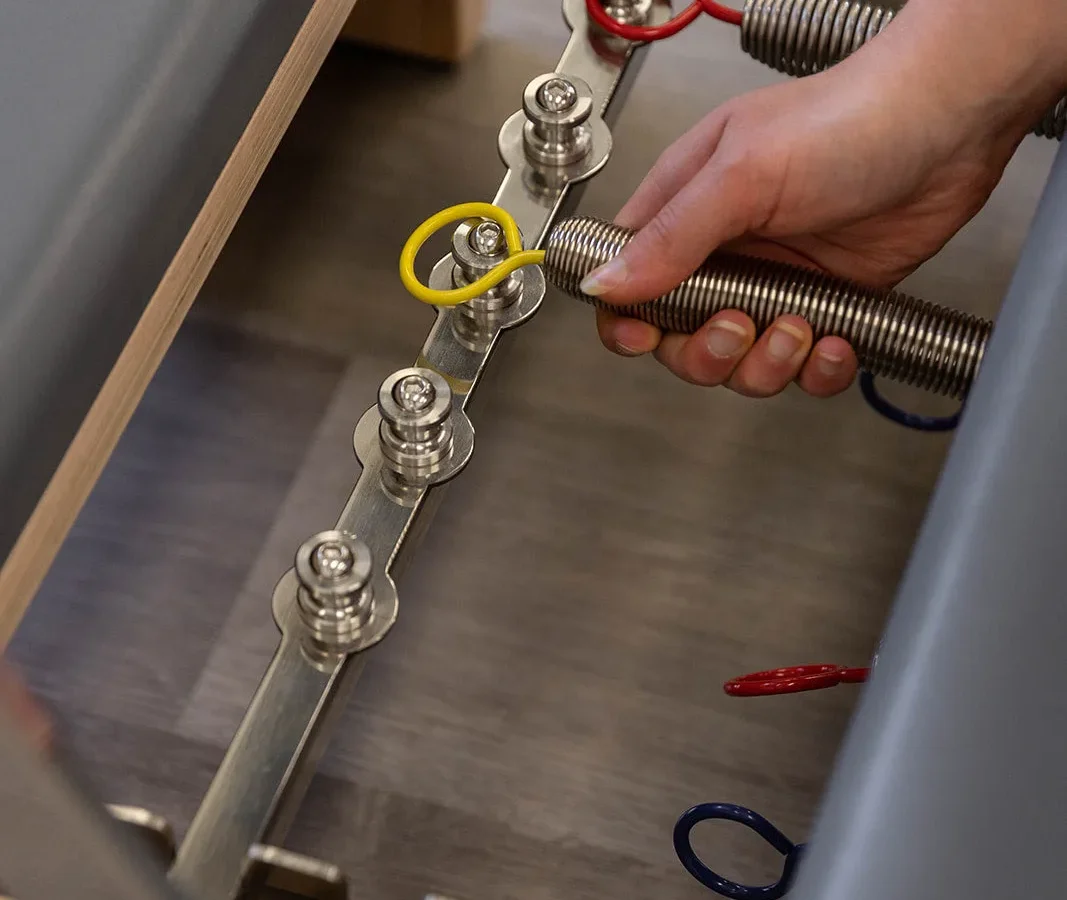
You reach down during a fast Pilates transition, squeeze the snap hook, and it refuses to budge. Understanding why is a reformer spring clip hard to open usually comes down to active carriage tension or jammed internal hardware. Fighting a stuck clip mid-class slows your pace and pinches your fingers.
Manufacturer guidelines from commercial Pilates equipment builders show that even 1 to 2 pounds of residual tension can lock a clip gate shut. As of 2026, modern commercial reformers use precision-toleranced snap hooks that require clean mechanics to operate smoothly. Here is how to diagnose the issue instantly.
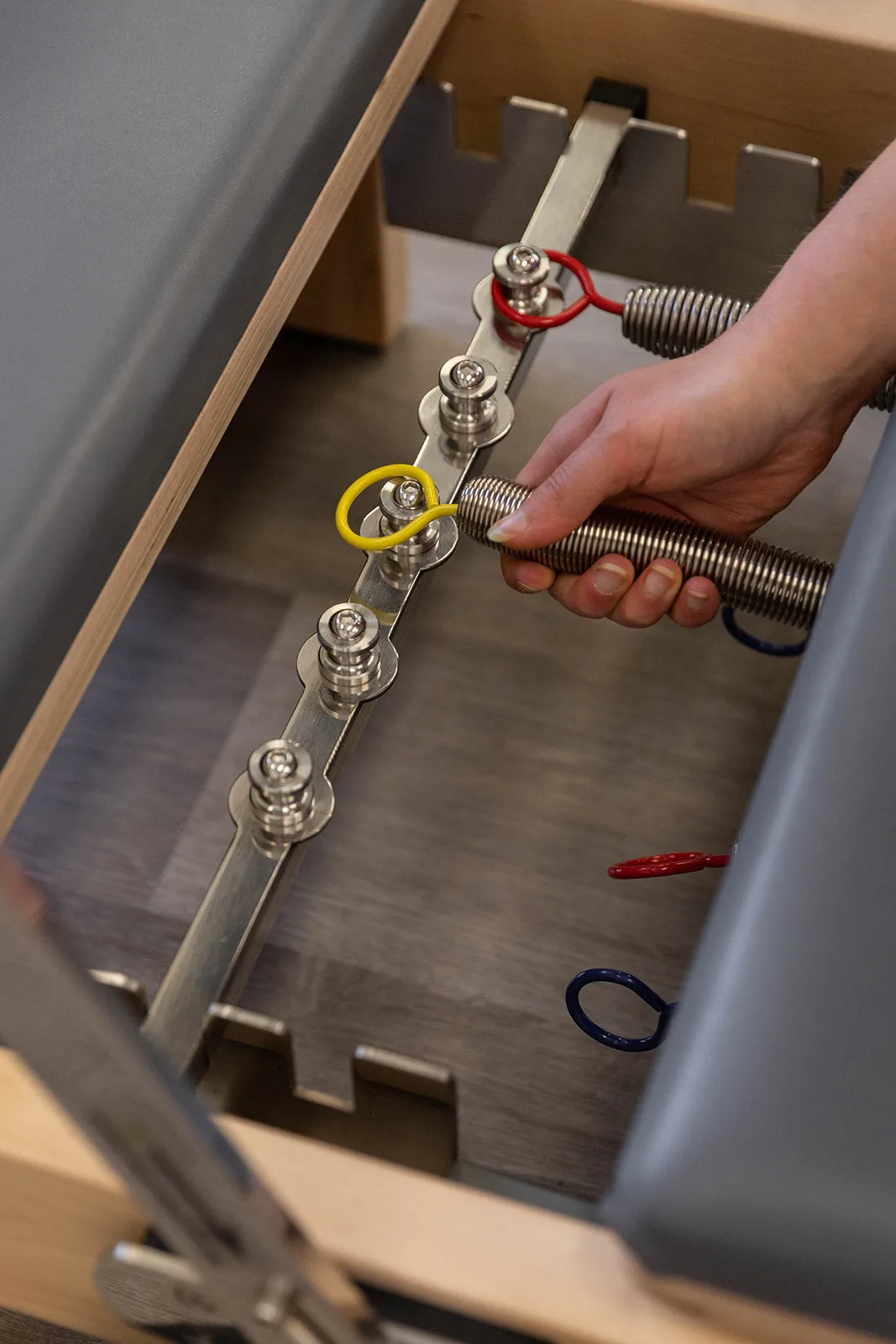
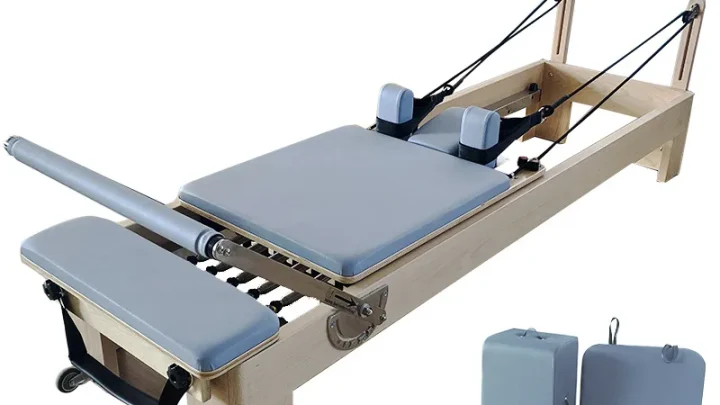
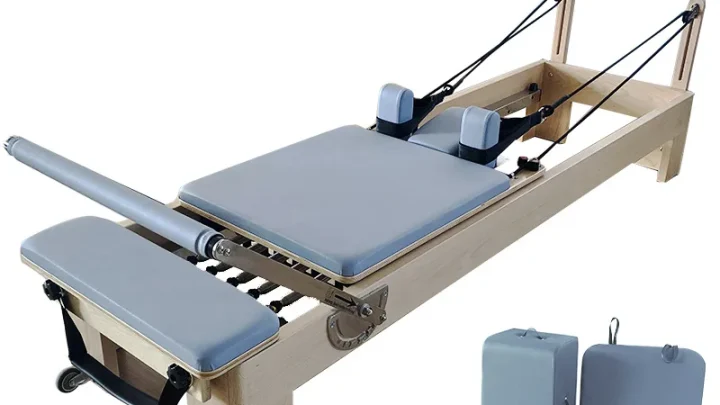
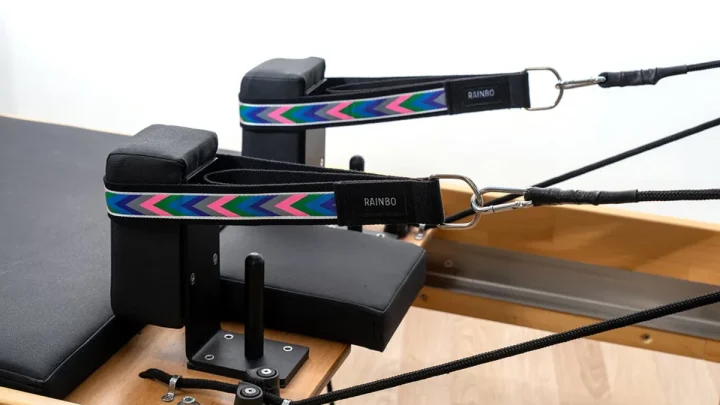
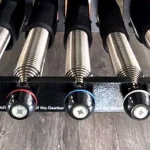
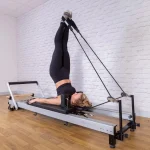
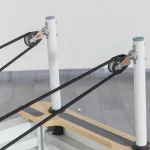
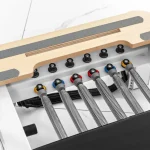
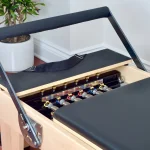
Image source: Web (Bing) / lopepilates.co.nz (Web image (fair-use with source credit))
Quick Answer
A reformer spring clip is hard to open because of carriage tension.
Trapped sweat, dust, or worn gate springs also cause jamming.
Carriage bumpers must rest completely against the frame stoppers.
Lifting the spring slightly relieves tension instantly.
Never force a stuck clip open with raw grip strength.
Why Reformer Spring Clips Get Stuck or Resist Opening
Reformer spring clips are simple mechanical components that endure heavy, repetitive stress. Most reformers use brass or nickel-plated steel piston bolt snaps. Inside each clip sits a small stainless steel torsion spring that pushes the gate shut.
When you try to slide that gate open, friction is your main enemy. If the carriage is pulling on the spring, that pull creates lateral force against the hook. That pressure wedges the gate tight against the barrel.
Another frequent issue is debris build-up. Pilates studios collect dust, hair, and chalk. Over time, particles work their way into the spring barrel.
That grit mixes with natural skin oils and sweat, creating a sticky paste that stops the gate from retracting smoothly.
+-------------------------------------------------------------+
|                PRIMARY RESISTANCE FACTORS                   |
+------------------------------+------------------------------+
| 1. Active Carriage Load      | 2. Mechanical Contamination  |
| - Carriage pulled off bumper | - Hair and studio dust       |
| - Off-angle thumb pressure   | - Sweat and chalk buildup    |
| - High-tension spring weight | - Sticky petroleum residue   |
+------------------------------+------------------------------+
Lastly, metal-on-metal wear creates physical barriers. When a steel clip rubs against a steel eye-bolt for thousands of class hours, small ridges form. These ridges are called burrs, and they catch the edge of the clip during release.
The Quick-Fix Decision Tree: Diagnosing Your Clip in Under 30 Seconds
When a clip will not budge, you do not need to guess the cause. Follow this quick diagnostic workflow to find the exact mechanical issue.
- If the carriage is sitting even a fraction of an inch away from the rubber bumpers, active tension is locking your clip. Push the carriage forward against the stopper to drop the tension to zero.
- If the carriage rests firmly against the bumpers but the gate will not slide, your clip barrel contains dirt or a rusted internal spring.
- If the gate slides easily when detached but jams while hooked to the gearbar, you have metal burrs on the gearbar eye-bolt.
- If the clip opens halfway and binds, dried lubricant or hair is wrapped around the internal pin.
| Symptom | Primary Cause | Immediate Fix |
|---|---|---|
| Gate will not move while on eye-bolt | Spring preload / carriage tension | Pull spring toward gearbar by 1 inch |
| Gate feels gritty or sticks open | Studio dust and dried sweat | Clean with alcohol, apply PTFE dry lube |
| Gate moves freely only when unhooked | Metal burring on eye-bolt rim | Deburr eye-bolt or replace hardware |
| Gate lever feels loose with no spring-back | Broken internal torsion spring | Replace the snap hook entirely |
The Hidden Culprit: Residual Carriage Tension and Off-Bumper Pull
The most common reason a clip resists opening is hidden tension. A Pilates carriage must rest completely flush against its front rubber stoppers for springs to go fully slack.
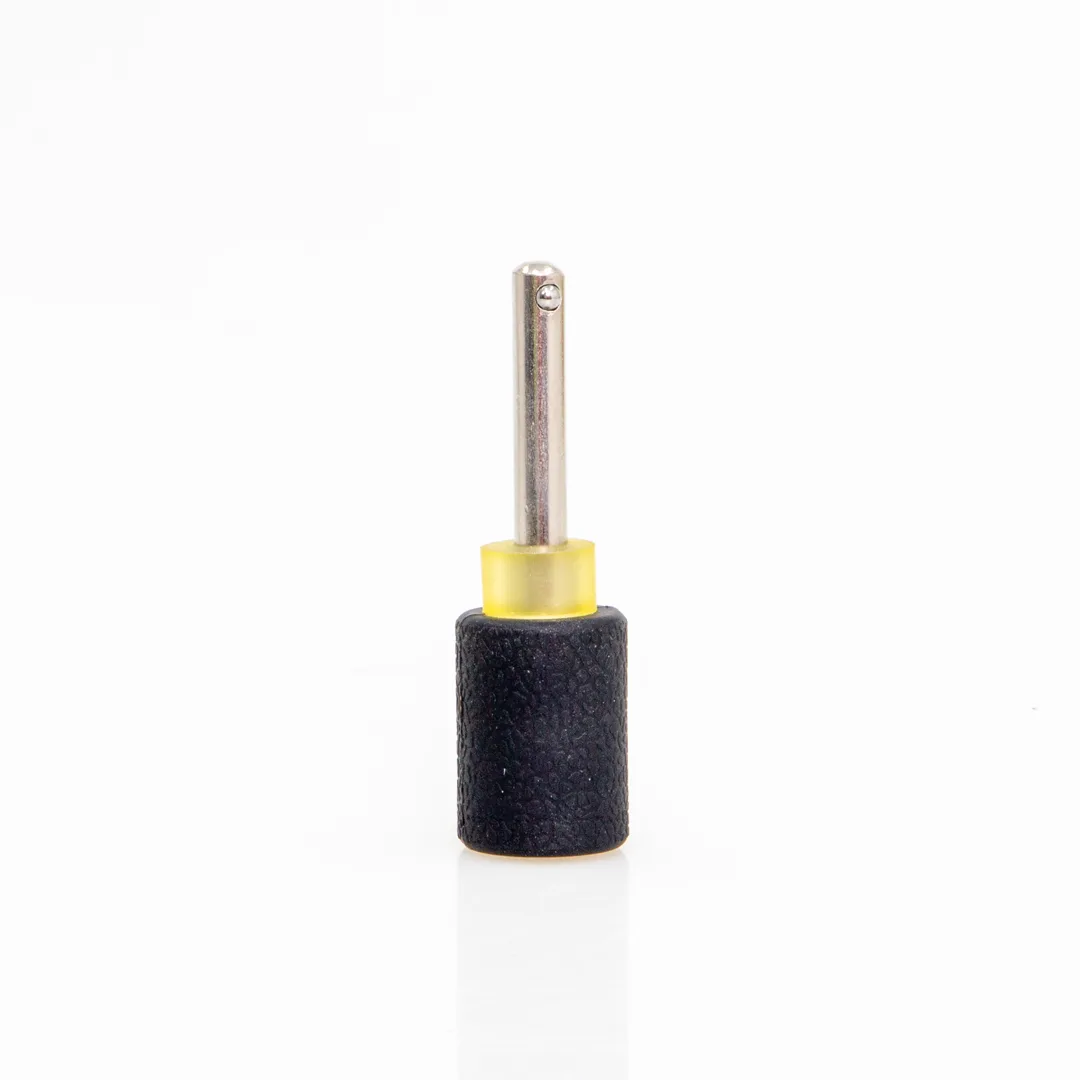
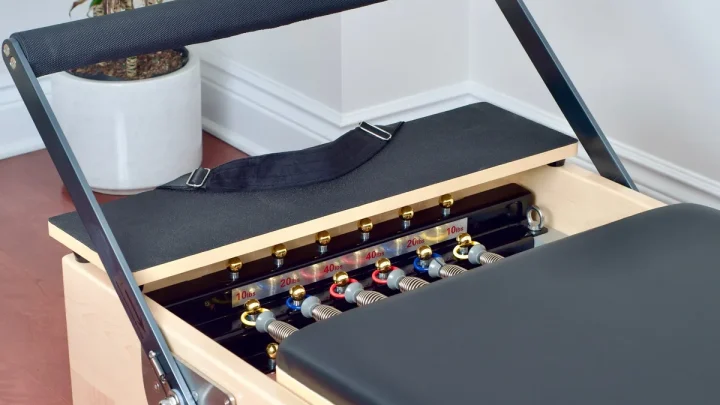
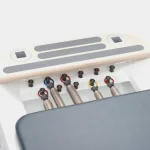
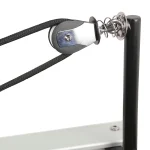
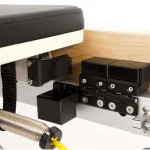
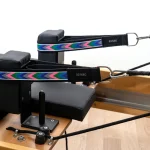
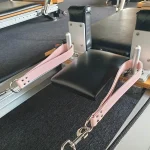
Image source: Web (Bing) / victormed.com.au (Web image (fair-use with source credit))
If a rope is adjusted too short, or if headrest straps get pinched under the carriage, the bed stays floating an inch off the bumper. That tiny gap keeps several pounds of preload on every active spring.
When you attempt to unhook under preload, the clip hook binds tightly inside the eye-bolt loop. Your thumb must fight both the internal gate spring and the full pull of the coil.
To fix this, check the carriage stoppers before touching the clip. Rest one forearm gently on the carriage frame and push forward toward the footbar. You will immediately feel the spring go slack, and the gate will slide open with light thumb pressure.
Hardware Failures: Dirt, Metal Burrs, and Gate Spring Wear
When spring preload is not the culprit, hardware wear is the problem. Reformer hardware cycles through hundreds of thousands of repetitions under varying loads.
The internal gate spring is tiny. As sweat and cleaning sprays mist over the gearbar daily, moisture enters the slide cavity. This causes internal rust, which weakens the return spring or freezes it in place.
[ Clip Body ] ---> [ Dirt / Sweat Gunk ] ---> [ Internal Torsion Spring ]
                         |
                         v
              [ Gate Seizes or Binds ]
Metal galling is another mechanical failure point. Galling occurs when friction between metal parts causes material to tear and build microscopic ridges.
Check the contact edge of your gearbar eye-bolts. If you run a fingernail along the inside curve and feel rough grooves, that uneven metal is snagging the clip lip. In that scenario, no amount of cleaning will restore a smooth open.
The Exact Steps to Free, Clean, and Lubricate a Stiff Snap Hook
Restoring a stiff reformer clip takes less than five minutes with the correct supplies. Never use water or standard oil, which make the problem worse over time.
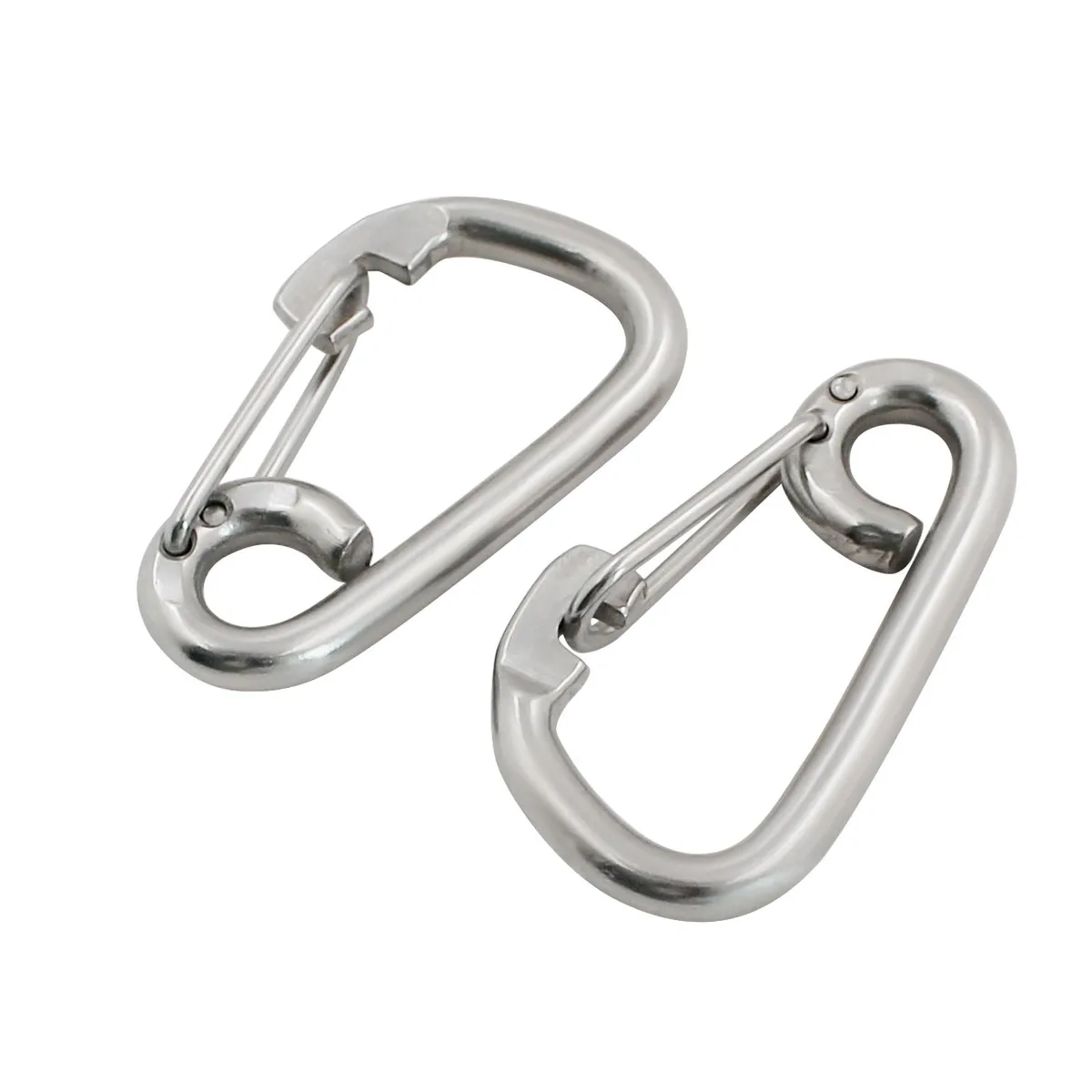
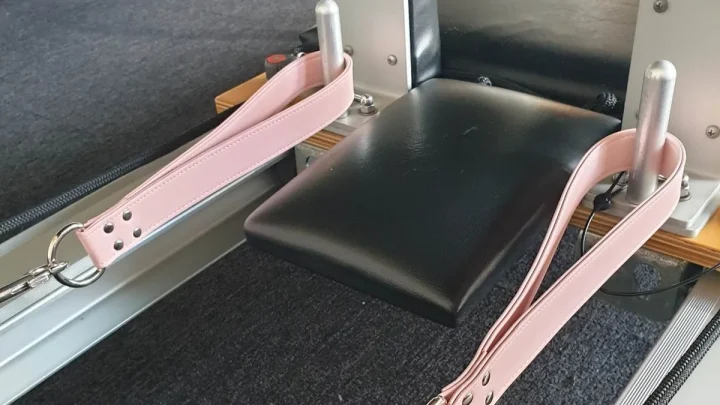
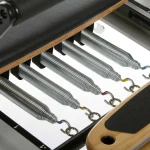
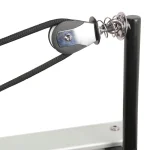
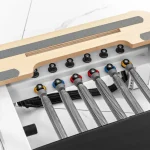
Image source: Web (Bing) / shstainless.en.made-in-china.com (Web image (fair-use with source credit))
Follow standard maintenance practices recommended by manufacturers like Balanced Body to ensure safe hardware function.
Step 1: Remove Spring Tension Safely
Never service a clip while it is under tension. Ensure the carriage rests fully against the rubber stops. Unhook the spring from the gearbar and let it rest in the spring well.
Step 2: Flush the Barrel with Isopropyl Alcohol
Spray 90 percent or higher isopropyl alcohol directly into the slide gate mechanism. Work the thumb latch back and forth 15 to 20 times. The alcohol dissolves built-up grime, body oils, and dried cleaning solutions without leaving residue behind.
Step 3: Clear Trapped Fibers
Take a small nylon brush or dental pick and gently clear the groove around the sliding pin. Studio carpet fibers and hair frequently wrap around the base of the gate, preventing a full slide.
Step 4: Apply a PTFE Dry Film Lubricant
Shake a can of PTFE (Teflon) dry lubricant thoroughly. Apply a brief spray directly into the gate opening.
Work the mechanism several times so the lubricant coats the internal spring. Unlike wet lubricants, PTFE dries into a non-greasy micro-coating that will not attract studio dust, pet hair, or clothing lint. Wipe away any overspray on the exterior metal with a clean microfiber cloth.
Critical Mistakes That Damage Reformer Clips (And Your Fingers)
Struggling with a frozen clip often leads to hasty shortcuts that ruin equipment. Avoid these frequent maintenance and handling errors.
Using Standard WD-40 or Petroleum Lubricants
Reaching for standard WD-40 or grease will destroy your equipment mechanics. Wet petroleum oils create a sticky magnet for hair, dust, and clothing lint inside the slide cavity. Within weeks, that oil thickens into a dense sludge that completely freezes the internal return spring.
Forcing the Clip Open Under Full Load
Never yank or pry open a snap hook while the carriage is under tension. Forcing the gate open against active load damages the internal slide pin and scratches the eye-bolt. If your thumb slips, the spring snaps back violently toward the frame, creating a severe pinch or crush hazard.
+-------------------------------------------------------------+
|                     COMMON MISTAKES                         |
+------------------------------+------------------------------+
| Practice                     | Consequence                  |
| Using penetrating oils       | Attracts dust and jams gate  |
| Yanking under spring load    | Pinched fingers and burring  |
| Twisting clip sideways       | Bends slide pin permanently  |
| Skipping monthly cleanings   | Causes total hardware seize  |
+------------------------------+------------------------------+
Side-Torquing the Gate Mechanism
Piston bolt snaps are engineered for straight-line thumb retraction. Applying sideways torque with your thumb bends the slender internal guide pin. Once that pin is even slightly misaligned, the gate will bind every single time it opens.
Frequently Asked Questions About Pilates Reformer Hardware
Why does my reformer clip stick open after I press it?
A clip sticks open when dirt, hair, or dried cleaning residue gums up the internal spring chamber. Flush the slide mechanism with isopropyl alcohol to dissolve the grime. Once clean, spray the barrel with dry PTFE lubricant to restore smooth movement.
Can I replace an individual snap hook on my reformer spring?
Yes, most manufacturers allow you to replace worn snap hooks without discarding the entire spring. You will need snap-ring pliers or a wrench, depending on whether your springs use split rings or threaded eye-bolts. Check your manufacturer specifications to match the exact hardware grade.
How often should reformer clips and springs be inspected?
Commercial studios should inspect all clips, springs, and eye-bolts every month for signs of wear. Home users should run a full hardware check every six months. Replace any hardware showing flat spots, metal burrs, or weak gate return springs immediately.
What is the safest hand grip for opening a tight spring clip?
Place your palm firmly against the frame or gearbar to anchor your hand. Rest your index finger under the hook base for leverage, then pull the thumb slide straight back. Always verify that the carriage rests completely against the bumpers before unclipping.
The Final Verdict: Safe Spring Transitions and Hardware Lifespan
A stubborn spring clip almost always stems from residual carriage preload or grime in the slide barrel. Relieving carriage tension before sliding the gate eliminates the problem in seconds.
For studio owners, regular maintenance is essential for safety and seamless classes. According to equipment safety guidelines from the Pilates Method Alliance, routine inspection of all attachment hardware prevents accidental hardware failure during exercise.
Replace heavily burred or bent clips immediately to protect your clients and your reformers. A quick monthly flush with alcohol and a coat of dry PTFE lubricant keeps your spring transitions smooth, quiet, and effortless.

Similar Posts