Why Pilates Reformer Ropes Stretch (And How to Fix It)
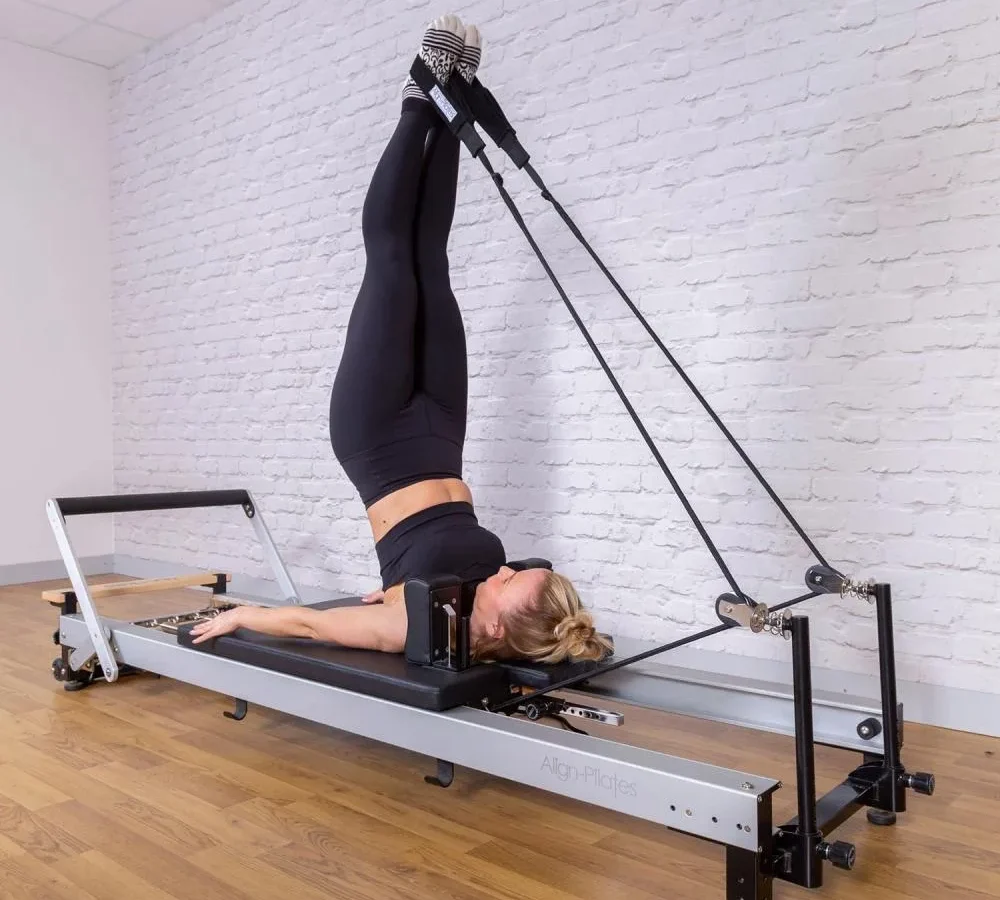
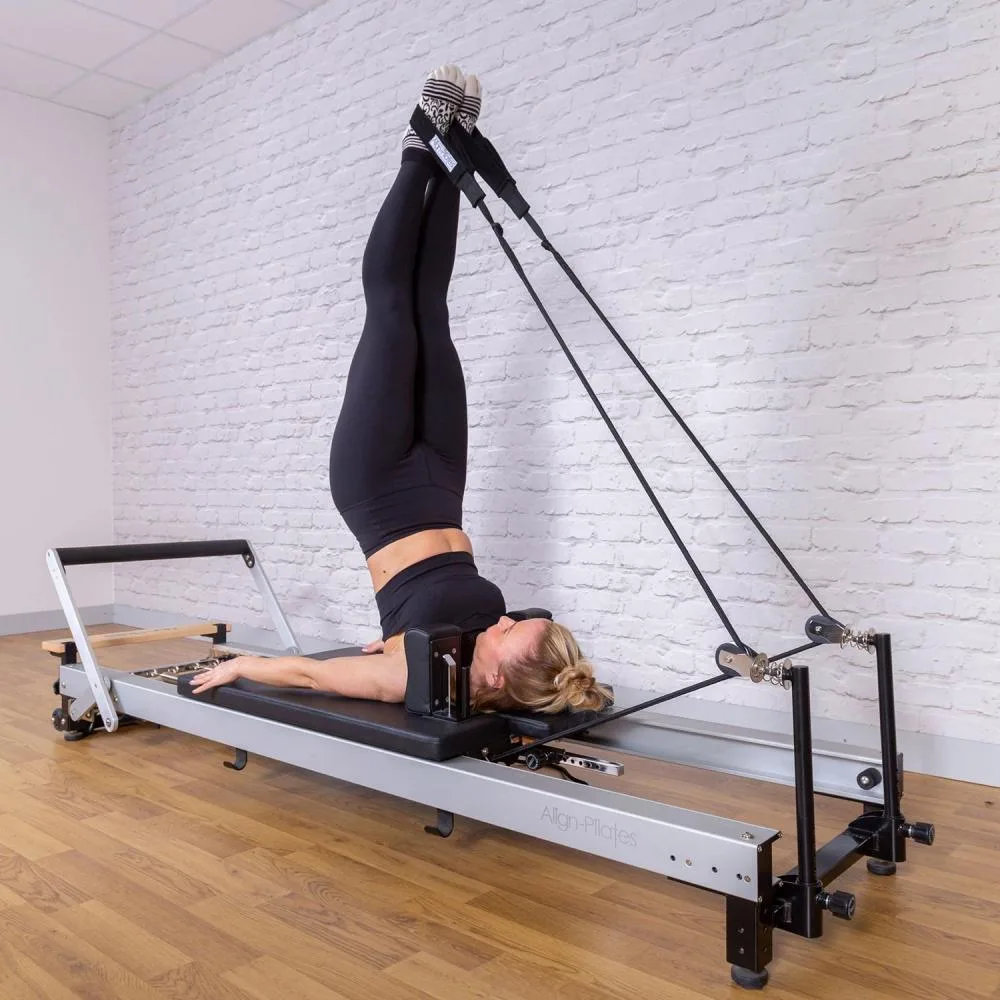
Image source: Web (Bing) / bodynova.de (Web image (fair-use with source credit))
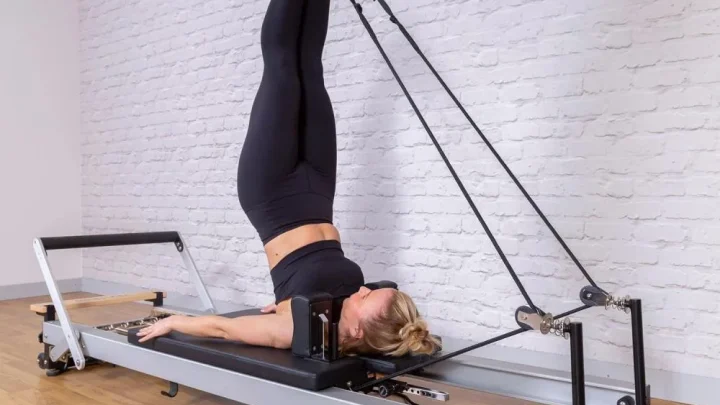
If you teach or practice Pilates, you know the frustration of an uneven carriage. You grab the straps for a set of arm work, and one side feels slack while the other takes all the tension. You might wonder why does pilates reformer rope stretch over time even when you treat your equipment with care.
Synthetic cordage reacts to mechanical tension, body heat, and daily friction. Standard reformer lines made from double-braided polyester typically experience an initial break-in elongation between 2% and 5% during their first 50 hours of use. Understanding how your ropes stretch helps you keep your reformer balanced, quiet, and safe for every workout.
Quick Answer
Pilates reformer ropes stretch due to mechanical fiber settling and polymer creep under load. Dynamic body weight pulls the woven strands tighter together over time. Synthetic fibers also slowly deform from repeated tension cycles.
Hardware slippage in the cam cleats often mimics true rope elongation.
Why Reformer Ropes Stretch: Elasticity vs. Permanent Creep
Reformer ropes do not behave like simple rubber bands. They are complex mechanical systems made of woven synthetic fibers. When you pull against spring resistance, two separate physical processes take place inside the cordage: elastic elongation and permanent creep.
Elastic elongation is temporary. When you perform high-load exercises like Feet in Straps, the rope stretches slightly under your body weight. Once you release the tension, the fibers snap back to their original resting length.
This elasticity provides a smooth, cushioned feel during transitions, preventing harsh shocks to your joints.
Permanent creep is structural and irreversible. Under sustained cyclic loading, the synthetic polymer chains inside the double-braided polyester or kernmantle core slide past one another at a molecular level. Standards published by the Cordage Institute show that synthetic lines undergo gradual, non-recoverable elongation when subjected to repetitive dynamic loads.
Over months of regular studio use, this permanent deformation lengthens the rope, causing your carriage to sit unevenly against the wooden or aluminum frame stoppers.
| Elongation Type | Mechanical Cause | Is It Reversible? | Impact on Reformer Alignment |
|---|---|---|---|
| Elastic Elongation | Temporary straightening of fiber weave under load | Yes (recovers immediately) | Minor cushion during heavy movements |
| Fiber Compaction | Strands settling tightly together during break-in | No | Requires initial cleat re-leveling |
| Polymer Creep | Molecular shifting from long-term cyclic tension | No | Causes uneven handles and carriage lag |
| Hardware Slip | Cam cleat teeth losing grip on the rope jacket | Yes (adjustable) | Mimics permanent stretch; easy to fix |
The Three Real Culprits: Fiber Settling, Polymer Fatigue, and Hardware Slip
Rope lengthening usually comes down to three distinct causes. Knowing which one is happening helps you fix the issue quickly.
                    [Carriage / Straps Feel Uneven]
                                   │
                 Is the rope brand new (<50 hours use)?
                                ┌──┴──┐
                               YES    NO
                                │      │
               [Fiber Settling / Break-In]    Check Cam Cleat Grip
                 Re-level at cleat base.       (Chalk test on rope)
                                               ┌──┴──┐
                                           SLIPPING  NOT SLIPPING
                                              │         │
                                      [Hardware Slip]  Inspect Rope Core
                                      Clean or replace (Thumb-Pinch Test)
                                      cam cleat cams.   ┌──┴──┐
                                                     SOFT/FLAT  NORMAL
                                                        │         │
                                                 [Core Failure] [Polymer Creep]
                                                  REPLACE ROPE   Re-level line
                                                  IMMEDIATELY    to carriage.
1. Initial Fiber Settling (The Break-In Period)
When you install a brand-new set of ropes from manufacturers like Balanced Body or Merrithew, the individual woven yarns have microscopic air pockets between them. As you apply dynamic body weight over the first 20 to 50 hours of use, these loose braids pull tightly together. This compaction lengthens the line by several inches without degrading the strength of the synthetic material.
2. Polymer Creep and Material Fatigue
After the initial break-in period, ropes continue to undergo slow, permanent deformation. Every jumpboard landing and heavy leg press generates dynamic cyclic loads between 15 and 80 pounds per stroke. Over 12 to 24 months, these repeated dynamic forces permanently stretch the polyester core.
The rope becomes thinner in diameter, stiffer to the touch, and noticeably longer than its original factory measurement.
3. Cam Cleat Slippage
Sometimes what looks like rope stretch is actually a mechanical issue underneath the carriage. Modern reformers use spring-loaded cam cleats or nautic-style jam cleats to secure rope ends. Over time, dust, sweat, and worn cleat teeth reduce mechanical grip.
The rope slowly creeps through the teeth millimeter by millimeter during heavy exercises, creating the illusion that the rope has stretched.
Diagnostic Decision Tree: Pinpointing Why Your Carriage Feels Uneven
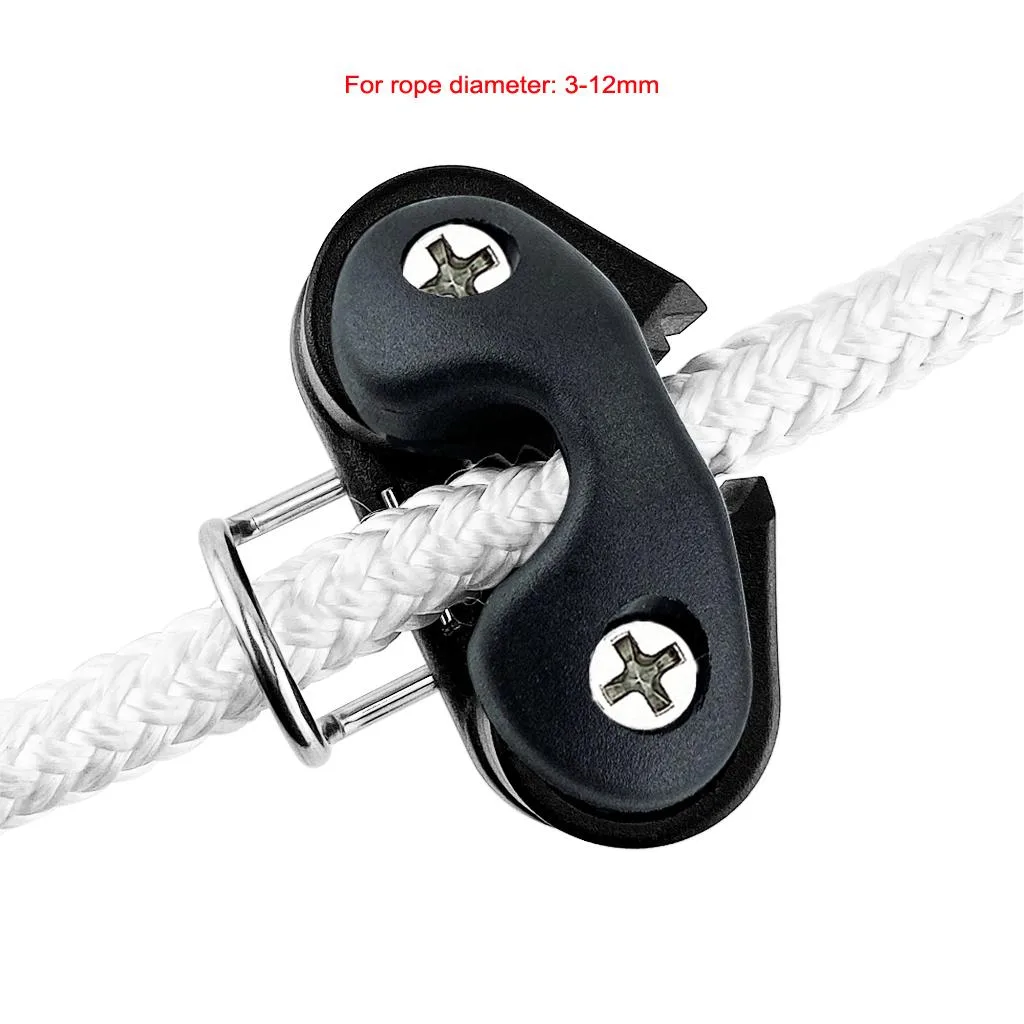
Image source: Web (Bing) / joom.com (Web image (fair-use with source credit))
Before you buy replacement cords, use this diagnostic workflow to find the exact root cause of your rope imbalance.
Step 1: Check for Hardware Slippage (The Chalk Test)
- Mark both ropes with a piece of tailor's chalk directly where they enter the cam cleats under the carriage.
- Perform a standard ten-minute workout that includes full-body weight exercises like Long Spine or Frog.
- Check your chalk marks. If the chalk line has moved away from the cleat mouth by even a quarter-inch, your ropes are not stretching. Your cleats are slipping.
- Fix: Clean the cleat teeth with an old toothbrush and mild degreaser, or replace worn cam cleats if the aluminum teeth have flattened.
Step 2: Perform the Thumb-Pinch Core Test
- Unthread the rope and run it slowly between your thumb and index finger from the strap loop to the free end.
- Firmly pinch the rope every two inches, paying close attention to the section that regularly passes through the riser pulleys.
- If you feel a hollow spot, a soft mushy section, or a noticeable flat spot where the rope bends sharply with zero resistance, the internal core fibers have broken down.
- Fix: Replace both ropes immediately. A damaged core inside an intact outer sheath can snap unexpectedly under heavy loads.
Step 3: Measure Equal Resting Length
- Unhook all springs so the carriage rests against the frame stoppers.
- Pull both strap handles straight toward the headrest until they are taut.
- Measure the distance between the metal clips and the headrest edge.
- If one rope is longer by more than 0.25 inches (6 mm) and passed the chalk test, natural polymer creep has occurred unevenly.
- Fix: Re-level the lines using the step-by-step adjustment method below.
How to Re-Level and Reset Your Ropes Correctly
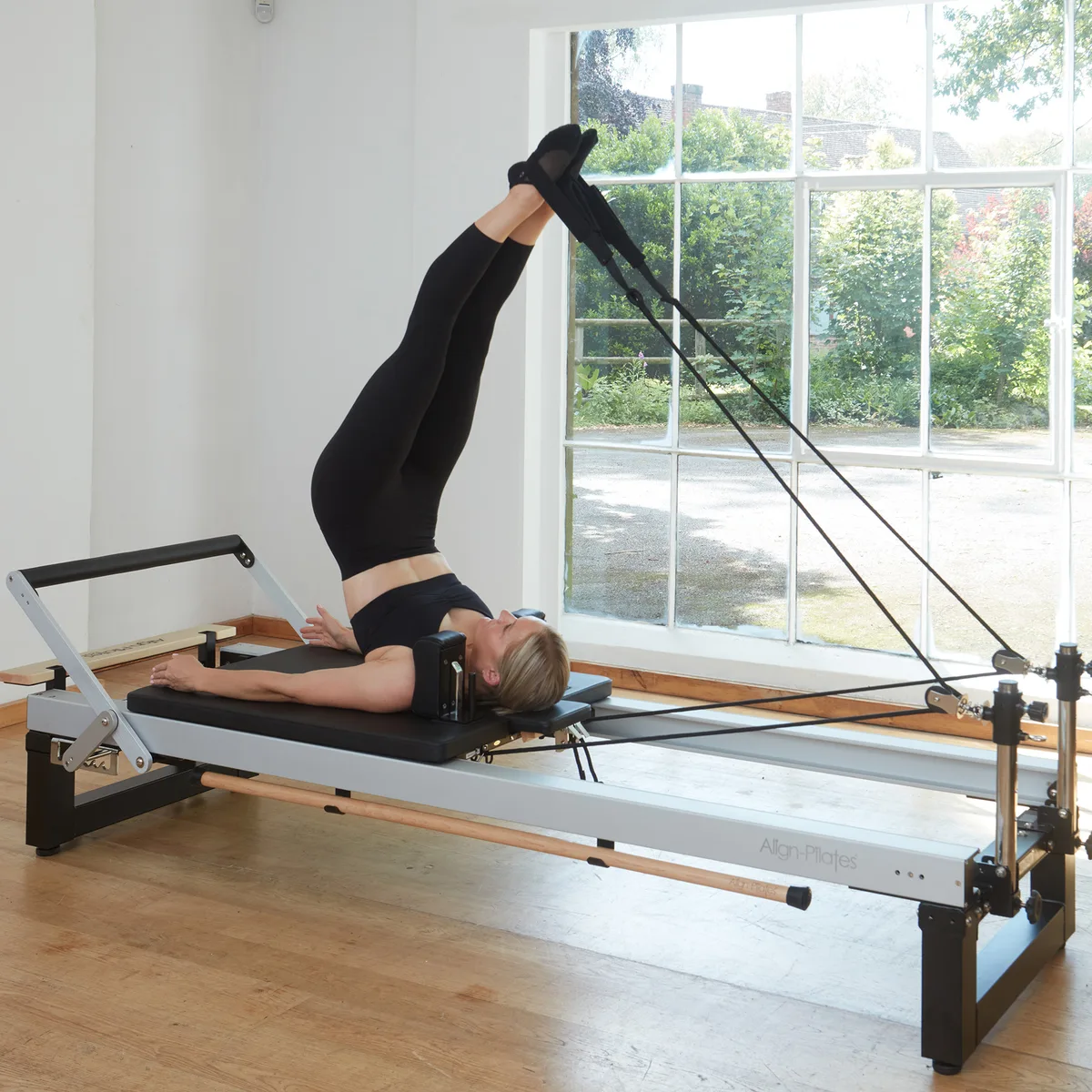
Image source: Web (Bing) / align-pilates.com (Web image (fair-use with source credit))
Re-leveling your ropes restores proper mechanical alignment to your reformer carriage. Uneven lines cause asymmetrical pelvic loading and force one side of your body to work harder during bilateral movements.
Follow this step-by-step workflow to reset your lines:
- Park the Carriage Against the Frame: Attach at least two heavy springs to lock the carriage firmly against the home stoppers. This establishes a fixed baseline.
- Clear the Pulley Path: Ensure your ropes run cleanly through the riser pulleys without twists, knots, or snags along the rail channels.
- Release the Under-Carriage Cleats: Pull the ropes upward out of the cam cleats beneath the carriage frame to free the line tension.
- Align the Straps to the Headrest: Lay both handles flat across the carriage. Pull the strap D-rings or clip ends until they align with the exact edge of the headrest base.
- Lock the Cam Cleats: Push the rope firmly down into the teeth of the cam cleats under the carriage. Ensure the rope sits completely seated in the bottom of the tooth channel.
- Tie a Safety Stopper Knot: Dress a clean figure-eight stopper knot into the free tail roughly two inches behind the cam cleat. This prevents the rope from unthreading if the cleat slips during an exercise.
- Perform a Tension Check: Pull both handles firmly with both hands simultaneously. Verify that the carriage begins moving away from the stoppers at the exact same millisecond on both sides.
Re-tie or Replace: Clear Lifespan and Safety Thresholds
Pilates ropes do not last forever. Knowing whether to simply re-level a lengthened rope or throw it away depends on the age, material condition, and operational environment of your machine. As of 2026, equipment maintenance guidelines from major commercial Pilates studios recommend tracking rope hours alongside spring replacement schedules to manage equipment safety.
Use these practical rules to decide your next move:
- Re-tie and Adjust If: The rope is less than 12 months old, the outer woven sheath is free of fuzz or pilling, the internal core feels uniform across its whole length, and the total stretch is under 3 inches from factory specifications.
- Replace Immediately If: You notice visible fraying or broken outer threads at the riser pulley turning point, the rope feels flattened or ribbon-like, the rope has exceeded two years of heavy studio use (or five years of light home use), or the core has separated.
Never replace a single rope on an active reformer. Synthetic cordage stretches as a matched set. Installing one new, stiff rope alongside an older, stretched rope creates permanent tracking problems for your carriage rollers and uneven muscular engagement for the user.
Always replace reformer ropes in pairs.
Best Practices to Prevent Uneven Rope Wear and Stretch
You cannot stop synthetic fibers from stretching entirely, but you can prevent uneven wear and premature rope failure. Simple adjustments to your maintenance routine keep your carriage balanced and extend the working life of your cordage.
- Swap Ropes Side-to-Side Every Six Months: Most practitioners favor one dominant side during single-arm or single-leg exercises. Swapping the left and right ropes evens out asymmetric polymer creep and distributes pulley friction across both lines.
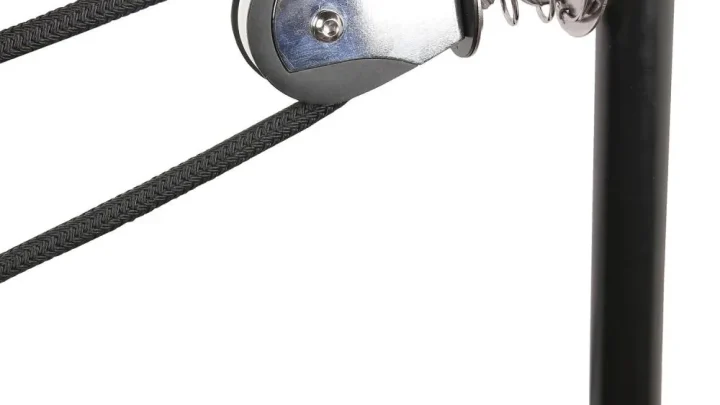
- Align Pulley Risers with Strap Angles: Set your pulley risers so the rope feeds directly into the center of the wheel. When ropes drag across the outer metal guides, the friction shears the outer jacket fibers and accelerates core fatigue.
- Keep Ropes Clean and Free of Chalk: Studio chalk, hand lotions, and sweat work their way into the braided jacket. These fine particles act like tiny razor blades against the inner synthetic strands whenever the line flexes under tension. Wipe your ropes down monthly with a clean, dry microfiber cloth.
- Pre-Tension New Ropes Before Class Use: When installing fresh polyester lines, hook all heavy springs to the carriage and pull the ropes to full extension several times. Letting new cords settle under controlled static tension speeds up initial fiber compaction before clients get on the machine.
Frequently Asked Questions About Pilates Reformer Ropes
How often should Pilates reformer ropes be replaced?
In a commercial studio setting, replace reformer ropes every 12 to 24 months depending on class volume. For home reformers used by a single person, ropes typically last three to five years. Always inspect the lines monthly for core softness, thinning sections, or jacket fraying.
Why are my reformer ropes two different lengths?
Ropes become uneven due to asymmetric pulling habits, unequal cam cleat slip, or uneven core fiber settling. If one cleat slips even slightly under heavy loads, that side immediately feels longer. Regular re-leveling against the carriage headrest quickly restores balanced strap lengths.
Can I use marine cordage or climbing rope on a reformer?
You can use high-grade double-braid polyester marine rigging line of the exact same diameter. Never use dynamic climbing rope on a Pilates reformer. Dynamic climbing cords are designed to stretch significantly under load to catch falling climbers, which makes carriage resistance feel spongy and unstable.
Do leather reformer straps stretch as much as braided ropes?
Traditional leather straps stretch far less than synthetic braided ropes once broken in. However, leather requires regular conditioning to prevent drying and cracking. Leather straps also use chain links for adjustment, which eliminates the cam cleat slippage common with synthetic cordage systems.
How do I know if my cam cleats are worn out?
Check the teeth inside the cleat jaws using a flashlight. If the ridges look rounded, flattened, or clogged with ground plastic, the cleat cannot bite the rope jacket securely. If your rope consistently creeps during workouts despite correct knot dressing, replace the cam cleat hardware.

Similar Posts