Why Your Reformer Rope Keeps Slipping & How to Fix It
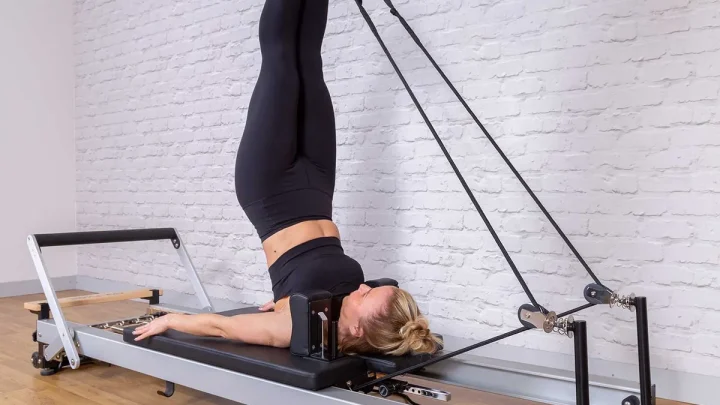
If you are mid-exercise and your carriage suddenly jolts forward, you are probably wondering why does my reformer rope keep slipping. A slipping strap ruins your workout rhythm and can strain your joints unexpectedly. It is one of the most common equipment headaches on commercial and home Pilates machines alike.
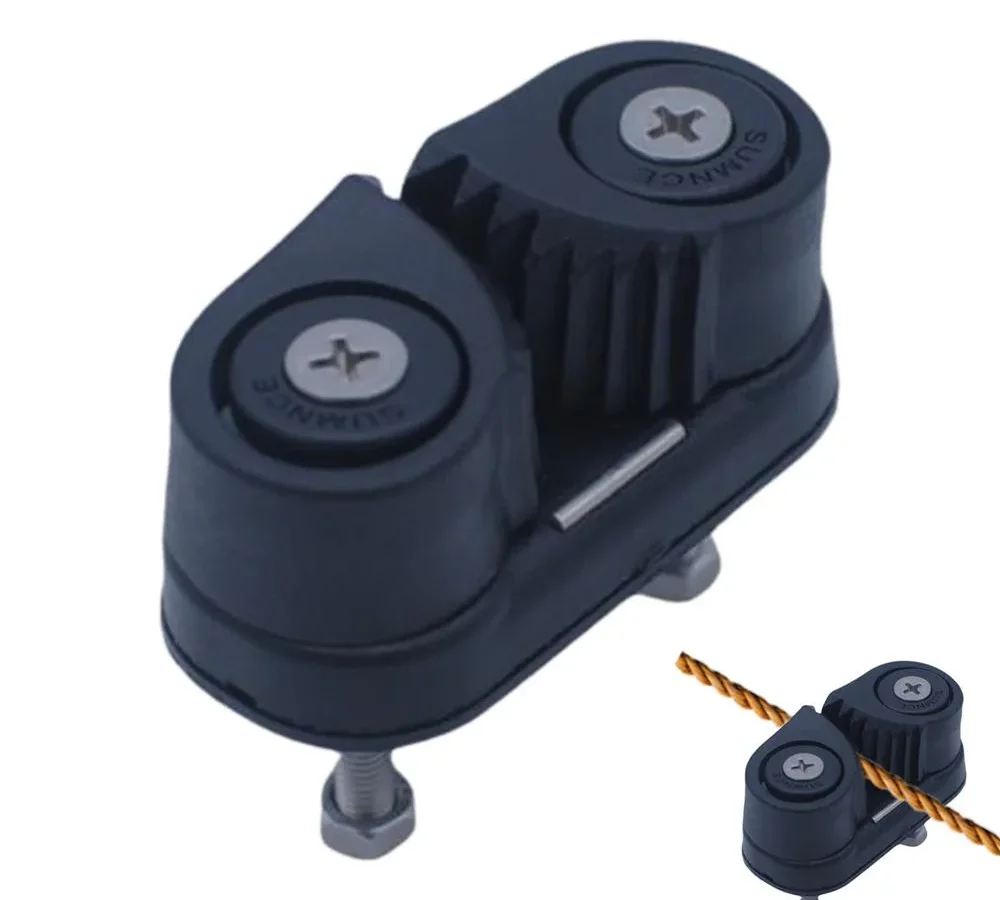
Standard reformer systems rely on marine-grade cam cleats designed to hold synthetic double-braid ropes under high working loads. When rope diameter drops below manufacturer specifications or cleat teeth get clogged with studio grime, grip strength plummets. Here is how to isolate the problem, fix the hardware, and lock your ropes down securely.
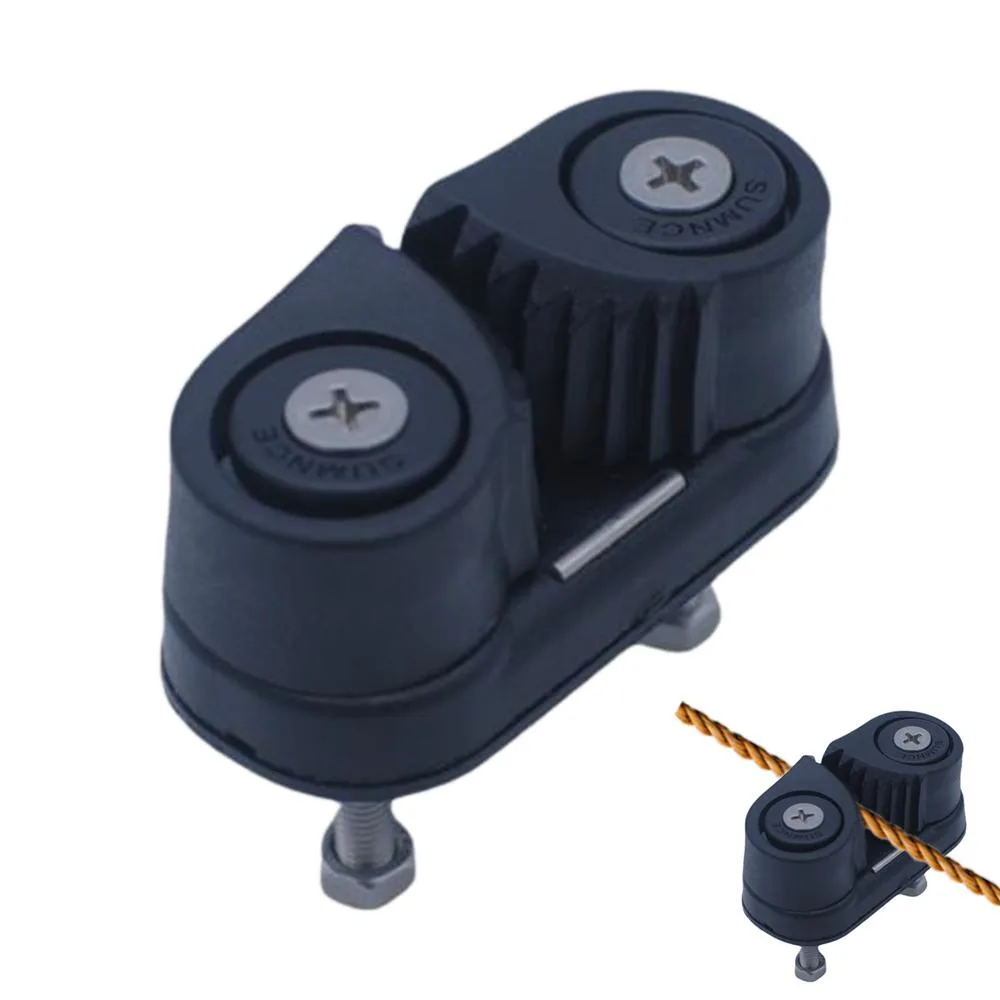
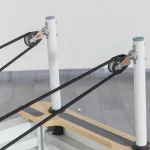
Image source: Web (Bing) / uk.vicedeal.com (Web image (fair-use with source credit))
Quick Answer
Reformer ropes slip when cam cleat teeth lose their physical grip on the rope fibers. This happens due to incorrect downward locking technique, dirty or worn cleat teeth, or flattened ropes. Ropes must sit deep inside the serrated jaws under downward tension.
Cleaning the cams and replacing compressed ropes restores full holding power immediately.
Why Reformer Ropes Slip: The 3 Root Causes
Rope slippage almost always traces back to three distinct areas: operational technique, hardware fatigue, or rope degradation. When all three parts work together, the system is remarkably secure. If any single component falters, the rope creeps forward under load.
First, the rope must enter the cam cleat at the correct physical angle. If you pull the rope straight forward without pressing down, the serrated teeth never bite the core. The line simply rests on the ridge tops rather than settling between the jaws.
Second, the hardware itself can fail over time. Reformers use spring-loaded cams that pivot on internal pins. Dust, skin oils, and studio chalk collect in the teeth, while the internal torsion springs can lose their snap.
Third, the rope itself changes with heavy use. Double-braid synthetic ropes experience intense compression inside the cleat jaws. Over months of classes, the rope flattens from a round profile into an oval shape, giving the teeth less surface area to grip.
| Failure Point | Primary Symptom | Quick Fix |
|---|---|---|
| Loading Technique | Immediate slip on first pull | Push rope downward into the cam base |
| Dirty Cleat Teeth | Gradual slippage under heavy loads | Scrub teeth with a nylon brush and warm water |
| Weak Cam Springs | Cams stay open or close slowly | Replace internal torsion springs or cleat unit |
| Flattened Rope Core | Rope slides through fully closed jaws | Replace with correct diameter double-braid rope |
How Reformer Cam Cleats and Rope Locks Actually Work
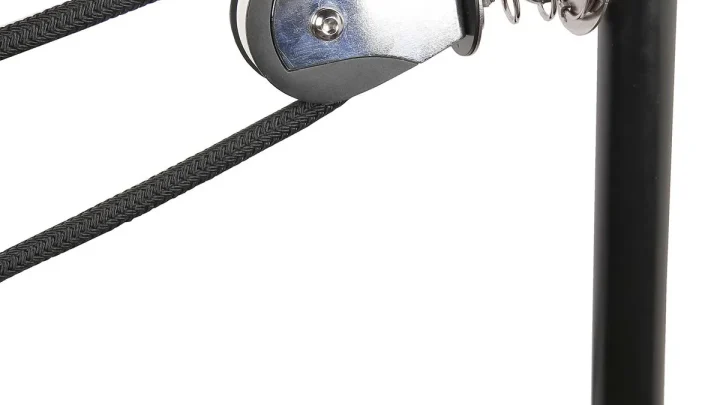
Most modern reformers use marine-style cam cleats manufactured by companies like Harken to secure adjustable straps. Understanding the mechanics of these cleats makes troubleshooting much simpler.
A cam cleat consists of two opposing, spring-loaded cams with progressive ribbed teeth. As you drop the rope between the cams, the teeth angle forward in the direction of line travel. When tension pulls the rope toward the carriage, the teeth bite into the braided sheath and pull both cams inward.
This creates a mechanical wedge effect: the harder you pull, the tighter the jaws pinch.
Releasing the rope requires lifting it straight upward out of the jaws. That directional release is why rope angle matters so much during setup. If your rope guides or fairleads are misaligned, the upward angle during an exercise can accidentally unlock the cleat.
Traditional reformers without cam cleats use underside friction bars, pin systems, or knot slots. On these systems, slippage occurs when the rope slips out of its retainer notch or when generic replacement cord lacks the friction of original factory straps.
The Step-by-Step Decision Tree to Diagnose Rope Slippage
Follow this diagnostic workflow to pinpoint the exact failure point on your reformer without buying unnecessary replacement parts.
[Start: Rope Slipping]
       │
       ▼
Is the rope pushed deep into the cleat base?
  ├── NO  ──> Push rope down firmly into teeth (Technique Issue)
  └── YES ──> Check Cam Action
                │
                ▼
Do cams snap shut instantly when pulled open?
  ├── NO  ──> Clean cams or replace torsion springs (Hardware Issue)
  └── YES ──> Check Cleat Teeth & Rope Condition
                │
                ▼
Are cleat teeth sharp and free of chalk/debris?
  ├── NO  ──> Scrub teeth clean; replace if edges are rounded (Hardware Issue)
  └── YES ──> Check Rope Profile
                │
                ▼
Is the rope round, unglazed, and factory spec (8-10mm)?
  ├── NO  ──> Replace flattened or undersized rope (Rope Wear)
  └── YES ──> Check Fairlead Alignment / Pull Angle (Setup Issue)
1. Test the Entry Technique
Pull the strap toward you and push straight down into the jaws before releasing. If the rope holds firmly under body weight, the issue is user technique rather than mechanical failure.
2. Inspect the Spring Return
Spread the two cam jaws apart with your fingers and let go. They should snap shut instantly against each other with an audible click. If a cam hesitates or stays open, the spring is gummed up or broken.
3. Check Tooth Sharpness
Run your fingertip across the ribbed ridges inside each cam jaw. The teeth should feel sharp and well-defined. If the metal or composite ridges feel smooth and rounded, the cleat has reached the end of its service life.
4. Measure the Rope Cross-Section
Pinch the rope where it normally sits inside the cleat. Compare that spot to an unused section near the handles. If the gripping area is flat, slick, or significantly thinner, the rope is slipping because the jaws cannot compress it further.
Fixing Hardware Issues: Deep Cleaning, Spring Tension, and Tooth Wear
Hardware problems account for a large portion of persistent slippage issues. Fortunately, thorough maintenance can often restore full grip without purchasing new parts.
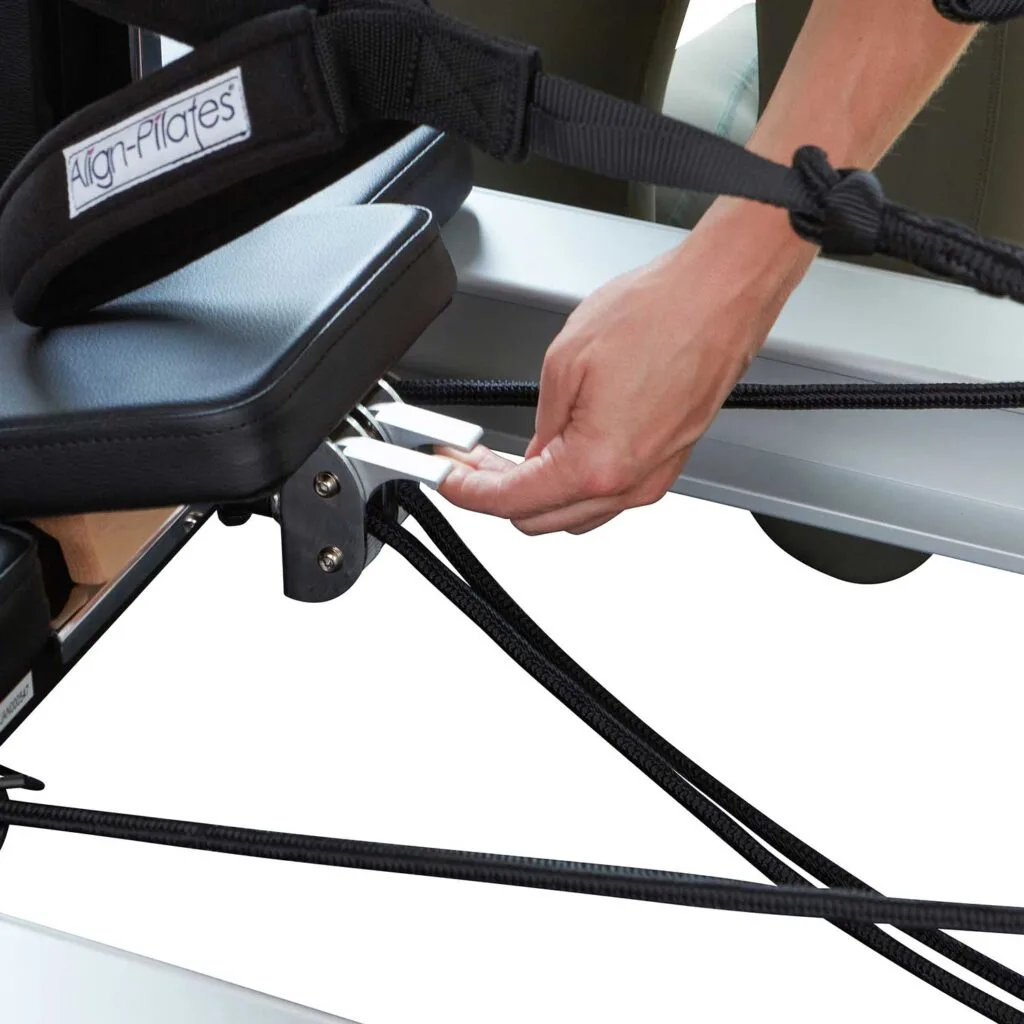
Image source: Web (Bing) / zimsailing.com (Web image (fair-use with source credit))
Deep Cleaning the Cam Cleats
Pilates studios naturally accumulate dust, lint, and residue from grip socks. This debris packs tightly between the cleat teeth, preventing them from penetrating the rope fibers.
- Spray compressed air into the cleat jaws to blow out loose dust and hair.
- Dip a stiff nylon utility brush in warm water mixed with mild dish soap.
- Scrub vigorously between the teeth while holding the cams open.
- Rinse with clean water using a damp microfiber cloth, then dry completely.
- Avoid petroleum lubricants like WD-40, which attract dirt and cause ropes to slip worse.
Inspecting Cam Torsion Springs
Each cam arm contains a small internal torsion spring. If one spring snaps, the cam relies solely on the other arm to close. This creates uneven pressure that lets the rope slide through on one side.
To test spring tension, pull each cam arm outward independently. Both arms should offer identical resistance and snap back instantly. If an arm feels loose or fails to return to center, you must rebuild the spring assembly or replace the cleat unit.
Evaluating Tooth Wear
Composite plastic cleats (such as Delrin) wear faster than anodized aluminum models. When users regularly yank ropes out sideways instead of straight up, the top teeth grind down. Once the tooth profile rounds off, no amount of cleaning will keep the rope locked under load.
Inspecting the Rope: Diameter, Fiber Glazing, and Core Flattening
Even brand-new hardware cannot grip a worn-out rope. Reformer ropes face continuous friction, tension cycles, and localized compression that degrade synthetic fibers over time.
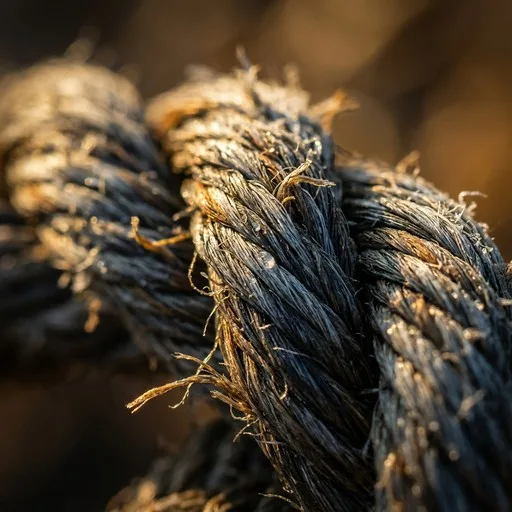
Image source: Web (Bing) / stockcake.com (Web image (fair-use with source credit))
Core Flattening and Diameter Loss
Pilates equipment uses low-stretch, double-braid polyester rope ranging between 8 mm and 10 mm in diameter. Double-braid cord features a braided core inside a braided outer sheath.
Over time, constant clamping in the exact same spot crushes the inner core fibers. The rope loses its circular cross-section and becomes an oval ribbon. When this happens, the cam cleat reaches its maximum inward travel before generating enough clamping force to hold your weight.
Fiber Glazing and Friction Heat
When a rope slips even a fraction of an inch under heavy spring load, the resulting friction creates intense localized heat. This heat melts the outer polyester microfibers, creating a hard, shiny patch known as glazing.
Glazed rope sections have almost zero surface friction. When the cam teeth bite into a glazed spot, they slide right across the hardened plastic skin. Run your fingers down the strap length; if you feel slick, glossy, or stiff sections, that line needs immediate replacement.
As of 2026, leading commercial equipment guidelines recommend rotating your ropes end-for-end every six months. This simple step distributes cleat wear along different sections of the cord, dramatically extending rope life.
Setup Mistakes That Cause Sudden Mid-Exercise Slippage
Even with clean hardware and pristine ropes, simple setup errors can cause the line to release unexpectedly. Many slip events happen because the user assumes the rope is locked when it is only resting lightly between the cam jaws.
Skipping the Downward Snap
The most common mistake is laying the cord loosely across the top of the cleat. Cam teeth require initial downward pressure to begin biting the rope core. You should pull the strap taut and firmly press it downward into the throat of the cleat until you feel it seat fully at the base.
Misaligned Fairleads and Rope Risers
Rope risers and fairleads direct the rope from the pulley back into the cleat. If the riser is adjusted too high, the angle of pull creates continuous upward leverage on the rope. This upward vector works directly against the cam jaws, pulling the rope out of the teeth during arm work or feet-in-straps exercises.
Uneven Dual-Rope Tensioning
When adjusting strap lengths between exercises, adjust both sides evenly while facing the reformer head. Pulling one strap sideways across the opposite cleat forces the rope out of its natural entry groove. This can bend the fairlead bracket and grind down the outer teeth unevenly.
When to Replace Hardware vs. Ropes (Specs and Sizing Guide)
Knowing whether to replace the rope or the cleat hardware saves money and eliminates trial-and-error repairs. In commercial studios, ropes typically last 12 to 24 months, while cam cleats last three to five years under regular use.
Follow these technical specifications when sourcing replacements according to ASTM International fitness facility safety practices:
- Rope Construction: Low-stretch, double-braid marine polyester cord. Never use dynamic nylon climbing rope, which stretches excessively and slips through cams.
- Rope Diameter: Match the exact OEM gauge. Most Balanced Body and Merrithew reformers require an 8 mm to 10 mm (5/16-inch to 3/8-inch) cord.
- Cleat Selection: Anodized aluminum cams last significantly longer in busy studio settings than standard composite plastic models.
| Component | Signs You Must Replace | Expected Lifespan | Replacement Fix |
|---|---|---|---|
| Reformer Rope | Flattened core, glazed slick spots, visible fuzzing | 1 to 2 years (studio), 3 to 4 years (home) | Install OEM double-braid polyester cord |
| Cam Cleat | Rounded teeth, cracked body, persistent play | 3 to 5 years | Replace entire cleat assembly with stainless mounting hardware |
| Torsion Springs | Cams fail to snap shut independently | 2 to 3 years | Install manufacturer spring rebuild kit |
Frequently Asked Questions About Reformer Rope Slippage
Why does my reformer rope slip during heavy footwork?
Heavy footwork exerts maximum tensile load on the straps. If the rope core is flattened or the cleat teeth are clogged with studio dust, the teeth cannot maintain adequate friction under peak carriage force.
Can I use climbing rope as a replacement for reformer ropes?
No, you should never use dynamic climbing rope on a reformer. Climbing ropes stretch by design and have a slick sheath that prevents cam cleat teeth from biting properly, creating a severe slipping hazard.
How do I clean my reformer cam cleats safely?
Use compressed air to blow out dust, then scrub the teeth with a stiff nylon brush dipped in warm, soapy water. Never apply WD-40, silicone, or oil lubricants, as they attract dirt and ruin the cleat grip.
Why is only one of my reformer ropes slipping?
One rope usually slips first due to uneven user tension habits or a single failed cam spring. Check that specific cleat for a broken return spring, rounded teeth, or localized fiber glazing along the rope.
How tight should the screws on the cam cleat be?
Mounting screws should be firmly snug against the carriage frame without overtightening. Overtightening can strip the wood or aluminum mounting holes and bind the internal pivot pins, preventing the cams from pivoting freely.

Similar Posts