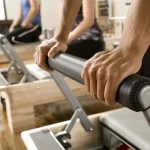
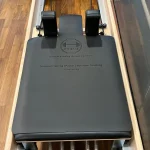
How to Clean & Sanitize Reformer Shoulder Pads
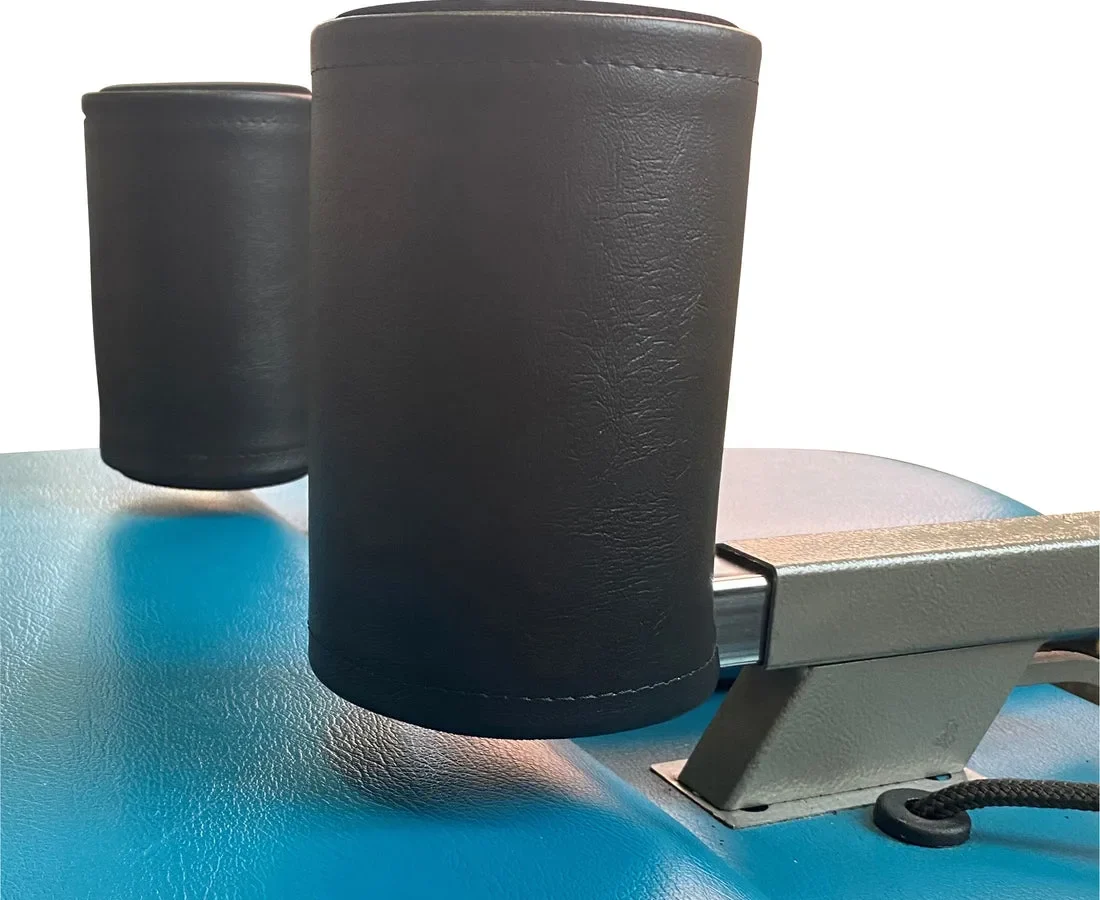
Pilates reformer shoulder pads absorb sweat, body lotions, and hair oils during every session. Knowing how to clean reformer shoulder pads properly keeps your equipment sanitary without ruining the expensive upholstery underneath. A wrong spray can turn soft vinyl brittle in just a few months.
Manufacturer guidelines show that standard marine-grade vinyl contains delicate plasticizers that break down when exposed to harsh chemicals. Maintaining a neutral pH balance between 6.5 and 7.5 preserves the foam and fabric for years. Let us walk through the exact steps to sanitize your shoulder rests safely.
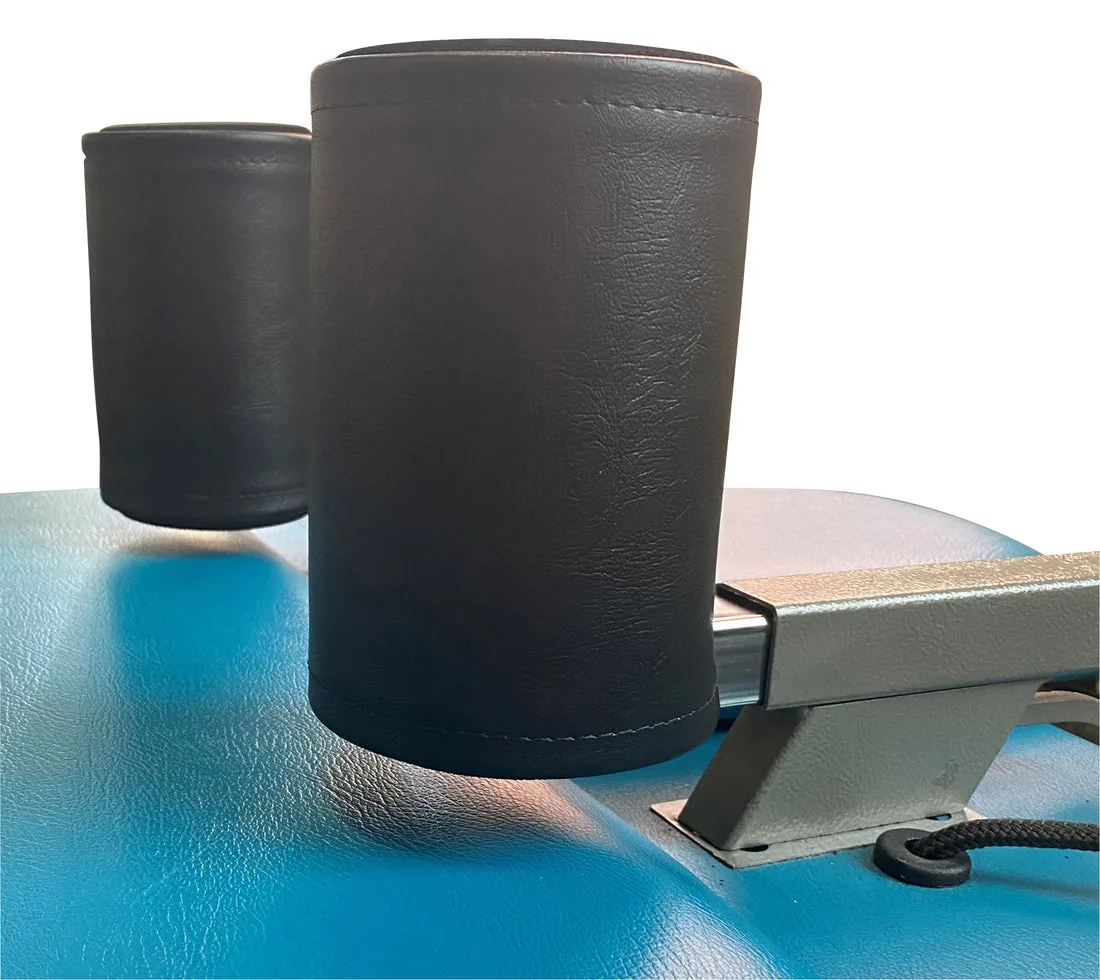
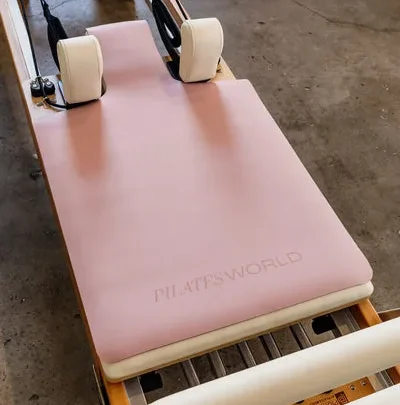
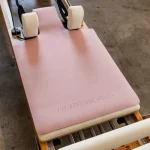
Image source: Bing (Web (fair-use with source credit))
Quick Answer
To clean reformer shoulder pads safely, use a mild soap solution. Mix two drops of dish soap with warm distilled water. Dampen a microfiber cloth with the mixture.
Wipe down the vinyl surfaces gently. Avoid soaking the stitching. Dry the pads immediately with a clean towel.
Why Reformer Shoulder Pads Trap Grime (and Why Harsh Cleaners Ruin Them)
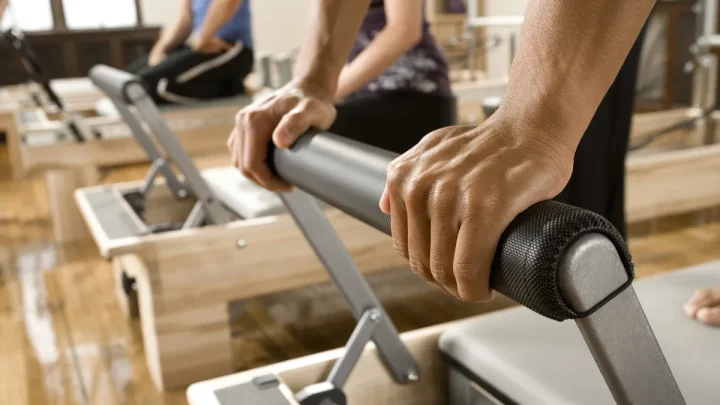
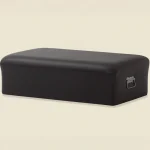
Shoulder rests bear direct body weight and friction during exercises like long stretches and planks. Sweat, dead skin cells, and cosmetic oils press directly into the upholstery texture. Over time, these residues form a slick, tacky layer that attracts airborne dust.
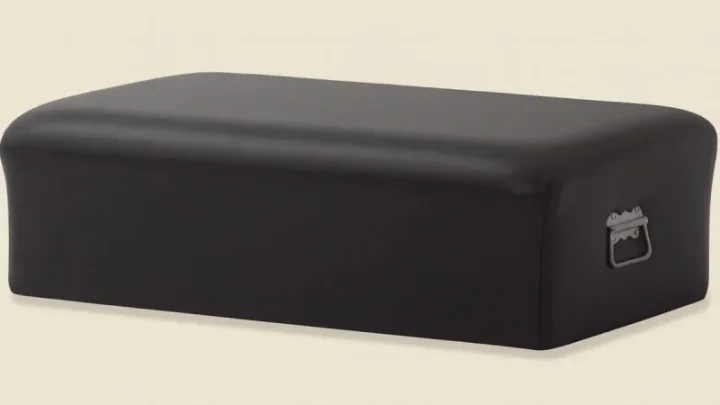
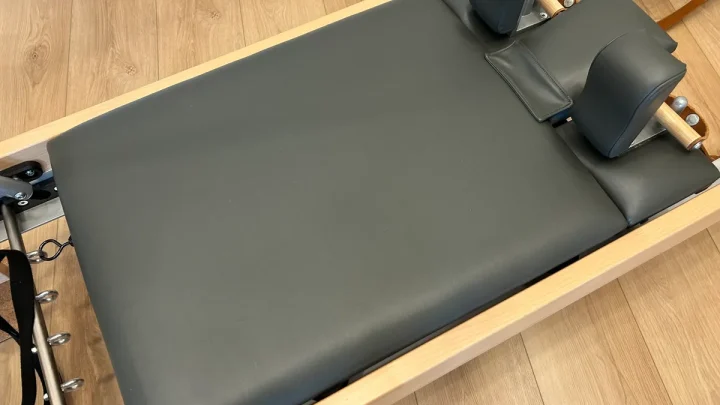
Most commercial reformers use expanded PVC vinyl or synthetic polyurethane leather. Manufacturers blend these materials with specialized plasticizers to keep them supple and flexible. When you apply alcohol-based wipes, bleach, or solvent degreasers, you strip those plasticizers out.
The vinyl then hardens, shrinks, and develops tiny micro-fissures. Once the surface cracks, sweat seeps through into the internal foam core. Bacteria then grows inside the padding where no surface spray can reach, creating permanent odors.
The Decision Tree: Choosing the Right Cleaning Method for Your Setup
The best way to clean your shoulder blocks depends on two variables: the material type and your usage frequency. Use this simple workflow to pick the right routine.
Is your shoulder pad vinyl, PU leather, or covered in fabric?
├── Removable Fabric / Neoprene Booties
│   └── Action: Machine wash cold on delicate cycle. Air dry completely.
├── Commercial Vinyl or PU Leather
│   ├── Is this a quick turnaround between studio clients?
│   │   └── Action: Use an alcohol-free, quaternary disinfectant wipe. Dry after 60 seconds.
│   └── Is this routine home maintenance or weekly studio deep cleaning?
│       └── Action: Use a pH-neutral Castile soap wash, wipe seams dry, and buff.
If you manage a busy commercial studio, your priority is fast pathogen reduction without vinyl degradation. If you maintain a personal home reformer, gentle degreasing with mild soap keeps the padding in showroom condition without daily chemical exposure.
The Safe DIY Cleaning Method: Step-by-Step Degreasing and Sanitizing
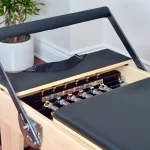
You do not need specialized commercial sprays for routine cleaning. A gentle DIY mixture lifts body oils easily and costs pennies.
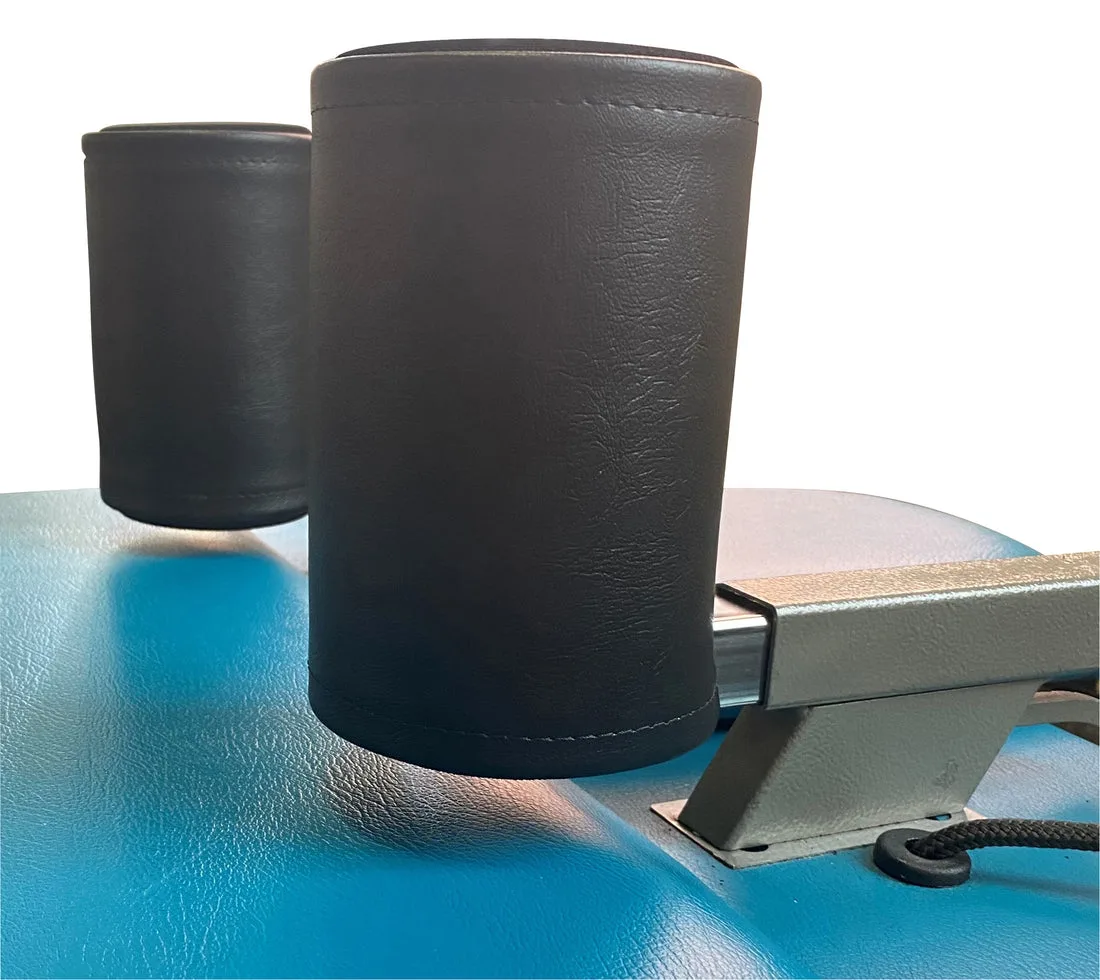
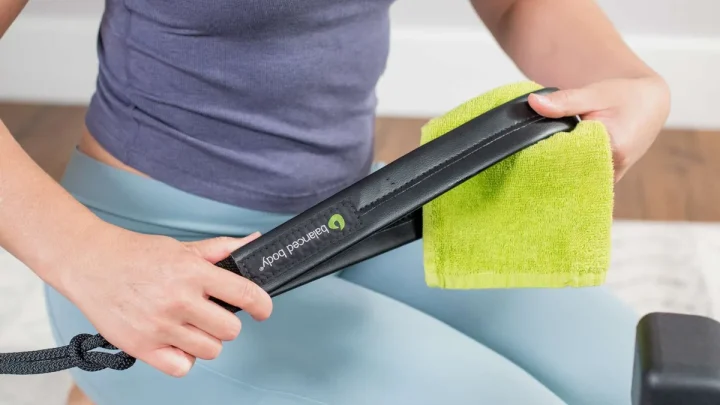
Image source: Bing (Web (fair-use with source credit))
Tools and Materials Required
| Item | Specification | Purpose |
|---|---|---|
| Liquid Soap | Mild Castile soap or original Dawn | Emulsifies skin oils safely |
| Water | Warm distilled water | Prevents mineral spotting |
| Microfiber Towels | 300+ GSM split microfiber | Lifts grime without scratching |
| Soft Detail Brush | Soft nylon bristles | Cleans textured vinyl crevices |
Step 1: Remove the Shoulder Blocks
Unscrew the knurled mounting knobs or lift the quick-release pins beneath the carriage. Demounting the blocks lets you reach the base plates and prevents liquid from pooling around the metal hardware.
Step 2: Prepare Your Cleaning Solution
Mix two drops of mild liquid soap into 16 ounces (about 500 ml) of warm distilled water in a spray bottle. Shake gently to blend. Keep the soap concentration low so it leaves zero sticky residue.
Step 3: Wipe Down the Vinyl Surfaces
Spray your solution directly onto a microfiber cloth until it is lightly damp. Never spray the shoulder pad directly. Wipe the top, sides, and curved inner faces using small circular motions.
Step 4: Protect the Seams
Stitched seams act like wicks for moisture. Run a barely damp cloth lightly along seam lines rather than scrubbing them. If grime is stuck in the stitching, gently agitate the area with a dry, soft-bristle nylon brush.
Step 5: Rinse and Dry Completely
Take a second microfiber cloth dampened with plain water and wipe away any remaining soap film. Follow immediately with a dry towel. Allow the pads to air-dry for three to five minutes before reinstalling them on the carriage.
Deep Cleaning vs. Quick Studio Turnarounds: Tailored Routines for Every Scenario
Cleaning protocols change depending on whether you run back-to-back group classes or practice solo at home. Studio equipment needs rapid pathogen defense, while home units benefit from gentle preservation.
| Task | Quick Studio Turnaround | Weekly Deep Clean |
|---|---|---|
| Primary Goal | Pathogen control and quick drying | Oil removal and hardware check |
| Cleaning Agent | Quat-based, alcohol-free wipe | Mild Castile soap solution |
| Contact Time | 1 to 2 minutes wet contact | Immediate rinse and dry |
| Seam Treatment | Avoid soaking stitches | Gentle dry brushing |
| Hardware Care | Surface wipe only | Inspect and wipe mounting pins |
For commercial studio turnarounds, select disinfectant wipes tested for medical-grade vinyl. The Centers for Disease Control and Prevention recommends adhering to product contact times for proper sanitization. Wipe the pad evenly, let the surface sit damp for the required dwell time, and wipe away excess moisture before the next client lies down.
Cleaning Agents Breakdown: What Works, What Harms, and Safe Chemical Alternatives
Selecting safe cleaning agents prevents premature wear. Equipment brands like Balanced Body maintain strict guidelines regarding acceptable cleaners on their upholstery.
Safe Cleaning Agents
- Mild Castile Soap Solution: The gold standard for daily degreasing. It removes oils without drying the vinyl surface.
- Balanced Body Clean Machine: A purpose-formulated commercial cleaner designed for exercise equipment vinyl.
- Quaternary Ammonium Wipes (Alcohol-Free): Excellent for commercial studios. They kill germs rapidly without stripping plasticizers.
- Distilled Water Rinse: Essential for lifting soap residues that can cause traction loss during workouts.
Damaging Cleaners to Avoid
- Rubbing Alcohol (Isopropyl): Rapidly pulls plasticizers from PVC vinyl. As of 2026, it remains the leading cause of premature pad cracking.
- Bleach and Chlorine Solutions: Degrades outer vinyl coatings, causes yellowing, and rots polyester seam stitching.
- Acetone or Citrus Solvents: Dissolves the vinyl topcoat on contact and melts interior foam cores.
- Silicone Protectants (like Armor All): Leaves a dangerous, slippery film that compromises client stability.
Common Maintenance Mistakes That Crack Vinyl and Rot Interior Foam
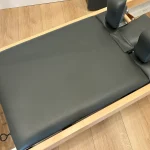
Even good cleaning intentions can backfire if you use the wrong technique. Vinyl upholstery is tough against friction, but it is vulnerable to liquid saturation and harsh solvents.
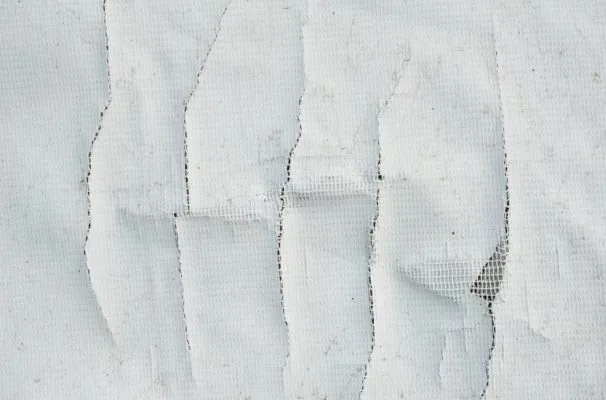
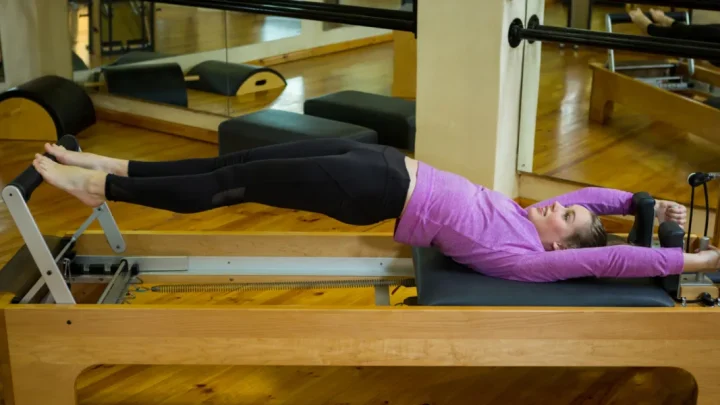
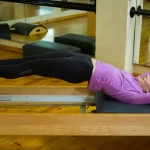
Image source: Bing (Web (fair-use with source credit))
- Over-saturating the seams: Spraying liquid directly onto the shoulder block forces fluid into the stitch holes. This moisture pools inside the high-density EVA foam. The trapped wetness cannot evaporate, causing hidden mildew and unpleasant odors.
- Using gym-wide sanitizing wipes: Many general fitness wipes contain 70 percent isopropyl alcohol to kill germs fast on steel weights. On reformer pads, this high alcohol concentration strips the vinyl coating, leading to stiff, brittle patches within months.
- Letting sweat evaporate naturally: Dried sweat leaves behind body salts and acidic oils. As users apply pressure during workouts, these salt crystals act like fine sandpaper against the vinyl grain.
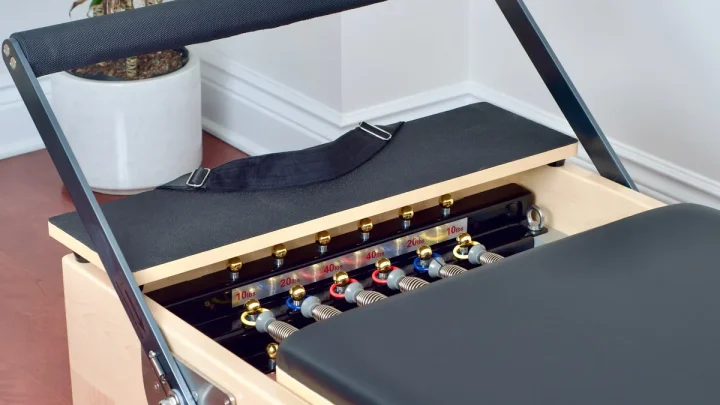
- Ignoring the mounting posts: Moisture often trickles down to the metal brackets and lock pins beneath the carriage. Failing to dry the underside causes corrosion and sticky locking mechanisms over time.
Frequently Asked Questions About Pilates Reformer Shoulder Pad Care
How often should you clean reformer shoulder pads?
You should wipe shoulder pads down after every session and perform a deep clean once a week. In commercial studios, use a vinyl-safe disinfectant wipe between every client. For home reformers, a light wipe with a damp microfiber cloth after each workout keeps body oils from building up.
Can you use Clorox or Lysol wipes on reformer shoulder pads?
No, you should avoid standard Clorox and Lysol wipes on reformer vinyl. Most household disinfectant wipes contain alcohol or bleach formulas that strip essential plasticizers from commercial upholstery. This exposure leads to premature surface cracking and split seams.
Choose alcohol-free, quaternary disinfectant wipes instead.
How do you get sweat smells out of reformer shoulder blocks?
To remove sweat odors, wipe the pads with a diluted Castile soap solution and let them air-dry in a well-ventilated room. Avoid soaking the seams, which pushes moisture deeper into the interior foam. If odors persist inside the cushion core, slipcovers or complete pad replacement may be necessary.
Are removable shoulder pad covers worth using?
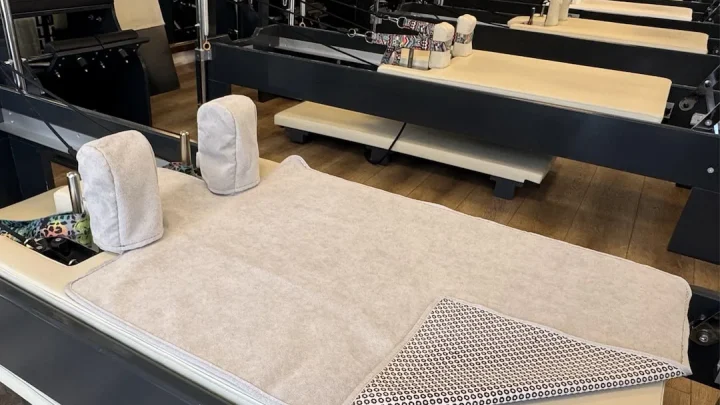
Yes, removable cotton terry or silicone covers provide an extra hygiene barrier and extend pad life. You can pull them off between clients and machine wash them on a gentle cycle. They prevent makeup, hair oils, and sweat from reaching the vinyl, drastically cutting down on daily wear.
What should you do if the vinyl on your shoulder pads starts cracking?
If the vinyl develops cracks, replace the shoulder pads promptly to maintain hygiene and safety. Open splits expose the porous foam beneath to sweat and bacteria, making effective sanitization impossible. Most major equipment brands sell replacement shoulder rests with pre-installed mounting posts for easy swapping.
The Long-Term Shoulder Rest Care Protocol
A consistent care schedule keeps your reformer shoulder blocks supportive, clean, and safe for years of daily workouts. Incorporate these simple checkpoints into your ongoing studio or home maintenance routine.
- Daily: Wipe all contact surfaces immediately after use with a barely damp microfiber cloth or a vinyl-safe disinfectant wipe.
- Weekly: Remove the blocks from the carriage frame. Clean the vinyl surfaces with a mild soap solution, wipe down the metal mounting posts, and check the underside for trapped dust.
- Monthly: Inspect the seam lines closely for thread fraying, stretching, or micro-cracking. Tighten any loose mounting bracket screws or locking pins to prevent wobble during exercise.
Treating your shoulder rests with gentle, pH-neutral care protects the internal cushioning and preserves surface grip, ensuring every workout stays safe and comfortable.

Similar Posts