How to Clean and Sanitize Pilates Reformer Handles
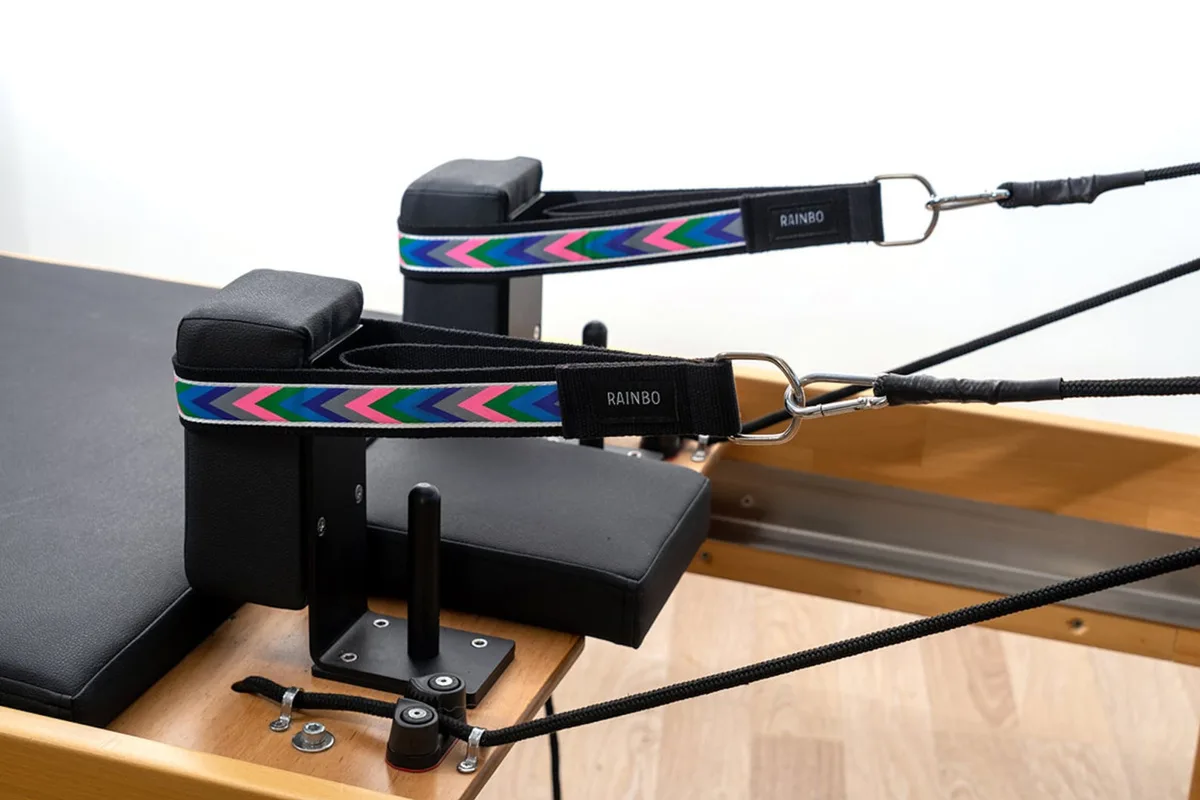
Keeping your Pilates equipment sanitary protects both your clients and your upholstery from sweat, body oils, and grime. Knowing how to clean reformer handles properly prevents bacteria buildup without stripping the fibers or cracking delicate grip materials. Whether you run a busy commercial studio or own a single home reformer, routine maintenance keeps your gear safe and functional.
Equipment standards from leading apparatus makers show that improper chemical use can reduce strap tensile strength by up to 40 percent. High friction and sweat salts weaken load-bearing stitching over time if left untreated. Understanding the right cleaning protocol for your specific hardware ensures your setup remains safe through daily workouts.
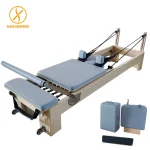
Image source: Web (Bing) / etsy.com (Web image (fair-use with source credit))
Quick Answer
Learn how to clean reformer handles by identifying the exact strap material first. Wipe synthetic webbing and foam grips with mild soap and warm water. Never submerge metal hardware or raw leather straps in water.
Machine wash cotton loops inside a mesh bag on a gentle cycle. Let all handles air-dry completely before attaching them back to the reformer.
The Anatomy of Reformer Handles and Why Cleaning Them Wrong Destroys Them
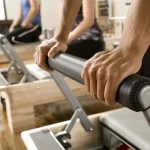
Reformer handles endure constant friction, body heat, and mechanical tension. A standard handle assembly includes woven fabric or leather, metal D-rings, and heavy box-x stitching. Each of these components reacts differently to moisture and cleaning chemicals.
Using harsh disinfectants like pure bleach or high-concentration alcohol breaks down synthetic fibers. These chemicals cause nylon and polypropylene to turn brittle under load. Once the fibers degrade, the strap risks snapping during high-tension exercises.
Excess moisture causes its own set of problems. Water trapped under foam grips or inside metal attachment rings leads to hidden rust and mildew. Rust weakens the metal spring clips and discolors the straps.
Cleaning your handles correctly is about balance. You need enough cleaning action to lift body oils and eliminate bacteria. At the same time, you must protect the structural integrity of the load-bearing materials.
Identify Your Handle Material: The Decision Tree Before You Clean
Before applying any cleaning agent, you must identify your handle material. Treating natural leather like synthetic webbing will ruin the finish within weeks.
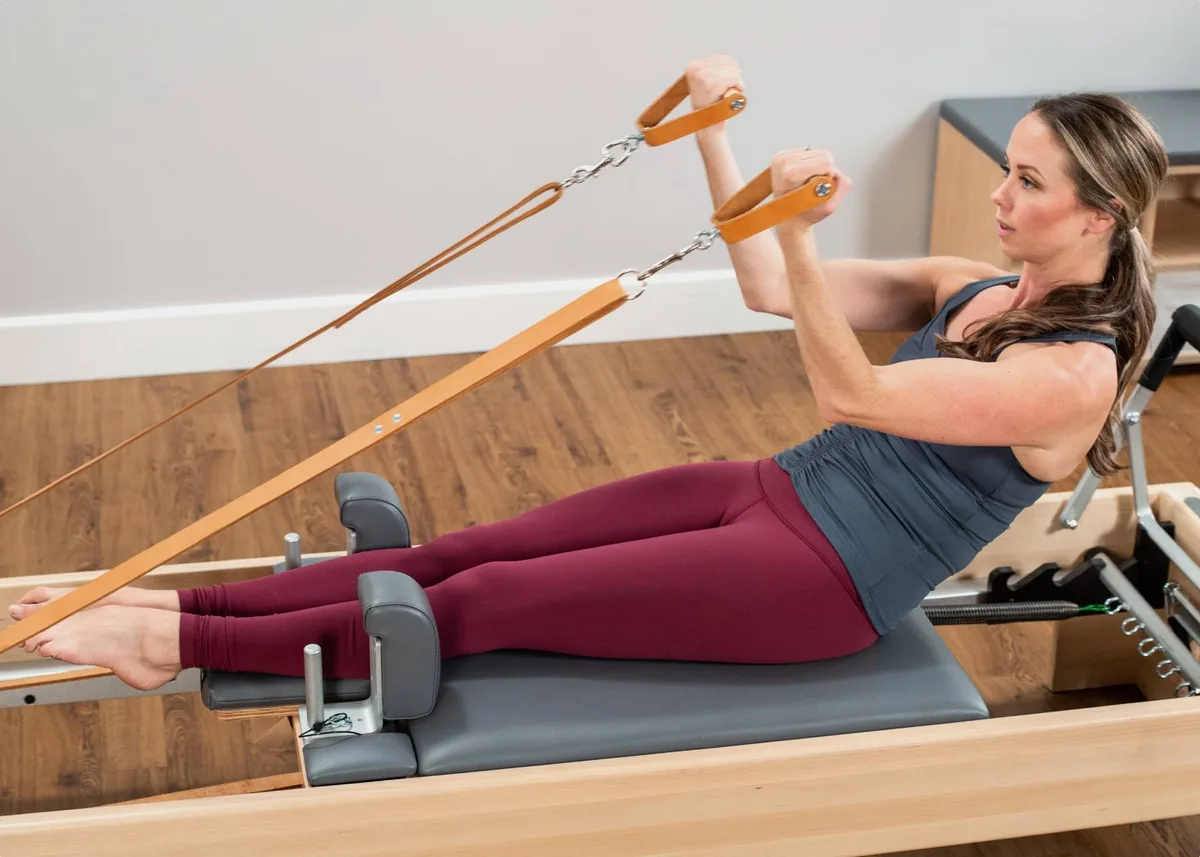
Image source: Bing (Web (fair-use with source credit))
Use this decision workflow to choose the right cleaning approach:
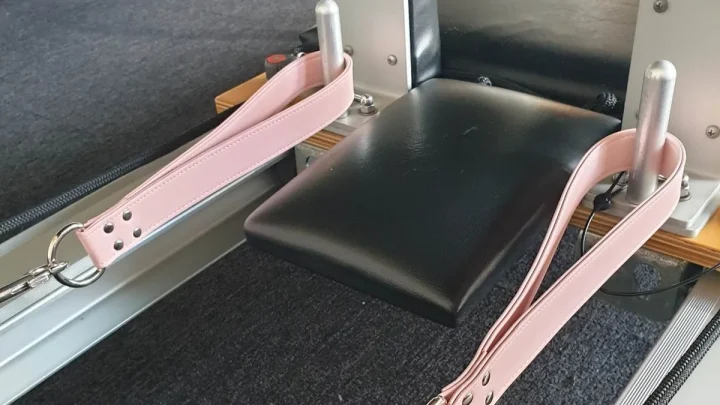
- If your straps are cotton or polyester webbing: Use a gentle soap wash or a machine cycle in a mesh laundry bag.
- If your handles have neoprene or EVA foam padding: Use a damp microfiber cloth with diluted castile soap. Never submerge the foam.
- If your handles use genuine leather or solid wood dowels: Use dedicated saddle soap and a damp cloth. Follow with a leather conditioner.
- If you have wool or fleece covers (fuzzies): Hand-wash in cold water with a wool-safe detergent, then brush the pile flat to dry.
| Handle Material | Safe Cleaners | Cleaners to Avoid | Drying Method |
|---|---|---|---|
| Cotton Webbing | Mild liquid detergent, castile soap | Chlorine bleach, fabric softener | Air-dry flat (12 to 24 hours) |
| Nylon / Polypropylene | Dish soap solution, diluted alcohol (under 30%) | Pure acetone, industrial degreasers | Air-dry away from direct heat |
| EVA / Neoprene Foam | Warm water with gentle soap, disinfectant wipes | Bleach wipes, high-heat air | Towel blot, air-dry (2 to 4 hours) |
| Raw / Top-Grain Leather | Saddle soap, leather balm | Submerged water, alcohol wipes | Air-dry away from sun, buff with cloth |
| Fleece / Fuzzies | Wool-safe detergent, mild baby shampoo | Standard laundry detergent, hot water | Air-dry flat, fluff with bristle brush |
Quick Turnaround vs. Deep Wash: Matching the Method to Your Setting
Studio environments require two distinct cleaning routines. Between back-to-back classes, instructors need a rapid sanitizing routine that dries before the next client arrives. Home users and studio operators also need a scheduled deep-cleaning protocol.
For rapid turnarounds, never spray liquids directly onto the straps. Spraying directly saturates the interior padding and leaves the handle damp for the next user. Instead, lightly mist a microfiber cloth with an equipment-safe cleaner and wipe the surface firmly.
Deep cleaning requires removing the handles completely from the reformer ropes. This allows you to inspect the attachment clips and clean the entire length of the strap.
In our review of commercial studio practices as of 2026, top facilities deep-clean fabric straps every two to four weeks. High-volume studios often keep spare sets of handles on hand. This lets staff swap in clean straps while washed sets dry thoroughly.
Step-by-Step Cleaning Protocols for Every Handle Type
Different materials require specific cleaning steps to prevent damage. Follow the dedicated protocol below for your handle type.
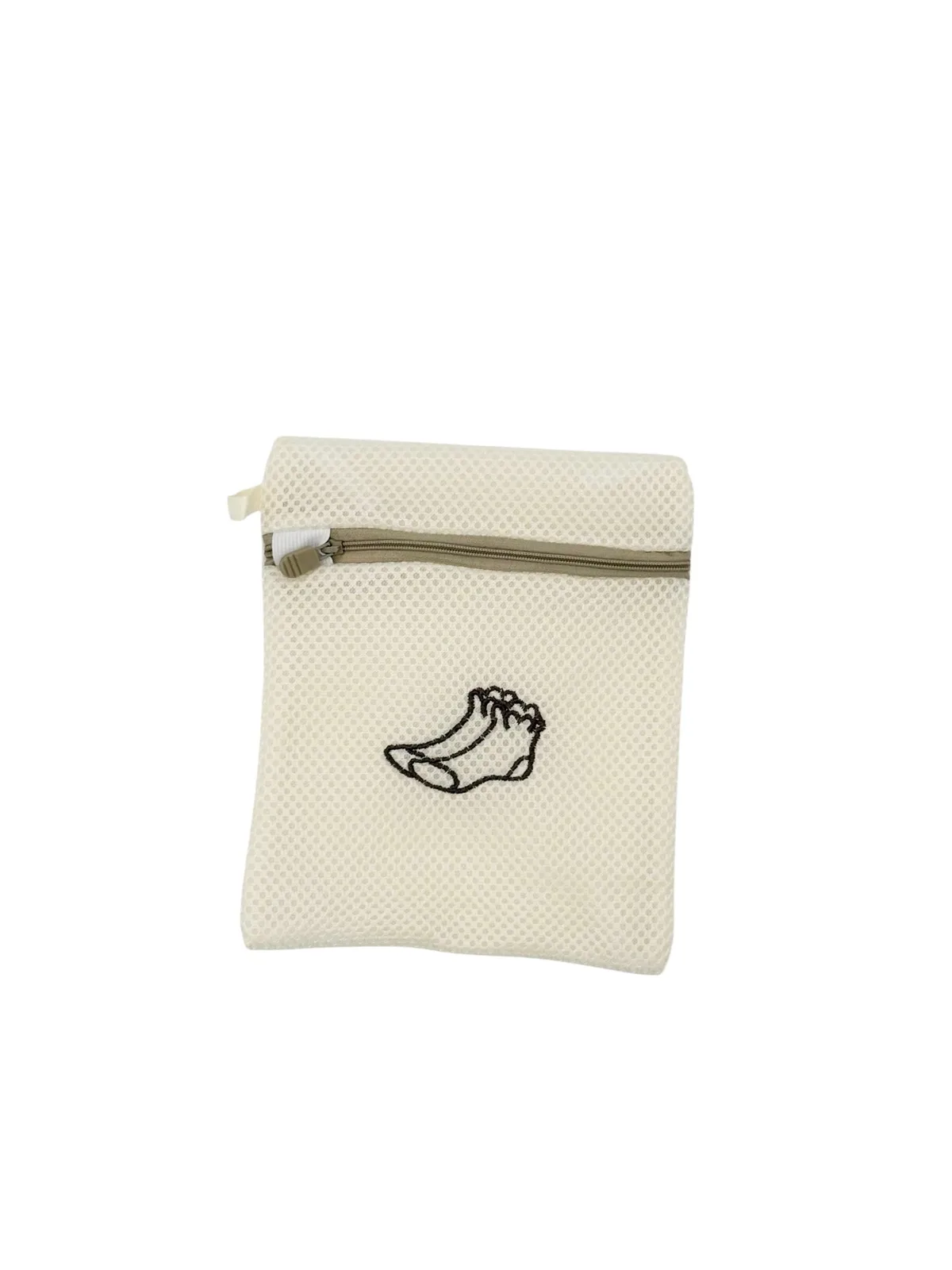
Image source: Bing (Web (fair-use with source credit))
Method A: Fabric and Webbing Straps (Cotton, Polypropylene, and Nylon)
- Unclip the straps from the reformer ropes and inspect the metal D-rings.
- Place the straps inside a zippered mesh laundry wash bag to stop the metal hardware from striking the washer drum.
- Add a small amount of mild, fragrance-free laundry detergent.
- Run a gentle, cold-water cycle.
- Remove the straps promptly and press them between two dry towels to squeeze out excess moisture.
- Lay them flat on a drying rack for 12 to 24 hours.
Method B: Neoprene and Padded Foam Handles
- Mix two drops of mild dish soap into two cups of warm water.
- Dip a microfiber cloth into the soapy water and wring it out until it is barely damp.
- Wipe down the entire foam surface to lift sweat, dirt, and oils.
- Wipe the handle a second time with a clean cloth dampened only with fresh water.
- Press a dry towel firmly around the foam to pull out surface water.
- Let the foam air-dry for at least two hours before the next workout.
Method C: Genuine Leather Straps and Wooden Handles
- Wipe away surface dust with a dry microfiber towel.
- Apply a dime-sized amount of saddle soap to a lightly dampened cloth.
- Rub the soap into the leather using gentle circular motions.
- Wipe away lather and lifted grime with a clean, dry section of the towel.
- Wipe wooden dowel handles with a well-wrung cloth dampened with plain water.
- Apply a thin layer of leather conditioner every three months to prevent dry rotting and cracking.
Method D: Fleece-Lined Fuzzies and Sheepskin Covers
- Detach the fleece covers from the metal frames or webbing loops.
- Fill a basin with cold water and add a teaspoon of wool-safe wash.
- Submerge the covers and gently agitate the water with your hands for two minutes.
- Rinse thoroughly in cold water until all soap residue washes out.
- Press the fleece flat between dry towels without wringing or twisting the fabric.
- Lay flat to dry, then gently brush the fibers with a soft-bristle brush to restore the soft texture.
Common Cleaning Mistakes That Compromise Pilates Equipment Safety
A common mistake is using household disinfectant wipes containing high concentrations of bleach or alcohol. These chemicals strip the natural oils from leather and corrode nylon stitching. Over time, weakened stitching poses a serious safety hazard under full spring tension.
Another frequent error is running straps through a high-heat machine dryer. High heat shrinks cotton webbing and melts the synthetic fibers in nylon straps. Always let your straps air-dry at room temperature.
Tucking damp handles into closed storage cabinets is equally damaging. Trapped moisture invites mold growth and corrodes metal swivel snaps. Always make sure handles are bone-dry before storing them.
Finally, never submerge leather handles or wooden dowels in water. Soaking causes wood to warp and leather to dry rot once the moisture evaporates. Official maintenance manuals from apparatus builders like Balanced Body emphasize gentle surface cleaning for all natural materials to preserve equipment warranties.
Long-Term Maintenance: When to Deep-Clean, Condition, or Retire Handles
Routine surface wiping keeps handles hygienic, but structural components require long-term maintenance. Sweat contains body salts that crystalize deep inside woven fibers. Over months of use, these micro-crystals act like tiny abrasives that wear down internal threads.
Set a schedule based on your usage frequency. Home reformers used three times a week need deep cleaning every two to three months. Commercial studio reformers need deep cleaning every two to four weeks to prevent odor buildup and strap stiffening.
Inspect the structural box-x stitching on every loop at the start of each month. Look for loose thread loops, thinning fabric near the D-rings, or cracking along leather seams. Equipment standards from the Pilates Method Alliance highlight regular hardware and strap inspection as an essential safety protocol.
If you notice frayed edges, brittle leather, or stretched stitch holes, replace the handles immediately. Most commercial studios replace fabric webbing straps every 12 to 24 months. Replacing handles on a fixed schedule costs very little and prevents sudden failures during heavy resistance work.
Frequently Asked Questions About Cleaning Pilates Reformer Handles
Can I put Pilates reformer straps in the washing machine?
Yes, you can machine wash cotton, nylon, and polypropylene straps safely. Always place them inside a zippered mesh laundry wash bag to protect the metal D-rings and the machine drum. Use cold water with a gentle detergent, and always let them air-dry flat.
How often should reformer handles be cleaned in a studio?
Wipe down reformer handles between every single client session using an equipment-safe wipe. Perform a thorough hand wash or machine cycle every two to four weeks. Rotating between two sets of straps makes this routine easy to manage during busy studio hours.
Can you use disinfectant wipes on reformer straps?
You can use mild, alcohol-free disinfectant wipes on synthetic webbing and non-porous handles. Avoid using standard household bleach wipes or high-alcohol wipes. These chemicals dry out foam padding, ruin leather finishes, and degrade structural stitching over time.
How do you get sweat smells out of reformer handles?
Soak washable fabric straps in a solution of warm water and two tablespoons of baking soda for 30 minutes before washing. For foam handles, wipe them thoroughly with a 50/50 mix of distilled water and white vinegar. Let them dry completely in a well-ventilated space.
How do you clean leather reformer straps without drying them out?
Clean leather straps using a damp cloth and specialized saddle soap rather than soaking them in water. Wipe away all soap residue with a clean towel. Apply a dedicated leather conditioner every three months to keep the hide supple and prevent dry rot.
The Studio Owner and Home User Maintenance Checklist
Follow this simple checklist to keep your reformer handles clean, fresh, and structurally sound year-round.
- Daily (After Every Session): Wipe synthetic handles and foam grips with a lightly dampened microfiber cloth. Allow handles to air-dry before stacking or storing the reformer carriage.
- Weekly: Inspect metal carabiners and snap hooks for sticky springs or rust. Wipe down wooden handles with a dry microfiber cloth to remove skin oil buildup.
- Monthly: Check all box-x stitching for loose threads or fraying. Condition genuine leather straps with a light coating of leather balm.
- Quarterly: Deep-clean all fabric straps in a mesh bag using a gentle cold cycle. Rotate secondary strap sets into service to distribute daily wear evenly.
- Annually: Evaluate total webbing wear, stretch, and ring integrity. Replace any handle showing visible thinning, cracking, or hardware corrosion.

Similar Posts