How to Clean Reformer Footbar Padding the Right Way
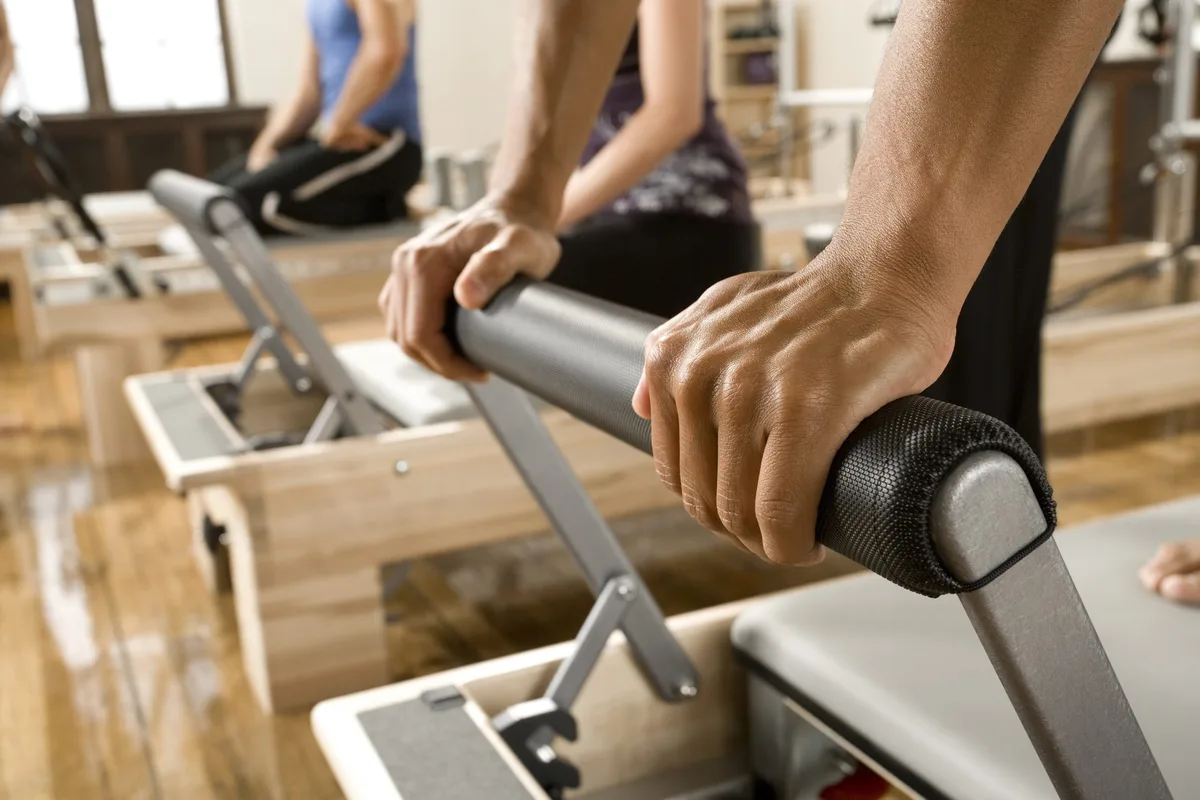
Pilates reformer footbars take direct pressure from bare feet, sweat, and textured grip socks every single session. Learning how to clean reformer footbar padding correctly protects your expensive upholstery and prevents dangerous slipping during loaded footwork. Most studio owners grab standard gym wipes, but harsh sanitizers destroy the surface fast.
According to manufacturer maintenance specifications from commercial builders like Balanced Body, harsh chemicals strip vital plasticizers from vinyl padding in under six months. As of 2026, proper studio care protocols focus on gentle degreasing and targeted disinfectants to preserve surface grip and padding life. Let's look at why your footbar needs specialized care.
Image source: Bing (Web (fair-use with source credit))
Quick Answer
To learn how to clean reformer footbar padding safely, use mild dish soap and warm water. Wipe the bar with a damp microfiber cloth. Never soak the underlying foam core.
For disinfection, use a diluted hypochlorous acid spray. Dry the surface completely with a clean towel to restore traction.
Why Footbar Padding Needs a Different Cleaning Approach Than the Rest of Your Reformer
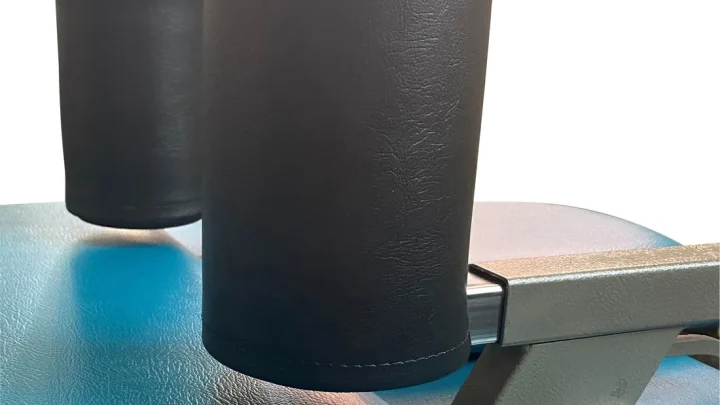
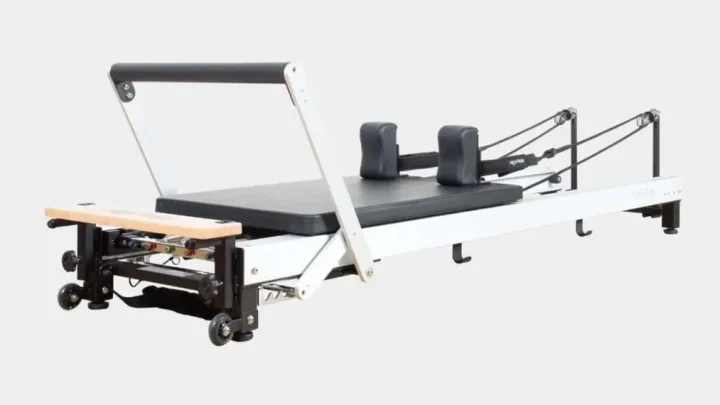
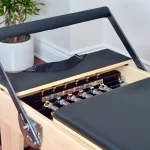
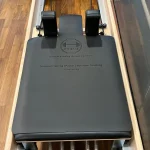
Your reformer carriage upholstery rests flat on a supportive wooden deck. Footbar padding behaves differently. It wraps tightly around curved metal tubing under constant physical tension.
When clients perform weight-bearing moves like the Elephant, Planks, or Tendon Stretch, their full body weight presses directly into this curved seam. Sweat, body lotions, and foot calluses work deep into the material grains.
Standard gym equipment cleaners contain heavy alcohols or silicone lubricants. Silicone makes a footbar dangerously slick. Alcohol dries out the curved vinyl, leading to premature cracking right where the user places their hands and feet.
Identify Your Footbar Material: Vinyl, Foam Sleeve, or Rubber Grip
Before you apply any cleaning solution, check what wraps your footbar frame. Different materials tolerate moisture and cleaning chemicals in different ways.
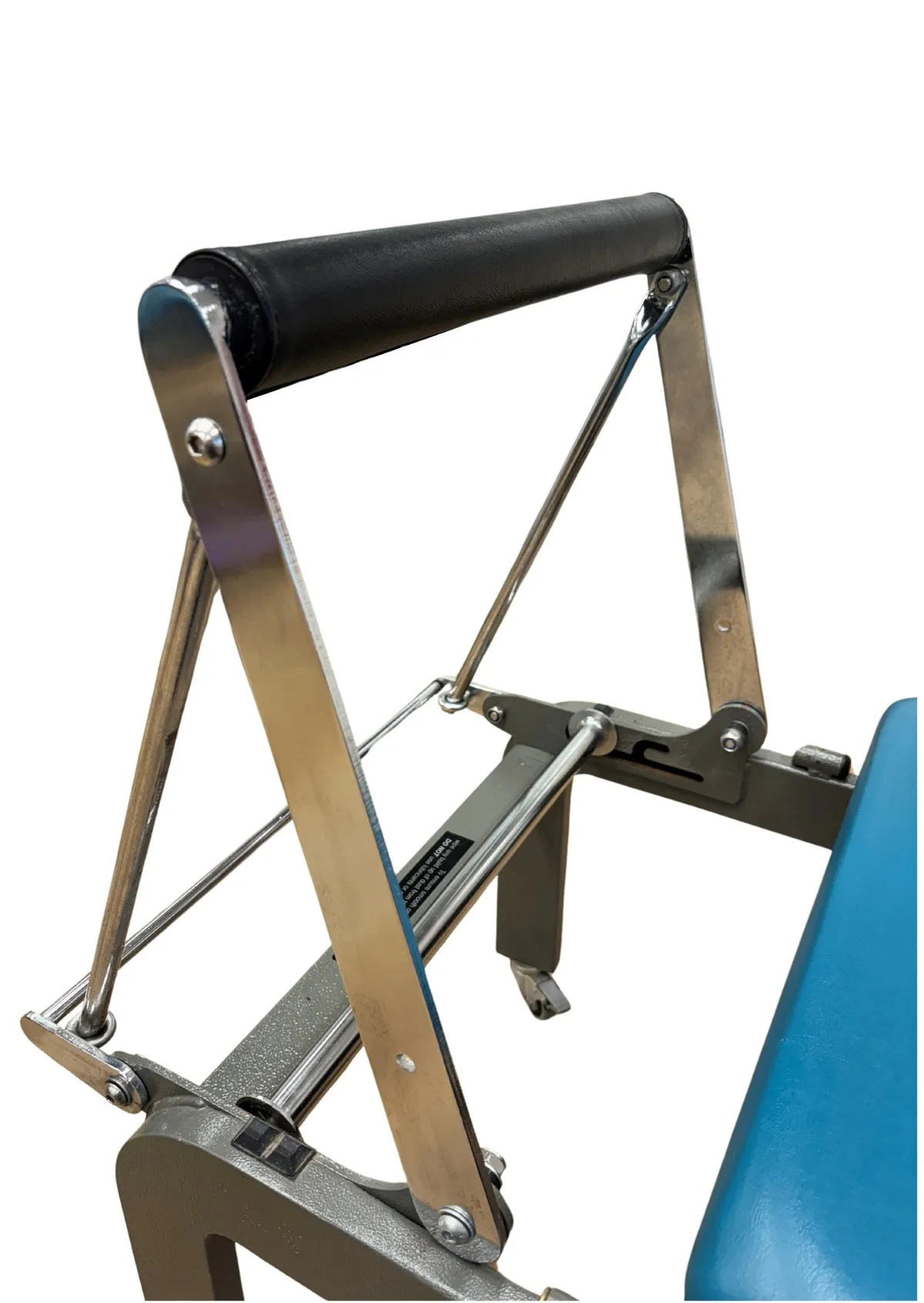
Image source: Bing (Web (fair-use with source credit))
Most commercial reformers use one of three materials:
- Marine-grade vinyl: Heavy-duty, smooth or textured vinyl stitched over dense foam padding, often secured with zippers or hook-and-loop fasteners.
- Extruded foam sleeves: Dense, seamless closed-cell nitrile or EVA foam tubes slipped directly over the steel bar.
- Rubber or silicone grip wraps: Textured, non-porous wraps engineered specifically for heavy traction and moisture resistance.
| Material Type | Common Reformer Models | Cleaning Sensitivity | Primary Risk |
|---|---|---|---|
| Marine-grade Vinyl | Studio Reformer, Merrithew SPX | Moderate | Chemical cracking along seams |
| Closed-cell Foam Sleeve | Balanced Body Allegro, Rialto | High (absorbent seams) | Internal waterlogging and mildew |
| Textured Rubber Wrap | Commercial custom frames | Low | Residue buildup causing slickness |
Safe Cleaners vs. Destructive Chemicals: What Actually Works
Never clean your footbar with undiluted bleach, high-proof rubbing alcohol, or ammonia. These harsh chemicals leach the plasticizers out of commercial vinyl. The material becomes brittle, discolors, and splits along the seam lines.
In our research, the safest daily sanitizer is hypochlorous acid (HOCl) diluted to 100 to 200 ppm. HOCl is registered on the EPA List N for pathogen control, yet it remains gentle on sensitive vinyl and rubber surfaces.
For regular cleaning, warm distilled water mixed with a single drop of mild, unscented dish soap works best. Avoid essential oil sprays. Tea tree and lavender oils smell nice, but they leave an oily barrier on the padding that turns dangerous during standing exercises.
The Decision Workflow: Matching Your Cleaning Method to the Situation
Your cleaning method should match the exact task at hand. Follow this workflow to keep your equipment clean without over-saturating the padding core.
Step 1: Rapid Turnaround Between Clients (Sanitizing Without Slaying Vinyl)
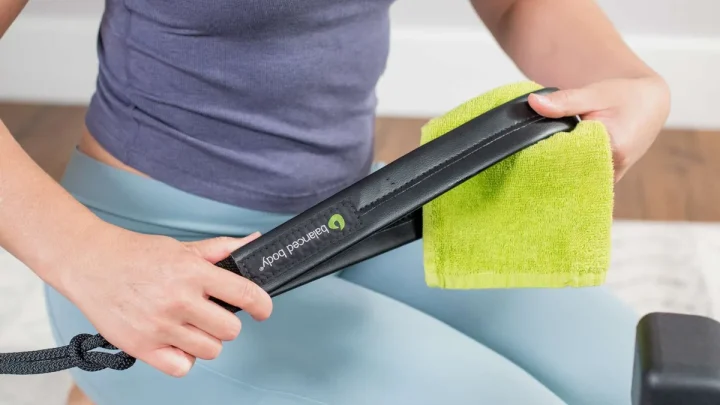
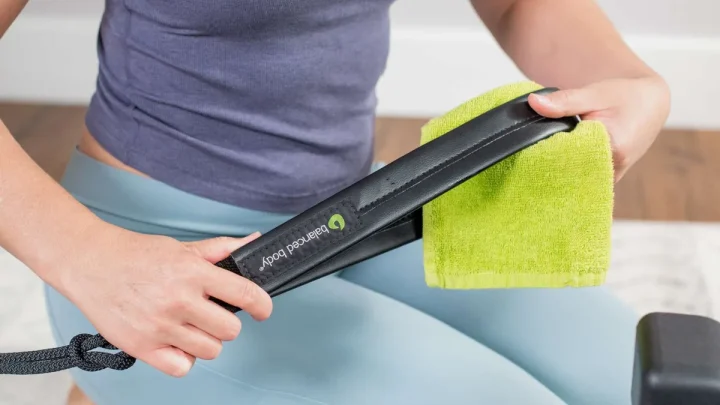
Between back-to-back group classes, speed and hygiene matter most. Lightly mist a clean microfiber cloth with a safe hypochlorous acid solution.
Wipe down the contact area of the footbar. Never spray liquid directly onto the bar itself. Excess moisture runs down the seams and enters the foam core.
Allow the bar to air-dry for 30 seconds, then wipe it once with a dry towel to ensure perfect traction.
Step 2: Weekly Deep Clean (Degreasing Sweat, Sock Lint, and Skin Oils)
Once a week, remove the invisible layer of skin oils and sock lint that builds up on the bar. Mix one teaspoon of gentle dish soap into a quart of warm water.
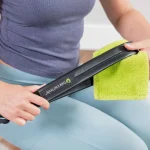
Dip a microfiber cloth into the soapy solution and wring it out until it is barely damp. Firmly wipe the entire circumference of the bar, paying close attention to stitched seams. Follow immediately with a clean water rinse wipe to remove soap film, then buff completely dry.
Step 3: Emergency Stain and Odor Removal
If a footbar develops body odor or dirty grip sock transfer, do not use solvent cleaners. Create a light paste of baking soda and warm water.
Rub the paste gently over the stained vinyl with a soft cloth. Let it sit for two minutes to pull out odors. Wipe away all paste residue with a damp cloth, then dry the footbar thoroughly.
Step-by-Step Cleaning Process for Maximum Hygiene and Grip
Follow these six steps for a complete, damage-free footbar clean.
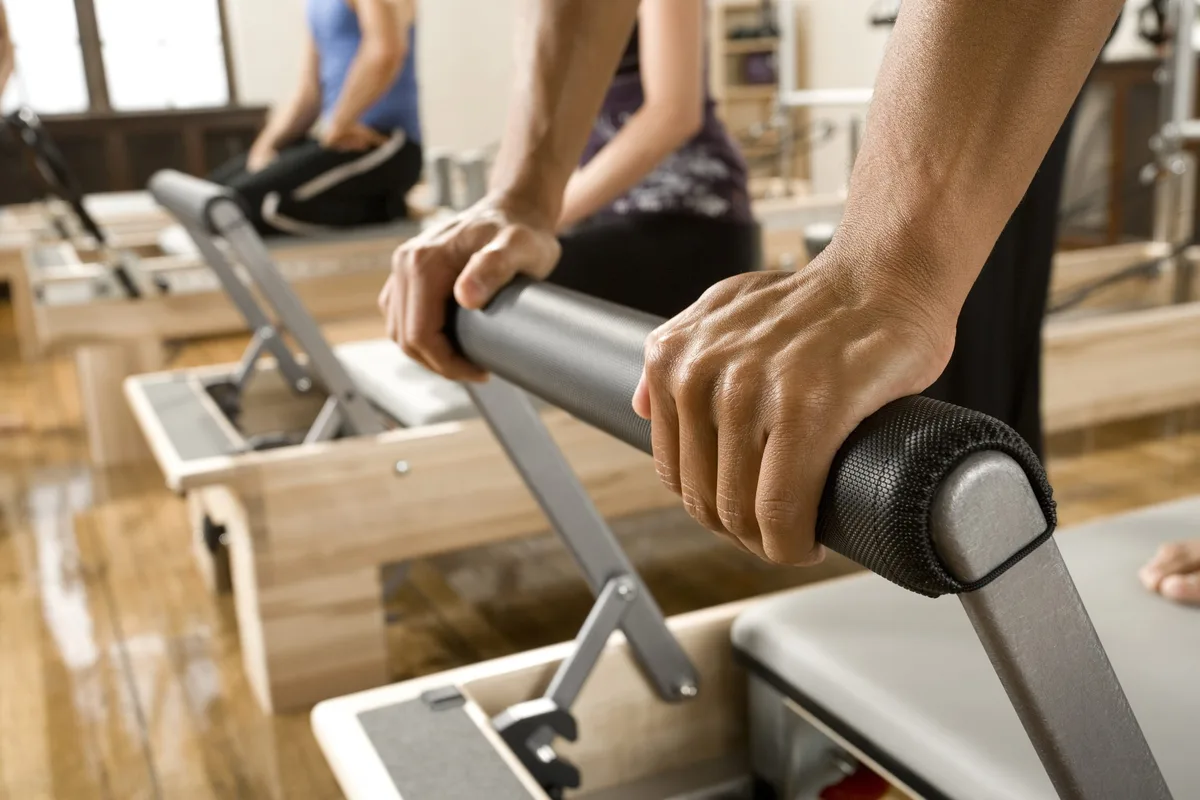
Image source: Bing (Web (fair-use with source credit))
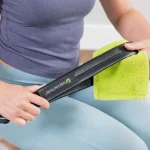
- Remove surface debris: Run a lint roller or a dry microfiber cloth over the bar to pick up loose grip sock fibers, hair, and dust.
- Prepare your cleaning solution: Mix a 1:100 ratio of mild liquid soap to warm water in a spray bottle.
- Dampen your cloth: Spray your cleaning cloth two to three times. The cloth should feel slightly damp, never dripping wet.
- Clean the surface: Wipe down the entire length of the footbar padding using firm, circular motions to lift body oils out of the vinyl grain.
- Rinse away surfactants: Take a separate cloth dampened only with plain water and wipe the bar again to remove all leftover soap residue.
- Buff dry for traction: Use a dry, clean microfiber towel to dry the footbar completely before anyone uses the machine.
Critical Mistakes That Cause Slippery Bars, Cracked Vinyl, and Rotted Foam
The biggest mistake studio owners make is spraying liquids directly onto the footbar. Liquid seeps through needle holes in stitched seams and saturates the underlying foam. Once moisture is trapped inside dense foam, mold develops and rots the core from the inside out.
Another common error is using standard antibacterial gym wipes. Most of these wipes contain heavy concentrations of alcohol or citrus solvents. These chemicals strip away the vinyl's protective topcoat, leaving the padding brittle and prone to peeling within months.
Finally, skipping the dry-buff step ruins foot traction. Even safe soaps leave behind surfactant films when left to air-dry. This microscopic residue turns slick the moment a client with sweaty grip socks steps onto the bar.
Routine Maintenance Schedule and When to Replace the Padding
A consistent cleaning routine preserves your reformer padding and keeps clients safe. High-volume commercial studios need a tighter protocol than home users.
- After every session: Wipe with a barely damp hypochlorous acid cloth, then dry buff.
- End of each week: Degrease with a mild dish soap solution and clean water rinse.
- Monthly inspection: Check seam stitching, zipper tension, and padding firmness.
Even with flawless care, footbar padding does not last forever. High-density EVA foam breaks down over time under heavy body weight.
Replace your padding immediately if you feel the metal bar through the top cushion. You should also replace it if the vinyl shows deep spiderweb cracks, or if the foam feels squishy and slow to rebound. A worn-out pad compromises joint alignment during heavy footwork exercises.
Frequently Asked Questions About Cleaning Reformer Footbars
Can I use Clorox or Lysol wipes on my reformer footbar?
No, avoid standard household disinfectant wipes on reformer footbars. These wipes contain high levels of alcohol, bleach, or harsh ammonium compounds. They dry out marine-grade vinyl, causing it to crack, fade, and peel along the seams.
How do I remove slippery residue from my footbar padding?
To remove slick residue, wipe the padding with a cloth dampened in warm water and a drop of dish soap. Follow with a clean water wipe to remove the soap film. Finish by buffing the bar thoroughly dry with a clean microfiber towel.
Can I wash removable footbar padded covers in a washing machine?
Only machine-wash removable covers if the manufacturer specifically labels them as machine-washable fabric. Vinyl covers with built-in foam should never go in a washing machine. Clean them by hand using a damp cloth and mild soap to protect the foam structure.
How often should I deep clean my reformer footbar?
Deep clean your footbar padding once a week in a commercial studio setting. For home reformers used by one person, a deep clean every two to four weeks is plenty. Wipe down the surface after every single workout.

Similar Posts