How to Choose the Right Replacement Reformer Rope
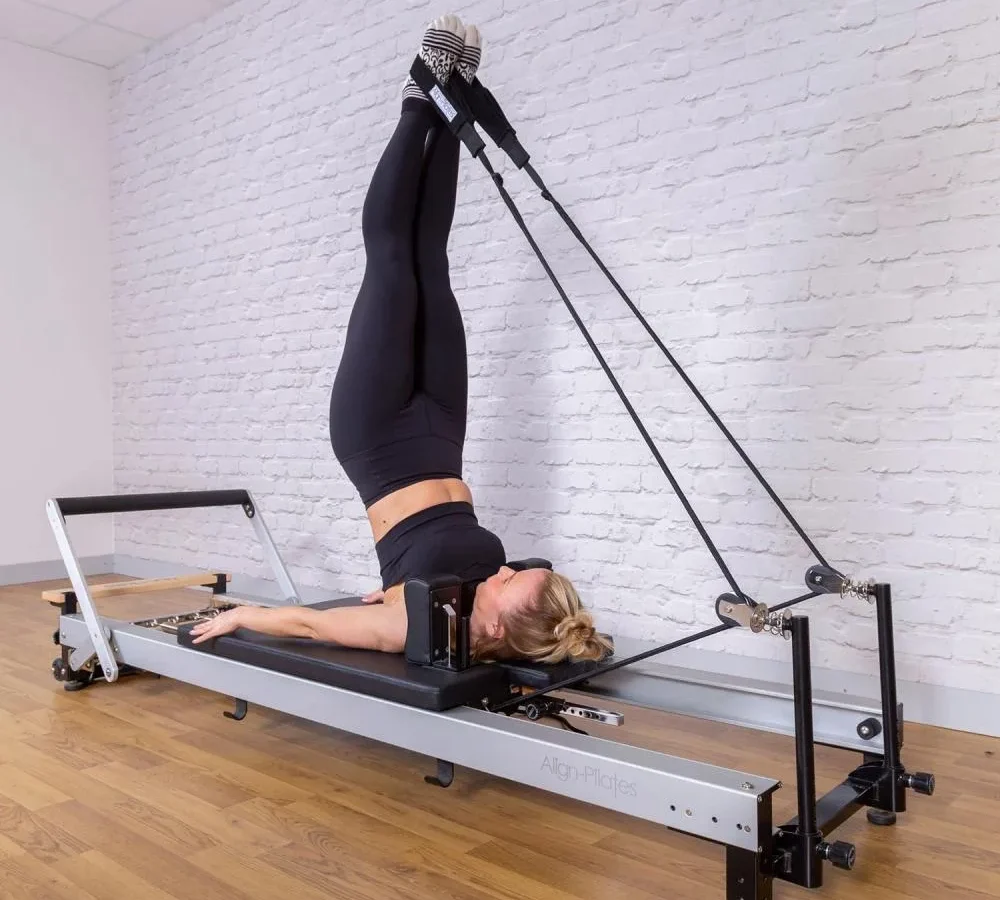
Frayed cords, sticky pulleys, and uneven carriage tension ruin a good Pilates session. Learning how to choose replacement reformer rope saves your machine from jerky movement and prevents sudden breaks during heavy spring loads. A proper rope setup keeps your carriage gliding quietly and protects your joints from unstable resistance.
Manufacturer specifications indicate that high-grade reformers rely on low-stretch cordage tested to strict dynamic load thresholds. Standard fitness equipment guidelines from bodies like ASTM International emphasize static line integrity under load. Using the right marine-grade polyester cord ensures your equipment meets these exact safety and performance demands.
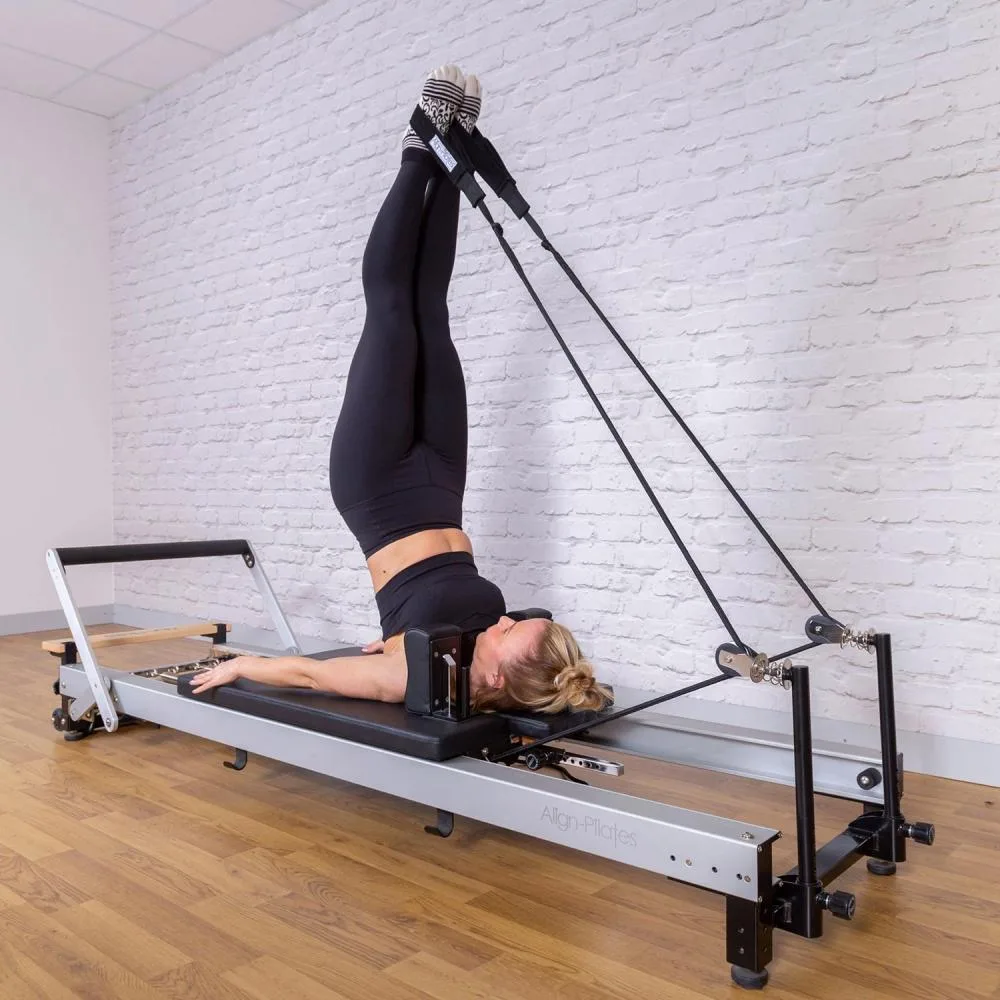
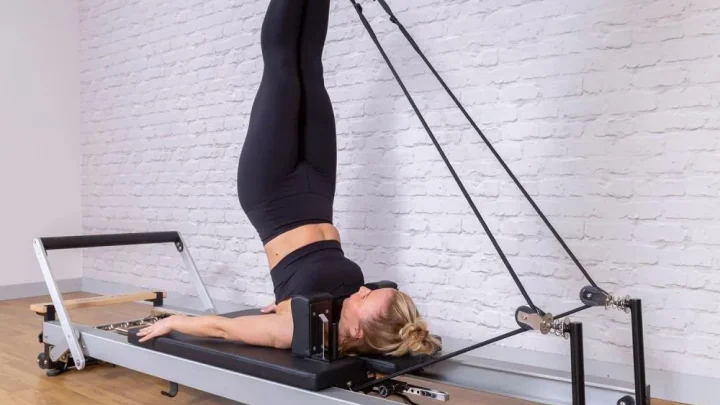
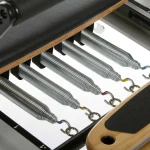
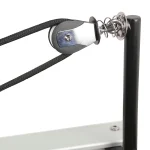
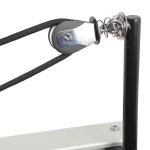
Image source: Web (Bing) / bodynova.de (Web image (fair-use with source credit))
Quick Answer
To choose replacement reformer rope, match your frame's required diameter and pick double-braid marine polyester. Most studio reformers require 8 mm or 10 mm low-stretch line. Avoid hardware store nylon because it stretches under spring tension.
Confirm that the rope fits your cam cleats securely without slipping.
Why Reformer Ropes Fail (and What Happens When You Pick the Wrong One)
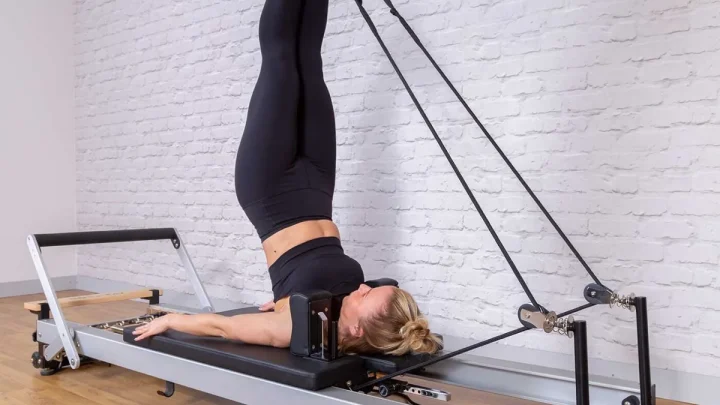
Reformer ropes take continuous cyclic stress. Every carriage press stretches the fibers across the pulley wheels. Over time, internal friction breaks down the inner core long before the outer jacket looks frayed.
The Hidden Risks of Rope Stretch and Core Degradation
Standard utility cord stretches under tension. When a rope stretches, it alters your spring resistance curve. The carriage loses tension at the start of the stroke, causing uneven resistance during leg presses or long spine work.
Worse, elastic ropes store kinetic energy. If a stretchy line snaps under tension, the hardware recoils violently toward the user. Low-stretch static ropes fail much more predictably and safely.
Cleat Slippage vs. Cleat Jamming: The Mechanical Friction Problem
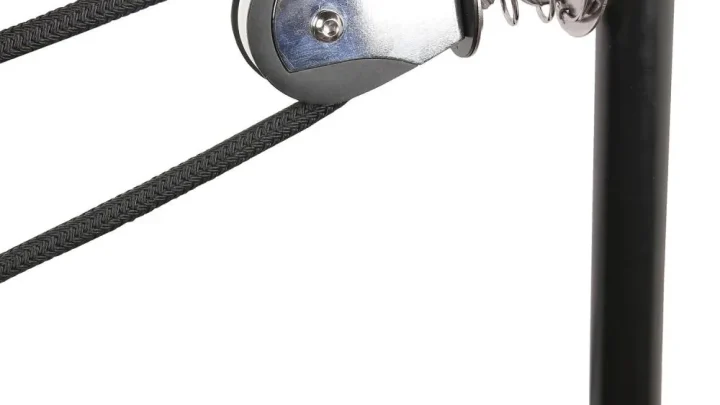
Your rope interacts directly with mechanical cam cleats or post stoppers. If the cord is too thin, the cleat teeth cannot bite into the sheath. The rope slips during high-load exercises like chest expansion.
If the cord is too thick or stiff, it jams inside the cleat jaws. That makes quick adjustments between exercises frustrating and slow. Matching the outer weave to the cleat profile is critical for smooth studio flow.
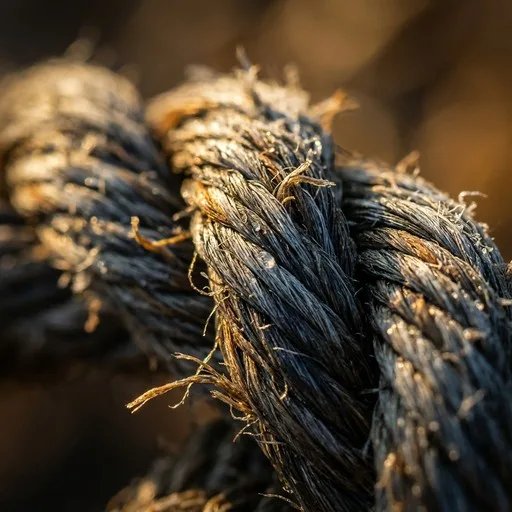
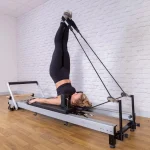
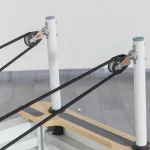
Image source: Web (Bing) / ropeservicesuk.com (Web image (fair-use with source credit))
Key Variables: The Specs That Determine Your Replacement Rope
Selecting the correct cordage comes down to three measurable engineering factors: weave construction, outer diameter, and static stretch rating.
Rope Construction: Why Double-Braid Marine Polyester Rules
Pilates equipment builders use double-braid polyester, also known as yachting braid. This construction features a braided polyester core wrapped inside a braided polyester cover.
Per cordage standards from the Cordage Institute, polyester offers high abrasion resistance against pulley sheaves. It resists moisture, handles sweat, and maintains its round shape under heavy crushing loads inside cam cleats.
Diameter Dilemma: 8 mm vs. 10 mm (5/16" vs. 3/8")
Reformer pulleys and cleats are machined for specific rope gauges. The two universal industry standards are 8 mm (approximately 5/16 inch) and 10 mm (approximately 3/8 inch).
- 8 mm (5/16 in): Common on older wood reformers, compact home units, and specific European frames. Fits narrow pulley sheaves and smaller nautical cam cleats.
- 10 mm (3/8 in): Standard on most modern commercial studio reformers. Provides a thicker, softer grip for hands and fits wide-jaw cam cleats.
- 9.5 mm (3/8 in light): Used by select manufacturers for a balance between grip comfort and smooth cleat release.
Working Load Limits and Elongation Ratings
Pilates exercises generate moderate working loads, but shock loads occur when a carriage hits the stopper. Your replacement rope should have a minimum breaking strength of at least 1,500 lbs (6.6 kN).
Look for an elongation rating below 2.5% at working load. Low-stretch lines ensure that your spring adjustments stay true and the carriage responds immediately to user movement.
Decision Tree: Matching the Right Rope to Your Reformer Brand
Different manufacturers engineer their pulley risers and rope locks around specific line tolerances. Use this breakdown to identify your exact brand needs as of 2026.
Is your reformer commercial or home-grade?
 │
 ├── Balanced Body (Studio, Allegro, Allegro 2, Rialto)
 │    └── Choose: 10 mm (3/8") Double-Braid Polyester (Soft Weave)
 │
 ├── Merrithew / STOTT (V2 Max, SPX Series)
 │    └── Choose: 8 mm to 9.5 mm Marine Polyester with Eyelet / Cleat Spec
 │
 ├── Peak Pilates (fit, Total, Casa)
 │    └── Choose: 9.5 mm or 10 mm Low-Stretch Line with Swivel Snaps
 │
 └── Traditional / Classical (Gratz, Basil)
      └── If rope conversion: 8 mm or Traditional Leather Straps
Balanced Body Models (Allegro, Allegro 2, Studio Reformer)
Balanced Body frames generally use 10 mm (3/8 inch) soft-hand double-braid polyester. The cam cleats on the Allegro and Studio lines are sized for this diameter.
The Allegro 2 features a specialized internal rope adjustment system inside the carriage. For this unit, select soft polyester rope to ensure smooth travel through the internal reel guides.
Merrithew / STOTT PILATES (V2 Max, SPX Series)
Merrithew reformers utilize high-precision pulleys and quick-adjusting cleat tracks. Most commercial V2 Max models operate best on 8 mm to 9.5 mm marine cordage.
Using a full 10 mm stiff cord on an SPX frame can cause drag inside the pulley housing. Stick to a supple, flexible 8 mm or 9 mm polyester line.
Peak Pilates, Basi Systems, and Home-Use Reformers
Peak Pilates reformers generally employ 9.5 mm to 10 mm lines equipped with swivel clips. Basi Systems uses premium smooth-running marine lines paired with adjustable risers.
For home-brand reformers, inspect the pulley groove with a digital caliper. If the pulley groove is 8 mm wide, forcing a 10 mm rope into it causes severe friction and premature sheath wear.
Quick-Reference Compatibility Table
| Brand / Model Series | Recommended Diameter | Standard Length (Per Side) | Recommended Material |
|---|---|---|---|
| Balanced Body Studio / Allegro | 10 mm (3/8") | 9 ft to 10 ft | Double-braid polyester |
| Balanced Body Allegro 2 | 10 mm (3/8") | 11 ft to 12 ft | Soft-touch double-braid |
| Merrithew V2 Max / SPX | 8 mm to 9.5 mm | 8.5 ft to 9.5 ft | Marine-grade polyester |
| Peak Pilates fit / Casa | 9.5 mm (3/8") | 9 ft to 10 ft | Low-stretch yachting line |
| Generic Home Reformers | 8 mm (5/16") | 8 ft to 9 ft | Static polyester braid |
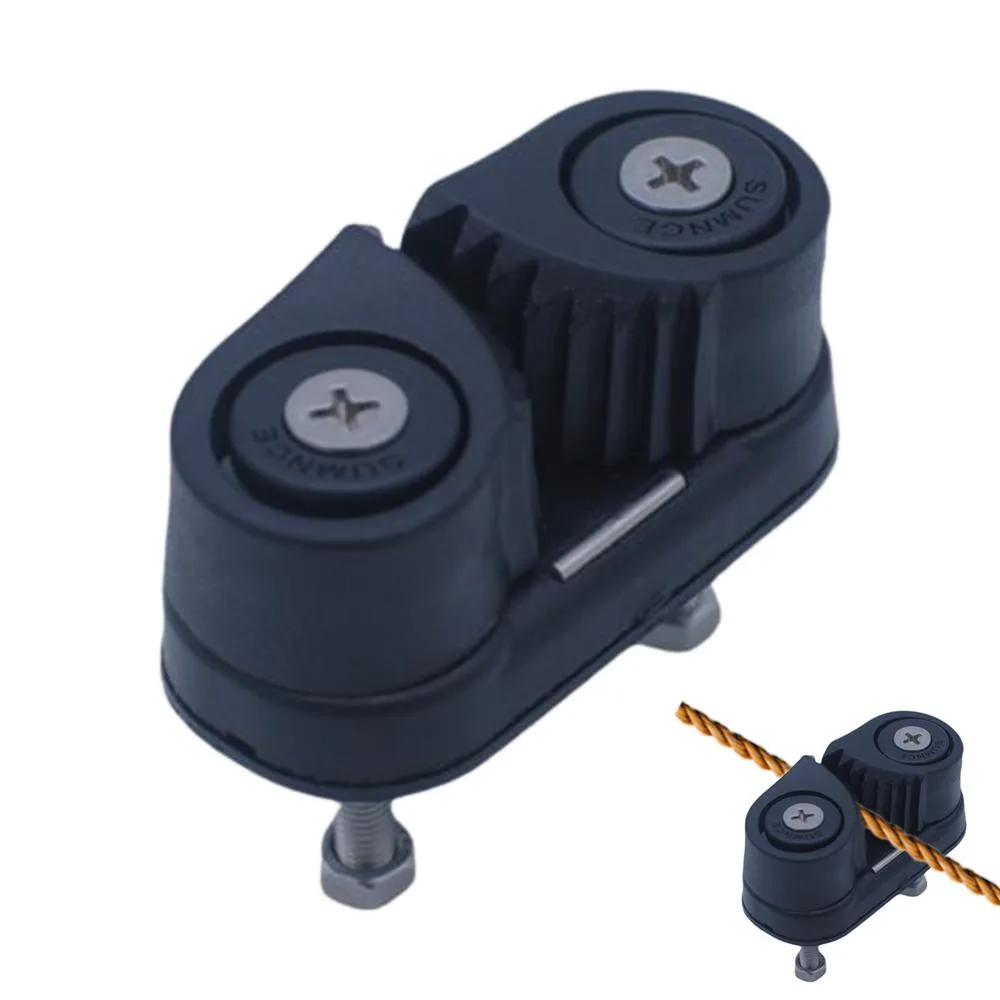
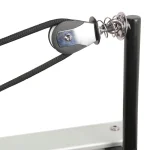
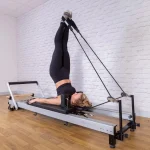
Image source: Web (Bing) / align-pilates.com (Web image (fair-use with source credit))
Step-by-Step Workflow: How to Measure, Cut, and Install Replacement Ropes
Replacing your ropes is a simple maintenance job when you follow an orderly sequence. Prepare a measuring tape, sharp shears, a lighter or heat gun, and masking tape.
Step 1: Taking Precise Measurements (Length and Caliper Width)
Unthread one of your existing ropes and lay it flat on the floor without pulling or stretching it. Measure from the loop end to the tail end. Add 12 inches to this measurement to allow for knots and cleat tails.
If you do not have the old ropes, set your carriage against the home stopper. Measure from the carriage cleat, through the pulley riser wheel, and down to the shoulder rest. Double that distance and add 2 feet for working length.
Step 2: Clean Cutting and Sealing the Core Ends
Wrap tightly wound masking tape around the cut point on your new rope spool. This keeps the outer braid from unraveling while cutting.
Use sharp shears to cut through the center of the taped section. Immediately apply heat using a butane torch or lighter until the inner core and outer sheath melt into a solid, rounded cap. Let it cool completely before removing the tape.
Step 3: Routing Through Pulleys and Rigging the Cam Cleats
Thread the clean, sealed rope tail through the pulley wheel from the top down. Ensure the line sits directly inside the center wheel groove without catching on the riser guard.
Route the tail into the cam cleat on the carriage frame. Pull the line through until your handle loop rests at the shoulder rest or preferred resting position.
Step 4: Calibrating Even Carriage Alignment and Performing Load Checks
Even rope length is essential for balanced training. Clip both handles onto the ropes and pull them tight against the carriage frame.
- Set the carriage against the home position with all springs attached.
- Pull both ropes until the handle clips touch the back of the shoulder rests.
- Lock both lines firmly into the cam cleats at the exact same tension point.
- Release the springs and perform three full carriage extensions to set the cleat grip.
Common Mistakes That Ruin Reformer Ropes (and How to Avoid Them)
Small errors in material choice or setup can quickly ruin your lines and damage machine hardware.
Using Hardware-Store Nylon or Polypropylene Cord
Never buy yellow polypropylene or generic hardware store nylon. Polypropylene flattens under pressure, degrades rapidly, and melts from pulley friction.
Nylon stretches significantly under body weight. It creates a rubber-band effect that compromises core stability exercises and ruins the spring resistance profile.
Neglecting Sheave Wear and Pulley Riser Misalignment
A rough or cracked pulley wheel destroys a brand-new rope in weeks. Before installing fresh lines, spin each pulley wheel by hand. Check for smooth bearing rotation and inspect the inner plastic groove for burrs.
Ensure your pulley risers point directly toward the carriage cleats. Misaligned risers cause the rope to rub against the metal pulley housing, shredding the outer braid.
Over-Tightening and Chemical Degradation from Cleaning Sprays
Aggressive disinfectant sprays cause synthetic fibers to dry out and stiffen. When sanitizing your reformer carriage, avoid spraying alcohol or bleach solutions directly onto the ropes.
Wipe down ropes using a lightly damp microfiber cloth with mild soapy water only. Allow the lines to air-dry fully before locking them under load.
Frequently Asked Questions About Reformer Ropes
How often should you replace Pilates reformer ropes?
Commercial studios should replace reformer ropes every 12 to 24 months based on class volume. Home users can typically wait 3 to 5 years. Inspect your lines monthly.
Replace them immediately if you notice fraying, flat spots in the core, or persistent slipping inside the cleats.
Can I use rock climbing rope on a Pilates reformer?
No, you should never use dynamic rock climbing rope on a reformer. Climbing ropes are intentionally engineered to stretch to absorb fall impacts. That elasticity alters spring resistance and ruins carriage control.
You need low-stretch static cordage such as double-braid marine polyester.
How do I know if my reformer uses 8 mm or 10 mm rope?
The most reliable method is measuring your current rope with a digital caliper without squeezing the fibers. You can also check your manufacturer service manual. An 8 mm line measures roughly 5/16 inch across, while a 10 mm line measures roughly 3/8 inch.
Why are my new reformer ropes squeaking in the pulleys?
Squeaking usually means the rope is slightly too thick for the pulley wheel groove. The outer braid rubs against the side flanges rather than sitting cleanly in the base channel. Dirty pulley bearings or misaligned riser brackets can also produce squeaking under load.
Do I need special tools to replace reformer ropes?
No specialized tools are required. You only need heavy-duty shears, a measuring tape, masking tape, and a lighter to heat-seal the raw ends. A digital caliper helps confirm your line diameter before ordering bulk cordage.
Decision Guide: Pre-Packaged OEM Kits vs. Bulk Marine Spools
Deciding between factory replacement kits and bulk marine spools depends on your budget, your maintenance skills, and how many machines you manage.
How many reformers are you servicing?
 │
 ├── 1 to 2 Reformers (Home or Private Studio)
 │    └── Buy: Pre-Packaged OEM Kits
 │         • Pre-cut to factory spec
 │         • Pre-installed hardware clips
 │         • Zero guesswork on diameter
 │
 └── 3+ Reformers (Commercial Studio or Clinic)
      └── Buy: Bulk Spool of Marine Double-Braid Polyester
           • Huge cost savings per foot
           • Custom lengths for taller clients
           • Requires cutting and heat-sealing
Pre-Packaged OEM Kits
Original Equipment Manufacturer (OEM) kits come pre-cut to exact factory lengths. Many include pre-stitched eye loops or attached stainless steel snap hooks.
- Best for: Home users and single-machine boutique owners who want a fast, guaranteed fit without measuring or melting rope ends.
- Drawback: Significantly higher cost per foot compared to raw cordage.
Bulk Marine Spools
Buying a 100-foot or 200-foot spool of marine double-braid polyester from a sailing supplier delivers the exact same cordage at a fraction of the price.
- Best for: Busy commercial studios, physical therapy clinics, and equipment technicians maintaining multiple frames.
- Drawback: You must measure, cut, seal, and rig the attachment hardware yourself.
If you own a single studio frame, an OEM kit offers foolproof convenience. If you run a multi-bed studio, mastering DIY spool replacement cuts your annual maintenance overhead dramatically while keeping your reformers rolling smooth, safe, and quiet.

Similar Posts