How Much Should Pilates Reformer Ropes Stretch?
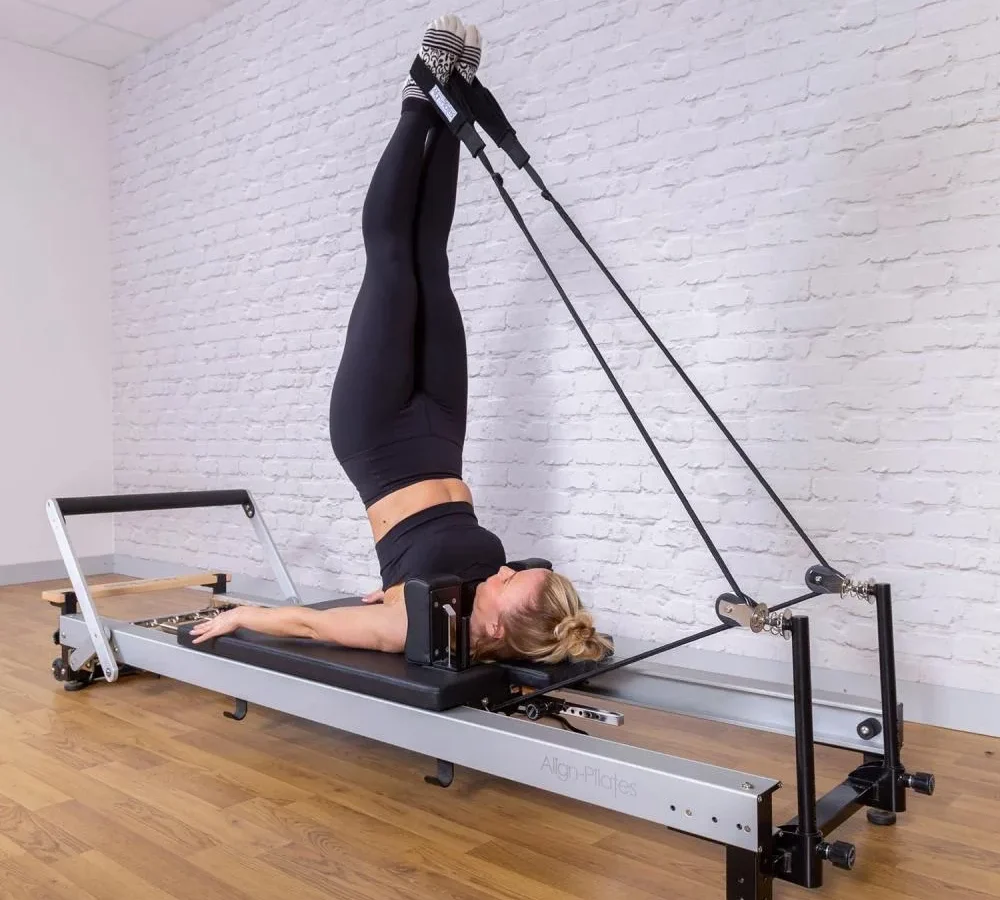
If you feel a spongy lag when you push against the footbar, you might wonder how much should a reformer rope stretch during exercise. The direct answer is simple: your ropes should have virtually zero stretch. Pilates cordage is designed as a static line, acting as an unyielding extension of your limbs.
Any elastic give dulls the precision of your movement and changes how the machine loads your muscles.
Per ASTM International standards for Pilates apparatus, safe resistance must come entirely from calibrated carriage springs. Quality synthetic reformer ropes elongate by less than one percent under standard working loads. When a rope gives way under tension, it compromises your spinal alignment and reduces the effectiveness of your workout.
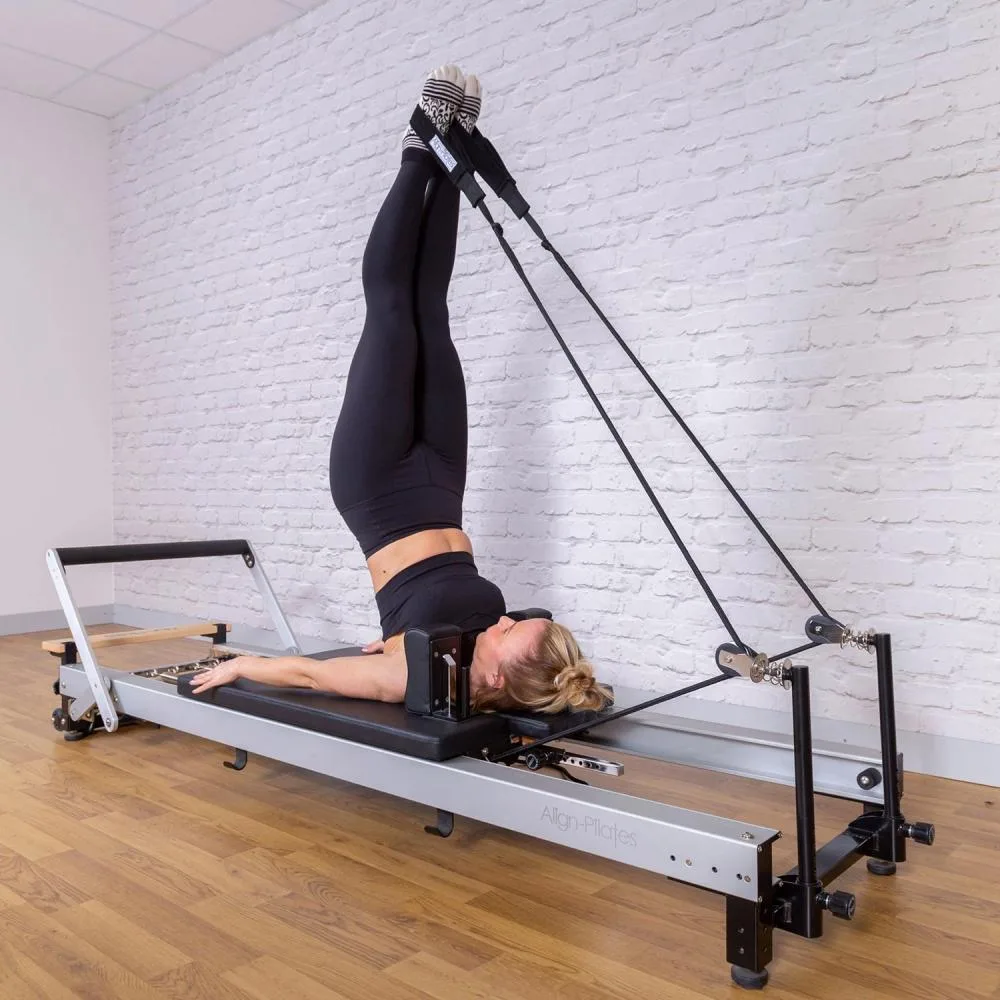
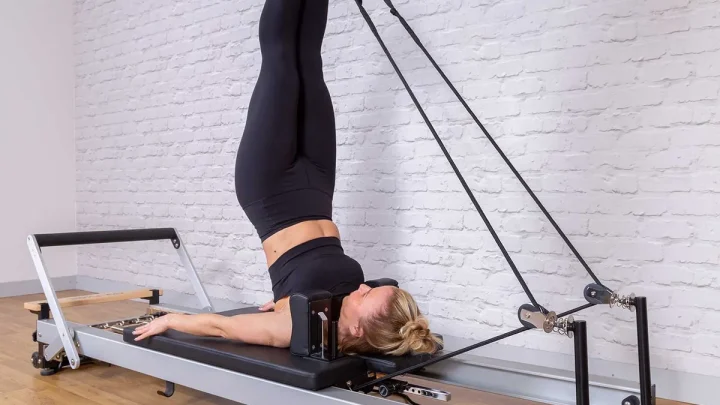
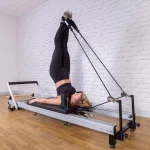
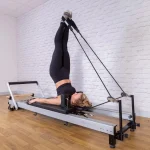
Image source: Web (Bing) / bodynova.de (Web image (fair-use with source credit))
Quick Answer
A reformer rope should not stretch during normal exercise. It is a static line. It should have less than one percent elongation under full body weight.
Reformer springs provide all the elastic resistance. Any noticeable rope stretch creates poor alignment and reduces control.
The Short Answer: Why Reformer Ropes Shouldn't Stretch
Reformer ropes must remain rigid because they act as direct transmitters of force. When you pull the straps, you are moving a carriage against spring resistance. If the rope stretches like a bungee cord, the carriage responds late.
That delay breaks the smooth resistance curve you need for controlled movement.
Dynamic ropes, like those used in rock climbing, absorb shock by stretching up to 30 percent. In contrast, Pilates equipment relies on static cordage. Static lines keep your carriage travel predictable.
They ensure that whether you are doing a chest expansion or a single-leg press, your effort translates directly to the springs.
When ropes stretch, several biomechanical problems occur:
- Your joints lose stable tactile feedback at the start of each rep.
- Carriage movement becomes jerky instead of continuous.
- Core stabilization muscles fire late because the resistance hits suddenly rather than progressively.
- The carriage may fail to return completely to the home stopper.
The Mechanics of Pilates Cordage: Ropes vs. Springs
To understand why ropes must stay static, look at how the machine divides mechanical work. The springs supply variable resistance based on displacement. The further you push the carriage, the more the springs resist.
This progressive load requires a solid, unyielding tether between your hands and the carriage frame.
If you introduce an elastic rope into this system, you create two conflicting resistance curves. The rope stretches first because it takes less force than moving the carriage. Once the rope reaches its tension limit, the carriage springs finally engage.
This double-stage pull ruins the fluid feel of classical exercises.
| Component | Target Elasticity | Primary Function | Common Material |
|---|---|---|---|
| Carriage Springs | Dynamic (100% of stretch) | Creates progressive resistance | Nickel-plated or stainless steel |
| Reformer Ropes | Static (under 1% elongation) | Transfers force without flexing | Double-braided polyester / HMPE core |
| Leather Straps | Static (under 2% elongation) | Classical force transfer | Pre-stretched saddle leather |
| Extension Loops | Static | Anchors hands and feet | Cotton webbing or nylon |
Quality cordage maintains its length under heavy loads. As documented by the Cordage Institute, static polyester lines feature high dimensional stability. This material choice guarantees that the springs, not the tethers, govern your range of motion.
Troubleshooting Sponginess: The Reformer Diagnostic Workflow
When a reformer feels soft or loose, instructors and home users often blame rope elasticity. In reality, modern synthetic ropes rarely stretch on their own without visible damage. Sponginess usually stems from hardware issues or improper setup.
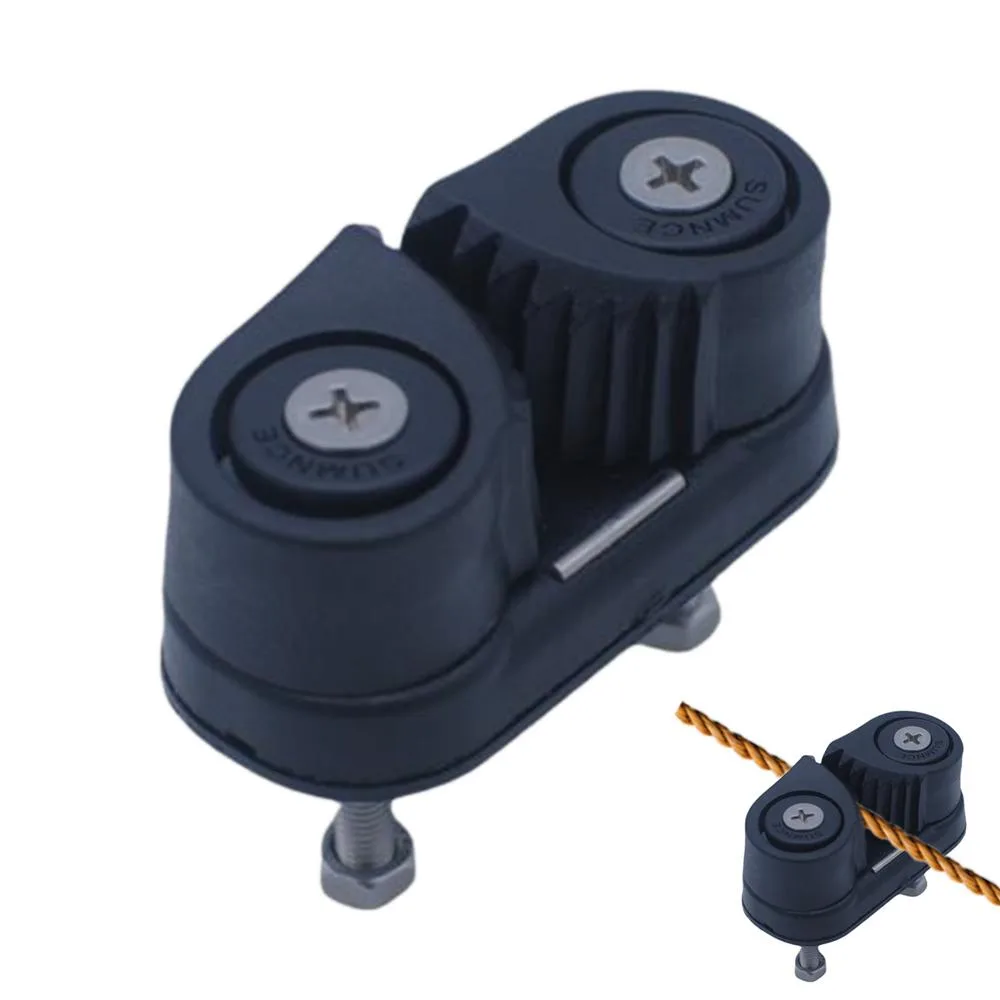
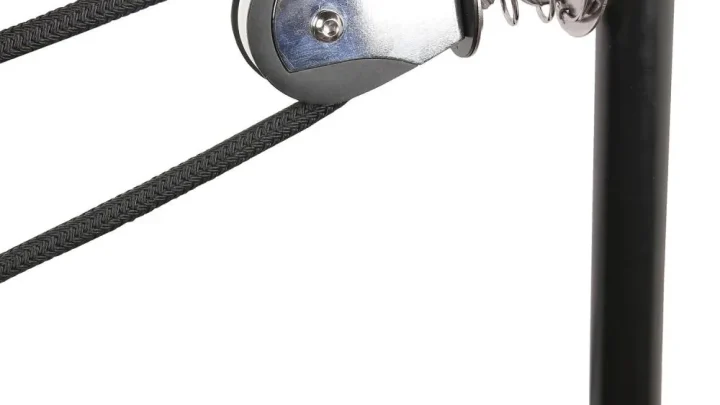
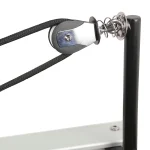
Image source: Web (Bing) / aliexpress.com (Web image (fair-use with source credit))
Follow this diagnostic workflow to find and fix the true source of rope slack:
- Step 1: Check the Cam Cleat Bite. Inspect where the rope locks behind the carriage. If the cleat teeth are clogged with lint or worn smooth, the rope will slip a fraction of an inch under tension. This slippage feels exactly like rope stretch.
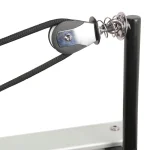
- Step 2: Inspect Pulley Alignment. Look at the swivel pulleys on your risers. If a pulley wheel is sticking or dragging, the rope will bind before freeing up. Clean the bearings if the wheel does not turn freely.
- Step 3: Check Spring Engagement. Ensure all active springs are fully seated in their gear bar slots. A spring resting halfway on a hook will flex unevenly and mimic a stretchy cord.
- Step 4: Measure Bilateral Length. Pull both loops to the center of the carriage. If one loop sits higher than the other, re-lock your cleats so the handles align perfectly.
- Step 5: Test Rope Core Integrity. Pinch the rope along its entire length. If you find flat spots or soft pockets, the inner core has snapped. Replace the rope immediately.
Synthetic Double-Braid vs. Traditional Leather Straps
Modern commercial reformers rely on double-braided synthetic lines, while classical apparatus uses thick leather straps. Both systems aim for zero functional stretch, but they behave differently over time.
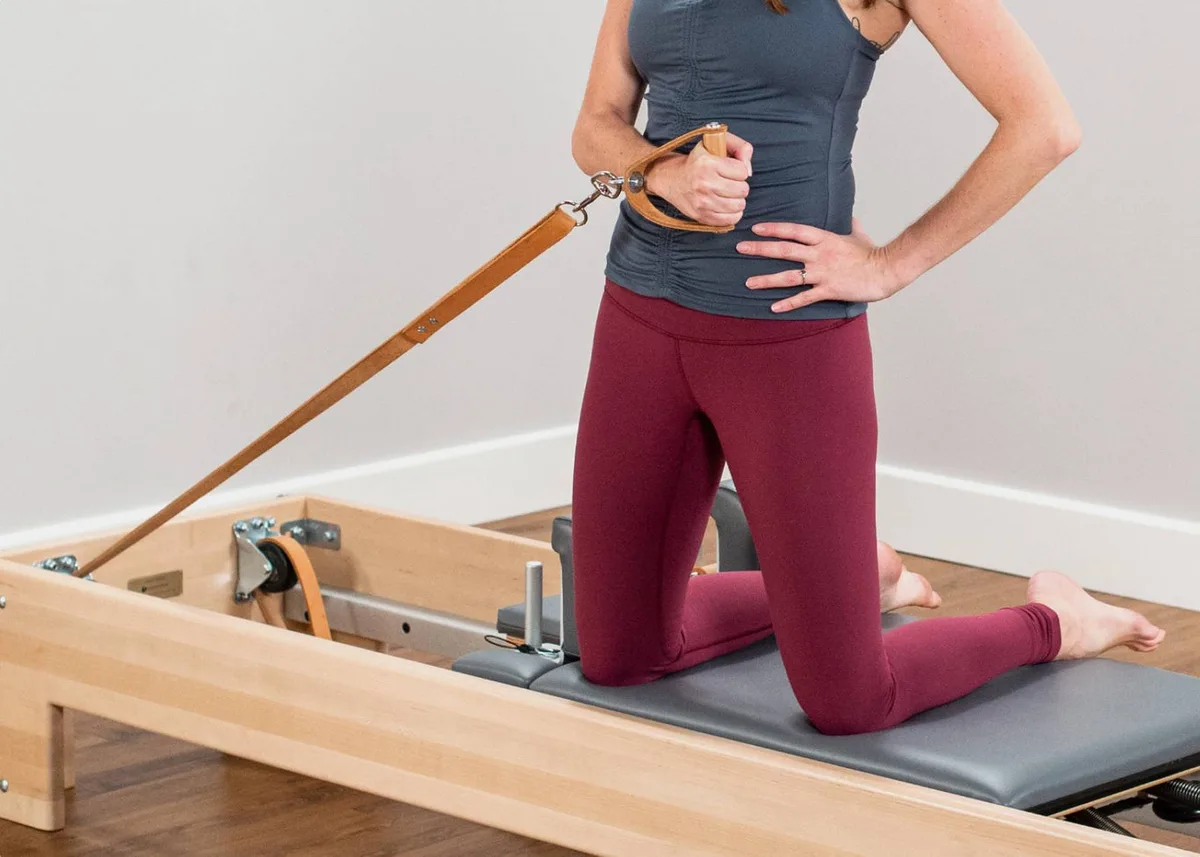
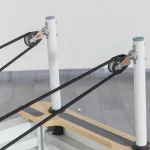
Image source: Bing (Web (fair-use with source credit))
Synthetic ropes use a polyester or high-modulus polyethylene core protected by a woven outer sheath. As of 2026, premium studio reformers use these cords because they resist moisture, withstand continuous friction, and hold zero creep. They stay the exact same length whether you train in a humid basement or an air-conditioned studio.
Traditional leather straps offer a firmer, direct feel favored in classical Pilates. Unstretched saddle leather has minimal give, but it can stretch slightly over its first few months of heavy use. Leather also reacts to humidity changes and requires regular conditioning to prevent cracking.
Synthetic lines suit busy multi-user studios because they adjust instantly through cam cleats. Leather straps require manual buckle adjustments. For most home users, synthetic cordage is the practical choice due to its low maintenance and complete resistance to permanent stretching.
Step-by-Step Calibration: How to Set and Balance Rope Tension
Balancing your reformer ropes takes less than five minutes and guarantees symmetrical resistance across both sides of your body. Perform this calibration monthly or whenever your carriage tracking feels off.
- Park the Carriage. Attach at least two heavy springs to lock the carriage firmly against the front bumper. Make sure the carriage cannot drift while you work.
- Release Both Cam Cleats. Open the locking cams and pull a generous amount of slack through the eyelets. Let both loops rest flat on the carriage pad.
- Set the Loop Position. Lay your handles or double loops side by side against the shoulder rests. The metal clips or top stitch lines of both loops should touch the forward edge of the shoulder pads.
- Pull Ropes Taut. Hold both ropes behind the carriage frame. Pull them evenly until all slack disappears from the pulley risers.
- Lock the Cleats Firmly. Push the ropes down into the cam cleat teeth until the cams bite securely. Tug the loops firmly from the front to confirm the teeth do not slip.
- Perform the Zero-Slack Tug Test. Grab both straps and pull them forward three inches. The carriage should move the exact millisecond your hands apply tension. If the ropes yield before the carriage moves, re-tighten the line.
Signs of Wear, Cleat Slippage, and Replacement Timelines
Reformer cordage degrades through continuous mechanical friction inside cleats and pulleys. A compromised rope loses its structural firmness. It will stretch unpredictably under body weight before snapping completely.
Inspect the outer polyester sheath for fuzzy abrasions and fraying. If the white inner core fibers poke through the colored weave, the sheath is compromised. Core herniation causes dangerous elongation under heavy loads and requires immediate line retirement.
Cam cleat wear presents a serious safety risk. The grip teeth on aluminum or composite cleats round off over years of use. If the teeth slip during weight-bearing moves like the Long Stretch, the carriage can shoot backward and cause abrupt falls.
Use these standard replacement schedules based on equipment usage:
- Commercial studios: Inspect lines monthly. Replace ropes every 12 to 24 months.
- Physical therapy clinics: Inspect lines bi-weekly. Replace cordage every 12 months.
- Home reformers: Inspect lines every six months. Replace cordage every 3 to 5 years.
- Immediate replacement: Swap out the line the moment you detect flat spots, core separation, or persistent cleat slippage.
Frequently Asked Questions About Reformer Ropes
Can I use dynamic climbing rope on my reformer?
No, dynamic climbing ropes are designed to stretch up to 30 percent to absorb fall impacts. Using dynamic rope creates loose, unstable carriage travel and ruins the spring resistance curve. Always choose low-stretch, static double-braided polyester line or marine cordage.
Why does one reformer rope feel longer than the other?
Ropes often slip unevenly inside the cam cleats after asymmetric single-arm or single-leg pulling work. Measure both straps against the shoulder rests to check alignment. Re-cleat the ropes firmly so both loops sit at the identical forward reference point.
How often should I replace my reformer ropes?
Commercial Pilates studios should replace ropes every 12 to 24 months depending on class volume. Home users can keep the same ropes for 3 to 5 years. Replace any line immediately if you notice fraying, flat spots, or slippage inside the cleat teeth.
Do reformer ropes stretch more in hot weather?
Synthetic polyester ropes do not stretch noticeably from ambient room heat or humidity changes. Traditional leather straps will soften and expand slightly in warm, humid conditions. Keep leather apparatus in a climate-controlled room to prevent dimensional shifts.
What diameter rope should I buy for a Pilates reformer?
Most modern commercial reformers use ropes between 8 mm and 9.5 mm (5/16 inch to 3/8 inch) in diameter. This thickness fits securely into standard cam cleats without binding inside the riser pulleys. Always check your manufacturer manual before buying replacement lines.

Similar Posts