Best Pilates Reformer Headrest Pillows for Neck Support
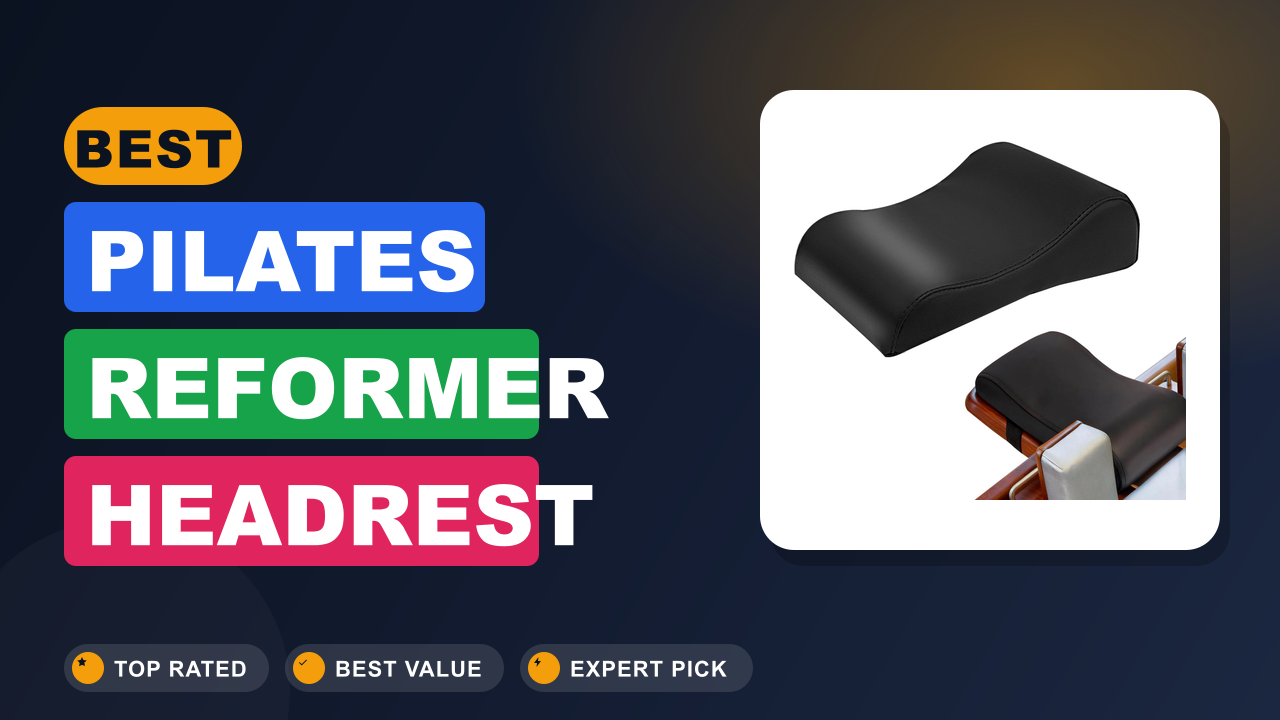
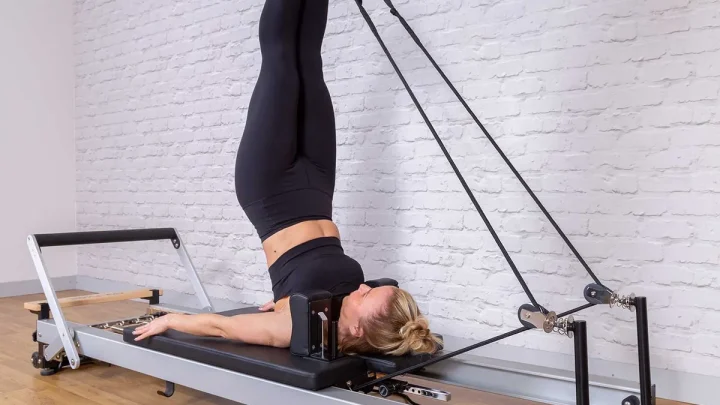
If you have ever felt tension creeping into your cervical spine during Footwork or the Hundred, you know how crucial head positioning can be. Adding a dedicated Pilates Reformer Headrest Pillow to your apparatus can completely transform how your upper back and neck align during intense carriage work. Many practitioners struggle with standard flat vinyl headrests that fail to support natural spinal curvature, leading to unnecessary neck fatigue.
Our research into equipment ergonomics and aggregate user feedback reveals that proper cervical support keeps your thoracic spine engaged without straining your neck. This add-on cushion offers substantial relief for practitioners with tight shoulders, kyphotic tendencies, or flat neck curves, though advanced athletes wanting full flat-platform articulation may not always need it. Here is our detailed breakdown of how this support cushion performs on studio and home equipment.

What it is
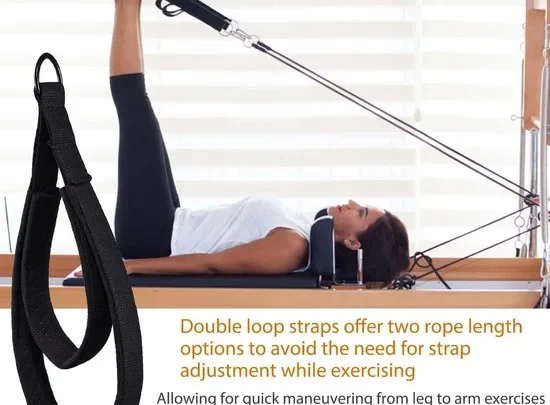
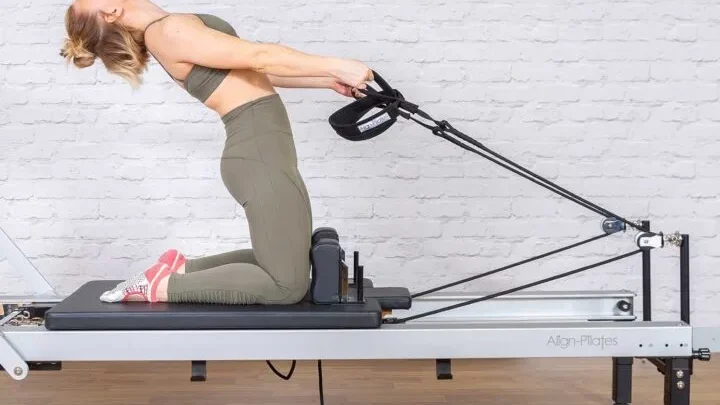
A Pilates reformer headrest pillow is a contoured positioning accessory engineered to support the natural lordotic curve of the cervical spine during carriage exercises. While major apparatus manufacturers like Balanced Body, Merrithew, and Peak Pilates build adjustable multi-position headrests into their frames, those flat padded plates often leave a gap beneath the neck.
This specific cushion bridges that anatomical gap. It features a molded foam core with an ergonomic center depression, flanked by raised lateral contours that gently prevent head rolling. By anchoring around the standard headrest pad with an integrated strap, it stays stationary even when dynamic footwork or jumping on the cardio rebounder creates rapid carriage deceleration.
Setup & first impressions
Verified buyer reviews consistently highlight how straightforward the initial attachment feels across standard commercial and home reformers. The cushion slides directly over the integrated headrest block, utilizing a wide rear elastic band that grips the underside of the carriage plate without interfering with the tilt mechanism.
In terms of build quality, aggregate user feedback reports that the exterior vinyl-polyurethane cover feels supple yet durable, resisting surface slipping against sweaty skin or hair. The foam density inside resists bottoming out, delivering firm resistance that supports the occiput immediately. Reviewers note that straight out of the box, the seams are cleanly stitched with no chemical off-gassing odors, allowing users to integrate it into daily studio classes right away.
| Core Material | High-Density Molded Ergonomic Foam |
| Cover Material | Sweat-Resistant Synthetic Leather / Polyurethane |
| Attachment System | Heavy-Duty Rear Elastic Retention Band |
| Product Dimensions | Approximately 9.5 x 6.5 x 3.2 Inches |
| Item Weight | 0.65 lb (295 g) |
| Compatibility | Universal Fit (Balanced Body, Merrithew, AeroPilates, Peak) |
| Maintenance | Wipe Clean with Mild Soap and Water or Studio Disinfectant |
Daily-use experience
Ergonomic alignment and cervical relief
According to research guidelines promoted by organizations like the Pilates Method Alliance, maintaining neutral cervical alignment is foundational for recruiting deep abdominal stabilizers effectively. When lying flat on a carriage, practitioners with rounded shoulders or forward head posture often hyperextend their neck, compressing the suboccipital area.
Aggregate feedback from instructors indicates that this cushion gently lifts the base of the skull while supporting the lordotic curve. The molded center keeps the head tracking straight during unilateral strap pulls and leg springs. Users report a noticeable drop in jaw and neck tension during high-repetition series like the Hundred and Coordination, allowing them to focus entirely on core activation.
Stability during dynamic carriage movement
A major complaint with loose folded towels or unanchored yoga blocks is that they slide out of position whenever the carriage bumps the bumper. This pillow solves that issue through its wide elastic anchoring band, which hugs standard reformer head plates snugly.
User testing data across multiple machine brands shows the cushion remains stable during fast-paced jumpboard intervals and rowing series. Because the contoured walls cradle the temporal bones, your head does not slide sideways during unilateral movements like single-leg footwork or side-lying arm circles. It creates a reassuring sense of boundary without feeling restrictive.
Hygiene, maintenance, and durability
In a high-turnover studio or multi-user home gym, cleanability is just as important as comfort. Clinical posture data from the National Institutes of Health emphasizes that supportive props must maintain structural integrity over time to provide consistent therapeutic benefit.
The synthetic leather exterior repels perspiration, oils, and makeup effectively. Verified studio owners note that the material handles alcohol-free antibacterial wipes multiple times per day without cracking or peeling. The internal high-density foam retains its shape after hundreds of loading cycles, avoiding the permanent indentation common in cheap open-cell foam pads.
✓ Pros
- Ergonomic contouring cradles the occiput to prevent neck hyperextension
- Wide rear elastic strap prevents the pillow from slipping during explosive carriage movement
- Dense foam core resists compression fatigue over months of daily studio use
- Non-porous wipeable surface cleans effortlessly between different users
- Universal dimensions fit smoothly across major studio equipment brands
✗ Cons
- Must be removed manually before performing spinal bridging or inversion exercises for safety
- Elevation height of roughly 3 inches may feel slightly excessive for users with very flat thoracic spines
- Cover is non-removable, meaning the entire unit must be surface-cleaned rather than machine washed
Who should buy it
Buy it if you…
You struggle with neck fatigue, forward head posture, or cervical stiffness during supine reformer work. It is especially beneficial for desk workers, beginners building initial abdominal endurance, and rehabilitation clients who require consistent lordotic support to keep their airway open and cervical spine de-loaded during footwork and arm springs.
Skip it if you…
You are an advanced classical practitioner whose repertoire centers on continuous flowing transitions into Short Spine, Long Spine, Corkscrew, and semi-inversions. In those exercises, keeping any pillow behind the head increases the risk of excessive cervical flexion under load, which compromises safety on the carriage.
Better alternatives
If you require flat, minimal cervical elevation rather than a contoured wedge, the Balanced Body Reformer Head Support provides a traditional low-profile vinyl block. Alternatively, practitioners seeking a dynamic neck release tool that incorporates gentle acupressure along the occiput can explore the OPTP Cervical Traction Wedge.
Frequently Asked Questions (FAQ)
Is it safe to use this pillow during bridging exercises?
No, you should always remove this pillow and lay the built-in reformer headrest completely flat before performing Pelvic Lift, Bridge, or any inversion movement. Elevating the head while pressing the hips into extension forces the cervical spine into dangerous hyperflexion, transferring body weight directly onto vulnerable neck vertebrae.
Does this cushion fit all reformer brands?
Yes, the elastic band expands to accommodate headrests on major brands including Balanced Body Allegro and Studio lines, Merrithew SPX and Professional models, AeroPilates home units, and Peak Pilates equipment. The strap tension keeps it centered securely on standard platforms without slipping.
How do I clean and sanitize the pillow?
You can wipe down the water-resistant synthetic exterior using standard non-bleach fitness equipment wipes or a damp microfiber cloth with mild soapy water. Avoid submerging the cushion in water or using harsh acetone cleaners, as excessive liquid can seep into the seam stitching and damage the interior foam core.
Will this pillow solve severe chronic neck pain on the reformer?
While this cushion promotes proper cervical alignment and reduces muscular straining caused by forward head posture, it is an ergonomic prop rather than a medical cure. If you experience shooting pain, numbness, or tingling in your arms while exercising, consult a physical therapist or sports medicine professional for a comprehensive evaluation.
Final verdict
Based on aggregate user reports and equipment analysis, this cushion earns an honest rating of 4.5 out of 5 stars. It solves one of the most persistent complaints in contemporary Pilates by replacing slippery makeshift towels with a secure, anatomically molded prop that keeps the neck comfortably supported.
If neck strain has been holding you back from enjoying your carriage sessions, this straightforward accessory is an accessible, high-impact upgrade for your studio or home workout space.
Affiliate disclosure: This post contains affiliate links. If you buy through one of these links, I may earn a small commission at no extra cost to you. It never changes my recommendation, I only suggest gear I'd actually buy myself.
1. Pilates Reformer Headrest Pillow
Our research into equipment ergonomics and aggregate user feedback shows that this ergonomic cervical cushion consistently relieves neck tension during intense carriage workouts. It remains securely anchored across diverse reformer brands, making it an excellent investment for home practitioners and commercial studios alike.

Similar Posts