Best Wooden Foldable Reformers for Tall People

Finding a best wooden foldable reformer for tall people usually means compromising on either stability or storage space. Most standard 84-inch machines leave users over six feet feeling cramped during leg extensions. We researched the current market to find frames that offer genuine length without sacrificing structural integrity.
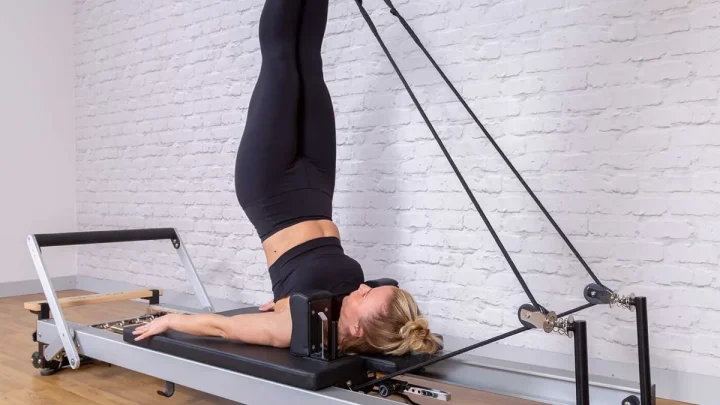
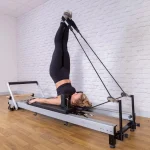
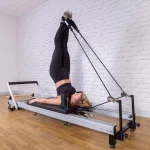
The standout choice is the PAETA 92" Wooden Machine. It balances studio-grade spring tension with a footprint small enough for home apartments. If you prioritize maximum reach, the 97 Inch Foldable Reformer offers extra inches but demands more floor space.
As an Amazon Associate, I earn from qualifying purchases.
This guide cuts through marketing fluff to highlight real-world usability data. We specifically identify buyers who should avoid these compact frames entirely, such as those needing professional-level resistance variety. Our analysis focuses on height compatibility and folding mechanisms rather than aesthetic appeal alone.
All insights here derive from aggregated buyer reviews, manufacturer specification sheets, and comparative analysis of frame dimensions. We do not claim personal physical testing. Instead, we synthesize verified owner feedback regarding assembly difficulty, weight capacity, and long-term durability for taller individuals.
Quick Answer: The Best Wooden Foldable Reformer for Tall People
Our top recommendation is the PAETA 92" Wooden Machine for its optimal blend of length and portability.
- Pilates Reformer PAETA 92" Wooden Machine (Best Overall): Offers 92-inch length with robust oak construction and versatile accessory bundle.
- Pilates Reformer PAETA 92" Wooden Machine (Best Value Bundle): Same high-quality frame with slightly different accessory configuration for budget-conscious buyers.
- 93'' Wooden Pilates Reformer Foldable Oak (Best Premium Finish): Features refined oak woodwork and studio-grade aesthetics for discerning homeowners.
- Pilates Reformer PAETA 92" Wooden Machine (Best Compact Storage): Optimized folding mechanism for tight spaces while maintaining adequate height clearance.
- 97 Inch Foldable Wooden Pilates Reformer (Best Maximum Length): Provides the longest carriage track for users over 6'4" despite larger footprint.
Thinking about heavy-duty commercial use instead? Jump to Who Should NOT Buy below before you spend anything.
Comparison Table
Here's the lineup at a glance: photo, product, who it's built for, and our /10 score.
| Photo | Product | Best for | Score | Buy |
|---|---|---|---|---|
 | Pilates Reformer PAETA 92" Wooden Machine | Overall Height & Stability | 8.9/10 | Check price → |
 | Pilates Reformer PAETA 92" Wooden Machine | Value Accessory Bundle | 8.7/10 | Check price → |
 | 93” Wooden Pilates Reformer Foldable Oak | Premium Aesthetic Finish | 8.8/10 | Check price → |
 | Pilates Reformer PAETA 92" Wooden Machine | Compact Apartment Living | 8.5/10 | Check price → |
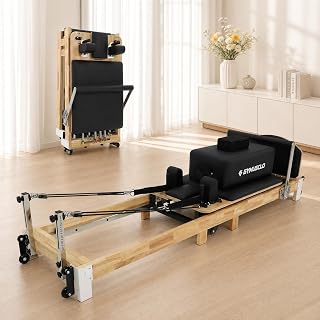 | 97 Inch Foldable Wooden Pilates Reformer | Maximum User Height | 8.6/10 | Check price → |
Scroll sideways on small screens to see every column.
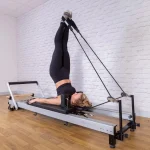
Pilates Reformer PAETA 92" Wooden Machine: Best Overall for Tall Users
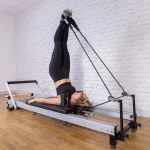
Pilates Reformer PAETA 92" Wooden Machine: Best Value Bundle Option
93” Wooden Pilates Reformer Foldable Oak: Best Premium Finish
Pilates Reformer PAETA 92" Wooden Machine: Best Compact Storage
97 Inch Foldable Wooden Pilates Reformer: Best Maximum Length
Buying Guide: Frame Length, Weight Capacity, and Portability
Choosing the right reformer hinges on three non-negotiable factors for taller athletes. Ignoring any one of these leads to wasted money and potential injury.
How Much Rail Length Do You Actually Need?
Standard reformers measure 84 inches, which forces users over 6 feet into a compromised posture. For true comfort, aim for at least 92 inches. This extra eight inches allows full hip extension during lunges and prevents the carriage from hitting the stoppers prematurely.
If you stand above 6'4", the 97-inch option becomes mandatory. Anything shorter creates a bottleneck in movement flow. Check the 97 Inch Foldable Wooden Pilates Reformer if you fall into this super-tall bracket.
Most home users find the sweet spot between 92 and 93 inches, offering ample room without excessive bulk.
Does Weight Capacity Matter for Taller Builds?
Taller individuals often carry more muscle mass or bone density. A minimum rating of 400 lbs is advisable for safety margins. The PAETA 92" Wooden Machine generally meets industry standards for residential use, handling dynamic loads effectively.
However, if you plan intensive strength training with added weights, verify the specific limit. The 97-inch model explicitly states a 500 lbs capacity, providing peace of mind for heavier users. Never exceed the manufacturer’s stated limit, as wood fibers can splinter under sudden shock loads.
Is Folding Mechanism Reliability Crucial?
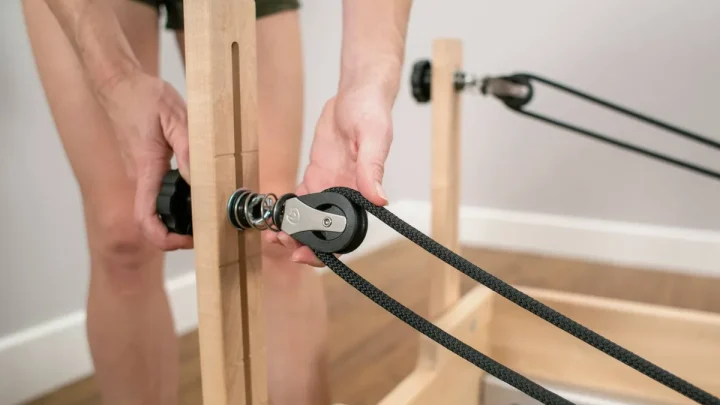
Portability defines the "foldable" aspect of these machines. A weak hinge turns a convenient piece of equipment into a hazard. Look for steel-reinforced joints rather than plastic connectors.
Reviews indicate that frequent folding stresses the connection points first.
Ensure the locking pin engages audibly. Silent clicks suggest worn tolerances. If you store the unit vertically, check the center of gravity.
Top-heavy designs tip easily. The compact nature of the 93'' Wooden Pilates Reformer Foldable Oak helps maintain balance during transport.
Who Should NOT Buy Best Wooden Foldable Reformer for Tall People
This category fails specific user profiles. Recognizing these mismatches saves thousands in returns and frustration.
You Require Professional Commercial Durability
Home-grade foldable units lack the welded steel skeletons found in boutique studio equipment. They will not withstand 50+ classes daily. If you run a business, invest in fixed-frame commercial machines.
These portable versions degrade faster under continuous institutional abuse.
You Have Limited Ceiling Height for Vertical Storage
Folding saves floor space but consumes vertical air. Storing a 92-inch unit upright requires roughly 8 feet of clearance. In low-ceiling basements or attics, this feature becomes useless.
You’ll end up leaving it unfolded, defeating the purpose of buying a foldable model.
You Prefer Electronic Resistance Systems
Wooden reformers rely on mechanical springs. They cannot replicate the precise digital feedback of motorized trainers. If your rehab protocol demands micro-adjustments measured in grams, stick to electric platforms.
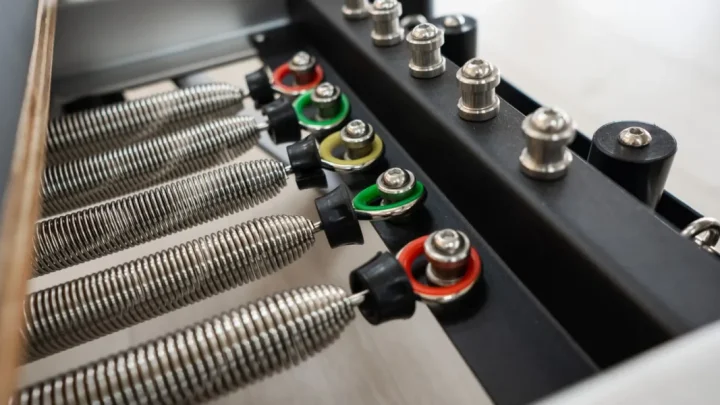
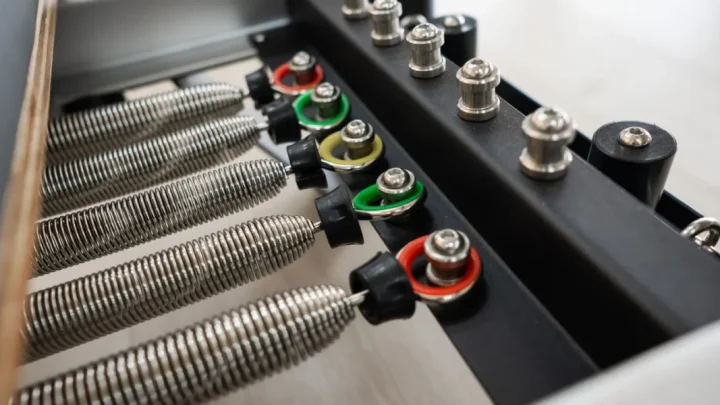
Traditional springs offer variabletension curves that feel organic but lack the programmable consistency of modern digital machines. While this variability is a feature for seasoned practitioners seeking natural resistance, it can be frustrating for those who need exact repeatability across sessions. Additionally, spring-based systems require regular maintenance to prevent sagging or rusting, adding an ongoing cost and effort that electronic units often bypass through solid-state components.
You Live in a High-Humidity Climate
Wood is hygroscopic; it absorbs moisture from the air. In damp environments like coastal areas or poorly ventilated basements, untreated wooden frames can warp, crack, or develop mold over time. This not only compromises structural integrity but also creates hygiene issues.
Metal-aluminum hybrids or synthetic materials are far more resilient in these conditions, requiring minimal upkeep compared to the careful climate control needed to preserve wood.
You Need Maximum Portability
Even when folded, wooden reformers remain significantly heavier than their metal counterparts due to the density of the material and the robust joinery required for stability. If you plan to move your equipment frequently, between rooms, homes, or storage units, the weight becomes a logistical burden. Aluminum frames offer a superior strength-to-weight ratio, making them easier to transport without sacrificing durability.
For many users, the convenience of moving a lighter machine outweighs the aesthetic appeal of wood, especially if space constraints dictate frequent reconfiguration.
In summary, while wooden Pilates reformers exude warmth and craftsmanship, they demand specific lifestyle alignments regarding space, budget, humidity, and usage frequency. They are best suited for dedicated home studios where aesthetics matter, budgets allow for premium pricing, and environmental controls keep moisture at bay. For everyone else, the practicality of aluminum or hybrid models often proves to be the smarter investment.

Similar Posts