When Did Reformer Pilates Become Popular? The Full Story
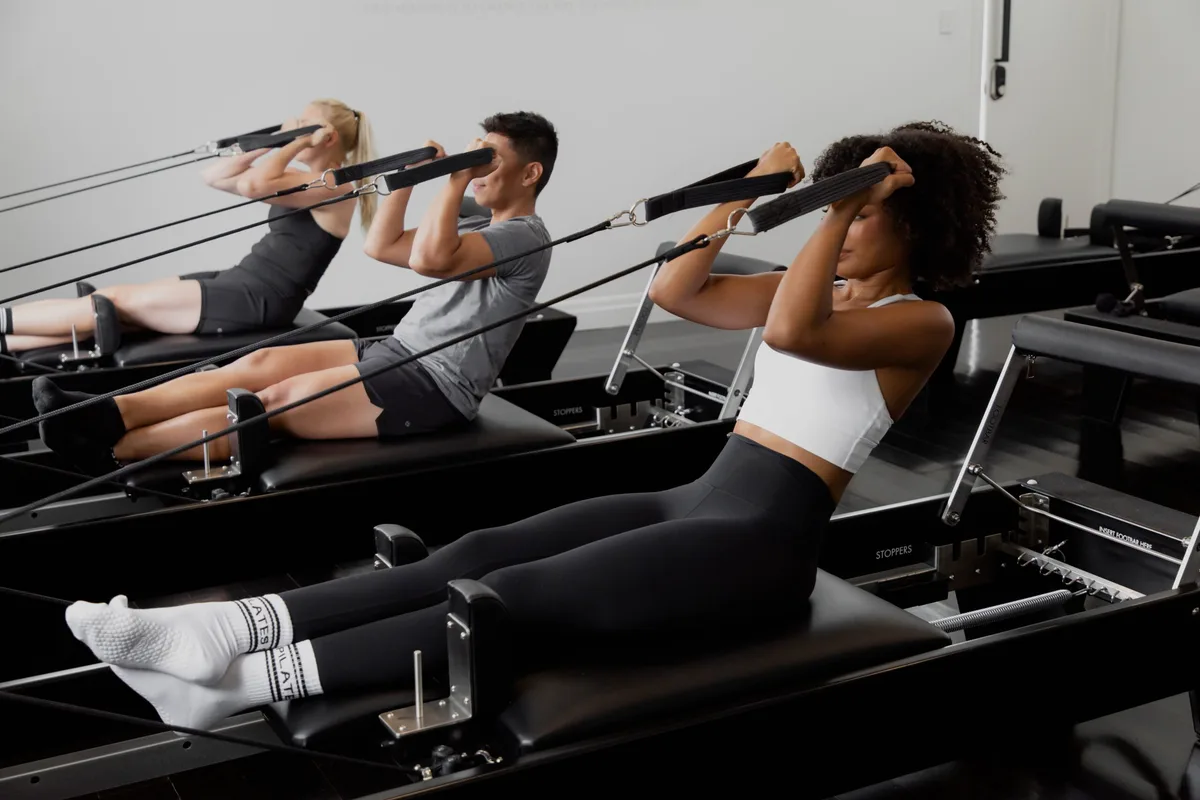
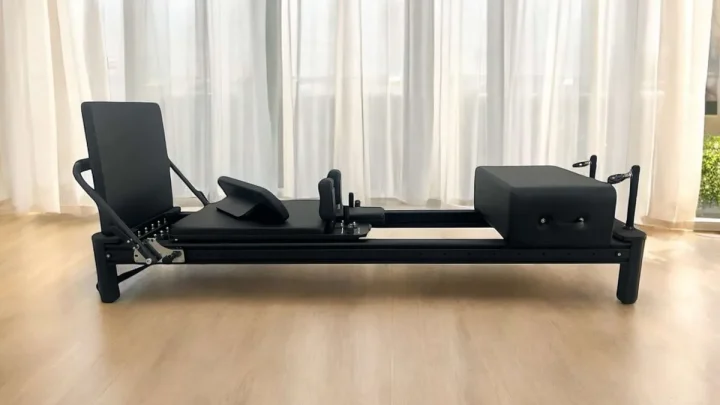
If you step into almost any modern fitness neighborhood today, you will spot a boutique studio filled with sliding carriage machines. While the workout feels like a modern obsession, the question of when did reformer pilates become popular points to a story with distinct waves of cultural breakthroughs.
Our historical research shows the workout took decades to move from niche rehabilitation to mainstream fitness. A major turning point occurred in October 2000, when a landmark federal court ruling opened the name "Pilates" to the public, setting off a massive studio boom that continues as of 2026.
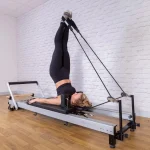
Image source: Bing (Web (fair-use with source credit))
Quick Answer: The Specific Eras When Reformer Pilates Broke Out
Reformer Pilates became popular through distinct cultural waves.
The first wave hit professional dance communities in the 1930s. Hollywood celebrities drove a luxury fitness craze during the late 1990s.
A 2000 federal trademark ruling unlocked commercial studio expansion. Large group reformer franchises grew rapidly between 2010 and 2020.
Social media drove a global adoption spike after 2020.
From World War I to 8th Avenue: The Origins of the Universal Reformer
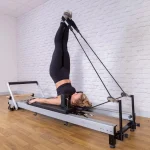
The reformer did not begin as a trendy boutique workout. German physical trainer Joseph Pilates originally developed the system of exercises he called "Contrology" during World War I. While interned on the Isle of Man, he attached springs to hospital beds to help bedridden patients build strength through resistance without joint strain.
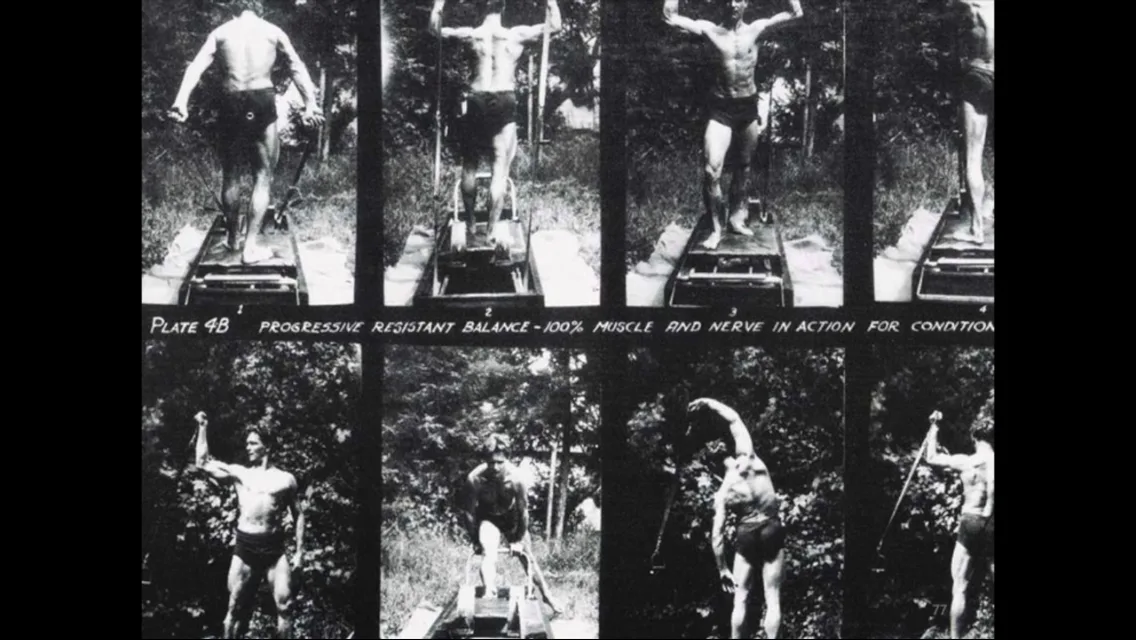
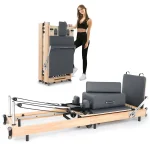
Image source: Web (Bing) / pilateslife.ca (Web image (fair-use with source credit))
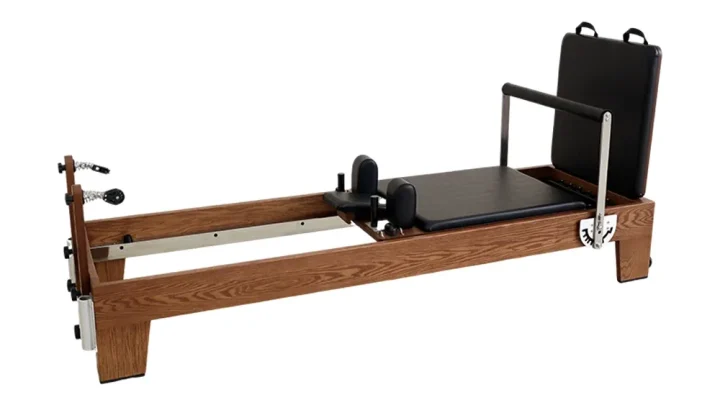
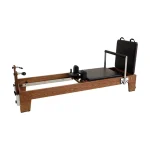
In 1926, Joseph and his wife Clara emigrated to the United States and opened their first studio at 939 Eighth Avenue in New York City. The original apparatus, dubbed the Universal Reformer, featured a sliding wooden carriage, heavy steel springs, leather straps, and a footbar.
The studio quickly caught the attention of nearby performing artists. Legendary choreographers Martha Graham and George Balanchine began sending injured dancers to the studio for rehabilitation and core conditioning.
For decades, the reformer remained an insider secret. Dancers, gymnasts, and early physical therapists relied on the machine for eccentric muscle lengthening. First-generation master instructors, often called the "Pilates Elders," eventually opened private studios across the United States.
Yet throughout the mid-20th century, the apparatus remained strictly within these specialized circles.
The Late 1990s Celebrity Wave: How Hollywood Put the Reformer on the Map
The transition of the reformer from a dance clinic tool to a pop-culture phenomenon started in the late 1990s. During this era, high-end private studios opened across Manhattan and Los Angeles. Master instructors began training high-profile figures who publicly credited the machine for their long, lean muscle tone.
Celebrity adopters created instant media fascination. Print magazines and morning television segments regularly featured stars like Madonna, Gwyneth Paltrow, and Uma Thurman working out on the apparatus.
- Exclusivity: Private sessions cost upwards of $100 per hour, making it an elite fitness status symbol.
- Media Coverage: Entertainment tabloids and fashion outlets covered reformer routines as Hollywood's best-kept toning secret.
- Aesthetic Shift: Fitness culture began pivoting away from high-impact aerobics toward low-impact, alignment-focused movement.
Despite this visibility, reformer training remained out of reach for the average gym-goer. Equipment manufacturing was limited, and instructors trained in small, protective lineages. Most fitness enthusiasts only experienced mat Pilates through VHS tapes and DVDs, while the reformer itself remained behind closed studio doors.
The Landmark 2000 Court Case That Democratized the Apparatus
Reformer Pilates could not become a global industry until a major legal barrier fell. Throughout the 1990s, trademark litigation restricted who could teach the method and use the Pilates name commercially.
In October 2000, the United States District Court for the Southern District of New York issued a historic ruling in the case of Pilates, Inc. v. Current Concepts, Inc. Judge Miriam Goldman Cedarbaum ruled that "Pilates" is a generic term for a method of exercise, much like "yoga" or "karate."
This decision transformed the entire fitness landscape virtually overnight:
- Open Teaching Standards: Equipment manufacturers and fitness educators could freely train and certify instructors without fear of trademark lawsuits.
- Apparatus Innovation: Equipment companies like Balanced Body began designing lighter, more durable reformers specifically built for commercial volume.
- Standardized Education: Independent organizations established comprehensive 450-hour to 600-hour training requirements to verify instructor competency.
Once the name entered the public domain, the groundwork was set for entrepreneurs to take the machine out of private rehabilitation clinics and onto the commercial market.
The Group-Class Revolution: How Reformers Scaled from 1-on-1 to Main Street (2010–2020)
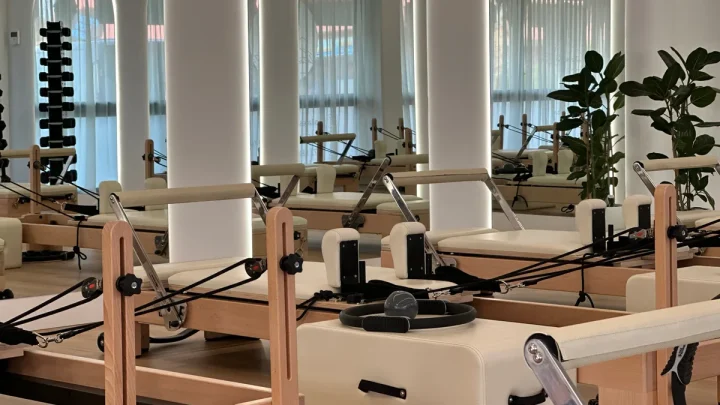
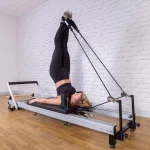
Between 2010 and 2020, the business model behind reformer Pilates underwent a complete structural overhaul. Traditionally, studios operated on a 1-on-1 or 1-on-3 model due to equipment size and close instructor supervision. As consumer demand for group fitness surged, studio owners engineered group-reformer rooms holding 10 to 16 beds.
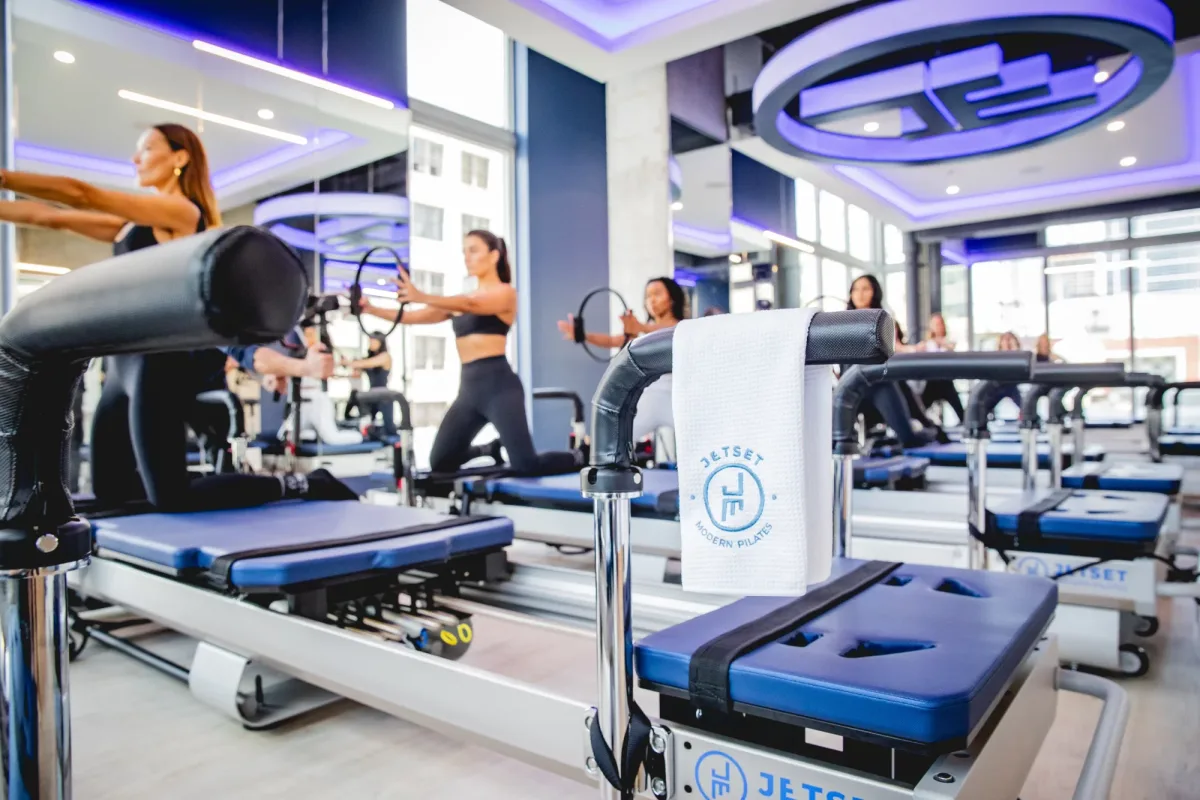
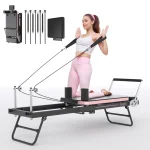
Image source: Web (Bing) / jetsetpilates.com (Web image (fair-use with source credit))
Franchise networks rapidly scaled this concept worldwide. Brands like Club Pilates, founded in 2007, launched rapid franchise expansions across suburban shopping centers throughout North America. In Australia and the UK, contemporary reformer studios introduced upbeat, athletic playlists and dynamic strength-based flows.
| Era / Model | Average Studio Format | Typical Price per Session | Primary Demographic |
|---|---|---|---|
| Traditional (1980–1999) | Private 1-on-1 sessions | $80–$150+ | Dancers, rehab patients, celebrities |
| Boutique Era (2000–2009) | Small semi-private (2–4 beds) | $45–$75 | Affluent fitness enthusiasts |
| Franchise Wave (2010–2020) | Large group classes (10–16 beds) | $25–$40 | Mainstream gym-goers, suburban markets |
| Modern Athletic (2020–Present) | Group reformer & hybrid machines | $30–$50 | Gen Z, cross-training athletes |
This group-reformer transition lowered the barrier to entry for everyday clients. Instead of paying private clinical rates, members could purchase monthly class packages, turning an elite conditioning routine into a repeatable weekly habit.
The Modern TikTok and "Pilates Aesthetic" Boom (2020 to Present)
The most explosive surge in reformer popularity occurred after 2020, driven heavily by short-form video algorithms. As fitness studios reopened following pandemic lockdowns, visual platforms like TikTok and Instagram turned reformer routines into viral lifestyle content.
The machine fit social media formats naturally. The gliding carriage, colorful spring selections, and structured movement sequences created satisfying, highly shareable visual content.
This digital wave attracted a much younger demographic. Gen Z and millennial gym-goers embraced the "Pilates aesthetic," pairing studio workouts with matching grip socks, activewear, and daily wellness vlogs.
At the same time, high-intensity hybrid concepts expanded rapidly. Studios using Megaformers and micro-reformers blended traditional spring resistance with fast-paced muscular endurance training.
By combining athletic conditioning with strong visual appeal, the reformer shifted from a specialized rehabilitation tool into one of the most in-demand boutique fitness categories worldwide.
Reformer Timeline: Key Shifts, Milestones, and Cultural Adoption
The road to widespread adoption spans more than a century of biomechanical refinement, legal battles, and shifting fitness trends.
- 1914, 1918: Joseph Pilates attaches springs to hospital beds during World War I, engineering the earliest prototypes for resistance rehabilitation.
- 1926: Joseph and Clara Pilates open the first dedicated Contrology studio in New York City, working closely with injured professional dancers.
- 1970s, 1980s: First-generation Pilates master instructors expand private studios to Los Angeles and other major metropolitan areas.
- Late 1990s: Hollywood celebrities adopt the apparatus, sparking high-end media coverage and luxury studio interest.
- October 2000: A landmark federal court ruling declares "Pilates" a generic term, freeing equipment manufacturers and studio owners to scale without legal restrictions.
- 2007, 2015: Large group reformer franchises emerge, lowering class prices and moving the equipment into mainstream shopping centers.
- 2020, Present: Viral social media trends and athletic hybrid studios make reformer workouts a staple of global boutique fitness.
Understanding these milestones shows that modern reformer popularity did not happen overnight. It was built on clinical foundations, accelerated by trademark deregulation, and amplified by modern digital culture.
Common Questions About the Rise of Reformer Pilates
Why did reformer Pilates suddenly get so popular recently?
Reformer Pilates surged recently due to viral social media visibility, expanding group-class franchise availability, and a cultural shift toward low-impact joint-friendly strength training. Platforms like TikTok popularized the visual movements, while modern boutique studios made the expensive equipment far more accessible through affordable class packages.
Was reformer Pilates originally invented for physical therapy?
Yes, the reformer originated as a rehabilitation device. Joseph Pilates created the spring-loaded apparatus during World War I to help bedridden hospital patients maintain muscular strength and mobility without placing heavy compressive loads on injured joints or spinal structures.
What is the difference between classical and contemporary reformer Pilates?
Classical reformer Pilates strictly follows Joseph Pilates' original exercise order, specialized apparatus dimensions, and movement transitions. Contemporary reformer Pilates incorporates modern physical therapy principles, updated biomechanics, variable class sequencing, upbeat music playlists, and heavier athletic conditioning elements.
Is reformer Pilates better than mat Pilates?
Reformer Pilates provides adjustable spring resistance, greater exercise variety, and tactile feedback through the moving carriage, which helps guide alignment. Mat Pilates relies entirely on your own body weight against gravity, making it portable and affordable, though reformer workouts allow more scalable resistance for strength building.

Similar Posts