How to Remove Odor from Pilates Reformer Padding
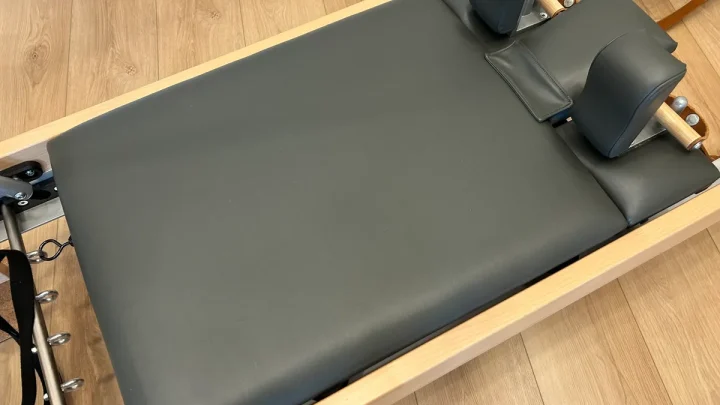
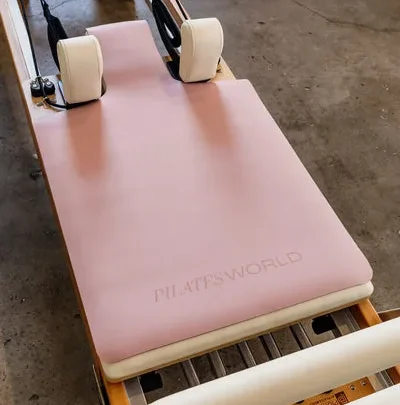
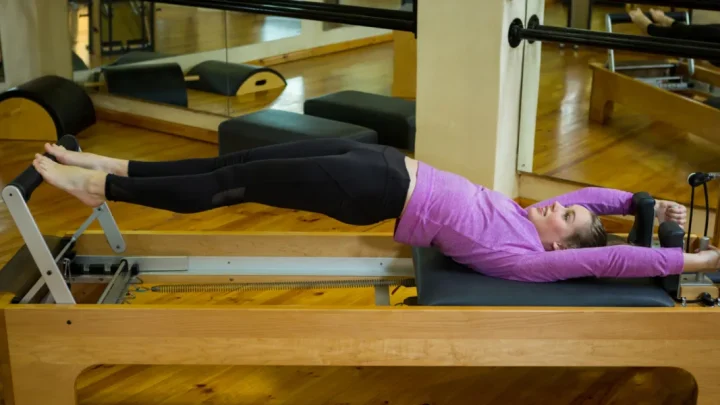
Pilates reformer carriage vinyl endures constant body heat, friction, and sweat during every workout. Learning how to remove odor from pilates reformer padding without stripping its protective finish is essential for keeping your studio or home gym fresh. When sweat penetrates the stitching, quick gym wipes only mask the problem.
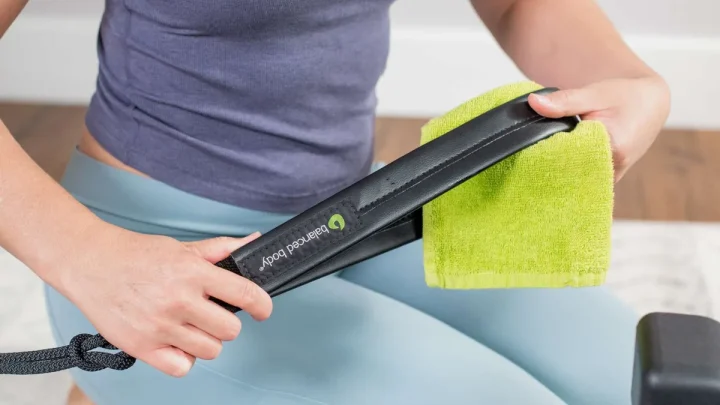
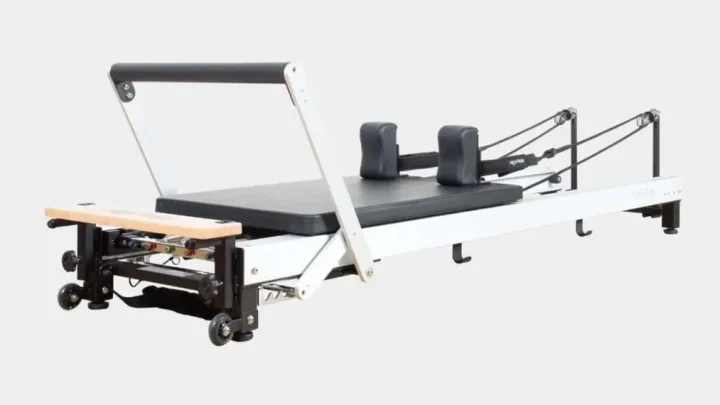
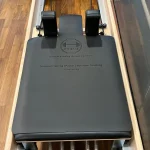
Most commercial carriages use heavy-duty synthetic vinyl over high-density EVA foam. Per manufacturer care standards from brands like Balanced Body, harsh solvents destroy the vinyl plasticizers that prevent surface cracking. The right deodorizing routine eliminates trapped bacteria, protects your investment, and keeps your carriage supple.
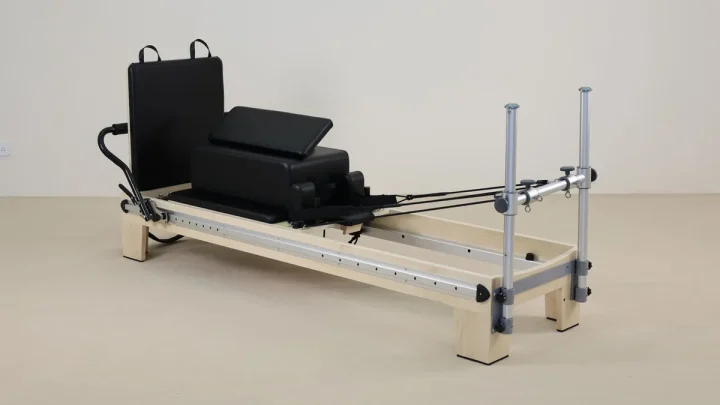
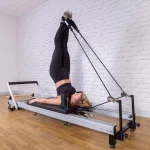
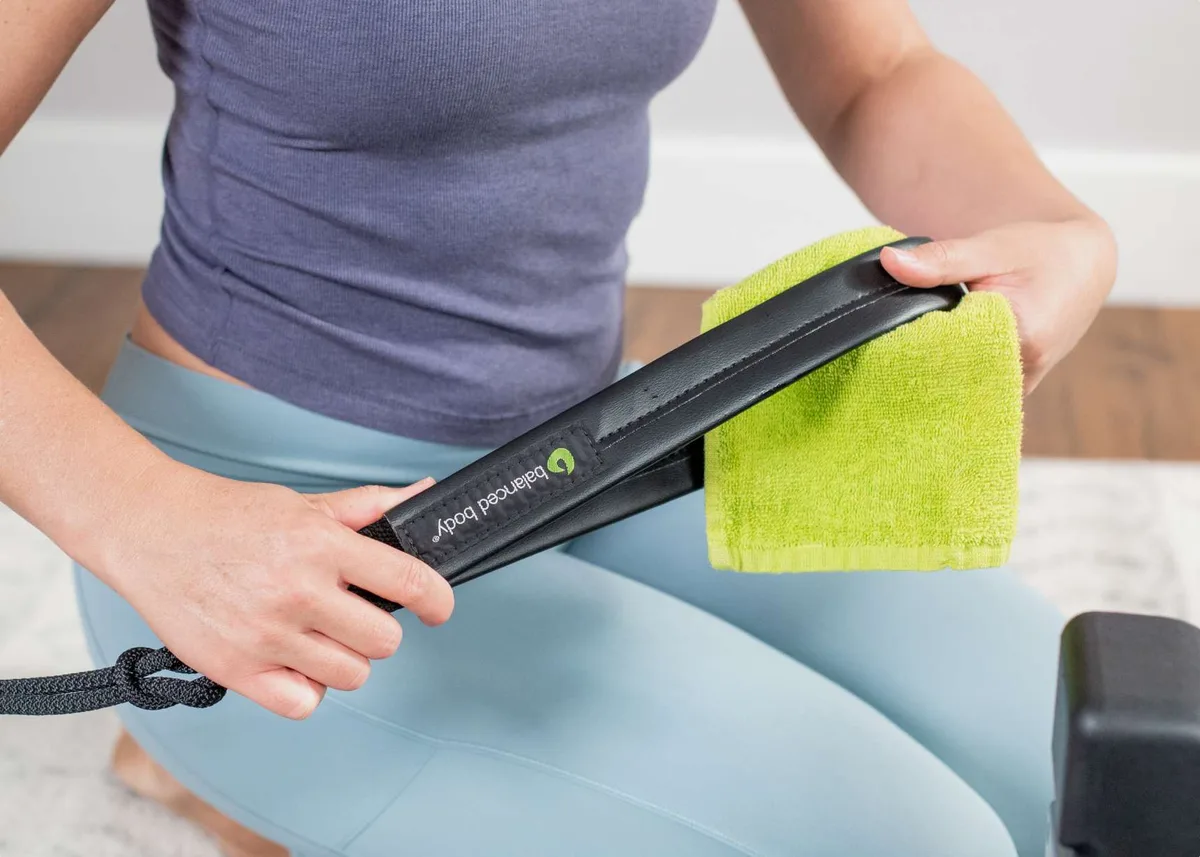
Image source: Web (Bing) / pilates.com (Web image (fair-use with source credit))
Quick Answer
To remove odor from pilates reformer padding, clean the surface with warm water and mild dish soap. Spray a pH-neutral enzyme cleaner onto a microfiber cloth. Wipe the carriage and headrest thoroughly.
Let the solution sit for five minutes to break down bacteria. Wipe dry immediately with a clean microfiber towel. Never saturate open seams or use harsh bleach.
Why Reformer Padding Traps Odor and Degrades Over Time
Reformer carriages face a unique hygiene challenge. During a session, your body presses directly against non-porous commercial vinyl. Sweat mixed with skin lipids and Staphylococcus bacteria pools on the surface.
When you compress the carriage pad, pressure forces that moisture into needle holes along the seams.
Commercial upholstery relies on chemical plasticizers to remain flexible. When bacteria break down sweat lipids, they release volatile organic compounds that cause sour odors. If you use harsh gym wipes containing alcohol or bleach, you strip those essential plasticizers.
The vinyl turns brittle, micro-cracks form, and odor-causing bacteria sink even deeper into the sub-foam.
Proper cleaning requires breaking down organic proteins without drying out the upholstery topcoat. Understanding what happens below the surface helps you pick the right cleaning method.
The Decision Tree: Surface Grime vs. Deep Sub-Foam Odor
Before you clean, identify where the odor lives. Using a heavy liquid treatment on a surface issue can force moisture into clean foam. Follow this simple decision workflow:
- If the smell only appears right after class and wipes clean: You are dealing with surface sweat and skin oils. Use a pH-neutral degreasing wipe or diluted castile soap, followed by a dry towel wipe.
- If the smell lingers when dry and flares up during warm workouts: Bacteria have colonized the needle stitching and welt cords. Apply an enzymatic cleaner with a five-minute dwell time, followed by towel compression extraction.
- If the carriage smells musty or sour constantly: Moisture has soaked deep into the open-cell foam sub-layer or wooden carriage base. You need controlled enzyme injection, deep towel extraction, and targeted fan drying.
Matching your cleaning method to the depth of the odor prevents upholstery damage while solving the root problem.
Step-by-Step Workflow to Deodorize Reformer Vinyl and Headrests
Follow this core workflow once a week for home reformers or daily in commercial studios.
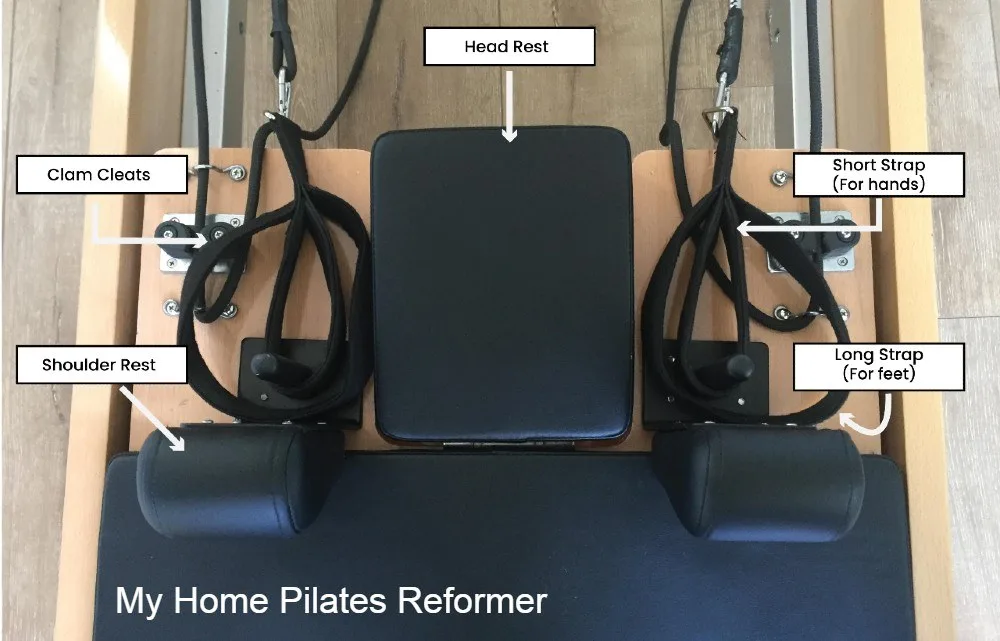
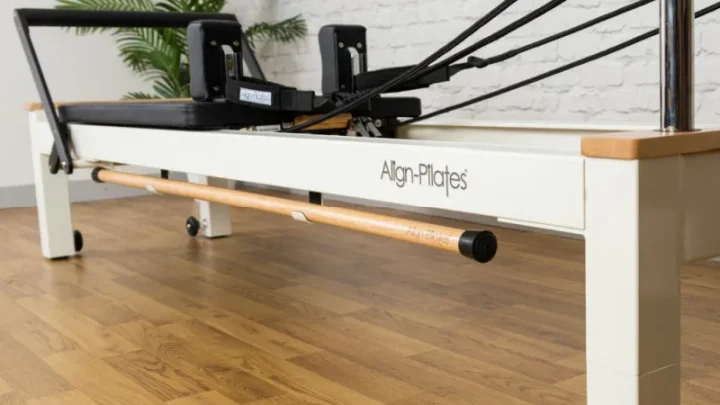
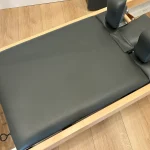
Image source: Bing (Web (fair-use with source credit))
Step 1: Clear Loose Debris
Wipe away loose dust, hair, and grit using a dry, high-pile microfiber cloth. Trapped grit acts like sandpaper when you scrub wet vinyl.
Step 2: Apply a pH-Neutral Cleaner
Spray your cleaning solution directly onto a clean microfiber cloth, never directly onto the carriage pad. Spraying the carriage directly pools liquid around the seams and hardware attachments.
Step 3: Work the Surface in Small Circles
Wipe down the entire carriage, focusing on the shoulder rests and headrest where skin contact is highest. As of 2026, hypochlorous acid (HOCl) sprays have become the gold standard for fitness upholstery because they neutralize odors instantly without chemical residue.
Step 4: Allow Contact Time
Let the disinfectant or enzyme solution rest damp on the surface for three to five minutes. This contact time is essential for neutralizing odor-causing bacteria.
Step 5: Wipe Dry with Clean Microfiber
Take a fresh, dry microfiber towel and buff the upholstery completely dry. Never let a reformer carriage air-dry on its own, as lingering moisture degrades the seams.
How to Deep Clean Foam When Sweat Soaks Through Seams
When sweat penetrates the seam stitching, standard wiping will not fix the smell. The odor will keep returning every time a warm body compresses the foam.
Start by mixing an enzymatic cleaner specifically formulated for sports gear. Enzymes break down the uric acid and lipid bonds that bacteria feed on. Lightly dampen a microfiber cloth with the enzyme solution and press it firmly along the seams.
Press down on the carriage pad so the solution draws slightly into the stitch holes.
Let the enzyme sit for ten minutes to digest the trapped organic matter. Next, fold a thick, dry bath towel and place it directly over the treated seam. Press down firmly with your knees or hands to wick the moisture back out of the foam.
Repeat this compression step with dry sections of the towel until no moisture transfers over.
Set up an oscillating fan pointing directly at the carriage. Keep the room at 40% to 50% relative humidity and let the foam dry completely for four to six hours before using the reformer.
Cleaner Comparison: What Works vs. What Ruins Commercial Vinyl
Choosing the right cleaner protects your carriage from premature cracking and peeling.
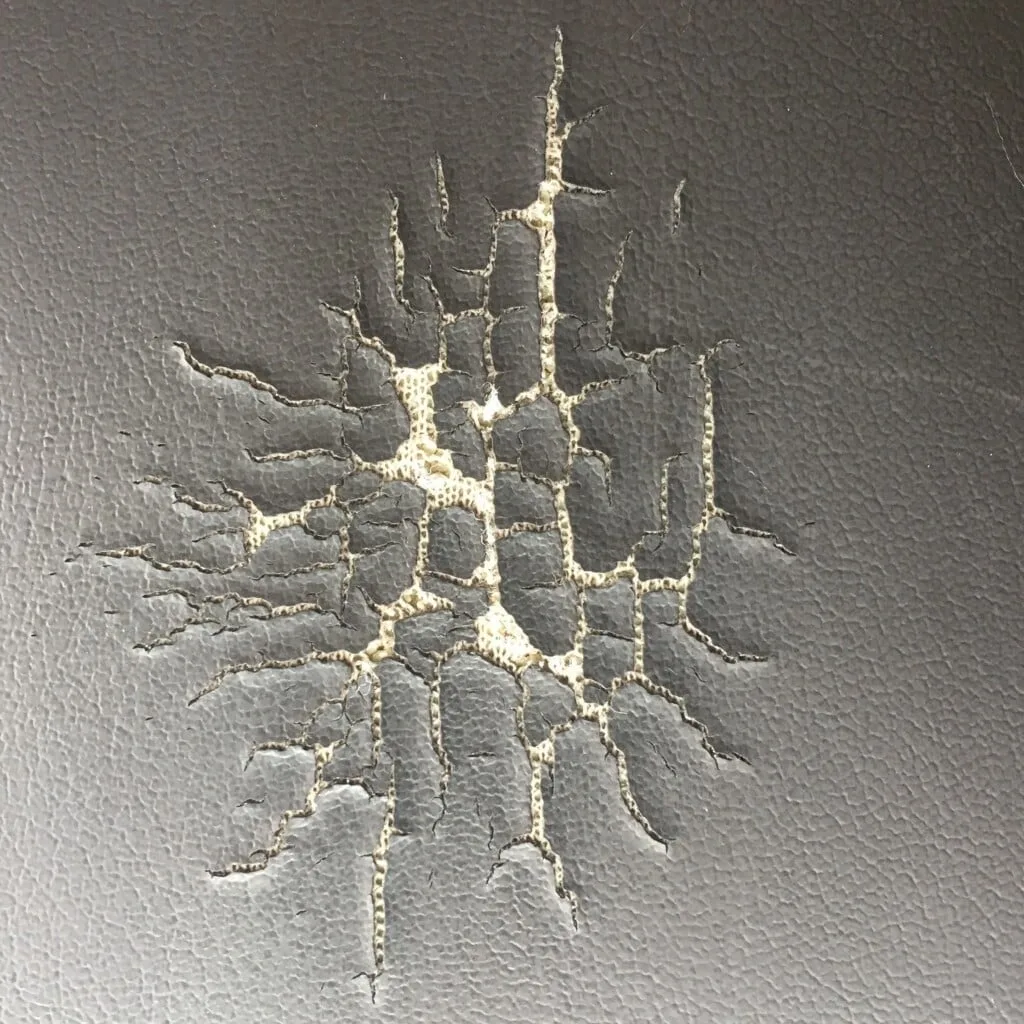
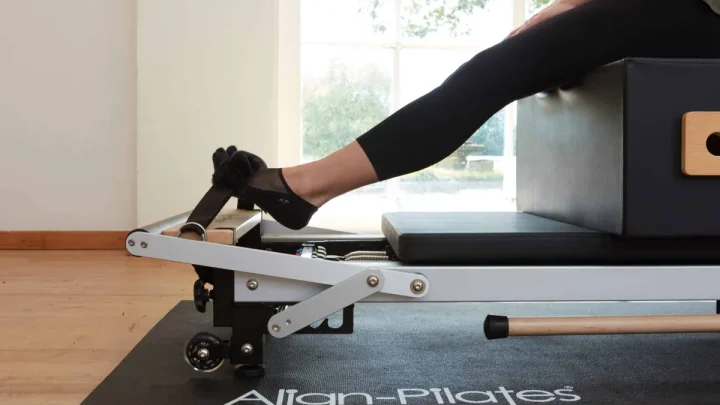
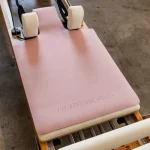
Image source: Bing (Web (fair-use with source credit))
| Cleaner Type | Safe for Reformer Vinyl? | Odor Removal Power | Best Use Case |
|---|---|---|---|
| Hypochlorous Acid (HOCl) | Yes | Excellent | Daily sanitizing and rapid deodorizing |
| Enzyme-Based Cleaners | Yes | Superior | Weekly deep cleaning for sweat-soaked seams |
| Mild Dish Soap & Water | Yes | Moderate | Removing heavy body oils and surface grime |
| Quat Disinfectant Sprays | Check Label | Good | Studio turnover (must meet EPA contact rules) |
| Bleach & Ammonia | No | Destructive | Never use (causes instant drying and cracking) |
| Rubbing Alcohol (>70%) | No | Poor | Never use (strips vinyl plasticizers quickly) |
| Vinegar (Undiluted) | No | Poor | Never use (acid degrades stitching threads) |
Stick to pH-neutral formulas designed for commercial marine or fitness vinyl to ensure your equipment stays fresh and intact.
Critical Mistakes That Void Warranties and Crack Reformer Padding
Many common cleaning habits do more harm than good to expensive studio equipment. Commercial vinyl upholstery requires specific care to prevent premature wear.
- Using high-pressure steam cleaners: Steam forces moisture past the vinyl barrier and directly into the foam. It breaks down upholstery adhesives and causes vinyl delamination.
- Leaving liquid to air-dry: Air-drying allows chemical surfactants to dry onto the vinyl finish. Over time, this builds a sticky film that attracts more dust and body oils.
- Applying baking soda paste: Baking soda is an abrasive salt with a high alkaline pH. Scrubbing with it creates microscopic surface scratches that trap future odor and strip the protective topcoat.
- Spraying essential oils directly on upholstery: Tea tree and eucalyptus oils can degrade vinyl plasticizers. They leave an oily film that reduces the non-slip grip clients rely on during footwork.
Avoiding these common pitfalls prevents expensive upholstery repairs while maintaining proper grip and hygiene.
Studio-Proven Maintenance Routine to Keep Carriages Odor-Free
A reliable maintenance routine stops sweat odors before they soak into the foam substrate. A clear schedule protects both home reformers and high-volume commercial studios.
After Every Session
Wipe down the carriage, headrest, and shoulder blocks with a damp microfiber cloth. Use a mild hypochlorous acid spray or a 1:10 dilution of mild dish soap. Immediately follow with a dry towel wipe down to remove all residual moisture.
Weekly Deep Refresh
Inspect all seam stitching for sweat accumulation or salt residue. Apply an enzymatic fitness spray to a microfiber towel and work it along high-contact seams. Extract any trapped moisture using dry towel compression along the edges.
Quarterly Vinyl Conditioning
Apply a water-based commercial vinyl protectant designed for fitness equipment. Avoid silicone-based automotive sprays, which create slick and dangerous workout surfaces. A light coat of water-based protectant replenishes lost plasticizers and seals the surface against sweat penetration.
Frequently Asked Questions About Pilates Equipment Care
Can I use Clorox wipes on my reformer padding?
No, standard Clorox wipes contain harsh bleaching agents and high alcohol levels. These chemicals strip vinyl plasticizers, leading to cracking, seam tearing, and voided manufacturer warranties. Use pH-neutral fitness equipment wipes instead.
Why does my reformer carriage still smell bad after cleaning?
The odor is likely trapped inside the open-cell sub-foam beneath the vinyl. Surface wiping only cleans the vinyl exterior. You must use an enzyme cleaner along the seams, compress the foam with a towel, and let it dry thoroughly.
How often should I replace reformer carriage upholstery?
Commercial reformer padding typically lasts three to seven years depending on class volume and care. If the foam stays compressed, smells permanently sour, or shows seam cracking, it is time to reupholster the carriage.
Is vinegar safe for cleaning Pilates reformer vinyl?
No, undiluted vinegar is too acidic for commercial upholstery. Frequent vinegar use weakens the cotton and polyester threads along the seams. This allows sweat and moisture to leak directly into the foam core.

Similar Posts