How to Clean a Pilates Reformer After a Sweaty Workout
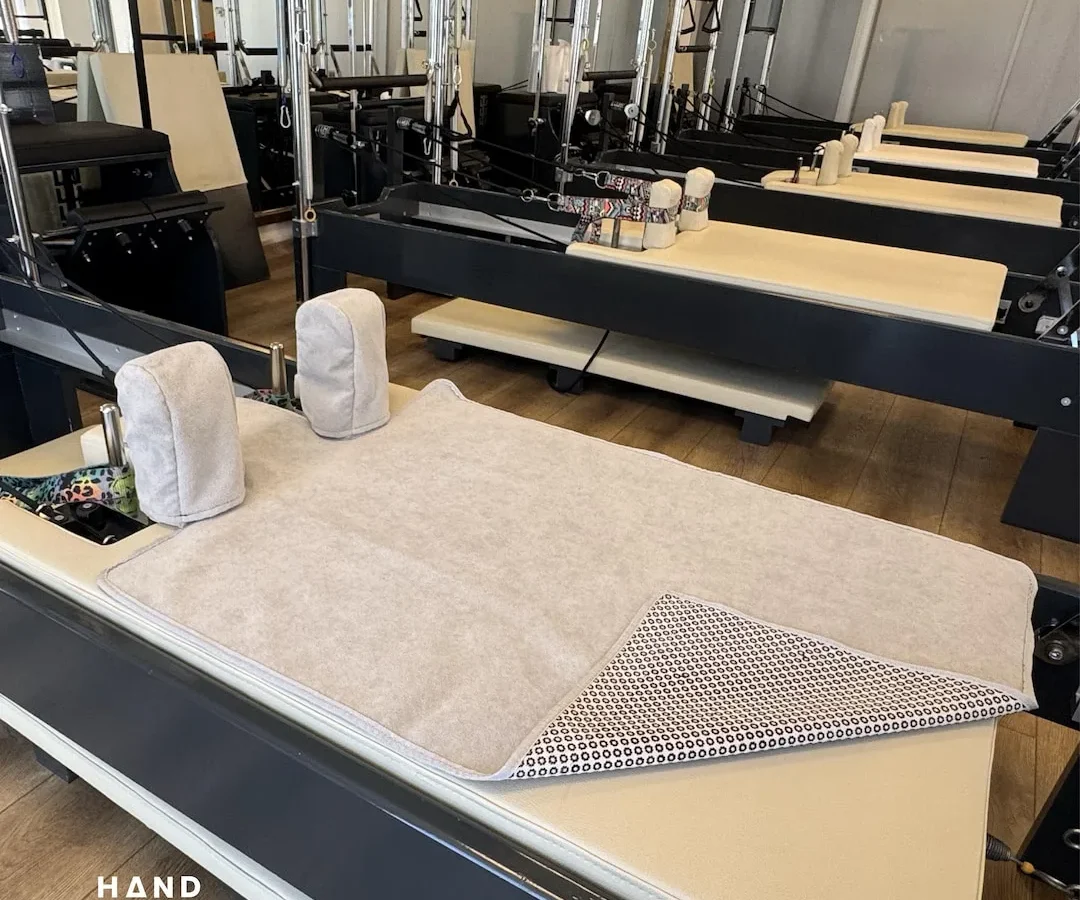
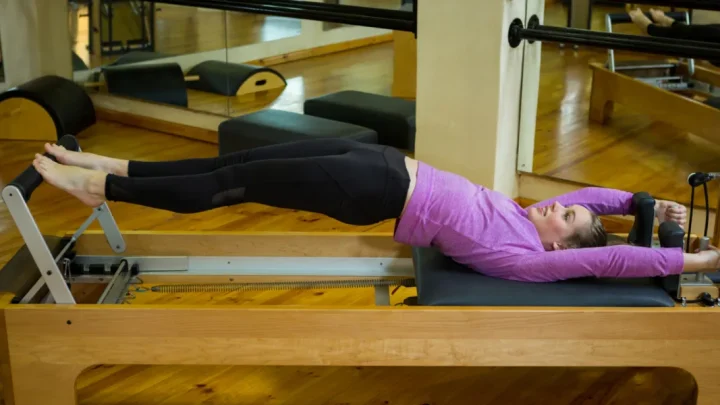
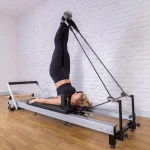
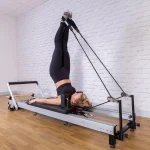
Knowing how to clean a reformer after someone sweats on it keeps your studio hygienic and protects expensive equipment from rot. Sweat contains body oils, sodium, and bacteria that rapidly break down vinyl upholstery and corrode metal tracks. A quick, sloppy wipe down can ruin the upholstery faster than the sweat itself.
Commercial Pilates reformers rely on specialized automotive-grade vinyl and precision aluminum extrusions that react poorly to harsh industrial chemicals. Per manufacturer specifications, aggressive solvents strip away essential plasticizers within months. Following the right protocol ensures your gear remains sanitary, grippy, and fully intact as of 2026.
Quick Answer
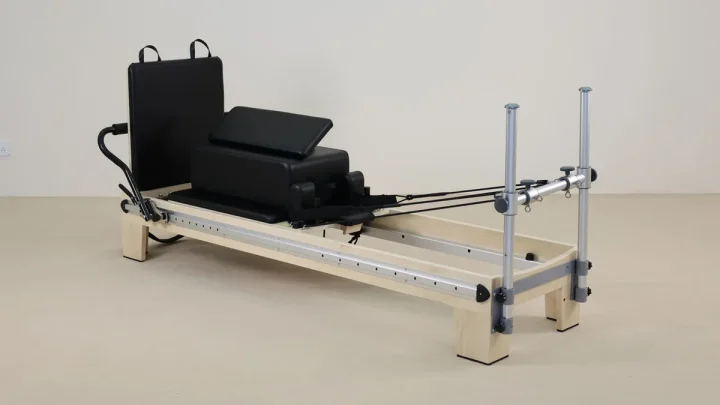
To clean a sweaty reformer, spray a mild soap solution onto a microfiber towel. Never spray the frame directly. Wipe down the vinyl carriage, headrest, and shoulder blocks.
Dry all surfaces completely with a second cloth to prevent slipping. For fabrics, mist with a diluted textile sanitizer.
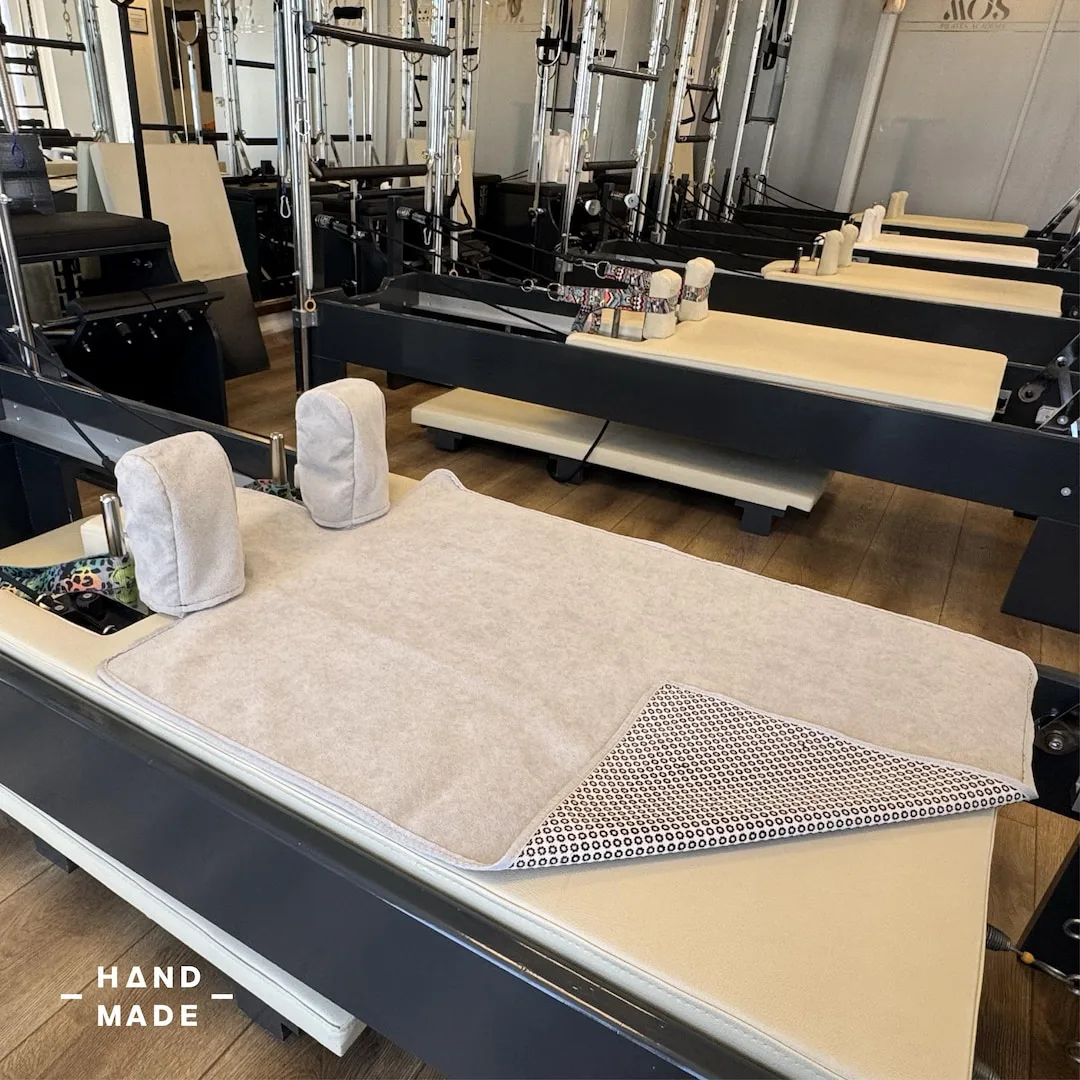
Image source: Bing (Web (fair-use with source credit))
The Golden Rule: Why Sweat Destroys Reformers (and Why the Wrong Spray Makes It Worse)
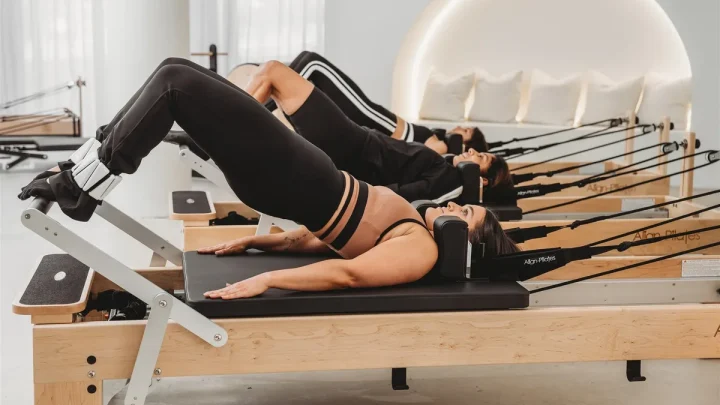
Sweat is naturally acidic and packed with sodium chloride and urea. When pooled sweat dries on commercial upholstery, the evaporating moisture leaves behind concentrated salt crystals. These crystals abrade the topcoat of the vinyl whenever a client lies down or shifts weight.
Over time, trapped body oils penetrate the material, causing seam rot and foul odors.
The immediate reaction is often to grab the strongest disinfectant wipe available. Bleach, ammonia, and high-percentage isopropyl alcohol will destroy commercial vinyl. These chemicals pull the plasticizers out of PVC fabrics.
The vinyl loses its elasticity, turns brittle, and eventually cracks along high-stress seams.
Spraying cleaning liquid directly onto the carriage causes liquid to seep past upholstery staples into the underlying EVA foam core. Once moisture penetrates the foam, mold develops and frame fasteners begin to rust from the inside out. Always apply cleaners to your cloth first, never directly onto the machine.
The Decision Tree: Choosing Your Cleaning Workflow
Your sanitation method must match the specific situation. A rapid reset between back-to-back group classes requires a different approach than an intensive close-of-day reset or a remediation after heavy athletic sweating.
Sweat Event Detected
│
├── Scenario A: Back-to-Back Class Turnover (30–60 Seconds Available)
│   └── Action: Fast wipe down with pre-dampened cloth + quick-dry check.
│
├── Scenario B: Heavy Sweat / Hot Pilates (Visible Puddles / Salt Rings)
│   └── Action: Towel absorb pool -> Soap dilute wipe -> Dry -> Textile mist.
│
└── Scenario C: End-of-Day Facility Close (Full Maintenance)
    └── Action: Full vinyl sanitize -> Rail track clearing -> Spring inspection.
If you only have 60 seconds between clients, focus exclusively on primary contact points. If you are dealing with hot Pilates sweat puddles, absorb the liquid with a dry towel before applying any sanitizer. If it is the end of the day, commit to a comprehensive protocol that includes the tracks and undercarriage.
The 60-Second Between-Class Wipe-Down Protocol
Speed is critical during studio class transitions, but you cannot sacrifice safety or equipment health. This rapid workflow removes sweat and leaves the carriage dry for the next client.
| Step | Action | Focus Area | Key Tool |
|---|---|---|---|
| 1. Prep | Mist cleaner onto cloth | Microfiber surface | Alcohol-free vinyl spray |
| 2. High-Touch Wipe | Firm, sweeping passes | Carriage, shoulder pads, headrest | Damp microfiber side |
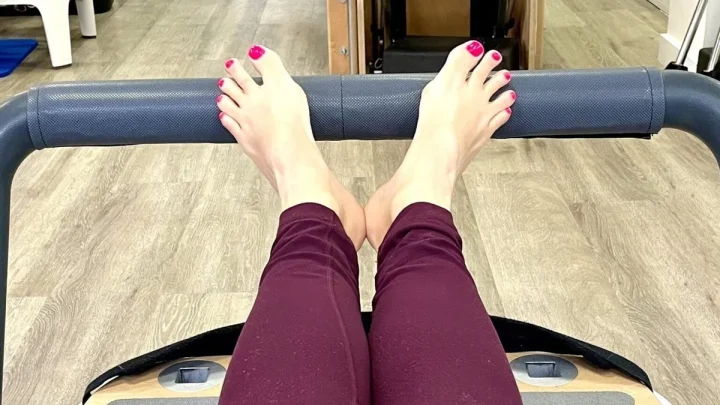
| 3. Footbar Clean | Wrap and twist | Rubber or vinyl footbar cover | Same damp cloth |
| 4. Moisture Buff | Remove wet residue | Entire carriage surface | Dry microfiber side |
Follow these four rapid steps:
- Mist your cloth: Spray one side of a clean microfiber towel until damp. Do not soak it.
- Wipe high-touch vinyl: Sweep across the headrest, shoulder blocks, and the main carriage bed in long, overlapping strokes.
- Wipe the footbar: Run the damp towel along the padded footbar grip to pull off sweat and lotion.
- Buff dry: Flip your microfiber towel to the dry side and buff the carriage bed. Never leave liquid standing on the vinyl. A damp reformer is an immediate slip hazard during standing exercises.
The Deep Clean & Reset: End-of-Day Sanitization
At the end of each day, reformers require a deeper sanitization routine. This reset neutralizes lingering bacteria, eliminates body oil buildup, and clears debris from mechanical tracks. Guidelines from the Centers for Disease Control and Prevention emphasize that cleaning surfaces with soap or detergent before disinfecting reduces germs and removes dirt that shields pathogens.
Start by preparing a gentle cleaning solution. Mix warm distilled water with a small drop of pH-neutral liquid dish soap. Moisten a fresh microfiber towel and methodically wipe every vinyl surface, paying extra attention to the seams around the shoulder rests.
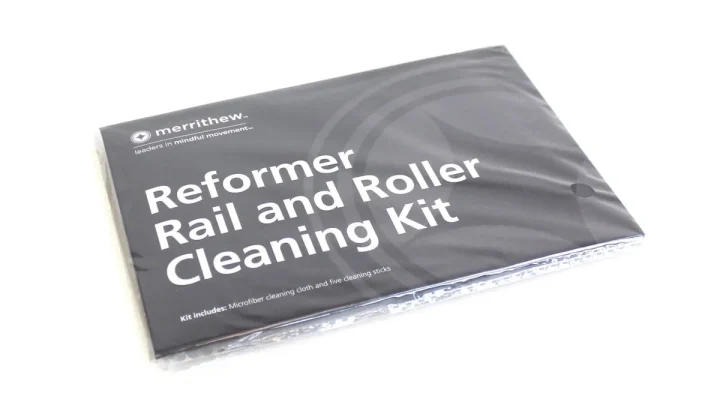
Next, inspect the mechanical components. Move the carriage to the back stopper and clear the exposed aluminum tracks. Dust and stray hair combine with airborne sweat droplets to form a sticky grime on the rails.
Wipe the tracks with a dry microfiber cloth to keep carriage wheels gliding silently.
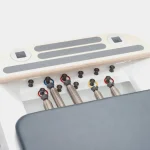
Finish by inspecting the springs and gearbar. Wipe away any sweat drips that landed in the spring well. Check the ropes and double-loop straps, then hang them loosely to air dry overnight.
Component-by-Component Care Guide: Vinyl, Aluminum Rails, Springs, and Straps
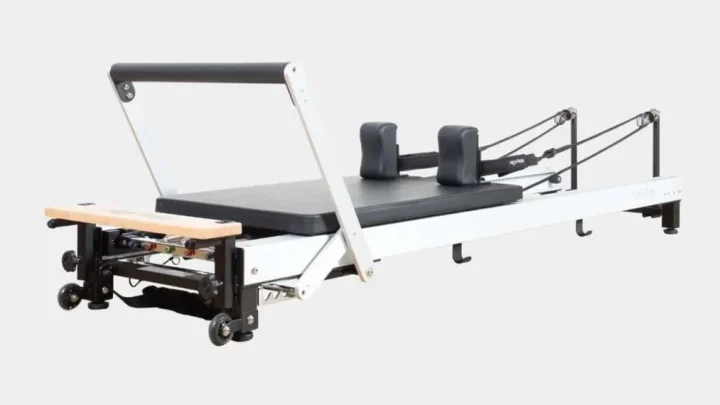
Every component on a Pilates reformer is built from different materials. Treating them with a single generic cleaner will damage delicate parts and create safety issues.
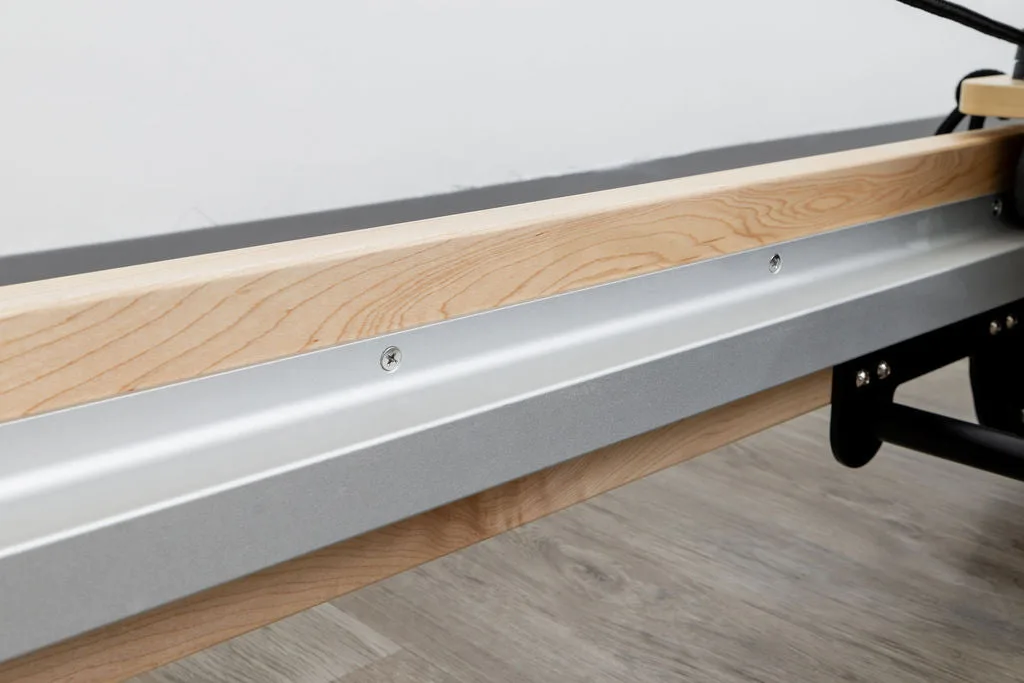
Image source: Bing (Web (fair-use with source credit))
Vinyl Carriage and Upholstery
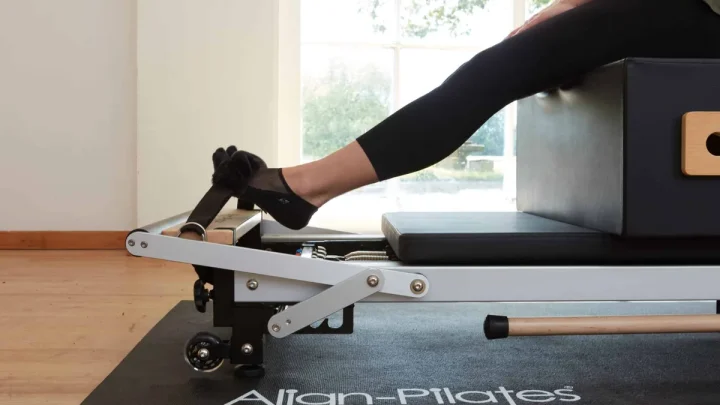
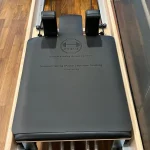
Pilates upholstery is durable, but vulnerable to chemical drying. Use a dedicated vinyl cleaner or a 20:1 water-to-mild-soap dilution. Wipe along the grain of the vinyl.
Never scrub aggressively with abrasive pads, which scuff the protective topcoat and leave dull patches.
Anodized Aluminum Rails
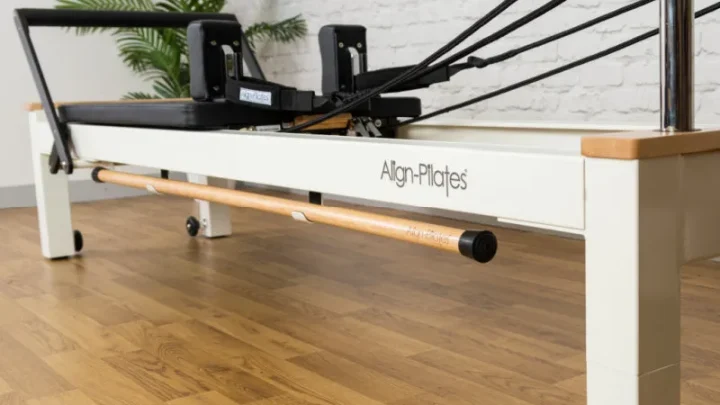
The carriage rides on precision aluminum extrusions. Never use oily lubricants, silicone sprays, or abrasive polishes on these rails. Clean the tracks daily using a completely dry microfiber cloth.
If sweat has created sticky residue, wipe with a cloth lightly dampened with plain water, then dry immediately.
Chrome Springs and Fasteners
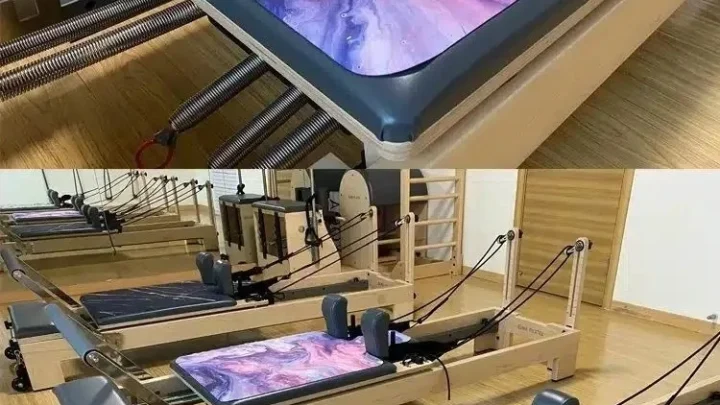
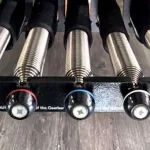
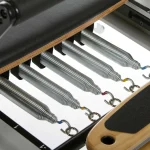
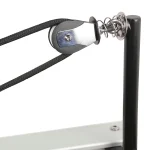
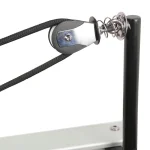
Sweat dripping into the spring well introduces moisture that causes oxidation on nickel-plated or chrome-plated steel springs. Inspect spring coils weekly. Wipe them down with a dry rag to eliminate salt residue.
If you spot moisture, dry it immediately to prevent rust at the attachment hooks.
Fabric Straps and Foot Loops
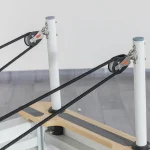
Straps absorb sweat directly into their woven fibers. For daily maintenance, mist non-porous handles with an EPA-registered textile disinfectant. For cotton or nylon webbing straps, wash them weekly inside a mesh laundry bag on a delicate cycle.
Always hang them to air dry. Machine drying shrinks internal padding and weakens structural stitching.
Cleaner Breakdown: Safe Solutions vs. Materials That Ruin Equipment
Choosing the correct cleaning chemistry protects commercial upholstery and keeps clients safe from skin irritation. Many common household cleaners degrade fitness equipment quickly.
| Cleaner Category | Safe for Reformers? | Risk / Impact | Best Use Case |
|---|---|---|---|
| Diluted Mild Dish Soap | Yes | None (pH-neutral) | Daily post-sweat wipe-down |
| Quaternary Ammonium Wipes | Yes (Alcohol-Free) | Low (if wiped dry) | Mid-day antimicrobial reset |
| Bleach Solutions | No | Strips plasticizers, cracks vinyl | Never use on reformers |
| Isopropyl Alcohol (70%+) | No | Dries seams, fades color coats | Never use on vinyl |
| Essential Oil Sprays | No | Leaves slick, greasy film | Air freshening only (away from gear) |
Mild dish soap diluted in water remains the gold standard for daily maintenance. It lifts natural body fats and urea without stripping the topcoat. If you manage a busy studio, use alcohol-free gym wipes formulated with quaternary ammonium compounds.
Avoid pure tea tree or eucalyptus oil blends directly on carriage beds. While naturally antibacterial, essential oils leave slick residues that ruin traction. Bleach solutions cause immediate yellowing and long-term seam failure on all vinyl types.
Costly Maintenance Mistakes That Void Reformer Warranties
Equipment warranties from top manufacturers clearly outline required cleaning protocols. Failing to follow these guidelines leads to denied warranty claims and costly early repairs.
- Spraying the machine directly: Liquid seeps under the carriage edges, corroding internal frame fasteners and rotting wooden substrates.
- Leaving standing disinfectant: Allowing liquids to air-dry naturally without buffing causes chemical pooling, leading to hardened, brittle spots on the upholstery.
- Lubricating the tracks with WD-40 or silicone: Wet lubricants turn aluminum tracks into dirt magnets, gumming up the roller wheel bearings.
- Washing straps with high heat: Hot water and machine drying break down the structural nylon core of the loops, creating snapping hazards under load.
Replacing a single commercial carriage pad can cost between $300 and $800, excluding studio downtime. Using proper microfiber towels and manufacturer-approved dilutions protects both your equipment warranty and your bottom line.
Frequently Asked Questions About Reformer Sanitation
Can I use standard Clorox wipes on my Pilates reformer?
No, you should avoid standard Clorox wipes on commercial reformer vinyl. Most household disinfectant wipes contain high levels of alcohol or bleach. These chemicals strip protective plasticizers from the vinyl, causing it to harden, discolor, and crack over time.
Use alcohol-free wipes designed specifically for fitness vinyl.
How do I clean smelly Pilates straps after a sweaty workout?
Wash removable fabric loops inside a mesh laundry bag on a gentle machine cycle with cold water. Add a mild laundry detergent and hang them to air dry completely. For daily maintenance between wash cycles, spray the straps lightly with an alcohol-free fabric sanitizer.
How often should reformer carriage rails be wiped down?
Wipe carriage rails daily with a clean, completely dry microfiber cloth. In busy commercial studios, check and wipe the tracks every three to four classes. Removing dust, hair, and dried sweat droplets prevents carriage wheels from sticking and ensures a smooth, silent glide.
What is the best homemade cleaner for a sweaty reformer?
The safest homemade solution is a mix of warm distilled water and a few drops of mild liquid dish soap. A 20:1 water-to-soap ratio cuts through body oils and sweat salts effectively. It cleans thoroughly without leaving sticky chemical residues or damaging sensitive vinyl upholstery.

Similar Posts