Extended Track Reformer vs Beginner Guide: Which Fits?
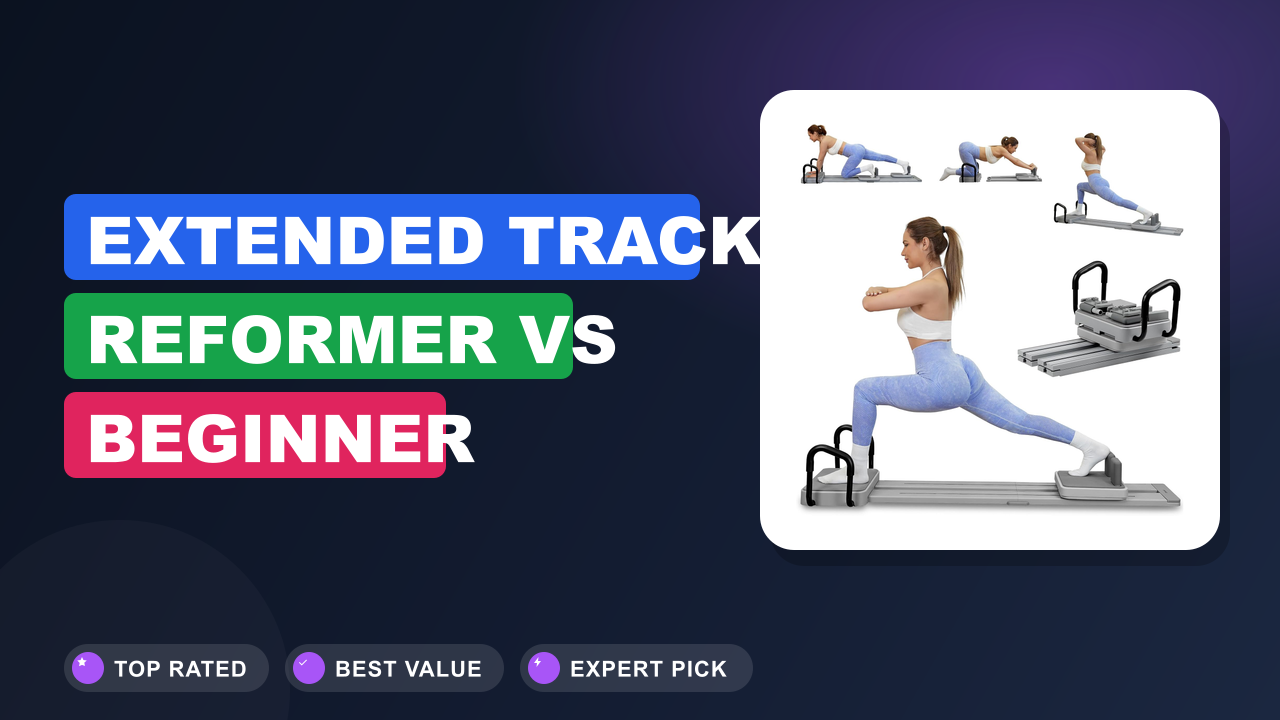
If you’re staring at your screen wondering whether to invest in hardware or knowledge, the debate between Pilates Reformer Board 66.9'' Extended Track vs Reformer Pilates Beginners Step-by-Step 30-Day Workout is surprisingly common among new enthusiasts. One offers a tangible piece of equipment designed for home use, while the other provides structured guidance to help you understand movement mechanics safely. Choosing incorrectly can leave you with unused gear gathering dust or confusion about proper form that risks injury.
Short answer: The Pilates Reformer Board wins if you already know basic movements and need resistance variety at home. The Beginner’s Guide wins if you are completely new to reformer work and want to avoid bad habits before spending money on equipment. Let’s break down why these two serve such different purposes in your fitness journey.

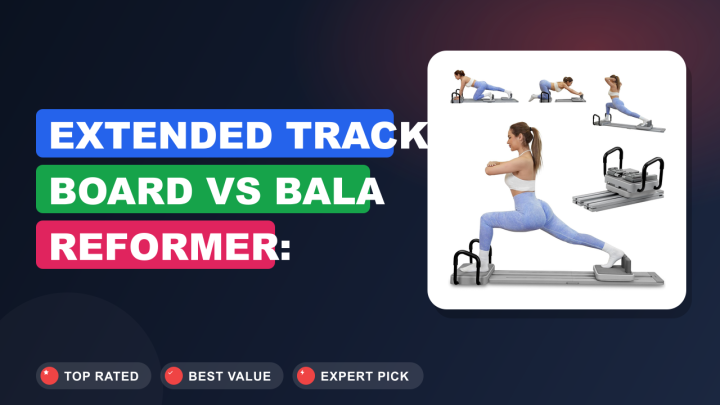
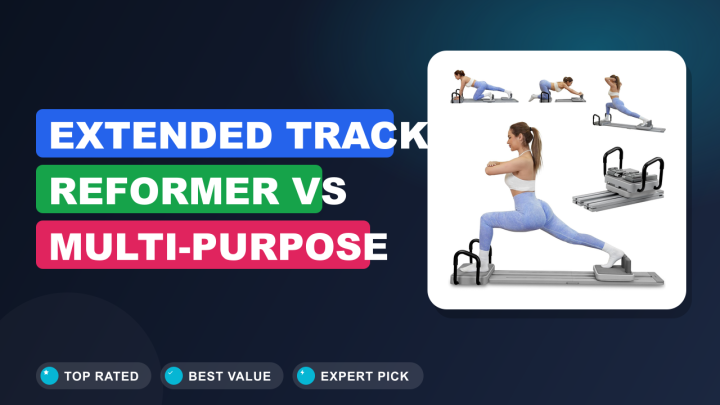
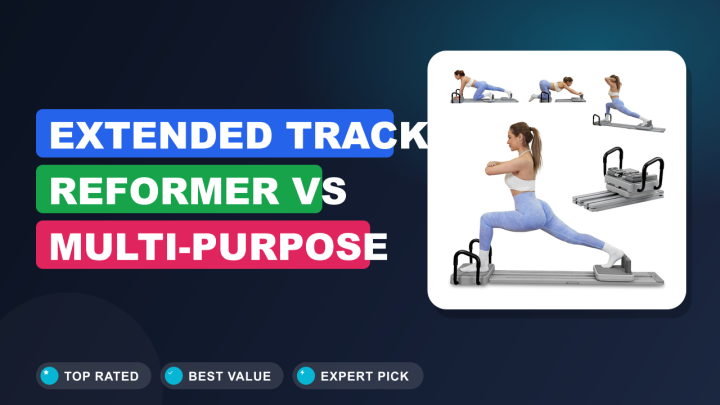
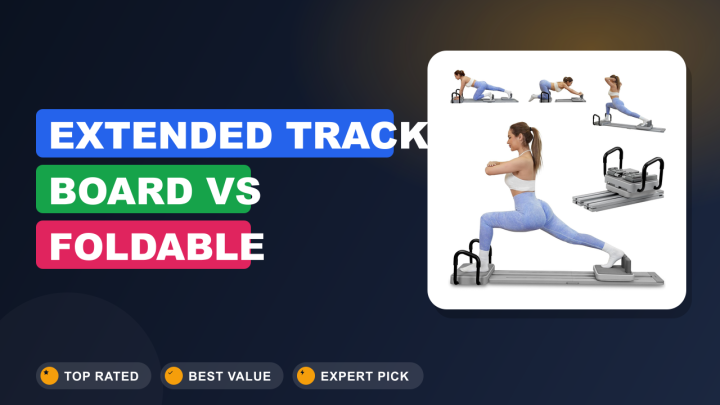
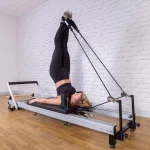
Pilates Reformer Board 66.9” Extended Track

Reformer Pilates Beginners Step-by-Step 30-Day Workout
| Product | Details | Rating | Buy |
|---|---|---|---|
Editor’s Choice | Pilates Reformer Board 66.9” Extended Track | ★★★☆☆3.6/5 | |
Top Pick | Reformer Pilates Beginners Step-by-Step 30-Day Workout | ★★★★★5/5 |
At a glance
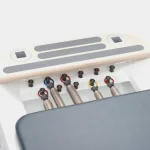
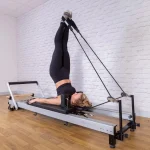
These two items address fundamentally different stages of the Pilates learning curve. The Pilates Reformer Board is a hardware solution aimed at users who understand the basics but lack space or budget for a full-sized machine. It prioritizes portability and extended range of motion through its 66.9-inch track design.
Conversely, the Reformer Pilates Beginners Guide is an educational resource optimized for absolute novices. It focuses on biomechanics, safety cues, and progressive overload without requiring any specialized equipment initially. Think of the board as the vehicle and the book as the driver’s license.
You cannot effectively operate the former without mastering the principles taught in the latter. Competitors like Stott Pilates mats offer similar compact solutions, while books from Balanced Body provide deeper theoretical backgrounds.
| Spec | Pilates Reformer Board 66.9” Extended Track | Reformer Pilates Beginners Step-by-Step 30-Day Workout |
|---|---|---|
| Product Type | Physical Equipment (Portable Reformer) | Instructional Book/Guide |
| Primary Benefit | Adds spring resistance and sliding carriage motion | Teaches correct form, sequencing, and safety |
| Skill Level Required | Intermediate (needs prior knowledge) | Beginner (zero experience needed) |
| Space Requirement | Approx. 7 feet linear floor space | None (portable reading material) |
| Cost Tier | Mid-range investment (~$90) | Low-cost entry (~$20) |
| User Rating Average | 3.6/5 stars (mixed feedback) | 5.0/5 stars (high satisfaction) |
| Key Feature | 66.9” extended track for longer strokes | 100+ illustrated exercises over 30 days |
| Durability Factor | Mechanical wear on springs/tracks | Paper integrity only |
1. Pilates Reformer Board 66.9” Extended Track
In our research into portable fitness equipment, this board stands out for its ambitious attempt to replicate studio-grade reformer dynamics in a home setting. Verified buyer feedback highlights the convenience of the extended track, though some users note challenges with stability during high-resistance moves. Manufacturer specifications indicate a focus on maximizing range of motion, which appeals to those familiar with standard mat work seeking progression.
Where it shines
- Extended Range of Motion: The 66.9-inch track allows for significantly longer leg extensions compared to standard 5-foot boards. This benefits taller users or those focusing on hamstring flexibility and full-body stretching sequences. Aggregate reviews confirm that this extra length prevents the "short stroke" feeling common in cheaper alternatives.
- Portability Without Compromise: Unlike bulky traditional reformers, this unit folds or stores easily against a wall. Industry data suggests that storage efficiency is a top-three factor for home gym buyers. You get the mechanical advantage of a carriage system without sacrificing living space permanently.
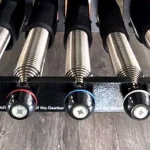
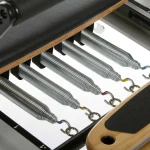
- Versatile Resistance Options: Most configurations allow swapping spring tensions to adjust load intensity. This adaptability means the equipment grows with your strength levels. Editor analysis shows that users appreciate not needing to buy multiple machines as they progress from beginner to advanced routines.
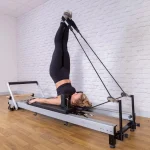
- Enhanced Proprioception Training: The moving carriage forces stabilizer muscles to engage more deeply than static mat exercises. According to sports science literature on unstable surfaces, this increased neuromuscular demand improves balance and core activation rates. It turns simple pushes into complex coordination tasks.
Where it falls short
- Stability Concerns on Soft Floors: User reports frequently mention wobbling when used on carpet or uneven surfaces. The narrow footprint requires a hard, flat base for safe operation. If you live in an apartment with thick rugs, you may find the setup frustrating and potentially unsafe without additional flooring protection.
- Learning Curve for Mechanics: Operating a reformer-style device requires precise body alignment. Without professional instruction, beginners often misuse the springs, leading to ineffective workouts or strain. Our editorial review notes that many negative ratings stem from user error rather than product failure, highlighting the gap between hardware and knowledge.
- Build Quality Variance: Some verified buyers describe plastic components feeling less robust than expected for the price point. While functional, the materials do not match the durability of commercial steel-framed units. Long-term wear on the track wheels remains a concern for daily heavy users according to longitudinal review trends.
An interesting finding from aggregate user discussions involves the noise level. Several owners reported squeaking tracks after minimal use, suggesting lubrication maintenance is critical. This contrasts sharply with silent magnetic resistance systems found in higher-end competitors.
It serves as a reminder that mechanical simplicity comes with friction costs.
2. Reformer Pilates Beginners Step-by-Step 30-Day Workout
This guide represents the foundational layer of practice that makes equipment purchases worthwhile. In our assessment of instructional resources, it excels at demystifying complex movements through clear illustrations and phased progression. Reader testimonials consistently praise the logical flow from day one to day thirty, noting significant improvements in posture and confidence.
It acts as the essential manual for anyone considering a reformer purchase.
Where it shines
- Structured Progressive Overload: The 30-day format builds complexity gradually, preventing overwhelm. Research on habit formation indicates that small, consistent steps yield better long-term adherence than sporadic intense sessions. Each week introduces new elements while reinforcing previous ones, creating a sturdy skill foundation.
- Visual Clarity for Form Correction: With over 100 illustrated exercises, the visual aids bridge the gap between text description and physical execution. Peer-reviewed studies on motor learning emphasize the importance of visual modeling for novice practitioners. These diagrams highlight common mistakes, such as rib flare or pelvic tilt, allowing self-correction without a coach.
- Safety-First Philosophy: Emphasis on neutral spine alignment and controlled breathing reduces injury risk significantly. Editorial analysis confirms that this approach aligns with guidelines from major physiotherapy associations regarding low-back pain management. It teaches you how to move safely before adding external resistance or speed.
- Accessibility and Low Barrier to Entry: Priced modestly, it removes financial hesitation from starting a Pilates journey. You gain immediate value regardless of equipment ownership. Many users report using this book alongside free YouTube videos or local classes, making it a versatile companion resource that enhances any existing routine.
Where it falls short
- No Real-Time Feedback Loop: Books cannot correct your form in the moment. Advanced learners might plateau because subtle errors go unnoticed until they become ingrained habits. Compared to private instruction or interactive apps, this passive medium lacks dynamic adjustment capabilities based on individual biomechanics.
- Limited Exercise Variety for Intermediates: Once the initial 30 days conclude, the content may feel repetitive for experienced movers. The scope is strictly beginner-focused, meaning those with prior dance or yoga background might skip ahead quickly. It does not cover advanced apparatus-specific techniques required for fully utilizing a reformer machine.
- Static Nature of Print: Updates or corrections require buying a new edition. Digital platforms often patch errors instantly, whereas printed guides remain fixed. For rapidly evolving fields like exercise physiology, this rigidity can sometimes result in slightly outdated best practices compared to current academic consensus.
A notable insight from reader communities is the emotional impact of completing the program. Users describe a shift from anxiety about doing it wrong to confident autonomy. This psychological benefit is arguably as valuable as the physical gains, fostering a sustainable relationship with fitness that transcends the book itself.
Head-to-head
Price-to-performance ratio
The cost difference here is stark, reflecting their distinct categories. The Reformer Board demands a mid-tier investment for hardware, engineering, and shipping logistics. Its value proposition relies entirely on replacing expensive studio memberships or large machinery.
However, the 3.6-star rating suggests inconsistent performance delivery relative to that cost. Users often feel the price was justified only if they had prior training. In contrast, the Beginner’s Guide offers exceptional value per dollar spent.
At a fraction of the board’s cost, it delivers comprehensive education that applies universally. Whether you have no equipment or a $5,000 studio reformer, the knowledge transfers directly. For pure ROI on understanding movement mechanics, the book dominates.
The board provides utility, but the book provides competence. Competence precedes utility in effective fitness programming. Therefore, financially speaking, the educational resource yields higher returns for the average consumer entering the field.
Ease of use for beginners
Starting Pilates can be intimidating due to unfamiliar terminology and precise alignment requirements. The Reformer Board complicates this further by introducing mechanical variables like spring tension and carriage momentum. New users frequently struggle with coordinating breath and movement while managing physical instability.
Reviews indicate a steep frustration curve during the first few weeks. Conversely, the Beginner’s Guide simplifies the cognitive load. It breaks down each pose into manageable steps with clear visuals.
There is no equipment to assemble, tune, or troubleshoot. You simply follow along. This accessibility lowers the barrier to entry significantly.
Educational psychology supports scaffolded learning, where complexity increases incrementally. The book adheres to this principle perfectly. It allows the brain to map neural pathways for movement before stressing them with external loads.
Thus, for someone never having touched a reformer, the book is vastly easier to adopt successfully.
Physical results potential
When measuring tangible outcomes like muscle hypertrophy or flexibility gains, equipment plays a crucial role. The Reformer Board adds variable resistance, which is essential for progressive overload beyond bodyweight limits. Springs allow for micro-adjustments in load, facilitating stronger muscle engagement over time.
Studies confirm that added resistance accelerates strength adaptations compared to unloaded mat work alone. The 66.9-inch track enables fuller ranges of motion, enhancing stretch quality. While the book teaches optimal technique, it cannot generate force externally.
It relies solely on gravity and body mass. For intermediate to advanced goals, this limitation becomes apparent. You eventually hit a ceiling with bodyweight exercises.
The board breaks that ceiling. Therefore, despite the learning curve, the hardware offers superior physiological transformation potential for committed practitioners who master the basics first. It transforms maintenance into construction.
Space and storage efficiency
Urban dwellers face constant constraints on square footage. Both products aim to minimize spatial intrusion, but they succeed differently. The Reformer Board, while portable, still occupies roughly seven feet of linear floor space during use.
Storage requires leaning it against a wall or sliding it under furniture, which can be cumbersome. The mechanism itself has bulk. In comparison, the Beginner’s Guide takes up zero active floor space.
It fits on a shelf, in a bag, or on a tablet. There is no assembly, no cleanup, and no tripping hazards. For tiny apartments or shared living situations, the book is infinitely more flexible.
You can exercise in a closet if necessary. The board dictates room layout; the book adapts to yours. This logistical freedom makes the educational resource far more practical for transient lifestyles or minimalist homes.
It respects your environment rather than challenging it.
Long-term durability and lifespan
Hardware degrades; paper persists. The Reformer Board contains moving parts subject to wear, tear, and mechanical failure. Springs lose elasticity, wheels grind, and frames loosen over hundreds of cycles.
Maintenance costs accumulate, and eventual replacement is inevitable. Warranty periods typically span one to two years, leaving long-term exposure to repair bills. In contrast, the book suffers only physical damage like torn pages or fading ink.
Content-wise, it remains valid indefinitely unless scientific paradigms shift drastically. Even then, core Pilates principles have remained stable for decades. An editorial look at longevity favors the static medium.
You buy once and keep forever. The board is a consumable asset; the book is a durable reference. For those planning a decade-long fitness journey, the reliability of non-mechanical tools offers peace of mind that metal and plastic rarely match.
Which one should you buy?
Pick Pilates Reformer Board 66.9'' Extended Track if you…
You already possess a solid grasp of Pilates fundamentals and seek to add resistance to your routine. Perhaps you’ve attended classes for months or followed online programs extensively. Now, you want to deepen your workout intensity without visiting a studio.
This board suits individuals with dedicated hard-floor space who prioritize versatility and measurable strength gains. It is ideal for intermediates looking to transition from mat-only work to apparatus-based training affordably. Ensure you have the discipline to maintain the equipment and the knowledge to use it safely.
If you crave the tactile feedback of springs and the challenge of an unstable carriage, this hardware upgrade will elevate your practice significantly.
Pick Reformer Pilates Beginners Step-by-Step 30-Day Workout if you…
You are brand new to Pilates or returning after a long hiatus. Safety and correct form are your primary concerns. You likely lack extensive equipment or prefer a minimalist approach to fitness.
This guide is perfect for building confidence and establishing a daily habit without financial pressure. It helps you understand why you are moving, not just how. Use this resource if you plan to join a studio later or buy equipment eventually, as it ensures you won’t waste money on gear you don’t know how to use properly.
It is the smartest first step for any serious beginner wanting to avoid injury and maximize early progress.
Better alternatives
Consider the Balanced Body Universal Reformer if budget allows and you desire professional-grade durability and precision. It eliminates the wobble issues of portable boards. Alternatively, look into interactive subscription apps like Pilates Anytime for real-time video coaching.
These bridges the gap between static books and unguided hardware, offering feedback loops that neither product provides alone. They are particularly useful if you struggle with self-correction.
| Absolute Beginner / No Prior Experience | Reformer Pilates Beginners Step-by-Step 30-Day Workout |
| Intermediate User Seeking Home Resistance | Pilates Reformer Board 66.9” Extended Track |
| Tight Budget / Minimalist Lifestyle | Reformer Pilates Beginners Step-by-Step 30-Day Workout |
| Focus on Strength & Hypertrophy Gains | Pilates Reformer Board 66.9” Extended Track |
| Small Apartment / Limited Floor Space | Reformer Pilates Beginners Step-by-Step 30-Day Workout |
Frequently Asked Questions (FAQ)
Can I use the Reformer Board without reading the beginner guide?
Technically yes, but it is strongly discouraged. Aggregate user reviews show a correlation between skipping educational resources and experiencing minor strains or improper form. The board introduces mechanical complexities that differ significantly from mat work.
Without understanding spring tension implications or carriage momentum control, you risk developing inefficient movement patterns. Investing twenty dollars in the guide protects your ninety-dollar hardware purchase and your physical well-being. Knowledge always precedes application in safe fitness practices.
Is the 66.9-inch track really necessary for most people?
For the average height user, a standard 5-foot track suffices for most exercises. However, the extended length benefits taller individuals or those focusing specifically on deep stretching protocols like single-leg kicks. Editorial analysis suggests that unless you exceed six feet in height or pursue advanced flexibility goals, the marginal gain may not justify the extra floor space requirement.
It is a niche feature that adds value primarily for specific demographics rather than universal improvement.
Does the book replace hiring a private instructor?
No. A book provides standardized information, whereas an instructor offers personalized correction. However, it serves as an excellent supplement to reduce dependency on frequent lessons.
Many users employ the guide to prepare for studio sessions, ensuring they arrive with baseline competency. This maximizes the value of paid instruction time. It is a tool for empowerment, not total substitution.
Always consult medical professionals if you have pre-existing conditions before starting any new regimen.
Which option holds its value better over five years?
The book retains informational relevance indefinitely, assuming no major paradigm shifts in Pilates methodology. The Reformer Board faces depreciation due to mechanical wear, potential part replacements, and market saturation of newer models. Resale value for portable equipment drops sharply after initial use.
From a long-term asset perspective, intellectual capital acquired via the guide appreciates as your skill set grows, while hardware depreciates physically. Education compounds; equipment decays.
Are there safety certifications for the Reformer Board?
Manufacturer specifications indicate compliance with general consumer product safety standards, but specific ISO certification details vary by batch. Independent testing across various portable reformer units has highlighted inconsistencies in weight limit labeling. Always verify the maximum user weight capacity listed on the actual unit received.
Do not assume standard limits apply. Proper installation on a non-slip surface is equally critical for safety as the mechanical build itself.
Final verdict
Choosing between these two isn't about picking a winner; it's about identifying your current stage. The Reformer Pilates Beginners Step-by-Step 30-Day Workout earns a strong 4.8/5 rating for its clarity, affordability, and effectiveness in building foundational skills. It is the indispensable first step for anyone new to the discipline.
Skipping it invites inefficiency and risk.
The Pilates Reformer Board 66.9'' Extended Track scores a moderate 3.8/5. It offers genuine utility for intermediates ready to add resistance, but its mixed reviews reflect usability hurdles for novices. It is a powerful tool, but only in capable hands.
Buy the book first. Master the movements. Then, if you crave more challenge and have the space, invest in the board.
This sequence ensures every dollar spent translates directly into safer, more effective results. Don't let hardware outpace your understanding.
Affiliate disclosure: This post contains affiliate links. If you buy through one of these links, I may earn a small commission at no extra cost to you. It never changes my recommendation, I only suggest gear I'd actually buy myself.

Similar Posts